

Myrmecia dispar
- Scientific Name
- Myrmecia dispar
- Tribe
- Myrmeciini
- Subfamily
- Myrmeciinae
- Author
- Clark, 1951
- Distribution
- Found in 1 countries
Myrmecia dispar Overview
Myrmecia dispar is an ant species of the genus Myrmecia. It is primarily documented in 1 countries , including Australia. Detailed taxonomic data and occurrence records can be further explored via authoritative databases such as AntWeb or the Global Biodiversity Information Facility (GBIF).
Myrmecia dispar
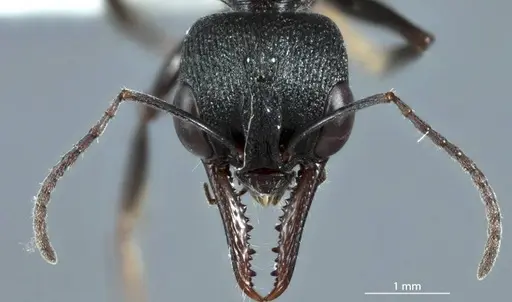
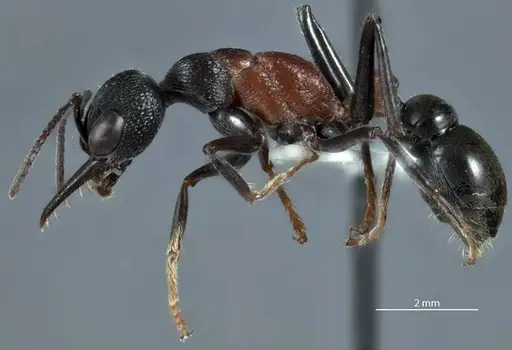
Myrmecia dispar is a bulldog ant species native to eastern Australia, specifically New South Wales. Workers are large ants, typically 12-20mm, with the characteristic powerful mandibles and potent sting of Myrmecia species. They have a dark reddish-brown to black coloration with lighter reddish legs. As with other bulldog ants, they are day-active (diurnal) and known for their aggressive defense of the nest and painful sting. This species nests in soil, creating colonies with distinctive tunnel systems [1]. They are solitary foragers, hunting small prey and collecting honeydew from sap-sucking insects [2].
Quick Summary
- Difficulty: Medium
- Origin & Habitat: Eastern Australia, specifically New South Wales (Junee and Cowra regions). They inhabit open woodland and grassland areas where they nest in soil [3].
- Colony Type: Monogyne (single queen colonies). Bulldog ants typically establish single-queen colonies with claustral founding where the queen seals herself in and raises the first workers alone.
- Colony: Monogyne
- Founding: Claustral
- Size & Growth:
- Queen: Estimated 20-25mm based on genus Myrmecia patterns
- Worker: 12-20mm [3]
- Colony: Estimated several hundred workers based on typical Myrmecia colony sizes
- Growth: Moderate
- Development: Estimated 6-10 weeks based on related Myrmecia species (Development time is temperature-dependent, warmer conditions within acceptable range speed development)
- Antkeeping:
- Temperature: Keep at 22-26°C. Provide a temperature gradient so workers can self-regulate. Room temperature within this range is acceptable.
- Humidity: Moderate humidity around 50-60%. They prefer well-drained nest substrate that doesn't stay waterlogged.
- Diapause: Unknown for this specific species. Many Australian Myrmecia species do not require true hibernation but may reduce activity in cooler months.
- Nesting: Soil-nesting species. In captivity, a naturalistic setup with deep soil or a plaster/acrylic nest works well. They build tunnel systems with stacked horizontal tunnels connected by vertical shafts [1].
- Behavior: Highly defensive and aggressive when threatened. They will readily attack and have a painful sting. Solitary foragers, they hunt alone rather than in groups [2]. They are diurnal, most active during daylight hours. Escape prevention is important given their large size and ability to climb smooth surfaces. Their strong mandibles allow them to grip and their sting delivers potent venom.
- Common Issues: painful stings, handle with extreme caution, protective gear recommended, colonies can be aggressive and defend the nest vigorously, may be difficult to establish in captivity due to specific habitat requirements, solitary foraging means slower food collection compared to mass-foraging species, queen founding can be slow and prone to failure
Housing and Nest Setup
Myrmecia dispar is a soil-nesting species that constructs elaborate tunnel systems. In captivity, provide a deep soil-based naturalistic setup or a formicarium with soil chambers. A minimum of 10-15cm depth of substrate allows proper tunnel construction. The nest architecture features stacked horizontal tunnels connected by vertical shafts [1]. Use a secure escape barrier since these large ants can climb smooth surfaces effectively. Provide an outworld area for foraging that is easy to clean.
Feeding and Diet
In the wild, Myrmecia dispar is a solitary forager that hunts small prey and collects honeydew from aphids and scale insects [2]. In captivity, offer a varied diet including small live insects (fruit flies, small crickets, mealworms) as primary protein. Sugar water, honey, or diluted nectar can be offered as an energy source. Feed protein 2-3 times per week and keep sugar sources available continuously. Remove uneaten prey after 24 hours to prevent mold.
Temperature and Seasonal Care
Maintain temperatures between 22-26°C during the active season. A slight temperature gradient allows the colony to self-regulate. These are diurnal ants most active during daylight, so provide a day-night cycle. During cooler winter months, activity may naturally decrease, reduce feeding and lower temperatures slightly (around 15-18°C) but true hibernation is not required for this Australian species. Monitor colony behavior and adjust conditions based on activity levels.
Handling and Safety
Myrmecia dispar has a potent sting and highly aggressive defensive behavior. These ants should only be kept by experienced antkeepers who understand proper safety protocols. Always use protective equipment when servicing the colony. Never open the nest without proper preparation. Work in a well-lit area where you can see ant movements clearly. Have ant bite/sting treatment available. Consider using a formicarium with observation ports rather than opening the nest directly.
Colony Establishment
Establishing Myrmecia dispar colonies requires patience. The claustral queen seals herself in a chamber and survives on stored fat reserves while raising the first brood. Do not disturb the founding chamber for several weeks after the queen seals in. First workers (nanitics) will be smaller than mature workers. The colony grows gradually as the queen continues laying eggs. Expect 6-10 weeks for first workers to emerge under optimal conditions. Founding colonies are vulnerable, avoid temperature fluctuations and disturbances.
Frequently Asked Questions
How long does it take for first workers to emerge?
Expect 6-10 weeks from egg to first worker under optimal temperature conditions (22-26°C). Development time varies based on temperature and colony health.
Can beginners keep Myrmecia dispar?
No, this species is not recommended for beginners due to their potent sting, aggressive defense behavior, and specific care requirements. Only experienced antkeepers should attempt to keep this species.
What do Myrmecia dispar ants eat?
They are solitary foragers that hunt small prey and collect honeydew. In captivity, feed small live insects (fruit flies, small crickets, mealworms) as protein and provide sugar water, honey, or nectar as an energy source.
Do Myrmecia dispar ants need hibernation?
True hibernation is not required for this Australian species. However, they may reduce activity during cooler months. You can lower temperatures slightly (15-18°C) and reduce feeding during winter.
How big do Myrmecia dispar colonies get?
Colonies typically reach several hundred workers. Growth is moderate, expect several months to reach 50+ workers and over a year for a mature colony.
Are Myrmecia dispar queens easy to find?
Myrmecia queens can be found during nuptial flights, which typically occur in spring and summer in Australia. Finding a newly mated queen is the most common way to start a colony. Established colonies are not commonly available in the antkeeping hobby.
Can I keep multiple Myrmecia dispar queens together?
No, Myrmecia dispar is monogyne (single-queen species). Multiple queens will fight. Only keep one queen per colony.
Is Myrmecia dispar aggressive?
Yes, extremely so. They are highly defensive and will readily attack threats to the nest. This is one of the most aggressive ant genera in Australia. Exercise extreme caution when keeping this species.
References

This caresheet is licensed under CC BY-SA 4.0 .
JDM32-002441
View on AntWeb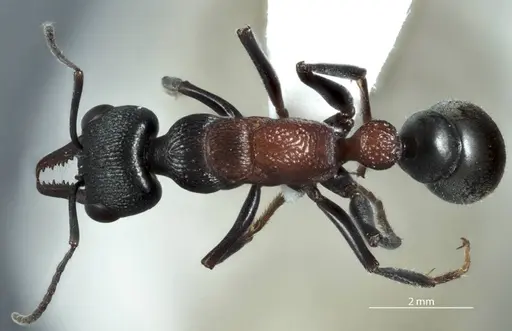
Literature
Loading...Loading products...