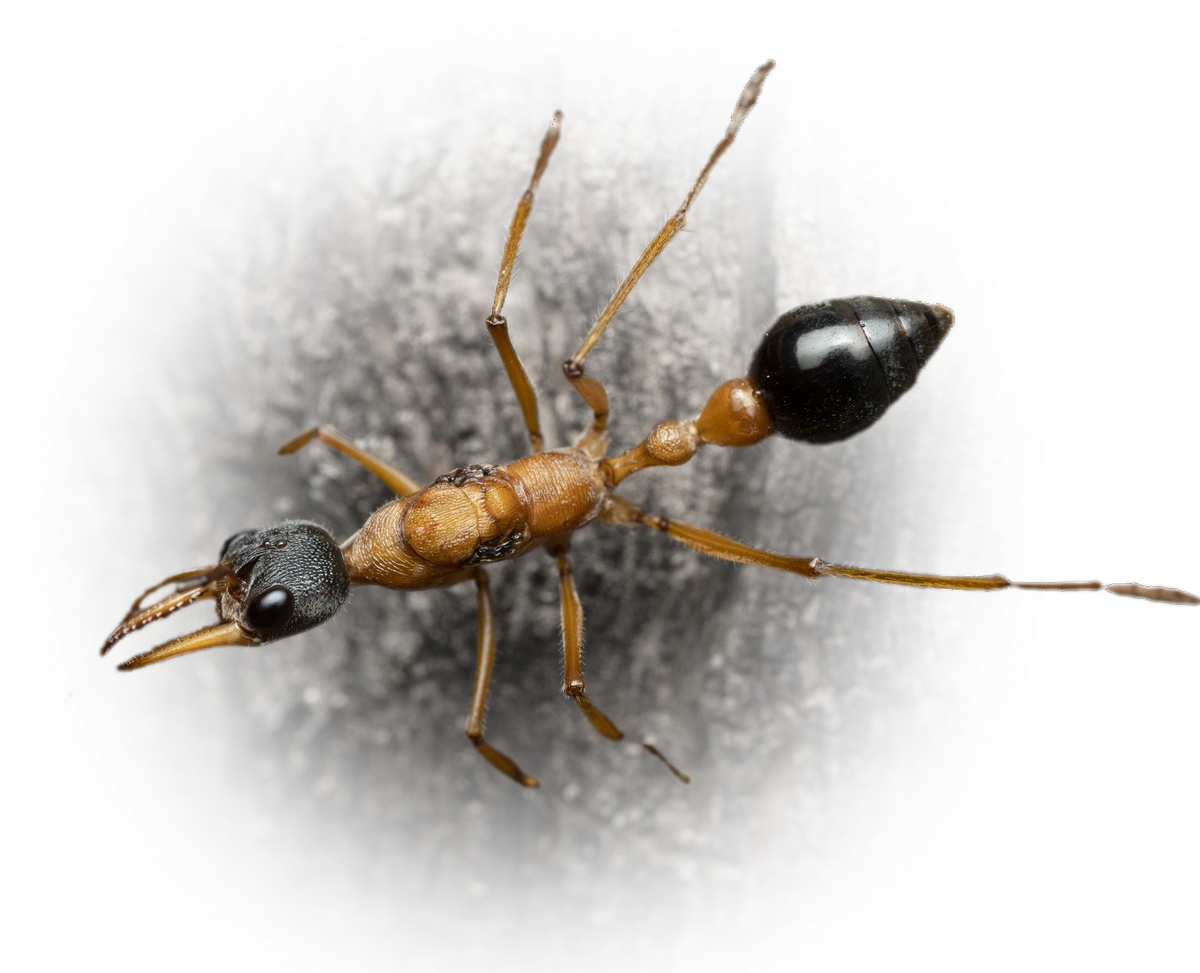

Myrmecia desertorum
- Scientific Name
- Myrmecia desertorum
- Tribe
- Myrmeciini
- Subfamily
- Myrmeciinae
- Author
- Wheeler, 1915
- Distribution
- Found in 1 countries
Myrmecia desertorum Overview
Myrmecia desertorum is an ant species of the genus Myrmecia. It is primarily documented in 1 countries , including Australia. Detailed taxonomic data and occurrence records can be further explored via authoritative databases such as AntWeb or the Global Biodiversity Information Facility (GBIF).
Myrmecia desertorum
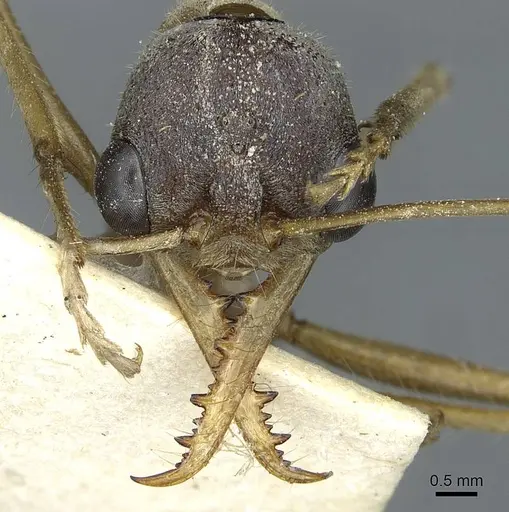
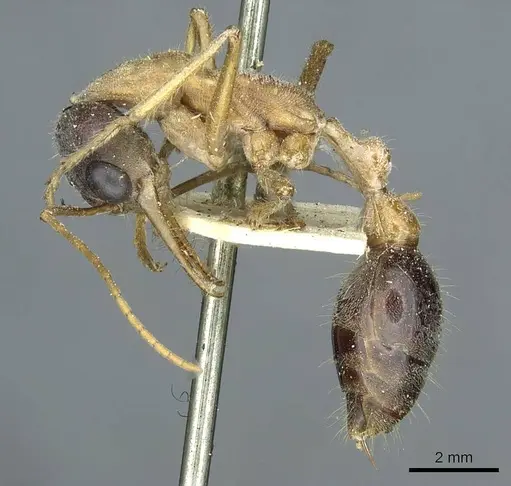
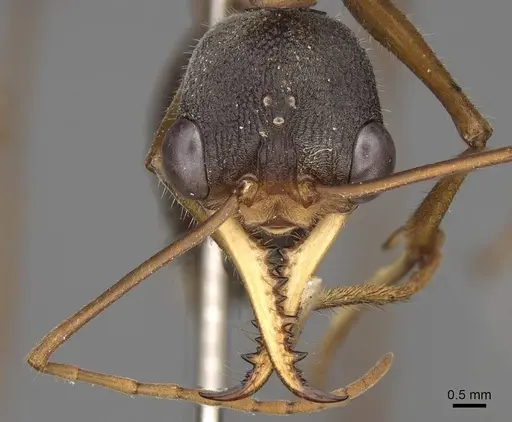
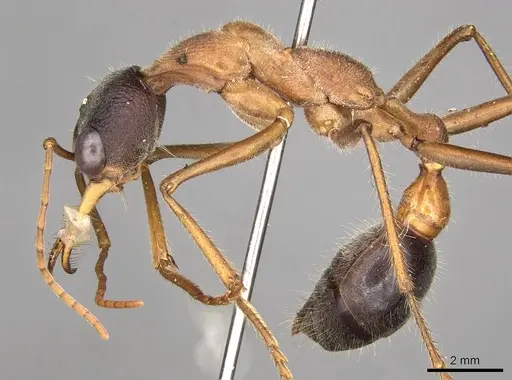
Myrmecia desertorum is a large to very large bulldog ant native to Australia, belonging to the Myrmecia 'vindex' species subgroup. Workers have a distinctive appearance with reddish to brown bodies, red to brown or black heads, and a black gaster (abdomen). These ants are among the most common bulldog ants in the arid regions of southwestern Australia, building impressive nest mounds that can reach up to 2 meters in diameter [1].
What makes M. desertorum particularly interesting is their exceptional visual hunting ability. Unlike most ants that rely primarily on chemical trails, these bulldog ants are highly visual predators that can detect threats and prey from considerable distances. They are aggressive defenders of their nests, with workers ready to rush out and attack intruders who approach too close to the colony [1].
Quick Summary
- Difficulty: Medium
- Origin & Habitat: Australia, particularly southwestern regions. These ants thrive in arid and semi-arid zones, building characteristic mound nests in open areas. They require cooler, moister conditions than many arid-zone ants and are associated with cooler microhabitats within their range [2][1].
- Colony Type: Single-queen (monogyne) colonies based on typical Myrmecia patterns. Colonies can grow large with impressive mound structures.
- Colony: Monogyne
- Founding: Claustral
- Size & Growth:
- Queen: Estimated 20-25mm based on genus Myrmecia size range
- Worker: Major workers approximately 15-20mm with head width around 4.4mm [3]
- Colony: Large colonies with mound nests up to 2m in diameter [1]
- Growth: Moderate, typical for large Myrmecia species
- Development: Estimated 8-12 weeks based on genus patterns at optimal temperature (Development time inferred from related Myrmecia species, exact timeline for this specific species unconfirmed)
- Antkeeping:
- Temperature: Keep around 22-26°C during active season. They prefer warmer conditions but not extreme heat, provide a temperature gradient so ants can choose their preferred spot [1].
- Humidity: Moderate humidity around 50-60%. These ants come from arid regions but require access to moisture. Keep nest substrate slightly moist but allow some drying between waterings.
- Diapause: Yes, Myrmecia species require a winter rest period. Reduce temperature to 10-15°C for 2-3 months during winter months (Southern Hemisphere: June-August) [1].
- Nesting: Large chambers are essential for these sizable ants. Y-tong (acrylic) nests or large test tube setups work well. Provide deep substrate for their characteristic mound-building behavior. They need enough space for a large colony with multiple chambers.
- Behavior: Highly aggressive and territorial. Workers are visual predators that hunt individually (solitary foraging) during twilight hours, leaving the nest between 17:30-18:00 in winter and 18:00-20:00 in summer [4]. They detect threats from distance and will actively pursue and attack intruders. Escape risk is moderate, large ants but strong climbers. Their painful sting makes them a genuine safety concern. They collect small prey, honeydew, and floral nectar [5].
- Common Issues: aggressive temperament requires careful handling and secure housing, large colony size means they need significant space as they grow, winter diapause is essential, colonies can weaken or die without proper hibernation, their painful sting means they should be handled with extreme caution, slow founding phase means new colonies need patience, queens can take months to raise first workers
Housing and Nest Setup
Myrmecia desertorum needs spacious housing to accommodate their large colony size and mound-building behavior. Y-tong (acrylic) nests with large chambers work well, or you can use multiple connected test tubes for founding colonies. The nest should have chambers at least 10-15mm tall to accommodate these substantial ants. Provide a deep outworld area for foraging and include a water tube for hydration. Because they are visual hunters, include some structure in the outworld like cork or stones where they can hunt and explore. Escape prevention is important, while not the smallest ants, they are strong and determined. Use fluon on container edges and ensure lids fit tightly. [3][5]
Feeding and Diet
Myrmecia desertorum are visual predators that hunt small prey individually. In captivity, offer live insects like crickets, mealworms, and roaches appropriate to their size. They also accept honeydew and sugar water, you can provide a cotton ball with diluted honey or sugar water as a constant food source. Feed protein prey 2-3 times per week, and always remove uneaten prey after 24 hours to prevent mold. These ants are solitary foragers, so place food in the outworld where workers can find it. Fresh water should always be available. [5][4]
Temperature and Seasonal Care
Keep your colony at 22-26°C during the active season. A temperature gradient allows ants to regulate their own temperature, place a heating cable on one side of the nest, but always on top rather than underneath to avoid drying out the substrate. Myrmecia desertorum is adapted to the Australian arid zone but actually prefers cooler, moister conditions than many desert ants [2]. During winter (June-August in the Southern Hemisphere), reduce temperature to 10-15°C to allow proper diapause. This winter rest is essential for colony health, without it, colonies can weaken and die. Reduce feeding during this period and do not disturb the colony unnecessarily.
Behavior and Safety
These ants are genuinely dangerous due to their aggressive temperament and painful sting. Workers will detect movement from distance, turn toward the threat, and attack. The closer you are to the nest, the more aggressive they become, this is a documented behavior in Myrmecia species [1]. When working with these ants, always use red light (they cannot see red) and move slowly. Never put your hands near the colony without protection. Their vision is highly developed, they have large eyes with around 3,625 facets, adapted for detecting movement [3]. This makes them excellent hunters but challenging to keep for beginners. If you are stung, the pain is significant due to their potent venom, seek medical attention if you have allergies.
Colony Growth and Development
Myrmecia desertorum colonies grow large, with wild colonies building mound nests up to 2 meters in diameter [1]. Founding is slow, claustral queens seal themselves in and raise the first brood alone. The first workers (nanitics) will be smaller than mature workers. Growth rate is moderate, expect 6-12 months to reach 50 workers, then faster expansion. These are long-lived ants, queens can live 15-20 years, and colonies can persist for decades. Be patient with new colonies, disturbing the queen during founding often leads to colony failure. Once established, colonies become impressive display colonies but require significant space and care.
Frequently Asked Questions
Are Myrmecia desertorum ants good for beginners?
No, Myrmecia desertorum is not recommended for beginners. Their aggressive temperament, painful sting, large space requirements, and specific seasonal care needs make them suitable only for experienced antkeepers who can handle large, aggressive ants safely.
How long does it take for Myrmecia desertorum to raise first workers?
Based on typical Myrmecia patterns, expect 8-12 weeks from egg to first worker at optimal temperature (around 24-26°C). The claustral queen seals herself in and raises the first brood alone using stored fat reserves. This is a slow process that requires patience, do not disturb the founding chamber.
What do Myrmecia desertorum ants eat?
They are visual predators that hunt small prey. Feed live insects like crickets, mealworms, and appropriately sized roaches. They also accept sugar sources like honey water and sugar water. Remove uneaten prey after 24 hours. Fresh water must always be available.
Do Myrmecia desertorum ants need hibernation?
Yes, they require a winter rest period. Reduce temperature to 10-15°C for 2-3 months during winter (June-August in the Southern Hemisphere). This diapause is essential for colony health, without proper hibernation, colonies can weaken and die.
How big do Myrmecia desertorum colonies get?
Very large. Wild colonies can have mound nests up to 2 meters in diameter and contain thousands of workers. In captivity, expect colonies to reach hundreds to low thousands of workers with proper care over several years.
When are Myrmecia desertorum ants active?
They are crepuscular, most active during twilight hours. Workers leave the nest between 17:30-18:00 in winter and 18:00-20:00 in summer, timing their foraging with sunset [4]. They have excellent vision for hunting in low light conditions.
Can I keep multiple Myrmecia desertorum queens together?
No, Myrmecia desertorum is monogyne (single-queen). Unlike some ant species, multiple queens will fight. Only keep one queen per colony. If you find multiple queens in the wild, they will establish separate colonies, not share one.
Are Myrmecia desertorum ants invasive anywhere?
No, Myrmecia desertorum is native only to Australia and has not been documented as invasive in other regions. They are not listed as invasive pests internationally.
References

This caresheet is licensed under CC BY-SA 4.0 .
CASENT0912436
View on AntWeb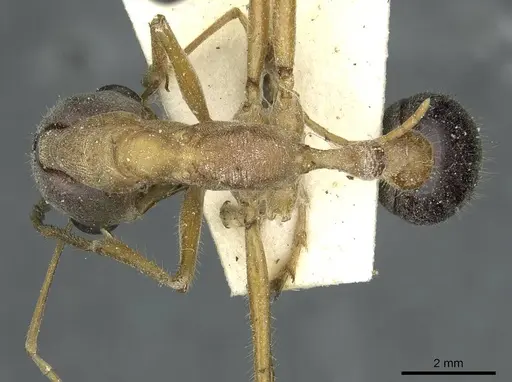
CASENT0914023
View on AntWeb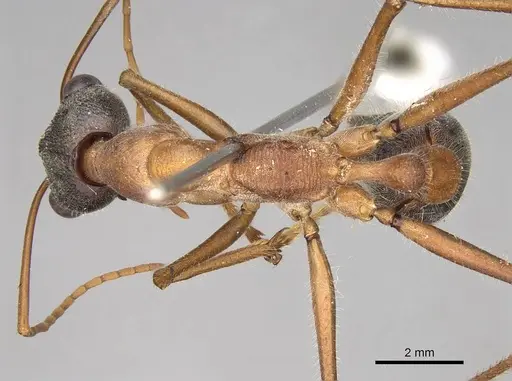
Literature
Loading...Loading products...