

Myrmecia comata
- Scientific Name
- Myrmecia comata
- Tribe
- Myrmeciini
- Subfamily
- Myrmeciinae
- Author
- Clark, 1951
- Distribution
- Found in 1 countries
Myrmecia comata Overview
Myrmecia comata is an ant species of the genus Myrmecia. It is primarily documented in 1 countries , including Australia. Detailed taxonomic data and occurrence records can be further explored via authoritative databases such as AntWeb or the Global Biodiversity Information Facility (GBIF).
Myrmecia comata
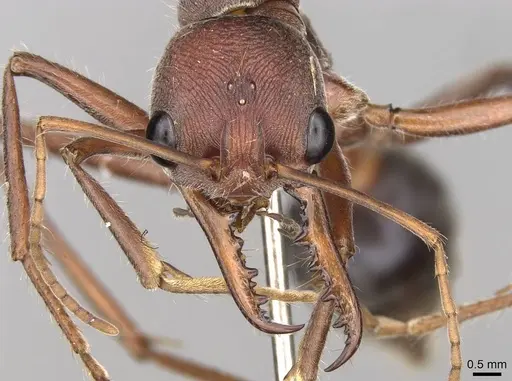
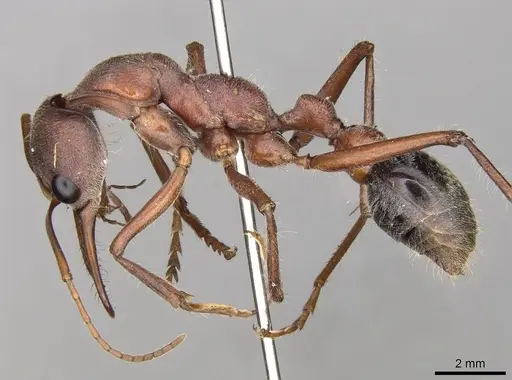
Myrmecia comata is a large bulldog ant species endemic to Queensland, Australia, specifically the Bunya Mountains region. Workers are robust and muscular, typically measuring 12-18mm, with the characteristic large mandibles and potent sting typical of Myrmecia species. They have a dark reddish-brown to black coloration with lighter reddish legs and abdomen. This species belongs to the gulosa species group, which includes several of Australia's larger bulldog ant species [1]. Queens are significantly larger than workers, likely exceeding 20mm, and are claustral founders that seal themselves into a founding chamber to raise their first brood. In their natural habitat, these ants are aggressive defenders of their nest and will readily chase and sting intruders. They are solitary foragers, hunting small prey individually rather than coordinating group raids [2].
Quick Summary
- Difficulty: Medium
- Origin & Habitat: Australia (Queensland, Bunya Mountains). They inhabit forested areas in the Bunya Mountains region, nesting in soil or under stones. As a Myrmecia species, they prefer warm, open woodland habitats with adequate sunlight for foraging.
- Colony Type: Monogyne, single queen colonies. Myrmecia species are typically monogyne with one founding queen per colony.
- Colony: Monogyne
- Founding: Claustral
- Size & Growth:
- Queen: Estimated 20-25mm based on genus patterns
- Worker: Estimated 12-18mm based on gulosa group members
- Colony: Estimated 200-500 workers based on typical Myrmecia colony sizes
- Growth: Moderate
- Development: Estimated 8-12 weeks based on Myrmecia genus development patterns (Development time is temperature-dependent. Myrmecia species typically produce nanitic (first) workers that are smaller than normal workers.)
- Antkeeping:
- Temperature: Keep nest area at 24-28°C with a slight gradient. Room temperature (around 22-25°C) is suitable for most Myrmecia species. Provide a heating cable on one side of the nest to create a temperature gradient if your room is cooler.
- Humidity: Moderate humidity around 50-60%. Myrmecia comata likely prefers somewhat drier conditions compared to tropical species. Keep the nest substrate slightly moist but allow some drying between waterings.
- Diapause: Yes, Myrmecia species require a winter dormancy period. Reduce temperature to 10-15°C for 2-3 months during winter (typically June-August in the Southern Hemisphere).
- Nesting: Y-tong (AAC) nests or plaster nests work well. Provide a nest chamber sized appropriately for the colony. Myrmecia are not arboreal, they nest in soil or under stones in the wild. A formicarium with a dirt fill or plaster chambers mimics their natural nesting preferences.
- Behavior: Myrmecia comata is an aggressive species with a potent sting. Workers are active foragers that hunt individually, collecting small prey items [2]. They are diurnal, foraging during daylight hours when temperatures are optimal. They have excellent vision and will investigate and chase movement near their nest. Escape prevention is important, while not as small as some species, they are strong climbers and can escape through gaps. Their sting is medically significant and can cause severe pain and allergic reactions in sensitive individuals. Always use excellent escape prevention and handle with caution.
- Common Issues: potent sting, these ants can deliver a painful sting, handle with extreme caution and use protective equipment, escape artists, despite their size, they are strong climbers and can squeeze through small gaps, check all connections regularly, slow colony growth, Myrmecia colonies grow more slowly than many common species, don't overfeed or disturb the colony in early stages, winter dormancy failure, failing to provide proper diapause can weaken or kill colonies over time, aggressive defense, disturbed colonies will swarm and sting, avoid disturbing the nest especially during founding
Housing and Nest Setup
Myrmecia comata does well in Y-tong (AAC) nests or plaster formicariums. These provide the dark, enclosed chambers that bulldog ants prefer. The nest chamber should be appropriately sized, not too large for small colonies, as ants fare better in chambers that match their population. A dirt-fill formicarium also works well and mimics their natural soil-nesting behavior. For the outworld, provide a simple foraging area where you can offer prey and sugar water. Use a deep escape prevention barrier (at least 3cm of fluon or petroleum jelly) as these ants are persistent climbers. Ensure the nest has some moisture but avoid waterlogging, Myrmecia comata from the Bunya Mountains likely prefers somewhat drier conditions than tropical Myrmecia species.
Feeding and Diet
Myrmecia comata is a predatory species that hunts small prey in the wild [2]. In captivity, offer small live insects such as fruit flies, small crickets, mealworms, and other appropriately sized arthropods. Prey should be no larger than about one-third the ant's body size. They will also accept sugar sources like honey or sugar water, which provides energy for foragers. Feed prey 2-3 times per week for established colonies, and ensure all uneaten prey is removed within 24 hours to prevent mold. During founding, the claustral queen does not need food, she relies on stored fat reserves. Once workers emerge, begin offering small prey items.
Temperature and Seasonal Care
Maintain nest temperatures between 24-28°C for optimal brood development. Myrmecia species are native to Australia and prefer warm conditions. A heating cable placed on one side of the nest creates a temperature gradient allowing ants to self-regulate. Room temperature around 22-25°C is acceptable for established colonies. During winter (June-August in the Southern Hemisphere), reduce temperatures to 10-15°C to provide a proper diapause period. This winter dormancy is essential for colony health and longevity. Do not feed during diapause and keep disturbance to a minimum. Resume normal feeding and temperatures gradually in spring.
Handling and Safety
Myrmecia comata has a potent sting and should be handled with extreme caution. These ants are aggressive and will readily defend their nest by swarming and stinging. The sting can cause severe pain, swelling, and in sensitive individuals, potentially dangerous allergic reactions. Never handle these ants with bare hands, especially when the colony is established and confident. Use tools like soft paintbrushes for moving ants, and wear gloves when performing nest maintenance. Keep escape prevention measures in place at all times, these large ants can move quickly when disturbed. Ensure the formicarium has secure connections and barriers.
Colony Development
Myrmecia comata is a claustral founder, the queen seals herself into a chamber and raises her first brood alone without foraging. She relies on stored fat reserves to survive and feed the larvae until the first workers emerge. The first workers (nanitics) are typically smaller than normal workers but will immediately begin foraging and caring for subsequent brood. Colony growth is moderate, expect 6-12 months from founding to a colony of 20-30 workers, with larger colonies developing over several years. Myrmecia colonies do not reach the massive sizes of some tropical ants, a mature colony of several hundred workers is typical. Be patient with founding colonies and avoid disturbing them during this critical period.
Frequently Asked Questions
How long does it take for Myrmecia comata to produce first workers?
Expect first workers (nanitics) to emerge in 8-12 weeks under optimal conditions (24-28°C). This is typical for Myrmecia species. The exact timing depends on temperature and whether the founding queen was mated and healthy.
Do Myrmecia comata ants sting?
Yes, they have a potent sting and are aggressive defenders of their nest. Their sting is medically significant and can cause severe pain and allergic reactions. Handle with extreme caution and never disturb the nest without proper protection.
Can I keep multiple Myrmecia comata queens together?
No, Myrmecia comata is monogyne, they form single-queen colonies. Multiple queens will fight to the death. Only introduce a single queen when starting a colony.
What do Myrmecia comata ants eat?
They are predatory ants that hunt small insects and arthropods. Offer small live prey like fruit flies, small crickets, and mealworms. They will also accept sugar sources like honey or sugar water for energy.
Do Myrmecia comata need hibernation?
Yes, they require a winter dormancy period. Reduce temperatures to 10-15°C for 2-3 months during winter. This diapause is essential for colony health.
Are Myrmecia comata good for beginners?
No, they are not recommended for beginners. Their potent sting, aggressive temperament, and specific care requirements make them better suited for experienced antkeepers.
How big do Myrmecia comata colonies get?
Mature colonies typically reach 200-500 workers over several years. They do not form the massive colonies seen in some tropical ant species.
When should I move Myrmecia comata to a formicarium?
Keep founding colonies in a test tube setup until they have 20-30 workers. Then you can transition them to a formicarium if needed. Myrmecia can remain in test tube setups longer than many species.
Why is my Myrmecia comata colony dying?
Common causes include improper temperature (too cold), failure to provide diapause, overfeeding leading to mold, disturbance during founding, or pest infestations. Check that temperatures are in the 24-28°C range and that winter dormancy was properly provided.
References

This caresheet is licensed under CC BY-SA 4.0 .
CASENT0914016
View on AntWeb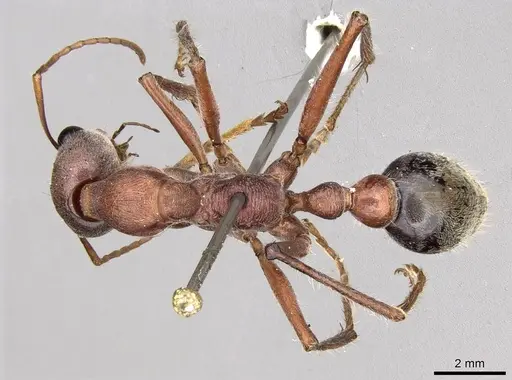
Literature
Loading...Loading products...