

Myrmecia clarki
- Scientific Name
- Myrmecia clarki
- Tribe
- Myrmeciini
- Subfamily
- Myrmeciinae
- Author
- Crawley, 1922
- Distribution
- Found in 1 countries
Myrmecia clarki Overview
Myrmecia clarki is an ant species of the genus Myrmecia. It is primarily documented in 1 countries , including Australia. Detailed taxonomic data and occurrence records can be further explored via authoritative databases such as AntWeb or the Global Biodiversity Information Facility (GBIF).
Myrmecia clarki
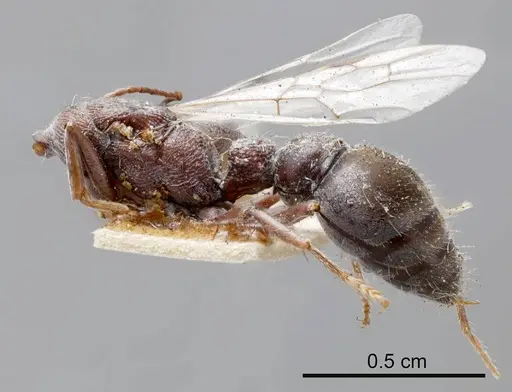
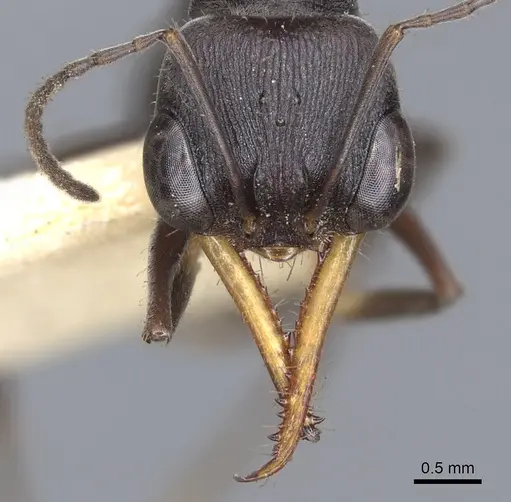
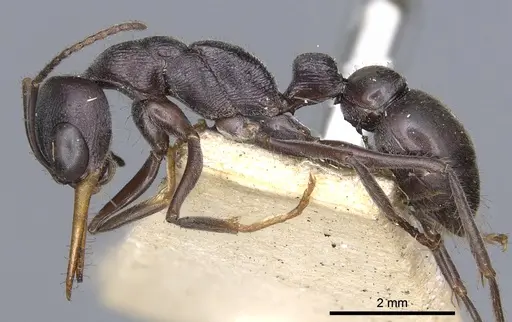
Myrmecia clarki is a small, dark bulldog ant native to Western Australia. Workers have distinctive yellow mandibles that contrast with their otherwise dark coloration. This species belongs to the pilosula species group and is commonly found in Banksia woodland around Perth, with its range extending north to Ethel Creek in the Pilbara region [1]. As a Myrmecia species, these ants are equipped with a potent sting and are known for their aggressive defense of the colony. They are active foragers that hunt prey and can deliver a painful sting if threatened.
Quick Summary
- Difficulty: Medium
- Origin & Habitat: Western Australia, found in Banksia woodland and arid regions from Perth to the Pilbara
- Colony Type: Likely single-queen colonies based on typical Myrmecia patterns
- Colony: Monogyne
- Founding: Claustral
- Size & Growth:
- Queen: Estimated 20-25mm based on genus Myrmecia patterns
- Worker: Estimated 12-18mm based on genus Myrmecia patterns
- Colony: Estimated several hundred to a few thousand workers based on genus patterns
- Growth: Moderate
- Development: Estimated 8-12 weeks based on related Myrmecia species (Development time inferred from genus patterns, actual timeline unconfirmed for this specific species)
- Antkeeping:
- Temperature: Keep around 24-28°C with a slight gradient. Australian species prefer warm conditions
- Humidity: Moderate humidity around 50-60%. Provide a water source but avoid overly damp conditions
- Diapause: No true hibernation required. Reduce feeding and lower temperatures slightly (around 18-20°C) during Australian winter months if colony shows reduced activity
- Nesting: Use a dry nest setup. Myrmecia typically prefer nests with minimal moisture. Y-tong (AAC), plaster, or acrylic nests work well. Provide a foraging area with substrate
- Behavior: These ants are aggressive defenders with a potent sting. Workers are active foragers that hunt prey. They may jump or lunge when threatened, which is characteristic of bulldog ants. Escape prevention is important due to their size and climbing ability, use barrier gel or fluon on container edges. They are diurnal and actively hunt during the day.
- Common Issues: potent sting, handle with caution, do not disturb the nest unnecessarily, aggressive defense, workers will attack aggressively when the colony is threatened, escape risk, use secure barriers as they can climb smooth surfaces, slow founding, claustral queens can take months to raise first workers, overheating risk, avoid temperatures above 30°C which can stress colonies
Nest Preferences
Myrmecia clarki nests in soil in natural habitats, typically in Banksia woodland and arid regions of Western Australia. In captivity, they do well in Y-tong (AAC) nests, plaster nests, or acrylic formicariums. These ants prefer relatively dry conditions compared to many other ant species. Provide a nest chamber sized appropriately for the colony size with narrow passages that workers can easily patrol. The foraging area should be spacious enough for workers to hunt and explore. Ensure the nest has good ventilation to prevent mold growth. [1]
Feeding and Diet
Myrmecia clarki is a predatory ant that hunts insects and other small arthropods in the wild. In captivity, feed them a diet primarily consisting of live insects such as crickets, mealworms, and other small prey items. They will also accept sugar water or honey as an energy source. Feed protein-rich prey 2-3 times per week, and keep a constant supply of sugar water available. Remove uneaten prey after 24 hours to prevent mold. Young colonies can be fed small prey items like fruit flies or pinhead crickets.
Temperature and Care
Keep Myrmecia clarki at temperatures between 24-28°C for optimal colony development. A heating cable on one side of the nest can create a temperature gradient, allowing ants to self-regulate. Avoid temperatures above 30°C as this can stress the colony. During Australian winter months (June-August), you can reduce temperatures to around 18-20°C if the colony shows reduced activity, but true hibernation is not required. Maintain moderate humidity around 50-60% in the foraging area while keeping the nest relatively dry.
Behavior and Temperament
Myrmecia clarki exhibits classic bulldog ant behavior, they are aggressive, territorial, and will readily attack threats. Workers are active foragers that hunt during the day. When threatened, they may jump or lunge forward, which is characteristic of the genus. Their sting is potent and can cause significant pain to humans, handle the colony with caution and avoid disturbing the nest. They use chemical alarm signals to recruit nestmates when the colony is threatened. Workers will readily attack and subdue prey much larger than themselves.
Colony Founding
Like other Myrmecia species, Myrmecia clarki likely has claustral founding where the queen seals herself in a chamber and raises the first brood alone. She uses stored fat reserves to survive until the first workers (nanitics) emerge. This process can take several months. The queen will not forage during this time. Once the first workers emerge, they will begin foraging to support the growing colony. Founding colonies should be kept in a quiet, dark location with minimal disturbance.
Frequently Asked Questions
How long does it take for Myrmecia clarki to raise first workers?
Expect 8-12 months from founding to first workers. The queen seals herself in and raises the first brood alone, which takes considerable time. Be patient, Myrmecia colonies grow slower than many common ant species.
What do I feed Myrmecia clarki?
Feed them live insects like crickets, mealworms, and other small arthropods. They also accept sugar water or honey. Provide protein prey 2-3 times per week and keep sugar water constantly available.
Can I keep multiple Myrmecia clarki queens together?
This species is likely monogyne (single queen). Combining unrelated queens is not recommended as they will likely fight. Only keep one queen per colony.
What temperature do Myrmecia clarki need?
Keep them at 24-28°C. A heating cable on one side of the nest creates a gradient. Avoid temperatures above 30°C.
Are Myrmecia clarki good for beginners?
No, they are considered medium difficulty. Their potent sting, aggressive defense, and slower growth make them better suited for keepers with some experience.
Do Myrmecia clarki need hibernation?
No true hibernation is required. You can reduce temperatures slightly to 18-20°C during winter months if the colony shows reduced activity, but this is optional.
How big do Myrmecia clarki colonies get?
Colonies likely reach several hundred to a few thousand workers over several years. Myrmecia colonies are not as large as some tropical species.
When should I move Myrmecia clarki to a formicarium?
Wait until the colony has at least 50-100 workers before moving to a formicarium. Test tube setups work well for founding colonies and early growth.
Why is my Myrmecia clarki colony dying?
Common causes include: disturbance during founding (queen needs peace), temperatures too high or too low, mold from excessive moisture, or starvation. Ensure proper temperature, dry nest conditions, and adequate prey.
References

This caresheet is licensed under CC BY-SA 4.0 .
ANTWEB1008207
View on AntWeb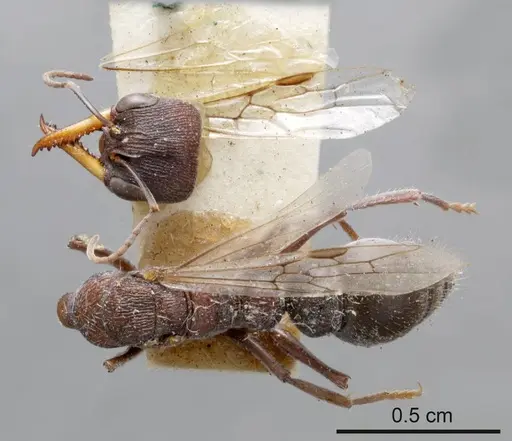
CASENT0902810
View on AntWeb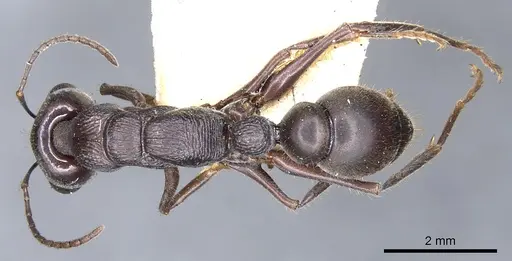
Literature
Loading...Loading products...