

Myrmecia cephalotes
- Scientific Name
- Myrmecia cephalotes
- Tribe
- Myrmeciini
- Subfamily
- Myrmeciinae
- Author
- Clark, 1943
- Distribution
- Found in 1 countries
Myrmecia cephalotes Overview
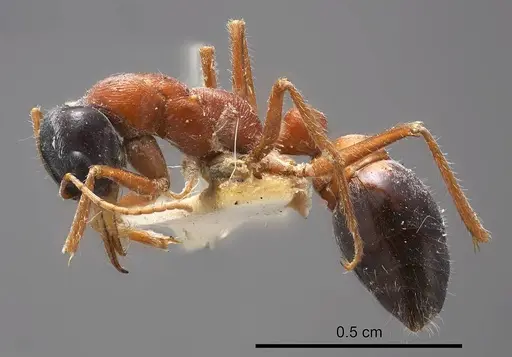
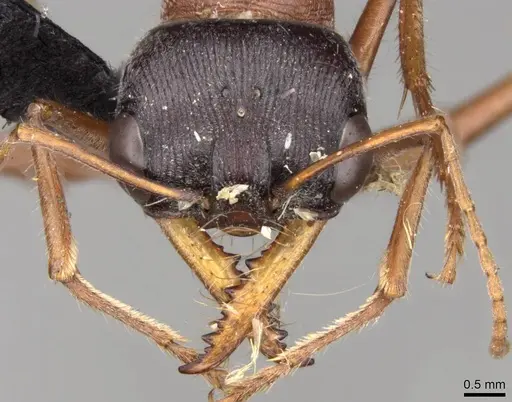
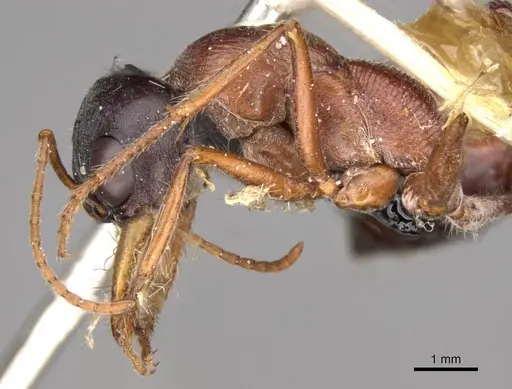
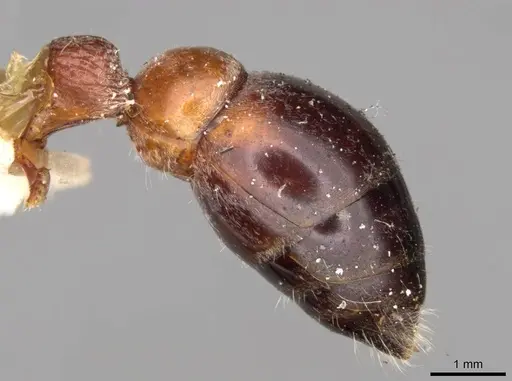
Myrmecia cephalotes is an ant species of the genus Myrmecia. It is primarily documented in 1 countries , including Australia. Detailed taxonomic data and occurrence records can be further explored via authoritative databases such as AntWeb or the Global Biodiversity Information Facility (GBIF).
Myrmecia cephalotes
Myrmecia cephalotes is a large, striking ant species native to the arid regions of South Australia. Workers are robust and powerful, typically measuring 12-20mm, with distinctive mandibles and a painful sting. The species belongs to the cephalotes species group, which includes several similar Myrmecia species found across Australia's interior. These ants are diurnal hunters known for their aggressive defense of the nest and impressive jumping ability when disturbed, giving them their common name 'jack jumper.' [1]
What makes M. cephalotes stand out is its adaptation to harsh, dry Australian outback conditions. Unlike many ant species that avoid the heat, these ants are active foragers during the warmer parts of the day, hunting prey and defending their territory with remarkable speed and aggression. Their colonies are relatively small but long-lived, with queens potentially surviving for decades in the wild. [1]
Quick Summary
- Difficulty: Medium
- Origin & Habitat: South Australia, Australia. Found in arid desert and rangeland habitats around Cooper's Creek and Killalpaninna in the Lake Eyre basin region. These ants nest in the ground, typically excavating chambers in hard-packed soil or under rocks in open savanna-like terrain. [1]
- Colony Type: Monogyne, single queen colonies. The colony is founded by a single claustral queen who seals herself in a chamber and raises her first brood alone on stored fat reserves. Once established, colonies grow to several hundred workers. [1]
- Colony: Monogyne
- Founding: Claustral
- Size & Growth:
- Queen: 18-22mm [1]
- Worker: 12-20mm [1]
- Colony: Up to several hundred workers [1]
- Growth: Moderate
- Development: Estimated 2-3 months at optimal temperature, based on typical Myrmecia development patterns. Queens lay eggs in late spring/summer, with first workers (nanitics) emerging by autumn. (Development is temperature-dependent, warmer conditions accelerate growth but may stress the colony. First workers are smaller than mature workers.)
- Antkeeping:
- Temperature: Keep nest area at 24-30°C during active season. Provide a temperature gradient so workers can choose their preferred zone. Room temperature (20-24°C) is acceptable, but growth will be slower. Reduce to 15-18°C during winter rest period.
- Humidity: Low to moderate. These are desert-adapted ants, keep nest substrate dry to slightly moist, never wet. Allow areas to dry completely between waterings. Avoid misting, instead provide a water tube and let them drink directly. Overwatering causes fungal problems.
- Diapause: Yes, a winter rest period is recommended. Reduce temperature to 15-18°C for 2-3 months during winter (roughly May-August in Northern Hemisphere). Keep them in a cool, dark location like an unheated garage or basement. Do not feed during this period but ensure water is available.
- Nesting: Y-tong (acrylic) nests work well, or a naturalistic setup with compact soil chambers. Provide a deep soil area for nesting if using a formicarium. They prefer dark, secure chambers. Outworld should be spacious with a secure lid, these large ants can escape if given the chance. [1]
- Behavior: Highly aggressive and territorial. Workers will readily attack any threat, including human hands near the nest. They possess a painful sting and are known to chase intruders for several meters. They are diurnal foragers, actively hunting during warm daylight hours. Workers are excellent climbers and can scale smooth surfaces. Escape risk is moderate, their size makes them visible but they are strong jumpers. Always use a secure outworld lid. [1]
- Common Issues: stings are painful and can cause allergic reactions in sensitive individuals, handle with caution and wear gloves, colonies can be aggressive toward keepers, give them space during the first months until they settle, overheating is a real risk in summer, never place the nest in direct sunlight or near heat sources above 32°C, small colonies are vulnerable to stress, avoid disturbing the nest frequently until you have 50+ workers, wild-caught colonies may have parasites or disease, quarantine and monitor new colonies carefully
Housing and Setup
For Myrmecia cephalotes, you'll want a setup that mimics their natural arid habitat. A Y-tong (acrylic) nest works excellently, these ants prefer compact, dark chambers where they feel secure. The chambers should be sized appropriately for their large bodies, avoid overly large spaces as this can stress the colony. For the outworld, provide a spacious foraging area with a secure lid, these ants are strong jumpers and can escape if the lid isn't tight-fitting.
The nesting material should be dry to slightly moist. If using a formicarium with plaster or soil, err on the dry side. These desert-adapted ants are far more tolerant of dry conditions than wet ones. A water tube connected to the nest provides constant drinking water without adding humidity to the nesting area. In the outworld, you can add some substrate for them to dig in if they want to expand, but they typically accept pre-made chambers readily.
Lighting should be indirect, direct sunlight will overheat the nest quickly. Keep the entire setup in a location with stable temperature away from windows or heating vents. These ants are diurnal, so a regular day/night cycle helps maintain natural activity patterns. [1]
Feeding and Diet
Myrmecia cephalotes are primarily predatory ants, hunting and killing insects and other small invertebrates. In captivity, their diet should center on protein-rich foods like live or frozen insects. Offer prey items roughly every 2-3 days for a growing colony, cricket parts, mealworms, roaches, and similar insects work well. Remove any uneaten prey after 24 hours to prevent mold.
Beyond protein, these ants will readily accept sugar sources. A drop of honey water or sugar water (roughly 1:4 ratio with water) should be offered once or twice a week. Some keepers report their Myrmecia actively seeking sweet liquids. You can use a small test tube or cotton ball soaked in sugar water, placed in the outworld.
For founding colonies (queen alone with brood), do not offer food, claustral queens have sufficient fat reserves to survive until their first workers emerge. Once you have 10+ workers, begin regular feeding. Adjust portions based on colony size, a large colony can handle multiple prey items at once, while a small colony may only need one small insect every few days. [1]
Temperature and Seasonal Care
These Australian ants are adapted to a warm, seasonal climate with distinct summer heat and mild winters. During the active season (roughly March through October in captivity), maintain nest temperatures between 24-30°C. A heating cable or mat on one side of the nest can create a gradient, allowing workers to self-regulate by moving between warmer and cooler areas.
In winter, a diapause or rest period is beneficial for colony health. Reduce temperatures to 15-18°C for 2-3 months. This mimics their natural cycle and helps synchronize breeding behavior. During diapause, stop feeding entirely but ensure water is available, the colony will be largely inactive but still needs moisture.
Summer heat management is critical. Never place the nest in direct sunlight or near heat sources that could push temperatures above 32°C. These ants can tolerate brief heat spikes but prolonged high temperatures will kill the colony. If your room gets warm in summer, ensure adequate ventilation and consider moving the setup to a cooler location.
Behavior and Handling
Myrmecia cephalotes are not beginner-friendly when it comes to temperament. These ants are aggressive defenders of their nest and will attack with surprising speed and determination. Workers possess a potent sting that causes significant pain, some describe it as comparable to a wasp sting, and it can trigger allergic reactions in sensitive individuals.
When working with the colony, always move slowly and avoid disturbing the nest directly. Use tools like forceps or paintbrushes to move materials rather than your hands. If you need to transfer the colony to a new setup, wait until most workers are in the outworld before moving the nest module. Never grab or squeeze the ants.
Their common name 'jack jumper' comes from their ability to leap when threatened or hunting. This makes them exciting to watch but also means escape prevention must be excellent. Check that all lids are secure and consider using fluon or petroleum jelly on the rim of the outworld. Given their size and jumping ability, a simple lid may not be sufficient.
Despite their aggression, observing these ants is rewarding. They are intelligent hunters, using their excellent vision to spot prey and coordinate attacks. Workers will recruit nestmates to large prey items, demonstrating sophisticated communication. With patience, you can watch them systematically dismantle insects many times their own body weight. [1]
Growth and Development
A newly mated Myrmecia cephalotes queen will dig a small chamber in the ground and seal herself inside, this is claustral founding. She survives entirely on her stored fat reserves while laying eggs and tending the first brood. This phase can last 2-3 months depending on temperature. Do not disturb a founding queen or offer food, she is self-sufficient.
Once the first workers emerge (called nanitics because they are smaller than mature workers), the colony begins to grow. The queen stops foraging and devotes herself entirely to egg-laying. Workers take over all other tasks: foraging, caring for brood, defending the nest, and expanding the galleries.
Growth rate is moderate, expect the colony to reach 50 workers within the first year under good conditions. A mature colony may contain several hundred workers and can live for many years, with queens potentially surviving 15-20 years in ideal conditions. The key to healthy growth is stable temperatures, proper humidity (on the dry side), and consistent feeding with protein prey.
Frequently Asked Questions
How long does it take for Myrmecia cephalotes to produce first workers?
Expect 2-3 months from egg to first worker at warm temperatures (around 28°C). Cooler conditions will slow development significantly. The claustral queen will seal herself in and raise the first brood alone, do not disturb her during this time.
Do Myrmecia cephalotes ants sting?
Yes, absolutely. They have a potent sting and are aggressive defenders of their nest. Their sting is described as painful and can cause allergic reactions in sensitive individuals. Always handle with caution and wear protective gloves when working near the colony. [1]
What do I feed Myrmecia cephalotes?
Feed them a diet centered on protein-rich insects like crickets, mealworms, and roaches. Offer prey every 2-3 days for growing colonies. They also accept sugar sources like honey water or sugar water once or twice a week. Remove uneaten prey after 24 hours to prevent mold. [1]
Are Myrmecia cephalotes good for beginners?
No, they are not recommended for complete beginners. Their aggressive temperament and painful sting make them challenging to handle. They also have specific humidity requirements (dry conditions) that differ from many common pet ant species. However, experienced antkeepers who can handle aggressive species will find them rewarding. [1]
Do Myrmecia cephalotes need hibernation?
Yes, a winter rest period is recommended. Reduce temperatures to 15-18°C for 2-3 months during winter. Stop feeding during this period but ensure water is available. This diapause helps maintain natural cycles and promotes colony health long-term.
Can I keep multiple Myrmecia cephalotes queens together?
No, this species is monogyne, colonies are founded and maintained by a single queen. Introducing additional queens will result in fighting. If you find multiple queens (pleometrosis), one will eventually kill the others. For successful captive colonies, start with one mated queen. [1]
What temperature do Myrmecia cephalotes need?
Keep the nest at 24-30°C during the active season. Provide a temperature gradient so workers can choose their preferred zone. Room temperature (20-24°C) is acceptable but will slow growth. In winter, reduce to 15-18°C for diapause. Never exceed 32°C as this can kill the colony.
How big do Myrmecia cephalotes colonies get?
Mature colonies can reach several hundred workers. Growth is moderate, expect 50 workers in the first year under good conditions. These are long-lived colonies with queens potentially surviving 15-20 years. A well-established colony is an impressive sight with dozens of large workers actively foraging. [1]
When should I move Myrmecia cephalotes to a formicarium?
Keep the founding queen in a simple test tube setup until you have at least 20-30 workers. Once the colony outgrows the test tube or reaches this size, you can move them to a formicarium. Transfer the entire tube contents into the new nest at night when most workers are inside. Do not rush the transfer, a stable test tube setup is fine for the first year.
Why is my Myrmecia cephalotes colony dying?
Common causes include: overwatering (they need dry conditions), temperatures too high or too low, disturbance during founding phase, or stress from frequent handling. Check that humidity is low, temperatures are stable, and the queen is not being disturbed. Also ensure they are getting adequate protein. If workers are dying rapidly, the colony may have a disease or parasite issue. [1]
References

This caresheet is licensed under CC BY-SA 4.0 .
ANTWEB1008278
View on AntWeb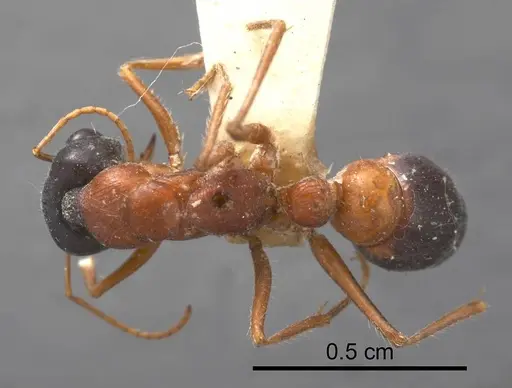
CASENT0914028
View on AntWeb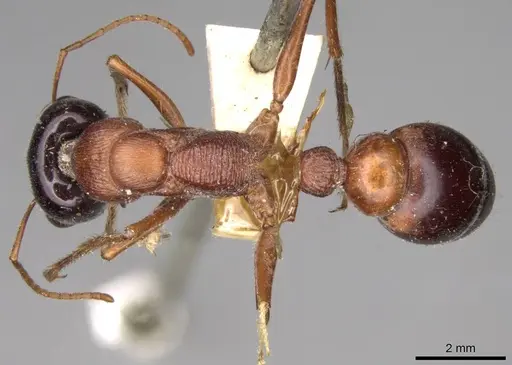
Literature
Loading...Loading products...