
Myrmecia brevinoda exhibits a clear seasonal flight window. Peak flight activity is concentrated in March, with the overall period spanning February to March. The concentrated timeframe makes peak months critical for sightings.
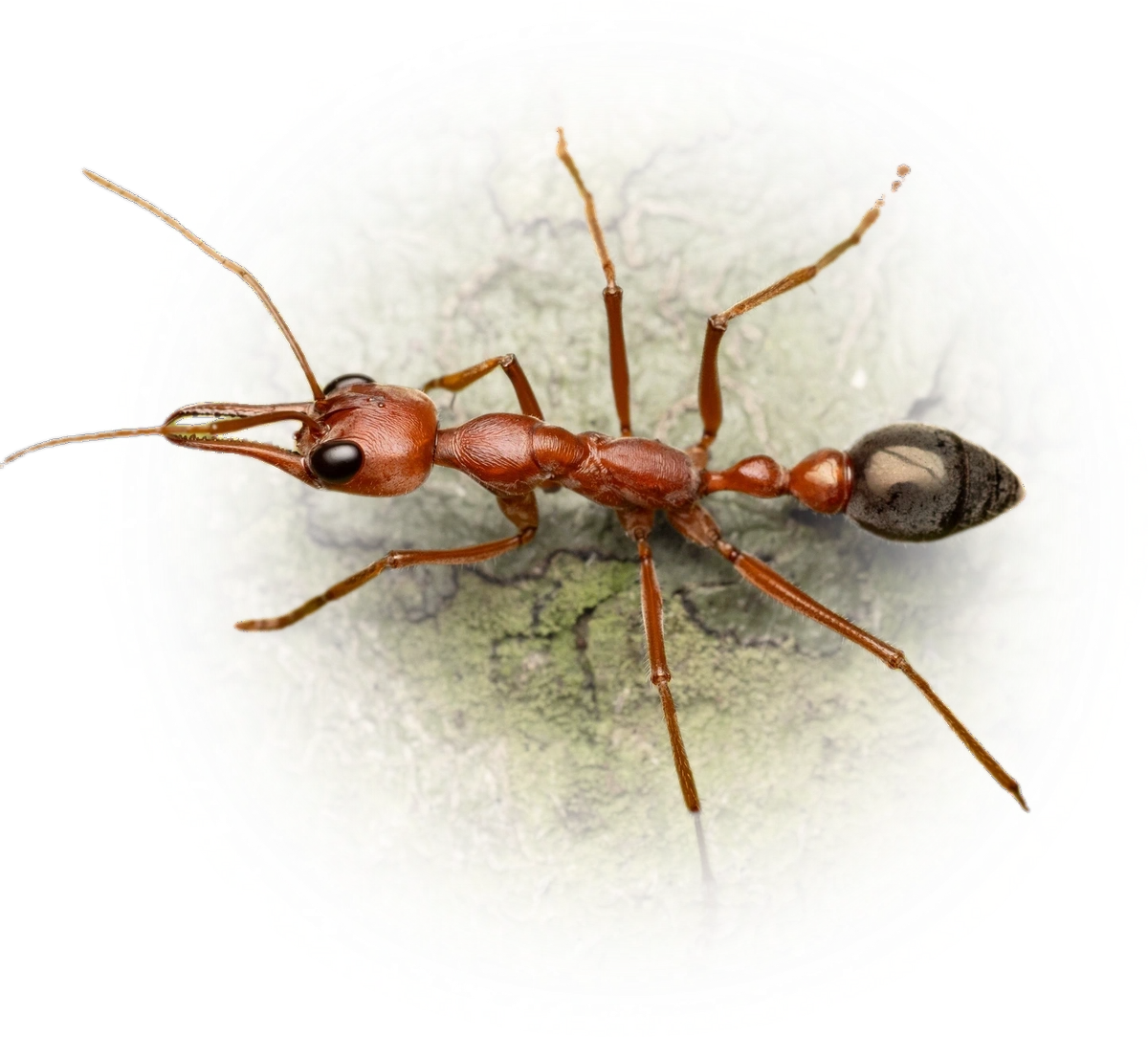
Myrmecia brevinoda
- Scientific Name
- Myrmecia brevinoda
- Tribe
- Myrmeciini
- Subfamily
- Myrmeciinae
- Author
- Forel, 1910
- Common Name
- Giant Bulldog Ant
- Distribution
- Found in 1 countries
- Nuptial Flight
- from February to March, peaking in March
AI Identifiable
try →
Myrmecia brevinoda Overview
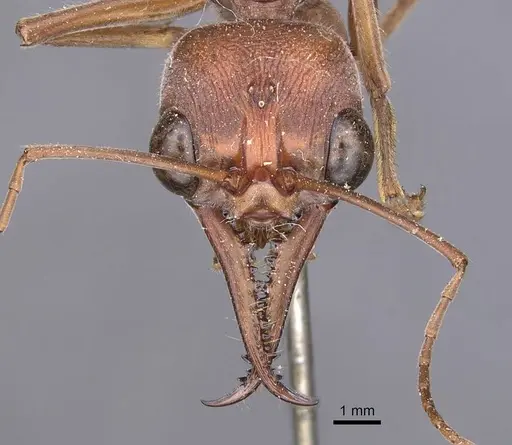
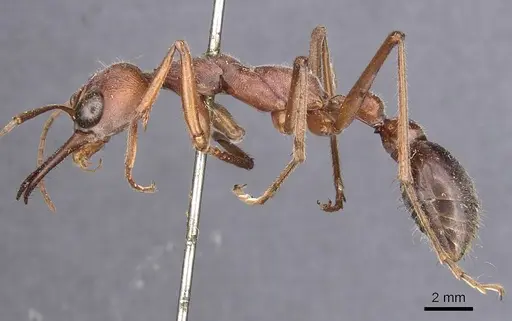
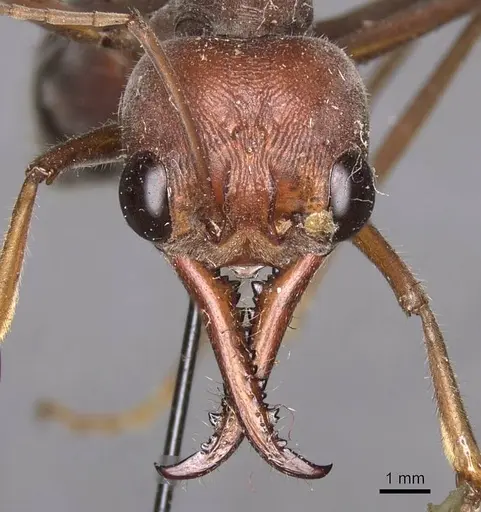
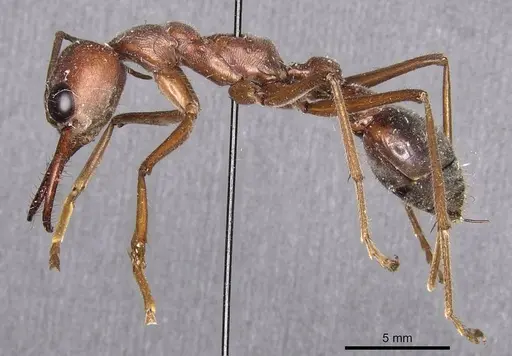
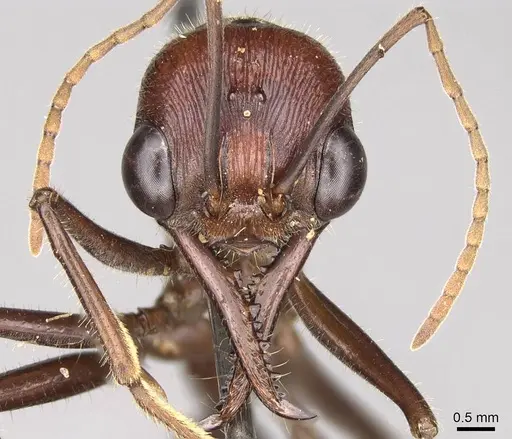
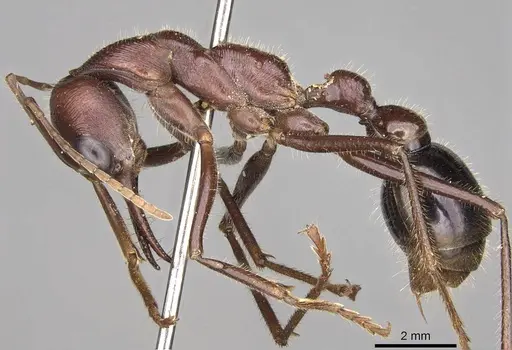
Myrmecia brevinoda (commonly known as the Giant Bulldog Ant) is an ant species of the genus Myrmecia. It is primarily documented in 1 countries , including Australia. Detailed taxonomic data and occurrence records can be further explored via authoritative databases such as AntWeb or the Global Biodiversity Information Facility (GBIF).
The nuptial flight of Myrmecia brevinoda is a significant biological event, typically occurring from February to March, peaking in March. During this time, winged queens and males leave the nest to mate and establish new colonies.
Myrmecia brevinoda - "Giant Bulldog Ant"
Myrmecia brevinoda is one of the largest ant species in the world, with workers ranging from 13-36mm in length and queens reaching 31mm [1]. These impressive ants belong to the gulosa species group and are native to eastern Australia, ranging from tropical northern Queensland to temperate Victoria [1][2]. They build distinctive large soil mounds that can reach 70cm tall, with complex tunnel networks extending over a meter deep [3]. Workers exhibit size polymorphism with two distinct size classes, larger workers handle hunting and defense while smaller workers focus on nest excavation [3]. This species shows remarkable social flexibility with polygyny (multiple queens), polyandry (multiple mating), and polydomy (multiple nest sites) all documented within the same colonies [4].
Quick Summary
- Difficulty: Medium
- Origin & Habitat: Eastern Australia, from tropical Queensland (approx. 16°S) to warm-temperate Victoria (approx. 39°S). Inhabit mesic to wet climates in Eucalyptus-Casuarina woodland [3][2].
- Colony Type: Polygyny, colonies can have multiple queens. One documented nest contained 2576 workers and 1 queen [3]. Ergatoid (wingless) queens have been described alongside winged queens [5]. Co-occurrence of polygyny and polyandry confirmed through genetic studies [4].
- Colony: Polygyne
- Founding: Claustral
- Size & Growth:
- Queen: 31 mm [1]
- Worker: 13-36 mm [3]
- Colony: Up to 2576 workers documented in a single colony [3]
- Growth: Moderate, based on typical Myrmecia development patterns
- Development: Estimated 8-12 weeks based on genus patterns (no direct species data) (Development time inferred from related Myrmecia species, actual timing may vary)
- Antkeeping:
- Temperature: Keep around 22-26°C. This species tolerates a wide range from cool temperate to tropical conditions, median MAT of 17.0°C across range, coldest quarter averages 11.6°C [2]. Provide a temperature gradient allowing workers to self-regulate.
- Humidity: Mesic to wet conditions, maintain moderate to high humidity in the nest area. Native to wet climates of eastern Australia [2].
- Diapause: Likely, based on temperate distribution (Victoria). Should experience a cool period during winter months corresponding to their native range [2].
- Nesting: Large, deep nests required. In captivity, provide a spacious formicarium with deep substrate (at least 15-20cm) for tunnel construction. They build complex mound structures with networks of tunnels extending to 120cm depth in the wild [3].
- Behavior: Highly aggressive and defensive, these are bulldog ants known for their painful stings. Workers forage solitarily and are powerful predators, hunting cicadas, other ants, termites, caterpillars and locusts [3]. They exhibit size polyethism where larger workers engage in hunting and defense while smaller workers handle nest excavation [3]. Escape prevention is straightforward given their large size, standard barriers work well. Queens can be winged or ergatoid (wingless replacement reproductives).
- Common Issues: Large size requires spacious housing, cramped nests lead to stress and abandonment, Their painful sting makes them a handling risk, use caution during colony maintenance, Slow colony growth in the first year requires patience, Multiple queens may cause initial aggression when establishing colonies, monitor closely, Wild colonies may have parasites that can affect captive populations
Nuptial Flight Activity Analysis 155 observations
Flight Activity by Hour 155 observations
Myrmecia brevinoda nuptial flight activity peaks around 13:00 during the late morning to early afternoon. Activity is spread across a 16-hour window (06:00–21:00). A secondary activity peak occurs around 11:00. Times may be influenced by human observation patterns.
Housing and Nest Requirements
Myrmecia brevinoda requires spacious housing due to their large size and colony size potential. In the wild, they build elaborate mound nests reaching 70cm tall with tunnel networks extending 120cm deep [3]. For captive colonies, use a large formicarium with deep substrate (at least 15-20cm) to allow natural tunnel construction. Acrylic nests with large chambers work well, or you can create a naturalistic setup with soil substrate. Because they are strong foragers and builders, ensure the escape barriers are secure, though their large size makes escape less problematic than with tiny ants. Provide a water tube and sugar water constant, plus protein prey 2-3 times weekly.
Feeding and Diet
Myrmecia brevinoda are specialist predators in the wild, hunting a variety of insects including cicadas, other ant species (Camponotus, Rhytidoponera metallica, Polyrhachis), termite alates, caterpillars and locusts [3]. They forage solitarily rather than in groups [6]. In captivity, offer live insects such as crickets, mealworms, and other appropriately-sized prey. They will likely accept soft-bodied insects more readily. Sugar water or honey should be provided as an energy source, though protein prey is essential for brood development. Feed protein prey 2-3 times weekly and keep sugar water available at all times.
Temperature and Seasonal Care
This species tolerates a remarkable temperature range in the wild, from tropical Queensland (median MAT 19.4°C for the large form) to cool-temperate Victoria (coldest quarter mean 11.6°C) [2]. In captivity, maintain temperatures around 22-26°C with a slight gradient allowing the colony to self-regulate. Given their wide geographic range, they likely benefit from a seasonal cool period mimicking Australian winter conditions. Reduce feeding and keep them in a cool location (around 15-18°C) for 2-3 months during winter, this supports natural colony cycles and may improve long-term colony health.
Colony Structure and Social Organization
Myrmecia brevinoda shows remarkable social complexity. Colonies can be polygynous (multiple queens) and genetic studies confirm polyandry (queens mate with multiple males) within the same colonies [4]. Maximum mating frequencies range from 9-12 males per queen [4]. Workers exhibit size polymorphism with two broad size classes that overlap, smaller workers dominate the lower nest regions while larger workers prevail in upper mound areas [3]. This size polyethism means larger workers handle hunting, defense, and external building, while smaller workers excavate soil from inside the nest [3]. The presence of both winged and ergatoid (wingless) queens has been documented, allowing for queen replacement if needed [5].
Defense and Sting Risk
Myrmecia brevinoda is a bulldog ant, they are aggressive defenders of their nest and deliver painful stings. This species has been documented in Australian ant venom allergy studies, confirming their medical significance [7]. When disturbed, workers will readily attack and the sting can cause severe reactions in sensitive individuals. Handle with extreme caution, use minimal disturbance to the nest and plan any maintenance work carefully. For keepers with allergies to insect stings, this species presents elevated risk. The large size of workers means their sting is more easily felt than smaller ant species.
Frequently Asked Questions
How long does it take for Myrmecia brevinoda to produce first workers?
Based on typical Myrmecia development patterns, expect 8-12 weeks from egg to first worker. This is an estimate since specific development timing for this species hasn't been directly documented.
Can I keep multiple Myrmecia brevinoda queens together?
Yes, this species is naturally polygynous, meaning colonies can have multiple queens. However, when introducing unrelated queens, monitor for initial aggression until they establish hierarchy.
What do Myrmecia brevinoda eat?
They are predatory ants that hunt insects including cicadas, other ants, termites, caterpillars and locusts [3]. In captivity, feed live crickets, mealworms, and similar insects plus sugar water or honey for energy.
How big do Myrmecia brevinoda colonies get?
Documented colonies can reach over 2500 workers [3]. The largest known nest contained 2576 workers plus a queen, this is the largest Myrmecia colony ever reported.
What temperature do Myrmecia brevinoda need?
Keep them around 22-26°C. They tolerate a wide range from cool (11.6°C coldest quarter in their temperate range) to tropical conditions [2]. A temperature gradient is ideal.
Are Myrmecia brevinoda good for beginners?
This is a medium-difficulty species. Their large size makes housing easier than tiny ants, but their painful sting and specific dietary needs (live prey) require some experience. They are not recommended as a first ant but are manageable for intermediate keepers.
Do Myrmecia brevinoda need hibernation?
Likely yes, given their temperate distribution into Victoria. Provide a cool period around 15-18°C for 2-3 months during winter to support natural colony cycles.
When should I move Myrmecia brevinoda to a formicarium?
Move them once the colony reaches 20-30 workers and the founding claustral chamber is becoming cramped. Given their large size and tunneling behavior, provide a spacious formicarium early.
Why are my Myrmecia brevinoda workers dying?
Common causes include: stress from inadequate space, poor nutrition (they need live protein prey), incorrect humidity, or disturbance to the nest. Also check for parasites which can affect wild-caught colonies.
References

This caresheet is licensed under CC BY-SA 4.0 .
CASENT0907079
View on AntWeb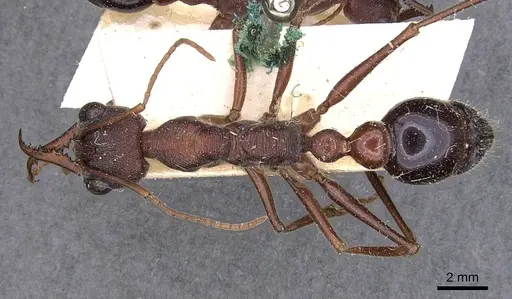
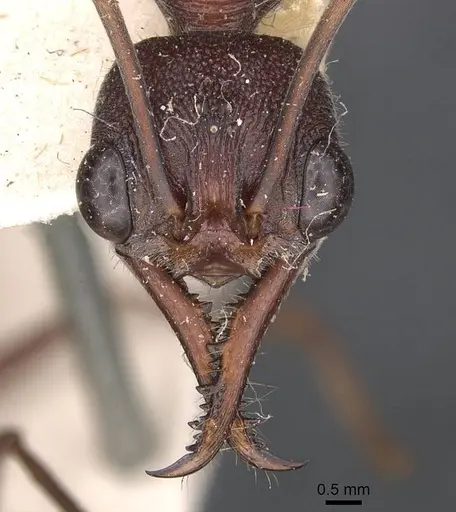
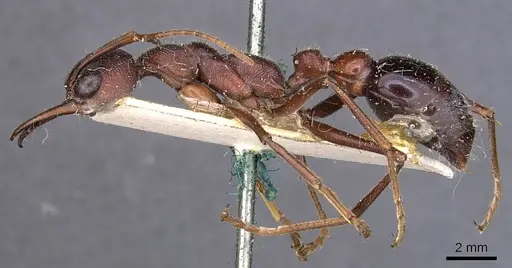
CASENT0907081
View on AntWeb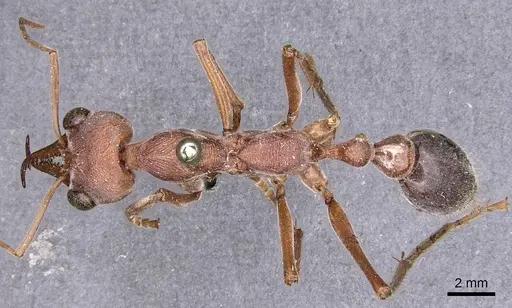
CASENT0907092
View on AntWeb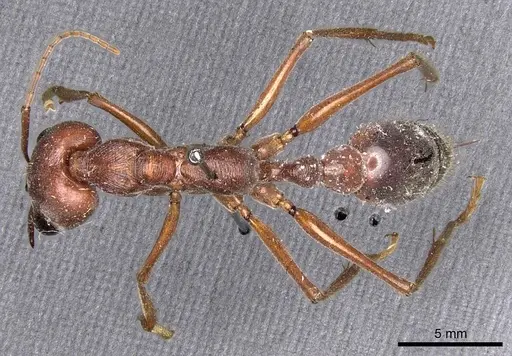
CASENT0914025
View on AntWeb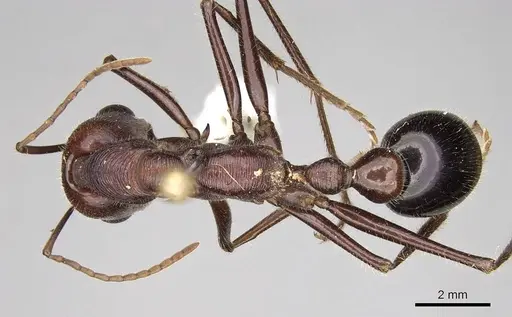
Literature
Loading...Loading products...