

Myrmecia auriventris
- Scientific Name
- Myrmecia auriventris
- Tribe
- Myrmeciini
- Subfamily
- Myrmeciinae
- Author
- Mayr, 1870
- Distribution
- Found in 1 countries
Myrmecia auriventris Overview
Myrmecia auriventris is an ant species of the genus Myrmecia. It is primarily documented in 1 countries , including Australia. Detailed taxonomic data and occurrence records can be further explored via authoritative databases such as AntWeb or the Global Biodiversity Information Facility (GBIF).
Myrmecia auriventris
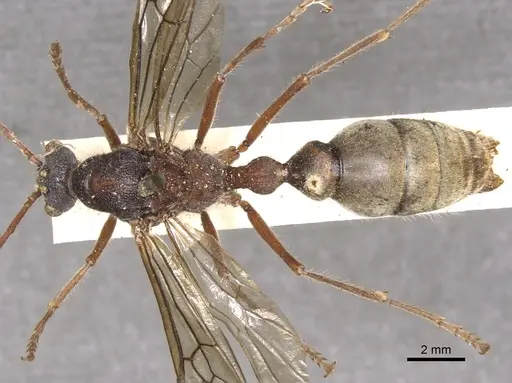
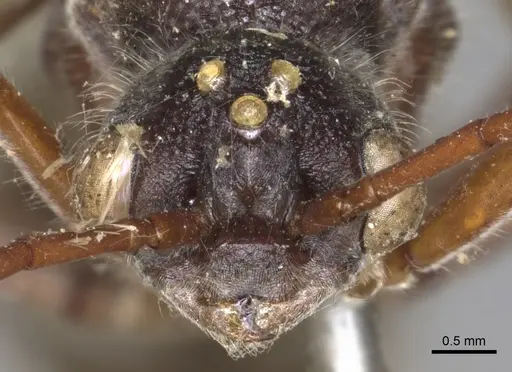
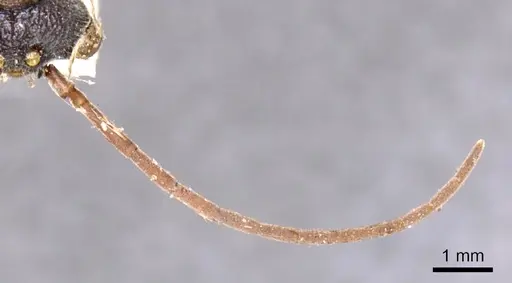
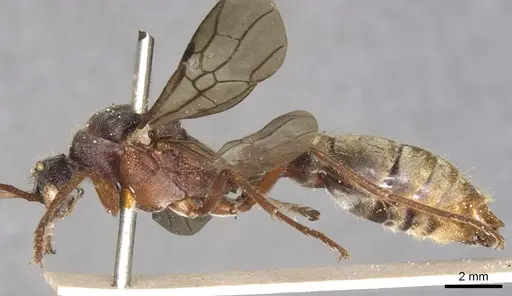
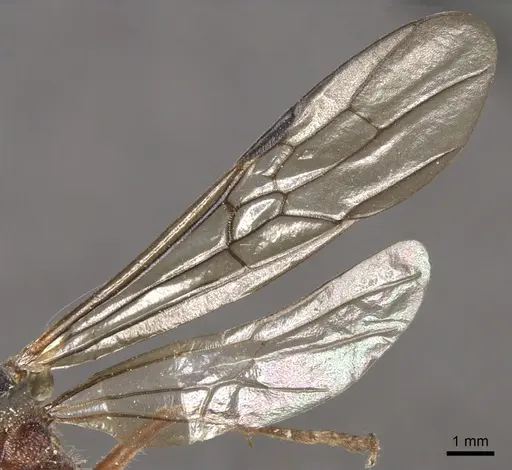
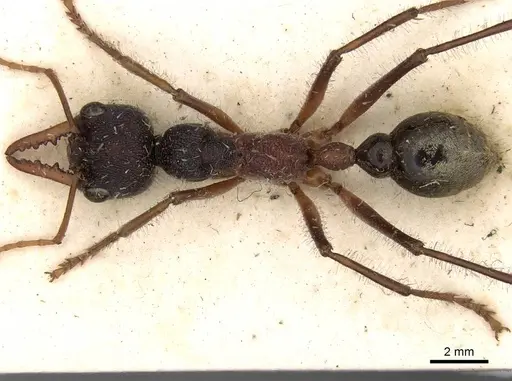
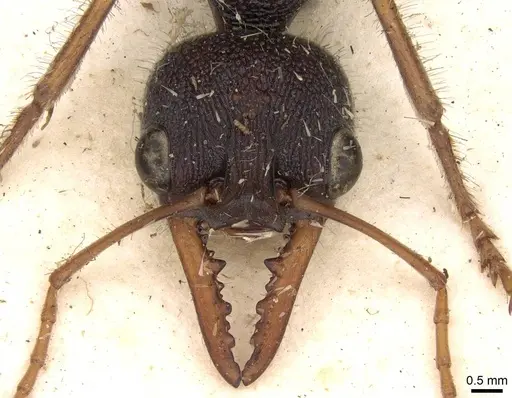
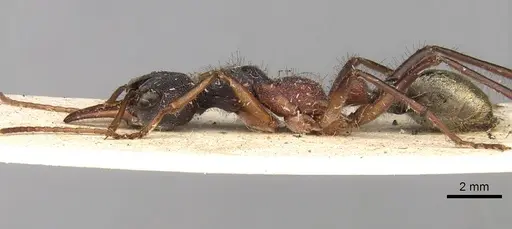
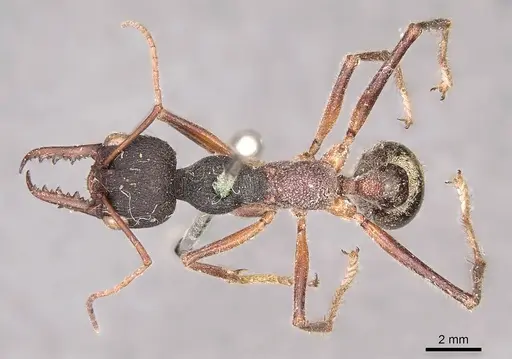
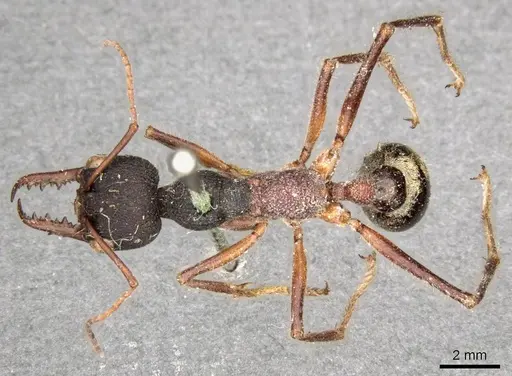
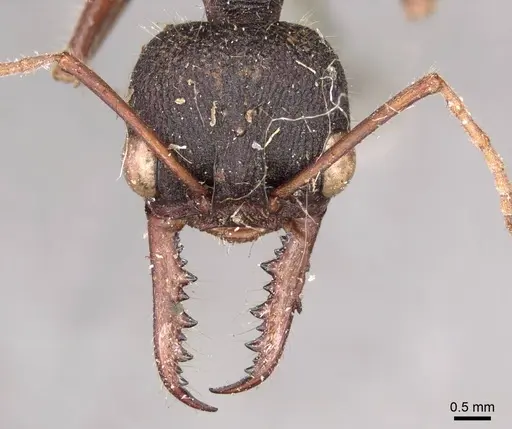
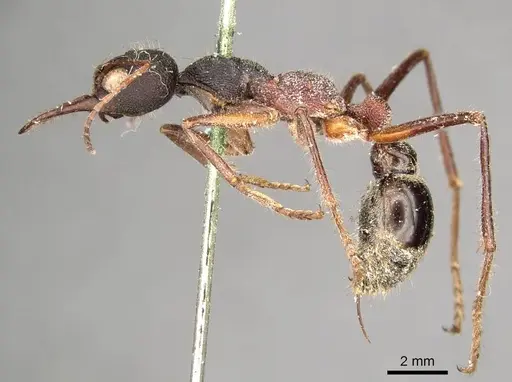
Myrmecia auriventris is a large and striking bulldog ant from Queensland, Australia. Workers measure an impressive 18-20mm, making them one of the larger Myrmecia species [1]. They have a distinctive appearance with a black body contrasted by rusty red (ferruginous) markings on the posterior half of the thorax and the anterior node of the petiole. Their legs and antennae are reddish-ferruginous, and the abdomen features a distinctive golden pubescence that gives them a slightly fuzzy appearance [1]. This species belongs to the gulosa species group, which contains around 42 Myrmecia species [2].
As a bulldog ant, M. auriventris is a active predator with a potent sting. These ants are known for their excellent vision and aggressive defense of their nest. They are among the more visually striking Australian ants due to their bold coloration and substantial size. In the wild, they typically nest in soil or under stones in warm, sheltered locations.
Quick Summary
- Difficulty: Medium
- Origin & Habitat: Queensland, Australia, found in Port Mackay, Cape York, and Percy Island [1][3]. They inhabit warm, subtropical to tropical regions and typically nest in soil or under stones in sheltered locations.
- Colony Type: Likely monogyne (single queen) based on typical Myrmecia colony structure. Queens are substantial and well-provisioned for claustral founding.
- Colony: Monogyne
- Founding: Claustral
- Size & Growth:
- Queen: Estimated 22-25mm based on worker size and typical Myrmecia queen morphology
- Worker: 18-20mm [1]
- Colony: Likely several hundred workers based on typical Myrmecia colony development
- Growth: Moderate, Myrmecia species typically grow steadily but not rapidly
- Development: Estimated 8-12 weeks based on related Myrmecia species at optimal temperature (Development time is temperature-dependent, warmer conditions (24-28°C) accelerate development)
- Antkeeping:
- Temperature: Keep nest area at 24-28°C during active season. Myrmecia prefer warm conditions. A heating cable on one side of the nest creates a temperature gradient allowing ants to self-regulate.
- Humidity: Moderate humidity around 50-60%. These ants prefer drier conditions compared to many tropical ants. Allow substrate to dry partially between water additions.
- Diapause: Not typically required for Australian subtropical species, but a slight cooldown period (15-18°C) during winter months may benefit colonies.
- Nesting: Y-tong (AAC) nests work well due to their large size. They also do well in naturalistic setups with soil chambers or in acrylic nests with spacious chambers. Provide a deep water reservoir.
- Behavior: Myrmecia auriventris is an aggressive, active forager with excellent vision. Workers will readily defend the nest and have a painful sting. They are diurnal hunters, actively searching for prey during daylight hours. These ants are excellent climbers and can scale smooth surfaces, so escape prevention must be excellent despite their larger size. They are predatory and will take a variety of insects and arthropods.
- Common Issues: sting pain, these ants have potent stings and should be handled with care, escape risk, excellent climbers despite size, need secure barriers, slow founding, claustral queens take time to establish, beginners may lose patience, predatory nature requires constant protein food source, not suitable for keepers wanting low-maintenance colonies, large size requires spacious nests and outworlds
Housing and Nest Setup
Myrmecia auriventris requires spacious housing due to their large 18-20mm worker size. Y-tong (AAC) nests are an excellent choice as they provide appropriate chamber sizes and allow for proper humidity control. Acrylic nests with large chambers also work well. The outworld should be spacious enough for workers to hunt and explore. Because these ants are excellent climbers, apply Fluon or similar barrier to all surfaces. Provide a test tube or other water reservoir connected to the nest for drinking water. A naturalistic setup with a soil-filled area can also work well and allows the ants to dig if they choose. [1]
Feeding and Diet
Myrmecia auriventris is a predatory ant that requires a protein-rich diet. Feed them a variety of small invertebrates such as crickets, mealworms, roaches, and other insects appropriate to their size. They will also accept sugar sources such as honey water or sugar water, especially once workers are established. In the wild, they hunt insects and also tend aphids for honeydew. Feed protein prey 2-3 times per week, and keep a constant sugar source available. Remove uneaten prey after 24-48 hours to prevent mold. Workers are active hunters and will readily take down prey larger than themselves.
Temperature and Seasonal Care
These Australian bulldog ants prefer warm conditions. Maintain nest temperature between 24-28°C during the active season for optimal brood development. A heating cable placed on one side of the nest creates a gradient that allows ants to regulate their own temperature. During winter or cooler months, room temperature (around 18-22°C) is acceptable, though activity will decrease. Unlike temperate species, they do not require a true diapause, but a slight reduction in temperature during winter months mimics their natural seasonal cycle and may benefit colony health.
Behavior and Temperament
Myrmecia auriventris is an aggressive species with a potent sting. Workers have excellent vision and will readily investigate disturbances near their nest. They are diurnal foragers, actively hunting during daylight hours. Their sting is medically significant and can cause significant pain, swelling, and in rare cases, allergic reactions. Always use caution when working with this species. Despite their larger size, they are excellent climbers and can escape through small gaps. Apply escape prevention to all enclosures. They are not suitable for keepers who want a hands-off ant species. [2]
Colony Development
As a claustral species, the queen seals herself in a chamber and raises the first brood alone without foraging. She relies on stored fat reserves and metabolic energy to survive and feed her larvae. The first workers (nanitics) are typically smaller than mature workers but will rapidly grow as the colony expands. Development from egg to worker takes approximately 8-12 weeks at optimal temperature. Once established, colonies grow steadily but not explosively. A mature colony may contain several hundred workers. Myrmecia colonies are long-lived, with queens potentially living for decades in captivity.
Frequently Asked Questions
How long does it take for Myrmecia auriventris to produce first workers?
Expect first workers (nanitics) in approximately 8-12 weeks at optimal temperature (24-28°C). This timeline is temperature-dependent, warmer conditions speed development while cooler temperatures slow it.
Does Myrmecia auriventris have a painful sting?
Yes, Myrmecia ants have potent stings. Their sting is medically significant and can cause significant pain, swelling, and in rare cases, allergic reactions. Handle with extreme caution.
What do Myrmecia auriventris ants eat?
They are predatory ants that need a protein-rich diet. Feed them insects like crickets, mealworms, and roaches. They also accept sugar sources like honey water. Feed protein 2-3 times per week with constant sugar water available.
Can I keep multiple Myrmecia auriventris queens together?
Myrmecia are typically monogyne (single queen) species. Combining unrelated queens is not recommended as they will likely fight. A single established queen colony is the standard approach.
Do Myrmecia auriventris need hibernation?
No, they do not require true hibernation. As a subtropical Australian species, they prefer year-round warmth. A slight temperature reduction during winter (to around 18-22°C) is acceptable but not required.
How big do Myrmecia auriventris colonies get?
Mature colonies likely reach several hundred workers. Myrmecia colonies are long-lived and can persist for many years with a healthy queen.
Are Myrmecia auriventris good for beginners?
They are rated medium difficulty. While their large size makes them visually impressive, their potent sting, escape artist abilities, and predatory feeding requirements make them better suited for keepers with some antkeeping experience.
What size enclosure do Myrmecia auriventris need?
They need spacious enclosures due to their large 18-20mm worker size. Use Y-tong nests with large chambers or spacious acrylic nests. The outworld should be roomy enough for hunting and exploration.
How do I set up a temperature gradient for Myrmecia auriventris?
Use a heating cable or heating mat on one side of the nest only, not the entire enclosure. This creates a warm side and cool side, allowing ants to regulate their body temperature by moving between areas. Aim for 24-28°C in the warm zone.
Why is my Myrmecia auriventris colony dying?
Common causes include: incorrect temperature (too cold slows development, too hot causes stress), low humidity, insufficient protein food, or escape. Also ensure they have constant access to water. Check that the nest environment matches their warm, moderately dry preferences.
References

This caresheet is licensed under CC BY-SA 4.0 .
Literature
Loading...Loading products...