

Myrmecia athertonensis
- Scientific Name
- Myrmecia athertonensis
- Tribe
- Myrmeciini
- Subfamily
- Myrmeciinae
- Author
- Forel, 1915
- Distribution
- Found in 1 countries
Myrmecia athertonensis Overview
Myrmecia athertonensis is an ant species of the genus Myrmecia. It is primarily documented in 1 countries , including Australia. Detailed taxonomic data and occurrence records can be further explored via authoritative databases such as AntWeb or the Global Biodiversity Information Facility (GBIF).
Myrmecia athertonensis
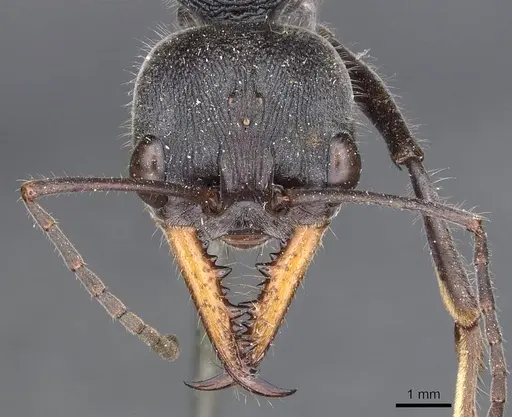
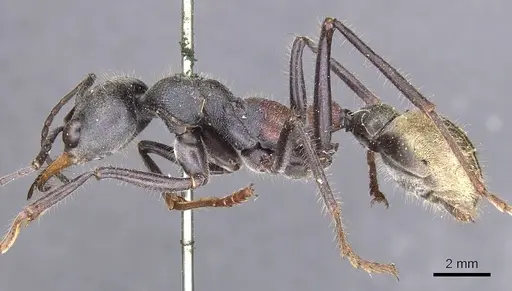
Myrmecia athertonensis is a large Australian bulldog ant species native to the Atherton Tablelands region of Queensland. These ants are immediately recognizable by their robust build, powerful mandibles, and distinctive appearance, workers typically measure 12-18mm with a dark reddish-brown to black coloration. As with other Myrmecia species, they possess a potent sting and are known for their aggressive defensive behavior when threatened. The species is part of the iconic Australian ant fauna, named after the Atherton region where it is found.
Quick Summary
- Difficulty: Medium
- Origin & Habitat: Endemic to the Atherton Tablelands in Queensland, Australia. In nature, these ants typically nest in soil or under stones in forested areas, preferring warm, subtropical conditions [1].
- Colony Type: Likely monogyne (single queen colony) based on typical Myrmecia patterns. Queens found nests independently and seal themselves in during claustral founding.
- Colony: Monogyne
- Founding: Claustral
- Size & Growth:
- Queen: Estimated 18-22mm based on genus patterns for medium-sized Myrmecia species
- Worker: 12-18mm [1]
- Colony: Colony size estimates unclear, Myrmecia colonies can reach several thousand workers over many years
- Growth: Moderate, Myrmecia species typically grow slower than smaller ants, taking several months to establish
- Development: Estimated 8-12 weeks based on related Myrmecia species at optimal temperature (Development time is temperature-dependent, warmer conditions accelerate development. First workers (nanitics) are smaller than mature workers.)
- Antkeeping:
- Temperature: Keep nest area at 24-28°C with a slight gradient. Room temperature (22-25°C) is acceptable. Avoid temperatures below 20°C as this slows activity and development.
- Humidity: Moderate humidity around 50-60%. Nest substrate should be kept slightly moist but not waterlogged. Provide a water tube for drinking.
- Diapause: Yes, these ants are adapted to Australian subtropical conditions and benefit from a cool period during winter months (12-15°C for 2-3 months).
- Nesting: Y-tong (acrylic) nests or plaster nests work well. Provide narrow chambers appropriate for their medium-large size. They prefer dark, secure nesting sites.
- Behavior: Highly defensive and aggressive. Workers will readily attack threats and deliver painful stings. They are active foragers that hunt insects and will scavenge. Escape risk is moderate, their larger size makes them easier to contain than tiny ants, but they are strong climbers. Excellent escape prevention is still recommended.
- Common Issues: stings are very painful and can cause allergic reactions, handle with extreme caution, colonies grow slowly and beginners may lose patience or overfeed, test tube setups can fail if water reservoir floods the colony, wild-caught colonies may have parasites that cause problems in captivity, slow growth means founding colonies are vulnerable to stress
Housing and Nest Setup
Myrmecia athertonensis does well in Y-tong (acrylic) nests or plaster formicariums. These provide the dark, secure environment they prefer. The chambers should be appropriately sized for medium-large ants, avoid chambers that are excessively large as this can stress the colony. A test tube setup can work for founding colonies, but monitor water levels carefully to prevent flooding. Provide an outworld for foraging with a shallow water dish and feeding area. Use escape prevention appropriate for their size, while not as tiny as some species, they are excellent climbers and will escape through small gaps. [1]
Feeding and Diet
In captivity, Myrmecia athertonensis accepts a varied diet. Feed them live insects such as crickets, mealworms, and roaches as their primary protein source, these ants are active hunters and prefer moving prey. They also readily accept sugar sources including honey water, sugar water, and occasionally fruit. Feed protein prey 2-3 times per week, and keep a constant sugar water supply. Remove uneaten prey after 24 hours to prevent mold. Fresh water should always be available.
Temperature and Seasonal Care
Maintain nest temperatures between 24-28°C for optimal colony development. A heating cable or mat on one side of the nest creates a temperature gradient allowing ants to regulate their own exposure. During Australian winter (roughly June-August in their native range), reduce temperatures to 12-15°C for a diapause period. This mimics their natural seasonal cycle and helps maintain colony health long-term. Do not feed during diapause but keep water available. Gradually warm the colony back to normal temperatures in spring.
Handling and Safety
Myrmecia athertonensis has a potent sting and exhibits aggressive defensive behavior. These ants should only be kept by experienced antkeepers who understand the risks. Never handle them directly, use tools for nest maintenance and avoid disturbing the colony. If you need to move or inspect the nest, do so carefully and with proper protection. Their sting is described as very painful and can cause allergic reactions in sensitive individuals. Keep the colony in a location away from children and pets. [1]
Growth and Development
Myrmecia colonies grow more slowly than many common ant species. After the queen lays her first eggs, expect 8-12 weeks until the first workers (nanitics) emerge. These first workers are smaller than mature workers but will begin foraging to support the colony. Growth rate depends heavily on temperature, warmer conditions accelerate development but should not exceed 30°C. A healthy established colony can eventually reach several thousand workers over several years. Patience is essential with this species.
Frequently Asked Questions
How long does it take for Myrmecia athertonensis to get first workers?
Expect 8-12 weeks from egg to first worker at optimal temperature (24-28°C). This is slower than many common ant species, so patience is required.
What do I feed Myrmecia athertonensis?
Feed live insects (crickets, mealworms, roaches) 2-3 times per week as primary food. Provide constant access to sugar water or honey water. Fresh water must always be available.
What temperature do Myrmecia athertonensis need?
Keep the nest at 24-28°C with a slight gradient. Room temperature (22-25°C) is acceptable. Avoid temperatures below 20°C for extended periods.
Do Myrmecia athertonensis need hibernation?
Yes, they benefit from a winter rest period. Reduce temperatures to 12-15°C for 2-3 months during winter months to mimic their natural seasonal cycle.
Are Myrmecia athertonensis good for beginners?
No, this species is not recommended for beginners. Their aggressive behavior and potent sting require experienced handling. They also grow slowly, requiring patience.
How big do Myrmecia athertonensis colonies get?
Mature colonies can reach several thousand workers over several years. Growth is slow, expect several months to a year before you have more than 50 workers.
Can I keep multiple Myrmecia athertonensis queens together?
Myrmecia species are typically monogyne (single queen). Combining unrelated queens is not recommended and likely to result in fighting.
Why is my Myrmecia athertonensis colony dying?
Common causes include: temperature stress (too cold or too hot), improper humidity (too dry or waterlogged), overfeeding, or parasites from wild-caught colonies. Review your care conditions and ensure all parameters are within acceptable ranges.
References

This caresheet is licensed under CC BY-SA 4.0 .
CASENT0907075
View on AntWeb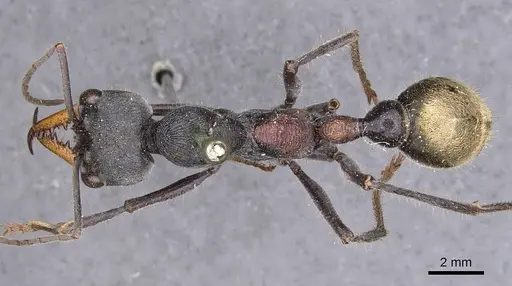
Literature
Loading...Loading products...