

Myrmecia arnoldi
- Scientific Name
- Myrmecia arnoldi
- Tribe
- Myrmeciini
- Subfamily
- Myrmeciinae
- Author
- Clark, 1951
- Distribution
- Found in 1 countries
Myrmecia arnoldi Overview
Myrmecia arnoldi is an ant species of the genus Myrmecia. It is primarily documented in 1 countries , including Australia. Detailed taxonomic data and occurrence records can be further explored via authoritative databases such as AntWeb or the Global Biodiversity Information Facility (GBIF).
Myrmecia arnoldi
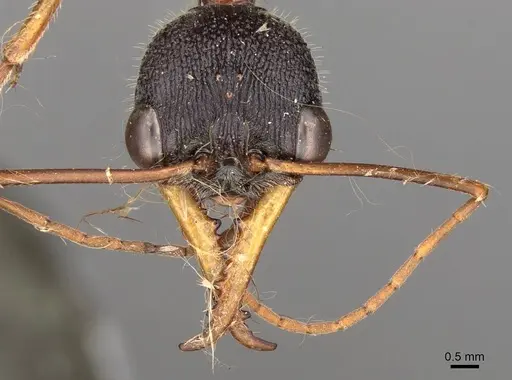
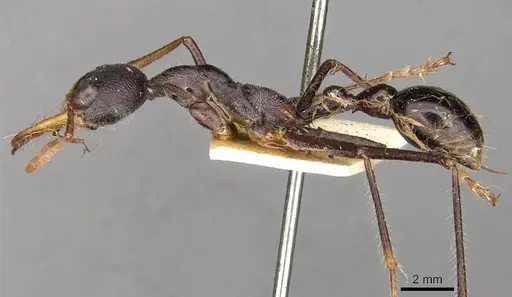
Myrmecia arnoldi is a large, aggressive bulldog ant native to southwestern Australia, ranging from Western Australia to southern South Australia [1]. Workers are robust ants with the characteristic powerful mandibles and painful sting typical of Myrmecia species. As part of the gulosa species group, these ants are predatory hunters that actively forage for insects and other small prey. The species was formally described by Clark in 1951 from specimens collected at Emu Rock and Ravensthorpe in Western Australia [1].
Quick Summary
- Difficulty: Medium
- Origin & Habitat: Southwestern Australia, from Western Australia to southern South Australia. They inhabit dry to semi-arid woodland and scrubland habitats where they nest in soil or under stones [1].
- Colony Type: Monogyne, single queen colonies. Queens found new nests claustrally, sealing themselves in to raise their first workers alone.
- Colony: Monogyne
- Founding: Claustral
- Size & Growth:
- Queen: Estimated 18-22mm based on genus Myrmecia patterns
- Worker: Estimated 12-18mm based on genus Myrmecia patterns
- Colony: Likely up to several hundred workers based on typical Myrmecia colony sizes
- Growth: Moderate, typical for Myrmecia genus
- Development: Estimated 8-12 weeks based on related Myrmecia species development (Development time depends on temperature, warmer conditions accelerate development)
- Antkeeping:
- Temperature: Keep nest area around 24-28°C with a slight gradient. Room temperature (22-25°C) is suitable for most of the year. Provide gentle heating if needed during colony growth phases
- Humidity: Low to moderate humidity. These are dry-adapted ants from southwestern Australia. Keep nest substrate moderately dry with a small water reservoir for drinking. Avoid overly damp conditions
- Diapause: Yes, a winter rest period is recommended. Reduce temperature to 10-15°C for 2-3 months during Australian winter (June-August in the Southern Hemisphere)
- Nesting: Y-tong (AAC) nests or naturalistic setups with soil chambers work well. Provide deep soil or sand substrate for nesting. Flat stones or other cover can be used in naturalistic setups. Ensure nest chambers are appropriately sized for their large body size
- Behavior: Highly aggressive with a painful sting. Workers actively hunt and will defend the colony vigorously. They are daytime foragers, hunting insects and collecting honeydew. Escape prevention is important given their size and climbing ability, use fluon on edges and ensure enclosures have secure lids. Their vision is excellent and they will investigate disturbances quickly
- Common Issues: sting pain, these ants have potent venom and will sting readily when threatened, escape risk, large size and excellent climbing ability means secure enclosures are essential, colonies can be slow to establish, patience is needed during the founding phase, aggressive temperament makes observation difficult without disturbing the colony, winter mortality, improper diapause conditions can kill colonies
Housing and Nest Setup
Myrmecia arnoldi is a large species that needs appropriately sized housing. Y-tong (AAC) nests work well because they provide dark, secure chambers and allow you to observe the colony easily. The chambers should be sized for their body size, these are substantial ants. For naturalistic setups, use a deep soil or sand substrate in an outworld setup with hiding spots like flat stones or pieces of bark. A water test tube with a cotton plug should always be available as a drinking source. Given their excellent climbing ability, apply fluon or another barrier to the upper edges of any enclosure to prevent escapes. The outworld should be spacious enough for workers to hunt and forage for prey.
Feeding and Diet
Myrmecia arnoldi is a predatory species that hunts insects and other small arthropods. Feed workers small live insects like crickets, mealworms, and flies. They will also accept dead prey, but live prey stimulates natural hunting behavior. As with most Myrmecia, they likely supplement their diet with honeydew from aphids and scale insects, so occasional sugar water or honey can be offered. Feed protein-rich prey 2-3 times per week, and remove any uneaten prey after 24 hours to prevent mold. Growing colonies will need more frequent feeding. Always ensure a fresh water source is available.
Temperature and Seasonal Care
These ants come from southwestern Australia, which has a Mediterranean climate with warm, dry summers and cool, wet winters. Keep the nest area at 24-28°C during the active season. Room temperature in most homes is suitable. During the Australian winter (June-August), reduce temperatures to 10-15°C to provide a proper diapause period. This mimics their natural seasonal cycle and helps maintain colony health. Do not feed during diapause but ensure water is available. Avoid keeping them too warm in winter as this can deplete the colony. In summer, ensure they have access to water and avoid overheating the nest.
Behavior and Handling
Myrmecia arnoldi is among the more aggressive Australian ant species with a potent sting. Workers are active daytime foragers that hunt prey and defend the colony aggressively. When the nest is disturbed, workers will rapidly emerge and attack. Their sting is medically significant and can cause severe pain, swelling, and in sensitive individuals, allergic reactions. Never handle these ants with bare hands. When working with the colony, use tools and minimize disturbances. Their excellent vision means they quickly notice movement outside the enclosure. Despite their aggression, observing their hunting behavior and colony organization is rewarding for experienced antkeepers.
Frequently Asked Questions
How long does it take for Myrmecia arnoldi to produce first workers?
Expect 8-12 weeks from egg to first worker at optimal temperatures. The exact time depends on temperature, warmer conditions speed development. Founding colonies can be slow, so patience is essential during the claustral phase.
Can I keep multiple Myrmecia arnoldi queens together?
No, this species is monogyne (single queen). Multiple unrelated queens will fight. Only keep one queen per colony. If you find a wild colony, it will have just one reproductive queen.
What do Myrmecia arnoldi eat?
They are predatory hunters. Feed small live insects like crickets, mealworms, and flies. They will accept dead prey but live prey encourages natural hunting behavior. Occasional sugar water or honey can be offered as a supplement. Feed protein 2-3 times per week.
Do Myrmecia arnoldi need hibernation?
Yes, a winter diapause is recommended. Reduce temperatures to 10-15°C for 2-3 months during winter (June-August in the Southern Hemisphere). This mimics their natural seasonal cycle in southwestern Australia. Do not feed during diapause but provide water.
Are Myrmecia arnoldi good for beginners?
No, this species is not recommended for beginners. Their aggressive temperament and potent sting require experienced handling. They also need specific temperature and seasonal care. Consider starting with easier species like Lasius or Tetramorium before attempting Myrmecia.
How big do Myrmecia arnoldi colonies get?
Based on typical Myrmecia patterns, colonies likely reach several hundred workers over several years. Growth is moderate, expect a few workers in the first year and steady growth thereafter.
When should I move Myrmecia arnoldi to a formicarium?
Wait until the colony has at least 20-30 workers before moving from a founding setup. Myrmecia can be moved to a Y-tong or naturalistic formicarium once the colony is established and active. Ensure the new enclosure has appropriate chamber sizes and escape prevention.
Why is my Myrmecia arnoldi colony dying?
Common causes include: improper temperature (too cold or too hot), incorrect humidity (too damp), stress from disturbance, insufficient protein food, or improper diapause. Check that water is available, temperatures are in range, and the colony is not being overfed or disturbed. Wild-caught colonies may also carry parasites.
References

This caresheet is licensed under CC BY-SA 4.0 .
CASENT0914017
View on AntWeb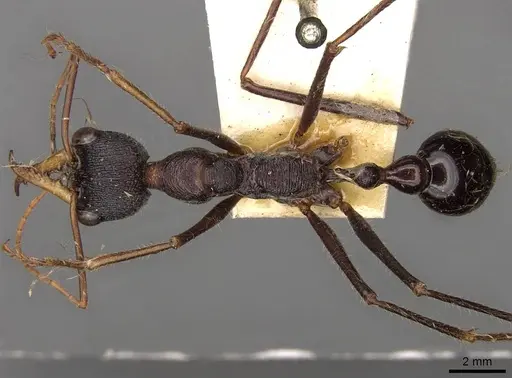
Literature
Loading...Loading products...