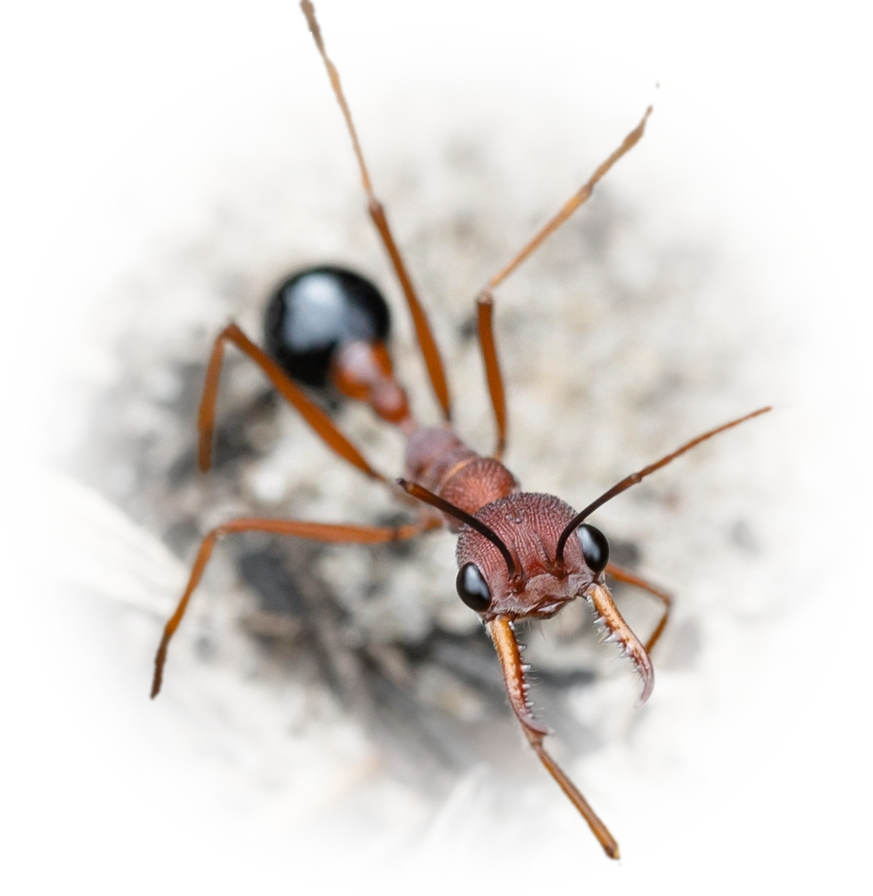

Myrmecia analis
- Scientific Name
- Myrmecia analis
- Tribe
- Myrmeciini
- Subfamily
- Myrmeciinae
- Author
- Mayr, 1862
- Distribution
- Found in 1 countries
Myrmecia analis Overview
Myrmecia analis is an ant species of the genus Myrmecia. It is primarily documented in 1 countries , including Australia. Detailed taxonomic data and occurrence records can be further explored via authoritative databases such as AntWeb or the Global Biodiversity Information Facility (GBIF).
Myrmecia analis
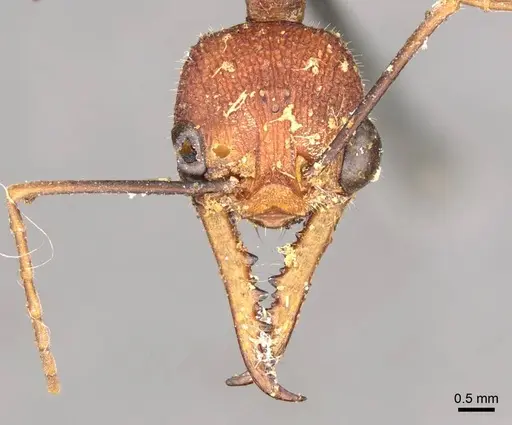
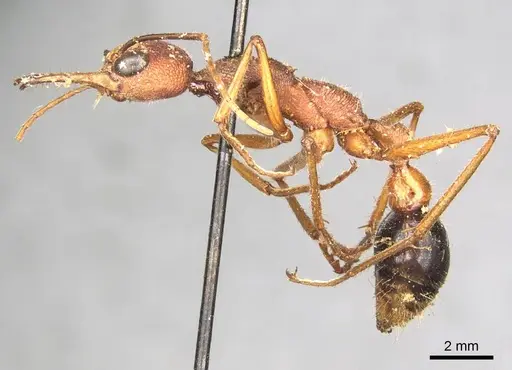
Myrmecia analis is a striking red-and-black bulldog ant native to the southern coast of Australia. Workers reach about 14mm in length, making them sizable ants with a powerful build. The most distinctive feature is the conspicuous yellow tip on the abdomen (gaster), which gives these ants a memorable appearance. Like all Myrmecia species, they possess large mandibles and a potent sting, earning them the 'bulldog' name. This species belongs to the gulosa species group and was previously known as Myrmecia analis before being recognized as the same species [1].
What makes M. analis particularly interesting is its semi-claustral founding method, unlike many ants where the queen seals herself away and lives off stored fat, this queen must leave the nest to hunt and feed her first brood. Colonies remain small, typically with only 30-50 workers, making them one of the more modest-sized Myrmecia species. This combination of small colony size and specialized founding requirements makes them a more challenging species to establish, but a rewarding one for experienced antkeepers [1].
Quick Summary
- Difficulty: Medium
- Origin & Habitat: Southern coastal Australia, found across multiple Australian states in the southern regions [1]. In the wild, they nest in soil or under stones in coastal and woodland areas.
- Colony Type: Single-queen colonies with small worker populations of typically 30-50 workers [1]. Independent colony foundation is non-claustral (semi-claustral), meaning the queen must leave to hunt during founding.
- Colony: Monogyne
- Founding: Semi-claustral
- Size & Growth:
- Queen: Larger than workers, likely 16-18mm based on genus patterns
- Worker: About 14mm [1]
- Colony: Rarely exceeds 30-50 workers [1]
- Growth: Slow, small colony size limits growth speed
- Development: Estimated 8-12 weeks based on related Myrmecia species at warm temperatures (Semi-claustral founding extends the initial development period as the queen must hunt for food)
- Antkeeping:
- Temperature: Keep at 24-28°C with a warm gradient. Australian species prefer warm conditions. A heating cable on one side of the nest creates the ideal temperature gradient [1].
- Humidity: Moderate humidity around 50-60%. Keep the nest substrate slightly moist but allow some drying areas. These are not high-humidity species.
- Diapause: Yes, a winter rest period of 2-3 months at 10-15°C is recommended to simulate Australian seasonal conditions [1].
- Nesting: Y-tong (AAC) nests work well for these large ants. They prefer tight, enclosed spaces. Naturalistic setups with soil and flat stones also work. Ensure the nest has narrow enough chambers to make them feel secure [1].
- Behavior: These ants are defensive and will readily use their potent sting if threatened. Workers are active foragers, hunting for prey rather than just collecting sugar. They are excellent climbers and can scale smooth surfaces, so escape prevention must be excellent. Despite their small colony size, they are bold and will investigate disturbances. They are diurnal, most active during warmer parts of the day. The queen participates in foraging during the founding phase, this is their natural semi-claustrl behavior [1].
- Common Issues: semi-claustral founding is difficult, queens often fail if not provided proper hunting opportunities, small colony size means slow population growth and high vulnerability to losses, potent sting makes handling risky, use caution when servicing the nest, escape artists despite size, they climb well and can squeeze through small gaps, winter dormancy must be managed properly or colonies may weaken
Nest Preferences and Setup
Myrmecia analis does well in Y-tong (acrylic) nests with chambers scaled to their 14mm worker size. They prefer tight, enclosed spaces where they can feel secure. The chambers should be narrow enough that workers can touch the ceiling with their bodies. A naturalistic setup with moist soil and flat stones also works well and mimics their natural coastal habitat. Whatever nest type you choose, ensure there are multiple chambers connected by narrow passages. These ants do not require extreme humidity, aim for moderate moisture in the substrate, with some drier areas available. A water test tube connected to the nest provides drinking water and helps maintain humidity [1].
Feeding and Diet
As predatory bulldog ants, M. analis needs a protein-rich diet. Offer small live insects like fruit flies, small crickets, mealworms, and other appropriately-sized prey. The queen will hunt during founding, so providing small prey items in the founding chamber is essential for semi-claustral species. Workers continue to be predatory as adults, though they may accept some sugar sources. A small dish of sugar water or honey water can be offered occasionally, but protein should be the primary food. Feed prey items 2-3 times per week for established colonies, ensuring all prey is consumed to prevent mold. Remove any uneaten prey after 24 hours. Fresh water should always be available [1].
Temperature and Seasonal Care
These Australian ants need warm conditions to thrive. Maintain nest temperatures between 24-28°C, with a gradient allowing workers to choose their preferred spot. A heating cable placed on top of the nest (never underneath to avoid drying) creates an ideal gradient. Room temperature alone is usually insufficient unless your home is consistently warm. During the Australian winter (roughly November to March in the southern hemisphere), colonies benefit from a 2-3 month diapause period at 10-15°C. This simulates their natural seasonal cycle and helps keep colonies healthy long-term. Reduce feeding during diapause and do not disturb the colony unnecessarily. After hibernation, gradually warm them back to active temperatures over 1-2 weeks [1].
Behavior and Handling
Myrmecia analis workers are bold, defensive, and possess a potent sting. They will not hesitate to defend the nest if disturbed. When working with these ants, move slowly and avoid sudden vibrations. If you need to move or inspect the nest, use gentle air puffs or a soft brush rather than tapping the enclosure. Their sting is medically significant, it can cause intense pain and in rare cases allergic reactions. Keep a safe distance and never handle them with bare hands. Despite their defensive nature, they are fascinating to observe. Workers are active foragers, patrolling the outworld and hunting prey. They are excellent climbers and can escape from enclosures that are not fully sealed. Check for gaps around lids and any tubing connections regularly [1].
Colony Founding
Starting a colony of M. analis requires understanding their semi-claustral founding behavior. Unlike claustral ants that seal themselves away, the queen must leave the nest to hunt for food to feed her first brood. This makes founding more challenging and success rates lower than for claustral species. Provide the founding queen with a small hunting area and offer tiny live prey items (fruit flies, small ants, pinhead crickets) regularly. The queen will catch and process these to feed her larvae. Do not disturb her excessively during this time, excessive stress causes many founding queens to abandon or eat their brood. Keep the founding setup warm (26-28°C) and humid. Once the first workers (nanitics) emerge, the colony becomes more resilient and the queen typically stops foraging, focusing on egg-laying [1].
Frequently Asked Questions
How long does it take for Myrmecia analis to have first workers?
Expect 8-12 weeks from egg to first worker at optimal temperatures (26-28°C). Semi-claustral founding extends this timeline compared to claustral species because the queen must spend time hunting to feed her brood. Be patient, rushing or disturbing the queen often leads to failure.
Can I keep multiple Myrmecia analis queens together?
No. This species forms single-queen colonies. Combining unrelated queens typically results in fighting. Even if they tolerate each other initially, one will eventually eliminate the other. Always keep only one queen per colony.
How big do Myrmecia analis colonies get?
Colonies remain small, typically reaching only 30-50 workers at maturity. This is one of the smaller Myrmecia species. The small colony size is natural for this species, not a sign of poor care.
What do I feed Myrmecia analis?
Primary food should be live small insects, fruit flies, small crickets, mealworms, and other appropriately-sized prey. They are predatory and need protein. Occasional sugar water or honey water may be accepted but should not replace protein foods. Feed prey 2-3 times per week.
Do Myrmecia analis need hibernation?
Yes, a winter rest period of 2-3 months at 10-15°C is recommended. This simulates their natural Australian seasonal cycle. Reduce feeding during this time and do not disturb the colony. Gradually warm them back to active temperatures in spring.
Are Myrmecia analis good for beginners?
No, they are not ideal for beginners. The semi-claustral founding method is more difficult than claustral species, requiring regular prey provision during founding. Their potent sting also poses a handling risk. They are better suited for antkeepers with some experience with predatory species.
When should I move Myrmecia analis to a formicarium?
Wait until the colony has at least 15-20 workers and is actively foraging in an outworld. Moving too early can stress the colony. A Y-tong nest works well for this species. Ensure the formicarium has appropriate chamber sizes and escape prevention.
Why is my Myrmecia analis queen not laying eggs?
Several factors could be involved: temperatures may be too low (keep at 24-28°C), the queen may be stressed from disturbance, or she may not be getting enough protein for egg production. Ensure proper hunting prey is available during founding. If the colony is newly established, give it time, queens often take weeks to begin laying after the first workers emerge.
References

This caresheet is licensed under CC BY-SA 4.0 .
CASENT0914014
View on AntWeb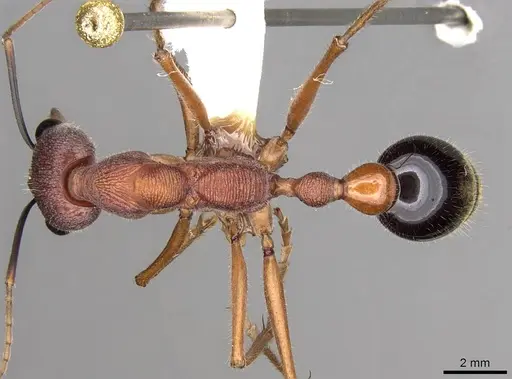
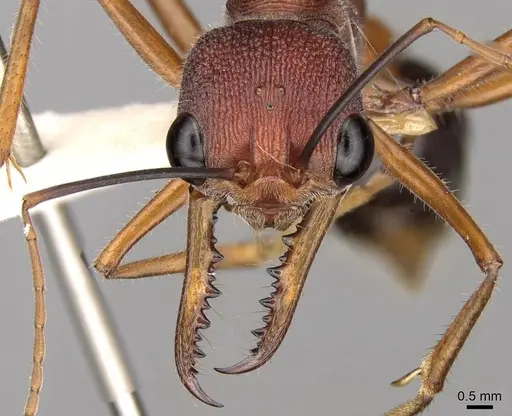
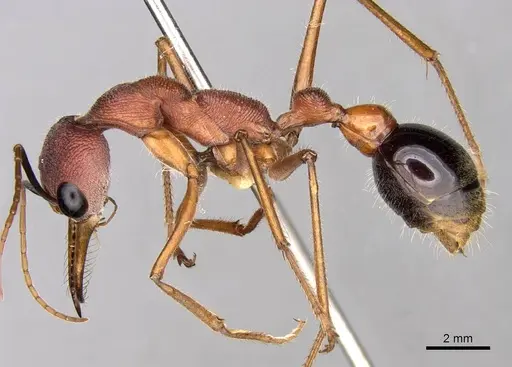
CASENT0915831
View on AntWeb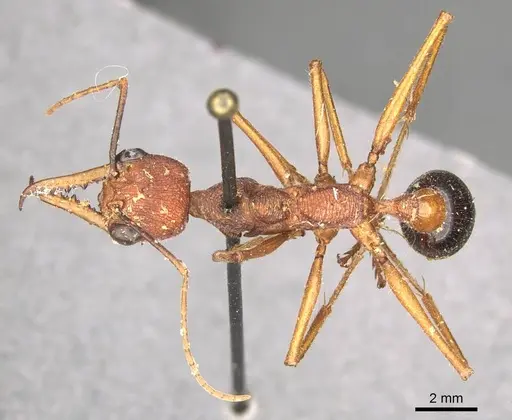
Literature
Loading...Loading products...