

Myrmecia aberrans
- Scientific Name
- Myrmecia aberrans
- Tribe
- Myrmeciini
- Subfamily
- Myrmeciinae
- Author
- Forel, 1900
- Common Name
- Wide-jawed Bull Ant
- Distribution
- Found in 1 countries
Myrmecia aberrans Overview
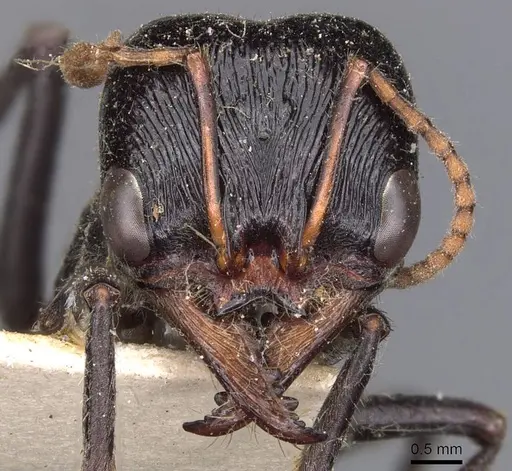
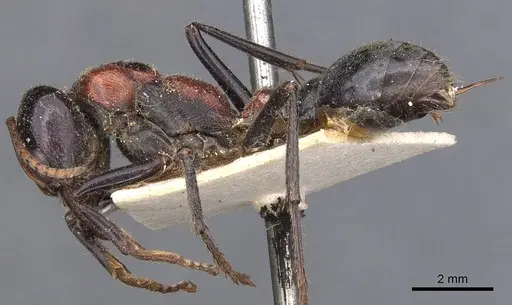
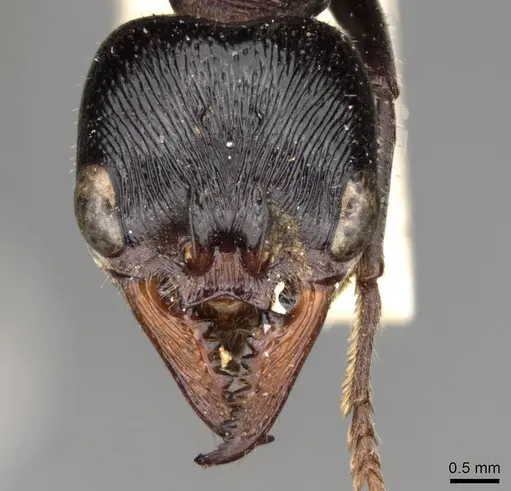
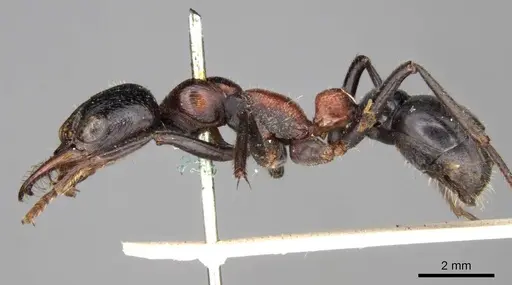
Myrmecia aberrans (commonly known as the Wide-jawed Bull Ant) is an ant species of the genus Myrmecia. It is primarily documented in 1 countries , including Australia. Detailed taxonomic data and occurrence records can be further explored via authoritative databases such as AntWeb or the Global Biodiversity Information Facility (GBIF).
Myrmecia aberrans - "Wide-jawed Bull Ant"
Myrmecia aberrans is a large, aggressive ant species native to Australia. Workers are robust ants measuring 12-20mm, with the characteristic powerful mandibles typical of bulldog ants [1]. The species belongs to a monophyletic group within the pilosula group, with four related species [2]. These ants are known for their painful sting and alert, defensive behavior. As with other Myrmecia species, they are daytime foragers with excellent vision, actively hunting prey across their territory.
Quick Summary
- Difficulty: Medium
- Origin & Habitat: Australia, found across various habitats in the Australian mainland. They nest in soil, often under stones or in decaying wood.
- Colony Type: Single-queen colonies (monogyne) based on typical Myrmecia patterns. Colony size reaches several hundred workers.
- Colony: Monogyne
- Founding: Claustral
- Size & Growth:
- Queen: 18-22mm (estimated based on genus patterns)
- Worker: 12-20mm [1]
- Colony: Several hundred workers (estimated based on genus patterns)
- Growth: Moderate
- Development: 2-3 months (estimated based on related Myrmecia species) (Development time is temperature-dependent. Myrmecia typically produce nanitic (first) workers that are smaller than normal workers.)
- Antkeeping:
- Temperature: Keep at 24-28°C. Provide a temperature gradient so ants can choose their preferred zone. Room temperature (20-24°C) may be acceptable if the colony is active.
- Humidity: Moderate humidity around 50-60%. Keep the nest substrate slightly moist but allow some drying areas. These ants are more tolerant of drier conditions than many Australian species.
- Diapause: Yes, Myrmecia species require a winter rest period. Reduce temperature to 10-15°C for 2-3 months during winter.
- Nesting: Y-tong (acrylic) nests or naturalistic setups with soil and decorative elements work well. Provide a outworld for foraging. They prefer dark, secure nesting areas.
- Behavior: Highly defensive and aggressive. Workers are active foragers that hunt prey during daylight hours. They have excellent vision and will investigate disturbances. Escape risk is moderate, their large size makes them visible but they can climb smooth surfaces. Their sting is painful and can cause allergic reactions in sensitive individuals.
- Common Issues: sting risk is significant, handle with extreme caution, wear protective gear, colonies can be aggressive and may attack keepers during maintenance, winter diapause is essential, colonies that don't hibernate may decline, large size requires spacious formicarium setups as colonies grow, queens are claustral but founding colonies can be fragile, avoid disturbance
Housing and Nest Setup
Myrmecia aberrans requires spacious housing due to their large size and active foraging behavior. A Y-tong (acrylic) nest works well for founding colonies, providing darkness and security that these ants prefer. As colonies grow, consider transitioning to a naturalistic setup with a soil chamber and connected outworld. The nest should have chambers large enough for the colony to move freely. Provide a water test tube as a humidity source, but avoid overly damp conditions. The outworld should be spacious enough for workers to hunt and explore.
Feeding and Diet
Myrmecia aberrans is a predatory species that actively hunts insects and other arthropods. Feed workers small insects like crickets, mealworms, and fruit flies. They will also accept sugar water or honey as an energy source. Feed protein-rich prey 2-3 times per week, and keep a sugar source available at all times. Remove uneaten prey after 24-48 hours to prevent mold. Workers are daytime foragers, place food in the outworld during daylight hours for best acceptance.
Temperature and Seasonal Care
Maintain temperatures between 24-28°C during the active season. Myrmecia species benefit from a temperature gradient, allowing workers to regulate their body temperature by moving between warmer and cooler areas. During winter (roughly May to August in the Southern Hemisphere), gradually reduce temperature to 10-15°C to induce diapause. This winter rest period is essential for colony health and longevity. Resume normal temperatures gradually in spring. Avoid sudden temperature changes as this stresses the colony.
Handling and Safety
Myrmecia aberrans has a potent sting that causes significant pain and can trigger allergic reactions in sensitive individuals. This species should only be kept by experienced antkeepers who understand bulldog ant behavior. Never open the nest without proper protection, use gloves and eye protection. Work quickly but calmly during maintenance to minimize disturbance. If stung, wash the area immediately and monitor for allergic symptoms. These ants are not suitable for keepers who want a hands-off approach or have sting allergies.
Frequently Asked Questions
How long does it take for Myrmecia aberrans to produce first workers?
Expect first workers (nanitics) to emerge after 2-3 months at optimal temperature (24-28°C). The exact timeline depends on temperature and whether the queen was fertilized before capture.
Do Myrmecia aberrans ants sting?
Yes, they have a very painful sting. Their sting is more potent than many other ant species and can cause allergic reactions. Handle with extreme caution.
What do Myrmecia aberrans eat?
They are predatory hunters that eat insects ( crickets, mealworms, fruit flies) and also accept sugar water or honey. Feed protein prey 2-3 times per week with sugar available constantly.
Can beginners keep Myrmecia aberrans?
No, this species is not recommended for beginners due to their aggressive nature, potent sting, and specific care requirements. Only experienced antkeepers should attempt this species.
Do Myrmecia aberrans need hibernation?
Yes, they require a winter diapause period of 2-3 months at reduced temperatures (10-15°C). This rest period is essential for colony health.
How big do Myrmecia aberrans colonies get?
Colonies typically reach several hundred workers. Growth is moderate, expect 1-2 years to reach a mature colony size.
Are Myrmecia aberrans queens claustral?
Yes, like other Myrmecia species, the queen seals herself in a chamber and raises the first workers alone using stored fat reserves. She does not forage during founding.
When should I move Myrmecia aberrans to a formicarium?
Keep them in a test tube setup for the founding stage. Once the colony reaches 20-30 workers and the test tube becomes cramped, transition to a small formicarium or Y-tong nest.
Why is my Myrmecia aberrans colony declining?
Common causes include: lack of hibernation, improper temperature, too much disturbance during founding, or insufficient protein in their diet. Ensure they have proper winter rest and regular feeding.
References

This caresheet is licensed under CC BY-SA 4.0 .
CASENT0907073
View on AntWeb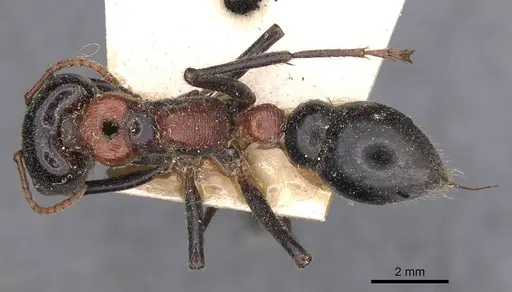
CASENT0914029
View on AntWeb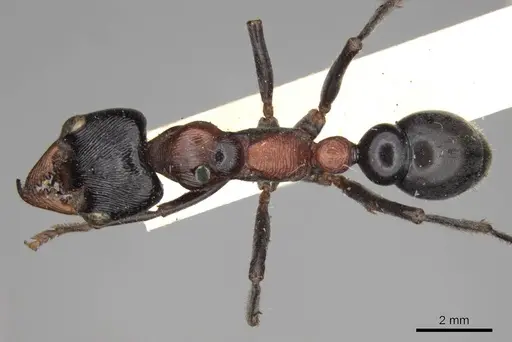
Literature
Loading...Loading products...