

Myrcidris epicharis
- Scientific Name
- Myrcidris epicharis
- Tribe
- Pseudomyrmecini
- Subfamily
- Pseudomyrmecinae
- Author
- Ward, 1990
- Distribution
- Found in 1 countries
Myrcidris epicharis Overview
Myrcidris epicharis is an ant species of the genus Myrcidris. It is primarily documented in 1 countries , including Brazil. Detailed taxonomic data and occurrence records can be further explored via authoritative databases such as AntWeb or the Global Biodiversity Information Facility (GBIF).
Myrcidris epicharis
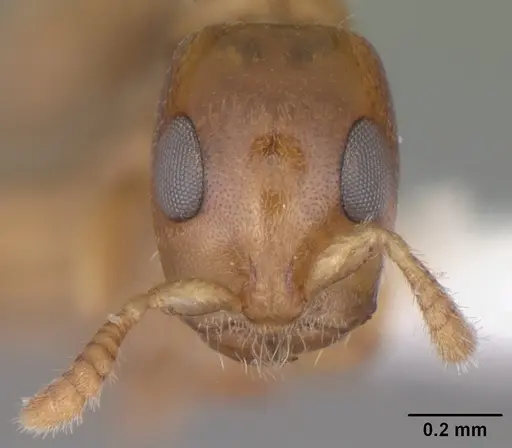
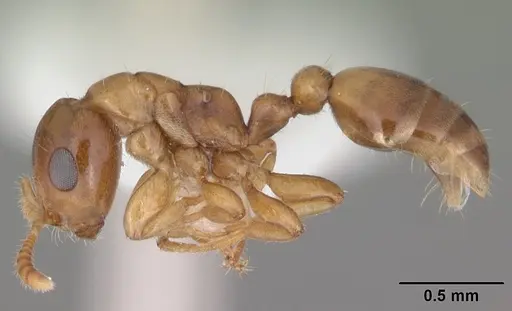
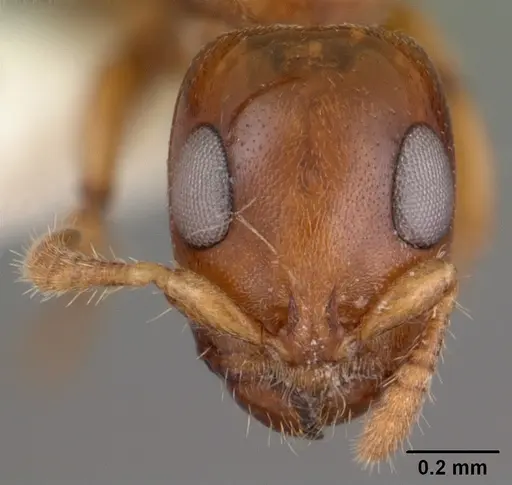
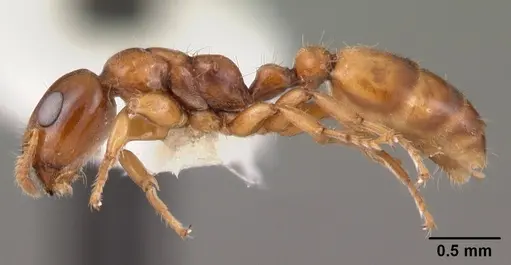
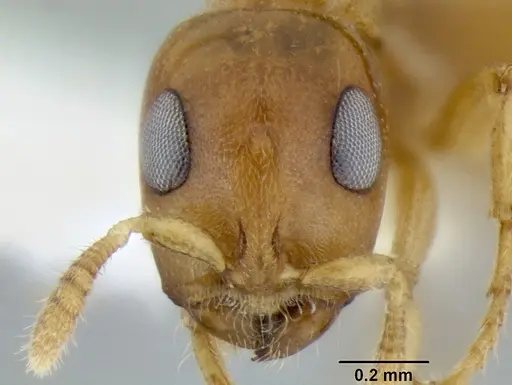
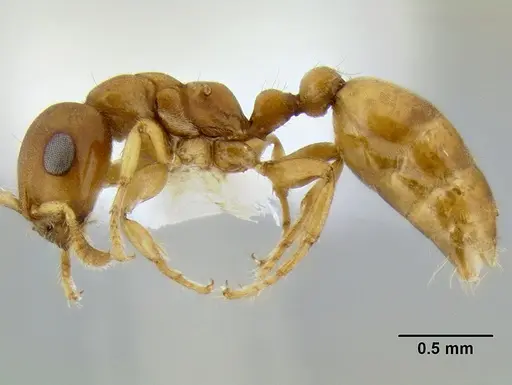
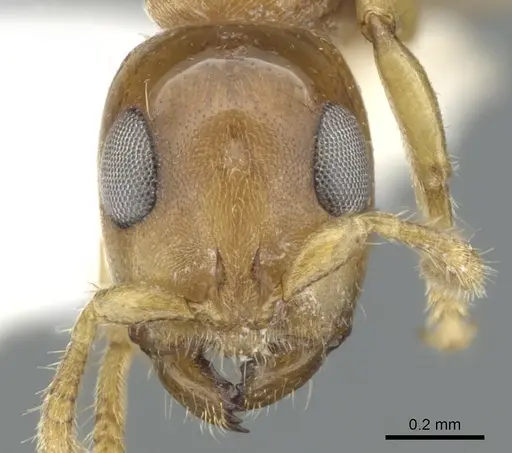
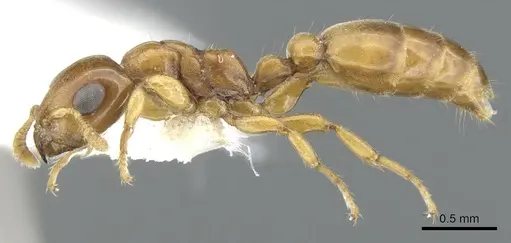
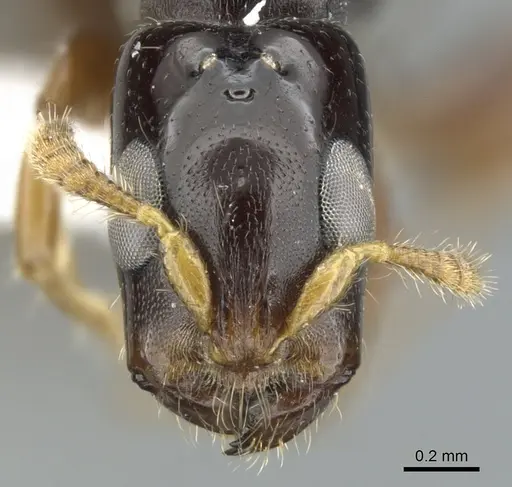
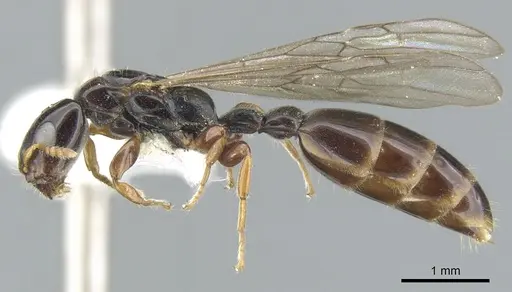
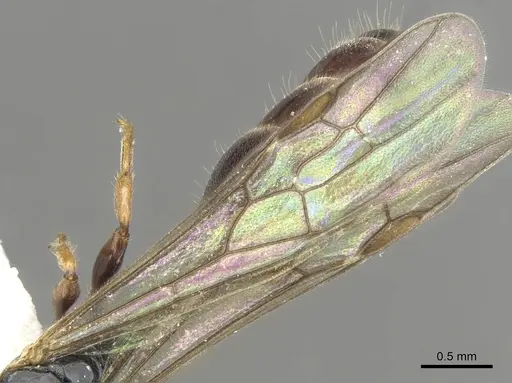
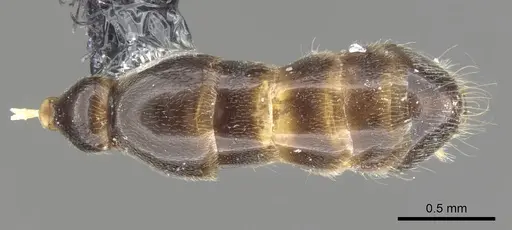
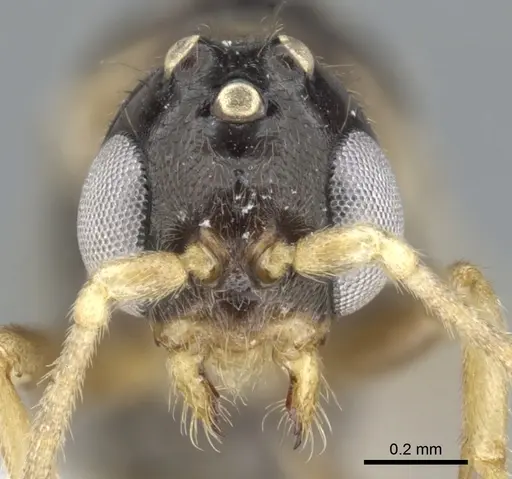
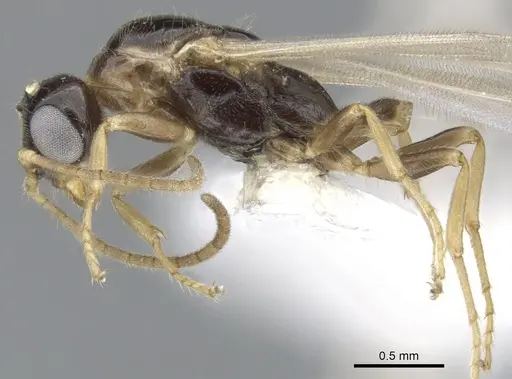
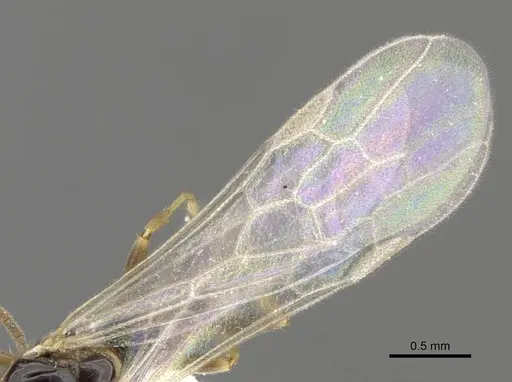
Myrcidris epicharis is an extraordinarily rare ant species that lives exclusively inside the swollen stems of Amazonian myrmecophyte plants, primarily Myrcia madida. Workers are tiny at 0.49-0.61mm head width, with an elongated head and orange-brown coloration. Queens are substantially larger at 0.68-0.73mm head width and dark brown. This species represents an early branch in the Pseudomyrmecinae subfamily, making it a living window into ant evolution. Found only in Brazilian Amazon rainforest near Manaus and a few scattered locations, it maintains an extremely intimate relationship with its host plant, housing scale insects inside the plant domatia and feeding on their honeydew. The ant provides some defense to the plant but is not particularly aggressive [1].
Quick Summary
- Difficulty: Expert
- Origin & Habitat: Amazon rainforest in Amazonas, Brazil, living in swollen terminal stems of Myrcia sp. (Myrtaceae) trees. The species has been recorded near Manaus and in the Juruena River region of Mato Grosso, Brazil [2][3]. Climate: tropical humid with average temperature 24°C, humidity 85%, annual rainfall 2,300mm [3].
- Colony Type: Likely single-queen colonies based on typical Pseudomyrmecinae patterns. Colonies observed in multiple host plants, with over 50 individual Myrcia plants hosting colonies [2]. Ergatoid (wingless) queen presence is unconfirmed.
- Size & Growth:
- Queen: 0.68-0.73mm head width [4]
- Worker: 0.49-0.61mm head width [4]
- Colony: Unknown, likely small colonies given the specialized plant-ant relationship and tiny worker size
- Growth: Unknown, likely slow to moderate based on small worker size and tropical species patterns
- Development: Unknown, estimated 6-10 weeks based on related Pseudomyrmex species at tropical temperatures (No direct development data exists for this species. Estimates based on genus-level patterns for small tropical Pseudomyrmecinae.)
- Antkeeping:
- Temperature: Keep at 24-26°C, matching its Amazonian rainforest origin. A gentle gradient allowing slightly warmer and cooler zones is recommended [3].
- Humidity: High humidity is essential, aim for 80-90% relative humidity. This species lives inside plant stems in a perpetually humid understory environment [3][1].
- Diapause: No, this is a tropical species that does not experience cold winters. Maintain consistent warm, humid conditions year-round.
- Nesting: This is the critical challenge. In nature, they live exclusively inside the hollow swollen stems of Myrcia plants. In captivity, you would need to provide a naturalistic setup with live or artificial Myrcia stems, or a very small acrylic/test tube setup scaled to their tiny size. They keep scale insects (Coccoidea) in the plant domatia [1].
- Behavior: These are shy, non-aggressive ants that spend most of their time inside their host plant stems. Workers forages on the myrmecophyte host, likely tending scale insects for honeydew. They have a painful sting but rarely use it, relying instead on the protected environment of the plant domatia [1]. Escape prevention is critical due to their tiny size, they can squeeze through the tiniest gaps. Workers are small but active within their plant host.
- Common Issues: this species is extremely difficult to obtain, it has never been documented in the antkeeping hobby and is known from only a handful of wild locations, the specialized host plant relationship makes captive maintenance nearly impossible without Myrcia plants or a suitable substitute, tiny size means escape prevention must be excellent, standard formicarium gaps will allow escape, no captive breeding history exists, all attempts would be experimental, wild-caught colonies may fail to adapt to artificial housing and may decline rapidly
The Myrmecophyte Relationship
Myrcidris epicharis represents one of the most specialized ant-plant relationships in the world. This species lives almost exclusively inside the swollen (domatia) stems of Myrcia plants, particularly Myrcia madida. The plant provides hollow living quarters in its stems, and in return, the ants tend scale insects (Coccoidea) inside these chambers, feeding on the honeydew produced by the scale insects [1][5]. This is not a casual association, the ant is completely dependent on its host plant for shelter and food. Workers forage on the plant itself, moving along the stems to access the scale insect colonies. The ants provide some defense to the host plant, though they are not particularly aggressive and rely more on the protected environment of the plant domatia [1]. This level of specialization means that keeping this ant species would require either maintaining live Myrcia plants or creating an artificial equivalent, something that has never been attempted in the antkeeping hobby.
Distribution and Habitat
Myrcidris epicharis is known from only a few locations in the Brazilian Amazon. The original description comes from rainforest north of Manaus in Amazonas state, specifically from the INPA/WWF reserve near Faz. Esteio [4]. More recent records have expanded the known range to the Juruena River region in Mato Grosso, Brazil, about 815km from the Manaus population [2][3]. A single specimen was also collected in Colombia (near Amacayacu in Amazonas department), though this may have been accidental and not indicative of a established population [3]. The species inhabits the understory of lowland tropical rainforest, specifically in areas with low light levels where its Myrcia host plants grow [3]. The climate is consistently warm (average 24°C), humid (85% relative humidity), with high annual rainfall (2,300mm) [3]. This species has never been recorded in forest fragments, it appears to require continuous primary rainforest [6].
Taxonomy and Evolution
Myrcidris epicharis holds a special place in ant phylogeny as the sister group to the entire genus Pseudomyrmex, one of the most well-studied ant groups [7][8]. The genus Myrcidris contains only two described species, M. epicharis and one undescribed species from Guyana [2]. This makes M. epicharis a relict species, representing an ancient lineage that diverged from other Pseudomyrmecinae roughly 40 million years ago [7]. The species possesses a mix of ancestral (plesiomorphic) features shared with early pseudomyrmecines and unique derived traits (autapomorphies) that set it apart [9]. Workers have a distinctive morphology including a notably elongated head, very short scapes (antenna segments), and a basitarsal sulcus gland that is completely absent in its sister lineage Pseudomyrmex [5]. This gland likely produces substances related to tending scale insects.
Why This Species Is Not Suitable for Most Antkeepers
It is important to be direct: Myrcidris epicharis is not a species that can be kept in captivity with current knowledge and available resources. This is not a matter of difficulty, it is a matter of impossibility under normal antkeeping conditions. The species has never been documented in the antkeeping hobby, has no established care protocols, and depends entirely on a specific host plant (Myrcia sp.) that is itself extremely difficult to obtain and maintain. Even if you obtained the ants and the host plant, the natural environment (Amazonian understory with 85% humidity, specific light conditions, and scale insect symbionts) cannot be replicated in typical ant enclosures. Additionally, the species is extremely rare in the wild, documented from only a handful of locations across Brazil. There are no known captive colonies. For antkeepers interested in specialized plant-ants, species in the genus Pseudomyrmex (particularly those that inhabit Acacia or other more accessible myrmecophytes) would be far more practical alternatives that are actually maintainable in captivity. [2][3][1]
Frequently Asked Questions
Can I keep Myrcidris epicharis in a test tube setup?
No. This species lives exclusively inside the swollen stems of Myrcia plants and cannot be maintained in standard ant housing. The specialized plant-ant relationship is absolutely critical, they cannot survive without their host plant and the scale insects they tend inside it.
How long does it take for first workers to develop?
The development timeline for Myrcidris epicharis has never been studied. Based on related Pseudomyrmex species and small tropical ant patterns, it likely takes 6-10 weeks from egg to worker at optimal temperatures. However, this is purely an estimate with no direct supporting data.
Can I keep multiple queens together?
This has not been documented. In the wild, colonies appear to occupy individual host plants, suggesting single-queen colonies. Combining unrelated queens of this species would be entirely experimental and is not recommended given how rare and difficult the species is.
Do Myrcidris epicharis ants sting?
Yes. While not very aggressive, they do possess a painful sting [1]. However, given their tiny size and shy nature, stings are unlikely unless the ant is directly handled or threatened.
What do Myrcidris epicharis eat?
They feed primarily on honeydew from scale insects (Coccoidea) that they keep inside the plant domatia [1][5]. They likely also supplement with small insects they capture. In captivity, replicating this diet would require maintaining live scale insects inside the host plant, a highly complex undertaking.
Are Myrcidris epicharis good for beginners?
No. This species is absolutely not suitable for beginners or even experienced antkeepers. It is one of the most specialized and difficult-to-keep ant species known, requiring a specific host plant, high humidity, and the ability to maintain scale insect symbionts. There are no established care protocols and no captive colonies exist.
Do Myrcidris epicharis need hibernation?
No. This is a tropical Amazonian species that does not experience cold winters. They require consistent warm (24-26°C) and humid (80-90%) conditions year-round.
Where can I obtain Myrcidris epicharis?
You cannot. This species has never been documented in the antkeeping hobby and is among the rarest ants in the world, known from only a handful of locations in the Brazilian Amazon. There are no known captive breeding programs or suppliers. It would also likely be illegal to collect or export given its restricted range and conservation status.
References

This caresheet is licensed under CC BY-SA 4.0 .
CASENT0010810
View on AntWeb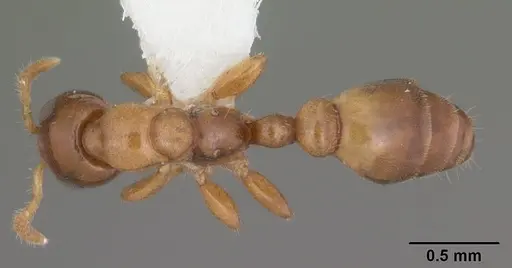
CASENT0102130
View on AntWeb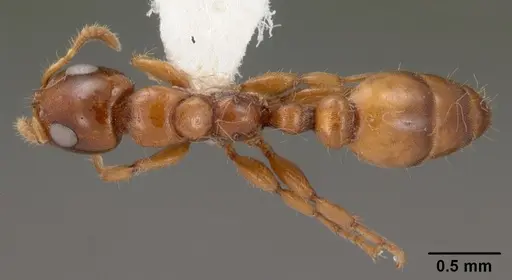
CASENT0106096
View on AntWeb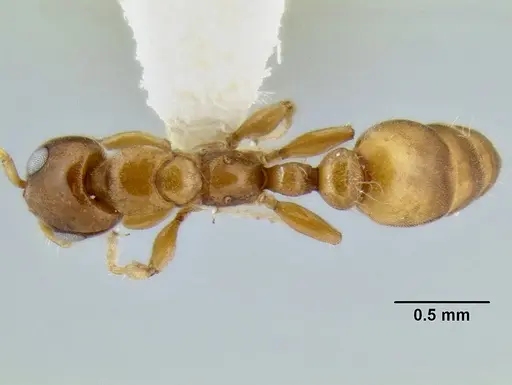
CASENT0902837
View on AntWeb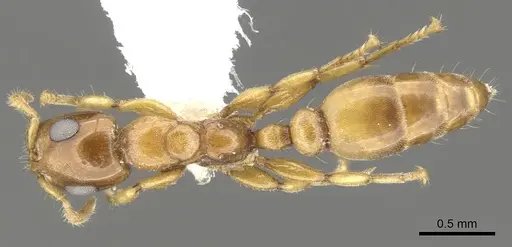
CASENT0902838
View on AntWeb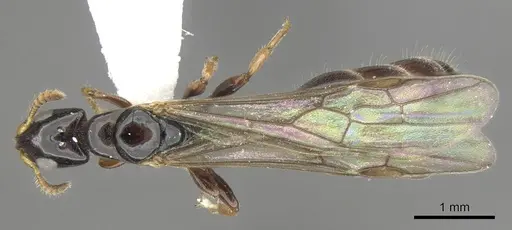
CASENT0902839
View on AntWeb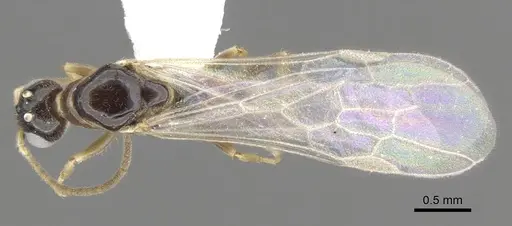
Literature
Loading...Loading products...