

Myopias tasmaniensis
- Scientific Name
- Myopias tasmaniensis
- Tribe
- Ponerini
- Subfamily
- Ponerinae
- Author
- Wheeler, 1923
- Distribution
- Found in 1 countries
Myopias tasmaniensis Overview
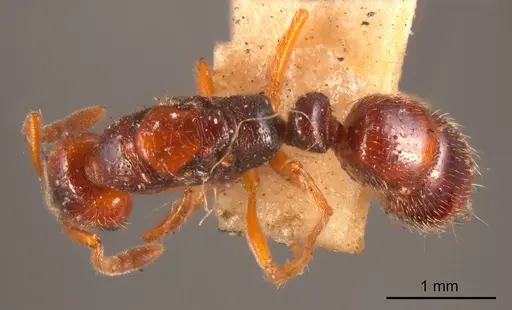
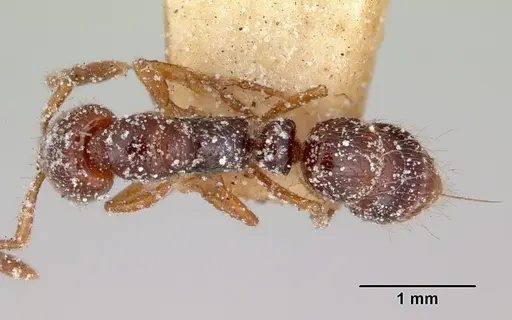
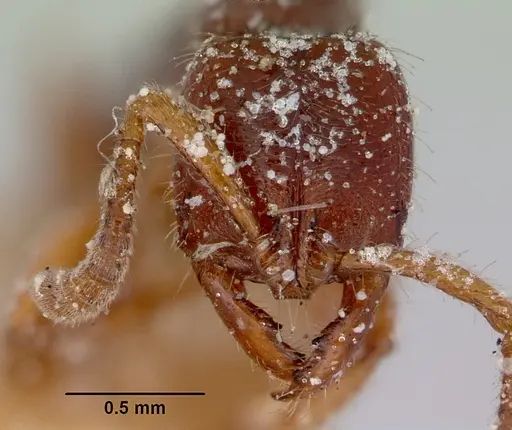
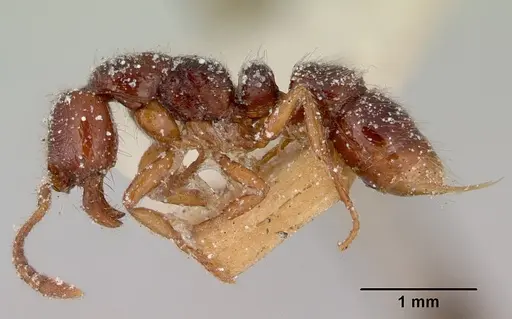
Myopias tasmaniensis is an ant species of the genus Myopias. It is primarily documented in 1 countries , including Australia. Detailed taxonomic data and occurrence records can be further explored via authoritative databases such as AntWeb or the Global Biodiversity Information Facility (GBIF).
Myopias tasmaniensis
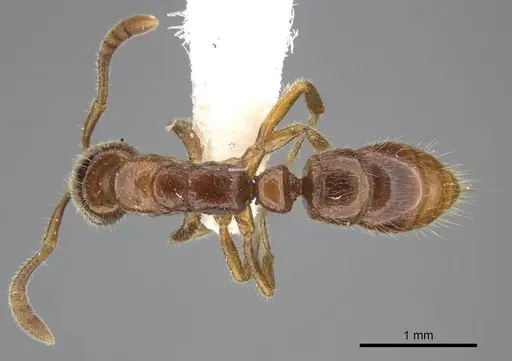
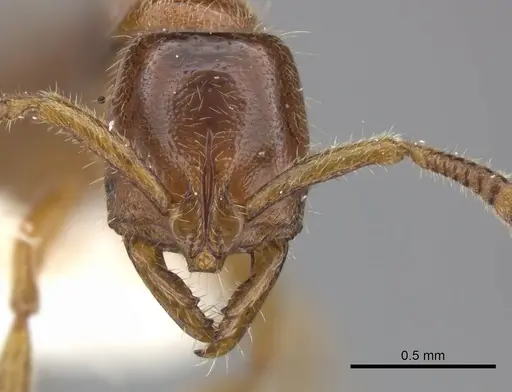
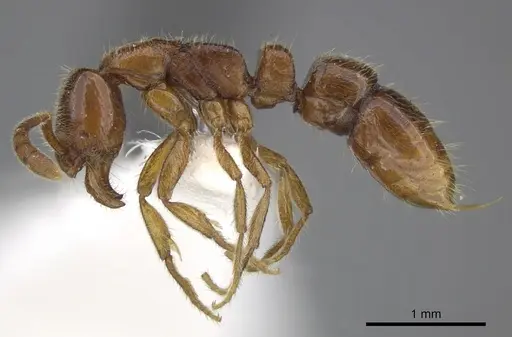
Myopias tasmaniensis is a medium-sized ponerine ant native to Australia, found from Queensland down to Tasmania and in isolated pockets of southwestern Western Australia. Workers are predatory hunters in the Ponerinae subfamily, known for their powerful stings. This species nests in cool, moist forest environments, typically under rocks or in soil banks in very wet areas. The genus Myopias is uncommon in Australia, and M. tasmaniensis represents the only known species in Western Australia. The species has a discontinuous distribution across Australia, with populations in the east (Queensland to Tasmania) separate from the western populations near Manjimup, WA, a pattern of considerable interest to biogeographers studying Gondwanan relicts.
Quick Summary
- Difficulty: Medium
- Origin & Habitat: Australia, found in Queensland, New South Wales, Victoria, Tasmania, and southwestern Western Australia near Manjimup. Inhabits cool, wet forests with high humidity, nests in soil behind rock slabs in vertical banks, and in rainforest at higher elevations [1].
- Colony Type: Colony structure is unconfirmed. Based on related Ponerinae patterns, likely single-queen colonies, but no specific research documents queen number for this species.
- Size & Growth:
- Queen: Estimated 8-10mm based on genus Myopias morphology, not directly measured for this species
- Worker: Estimated 5-7mm based on genus Myopias morphology, not directly measured for this species
- Colony: Likely small to moderate colonies based on Ponerinae patterns, exact maximum unknown
- Growth: Moderate, Ponerinae typically develop slower than many house ants
- Development: Estimated 8-12 weeks based on typical Ponerinae development at optimal temperature (Development time is estimated from related Ponerinae species, specific data for M. tasmaniensis is not available)
- Antkeeping:
- Temperature: Keep at 20-24°C. This species inhabits cool, wet forests in southern Australia, so avoid overheating. Room temperature in most homes should work well, but avoid temperatures above 26°C. A gentle heat gradient allows workers to choose their preferred temperature [1].
- Humidity: High humidity is essential, these ants come from very moist forest habitats. Keep nest substrate consistently damp but not waterlogged. Provide a water tube for drinking access. Mist the outworld occasionally and maintain moisture in the nest area. The substrate should feel damp to the touch [1].
- Diapause: Yes, based on their southern Australian distribution (Tasmania to Queensland), they likely require a winter rest period. Reduce temperature to 10-15°C for 2-3 months during winter. This mimics their natural seasonal cycle in cool, wet forests [1].
- Nesting: In nature they nest in soil behind rock slabs in vertical banks and in moist forest floor areas. In captivity, a naturalistic setup with soil or a plaster/acrylic nest with moisture chambers works well. They prefer dark, enclosed spaces. A Y-tong or test tube setup with damp substrate can work, but ensure humidity is maintained. Avoid dry, airy nests.
- Behavior: Ponerine ants are predatory hunters with powerful stings. Workers are active foragers that hunt small invertebrates. They are not aggressive toward humans but will sting if threatened or handled. Their sting is painful but not dangerous to healthy humans. Escape prevention should be good, they are moderate-sized ants but not particularly strong climbers. However, always use standard barriers as a precaution. They are most active during evening and night hours, typical for forest-dwelling predators.
- Common Issues: high humidity requirements mean mold can be a problem if ventilation is poor, balance humidity with adequate airflow, slow development compared to common ants may frustrate beginners, colonies take time to grow, predatory diet means they need live or frozen protein foods regularly, they won't survive on sugar alone, winter diapause is likely required for this southern species, skipping it may harm the colony long-term, rare in the hobby so finding established colonies can be difficult, most keepers will need to locate wild-caught queens
Natural History and Distribution
Myopias tasmaniensis has an interesting disjunct distribution across Australia. The species is found from Queensland down through New South Wales, Victoria, and Tasmania on the east coast, with isolated populations in southwestern Western Australia near Manjimup. This discontinuous distribution pattern interests biogeographers studying Gondwanan relict species, organisms that once had continuous distributions before continental drift separated them. In Western Australia, the species has been collected only twice, making it extremely rare there. In contrast, it appears more abundant in the eastern Australian states. The species prefers cool, wet forest habitats, in New South Wales, colonies have been found in very moist forest soil behind rock slabs set in vertical banks. In Queensland, they have been recorded in rainforest at around 600 meters elevation. This habitat preference for cool, damp conditions explains why they are more common in Tasmania and Victoria than in warmer northern areas. [1]
Housing and Nest Setup
For Myopias tasmaniensis, you need to replicate their natural moist forest environment. A naturalistic setup with a soil chamber works well, use a mix of soil and sand that holds moisture well. Alternatively, a plaster or acrylic nest with built-in water chambers maintains humidity. The nest should be dark, these forest ants prefer dim conditions. Keep the nest area humid but ensure some ventilation to prevent mold. A test tube setup can work if you add a moisture chamber, but monitor for condensation and mold issues. The outworld can be simple, a foraging area where you offer food. Since they are moderate climbers, standard barrier methods work for escape prevention. Provide a water tube connected to the nest for drinking access, as they need constant water. [1]
Feeding and Diet
As a Ponerinae ant, Myopias tasmaniensis is a predatory hunter. In the wild, workers hunt small invertebrates like springtails, mites, and tiny insects. In captivity, their primary food should be small live or frozen prey. Good options include fruit flies, small crickets, mealworms, and other small insects. You can also offer small pieces of raw meat or fish. Unlike many ants, ponerines typically do not rely heavily on sugar. However, you can occasionally offer a drop of diluted honey or sugar water, some keepers report that Ponerinae will accept it, but protein-rich foods are essential. Feed prey items every 2-3 days, removing any uneaten remains to prevent mold. A constant water source is important. [1]
Temperature and Seasonal Care
This species comes from cool, wet habitats in southern Australia, so they prefer moderate temperatures. Keep the nest area between 20-24°C, this is typical room temperature in many homes. Avoid temperatures above 26°C, as overheating can be fatal. A gentle heat gradient allows ants to regulate their temperature by moving between warmer and cooler areas of the nest. During winter, based on their Tasmanian distribution, they likely require a diapause period. Reduce temperatures to 10-15°C for 2-3 months, typically from late autumn through winter. This winter rest is important for colony health and may trigger reproductive behavior in the following season. Do not feed during deep diapause but ensure some moisture is available. [1]
Behavior and Handling
Myopias tasmaniensis workers are active predators that hunt for food rather than collecting honeydew or scavenging. They are not particularly aggressive but possess a functional sting that they will use if threatened. The sting is painful to humans but not dangerous unless someone has an allergic reaction. When keeping this species, avoid handling them directly, use gentle coaxing or catch-and-release methods if you need to move them. Workers are most active during evening and night hours, reflecting their natural foraging patterns in dim forest environments. They are moderate climbers but standard escape prevention measures should suffice. Observe their hunting behavior, it's fascinating to watch them locate and capture prey. [1]
Frequently Asked Questions
How long does it take for Myopias tasmaniensis to produce first workers?
The exact timeline is not documented, but based on typical Ponerinae development, expect 8-12 weeks from egg to worker at optimal temperature (around 22°C). Development is slower than common house ants, so patience is required. The queen will remain alone with the brood during this founding period.
What do Myopias tasmaniensis ants eat?
They are predatory hunters that need live or frozen protein foods. Offer small insects like fruit flies, small crickets, and mealworms. They may occasionally accept diluted honey or sugar water, but protein is essential. Feed prey every 2-3 days and provide constant water access.
What temperature do Myopias tasmaniensis need?
Keep them at 20-24°C. They come from cool, wet Australian forests and do not tolerate heat well. Avoid temperatures above 26°C. Room temperature is usually ideal, but monitor during hot weather.
Do Myopias tasmaniensis need hibernation?
Yes, based on their southern Australian distribution including Tasmania, they likely require a winter rest period. Reduce temperature to 10-15°C for 2-3 months during winter. This diapause period is important for colony health and may trigger reproductive behavior.
How big do Myopias tasmaniensis colonies get?
Colony size is not well documented, but based on typical Ponerinae patterns, colonies likely reach a few hundred workers at most. They are not known for forming supercolonies. Growth is moderate and slower than many common ant species.
Are Myopias tasmaniensis good for beginners?
They are considered medium difficulty. Their high humidity requirements and predatory diet require more attention than sugar-feeding ants. Their slow development and likely need for winter diapause add complexity. However, they are fascinating predators to keep. If you have experience with Ponerinae or moisture-dependent ants, they can be rewarding.
What humidity level do Myopias tasmaniensis need?
High humidity is essential, they come from very moist forest habitats. Keep nest substrate consistently damp but not waterlogged. The substrate should feel damp to the touch. Provide a water tube and occasionally mist the outworld. Balance humidity with adequate ventilation to prevent mold.
Can I keep multiple Myopias tasmaniensis queens together?
Not recommended without specific documentation. Combining unrelated foundress queens of this species has not been studied. In the wild, colony structure is unconfirmed, but most Ponerinae are single-queen species. It is safer to keep one queen per colony.
When should I move Myopias tasmaniensis to a formicarium?
Wait until the colony has at least 20-30 workers and is actively foraging. Ponerinae prefer stable conditions, so avoid disturbing the founding setup too early. Once the test tube is crowded and workers frequently leave the tube, you can offer a naturalistic setup or a humidified formicarium as an upgrade.
References

This caresheet is licensed under CC BY-SA 4.0 .
Literature
Loading...Loading products...