

Myopias concava
- Scientific Name
- Myopias concava
- Tribe
- Ponerini
- Subfamily
- Ponerinae
- Author
- Willey & Brown, 1983
- Distribution
- Found in 1 countries
Myopias concava Overview
Myopias concava is an ant species of the genus Myopias. It is primarily documented in 1 countries , including Papua New Guinea. Detailed taxonomic data and occurrence records can be further explored via authoritative databases such as AntWeb or the Global Biodiversity Information Facility (GBIF).
Myopias concava
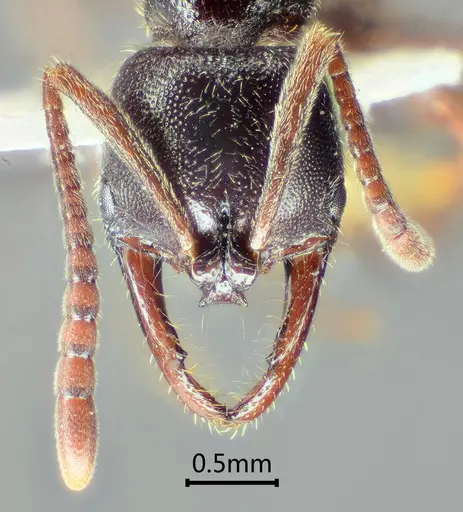
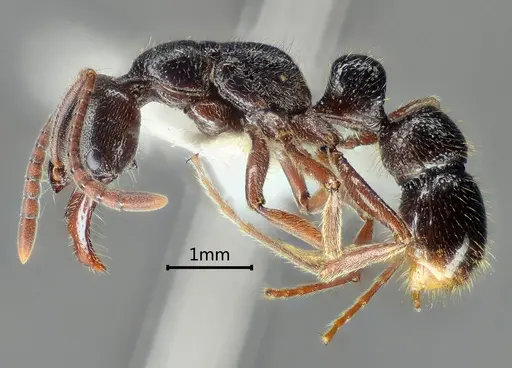
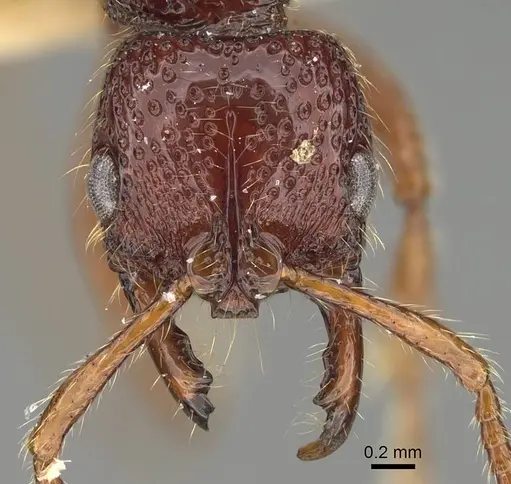
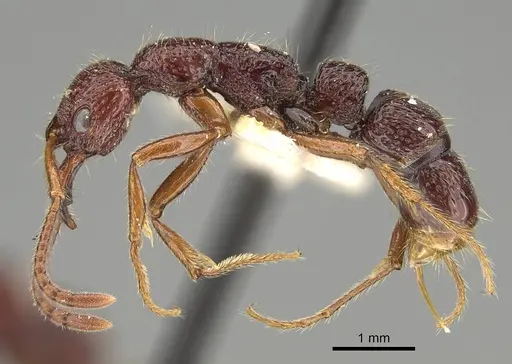
Myopias concava is a medium-sized ponerine ant native to Papua New Guinea. Workers measure 6.5-8.6mm and have a robust, stout body with a distinctive concave depression on the upper surface of the first abdominal segment, this is what gives the species its name 'concava' [1]. The ants are brownish red in color with large, prominent eyes that take up more than a quarter of the head length. They have short, powerful mandibles equipped with teeth for capturing prey. Queens are slightly larger at 8.2mm and come in two forms: fully winged (alate) queens and wingless ergatoid queens that can serve as replacement reproductives if the primary queen dies [1].
This species is a specialized predator that hunts millipedes, a relatively unique dietary specialization among ants. In the wild, colonies nest in rotten logs within rainforest habitat, typically at elevations between 800-1200m. Colonies are small, containing only 50-60 workers, and may be founded by either a single queen or multiple queens working together [1].
Quick Summary
- Difficulty: Medium
- Origin & Habitat: Papua New Guinea, found in rotten logs in rainforest habitat at elevations from 800-1200m [1]
- Colony Type: Can be single-queen (monogyne) or multi-queen (polygyne) colonies. Ergatoid (wingless) queens serve as replacement reproductives if the primary queen dies [1].
- Colony: Optionally polygyne
- Size & Growth:
- Queen: 8.2mm (dealate queen) [1]
- Worker: 6.5-8.6mm [1]
- Colony: Up to 50-60 workers [1]
- Growth: Moderate, small colony size suggests slower development compared to faster-growing genera
- Development: Estimated 8-12 weeks based on typical Ponerinae development at tropical temperatures (Direct development data unavailable, inferred from related Ponerinae species. Small colony size indicates moderate growth rate.)
- Antkeeping:
- Temperature: Keep at 24-28°C, these are tropical rainforest ants requiring warm, stable conditions
- Humidity: High humidity required, aim for 70-85%. These ants naturally live in damp rotting wood, so the nest substrate should remain consistently moist but not waterlogged
- Diapause: No, as a tropical species from Papua New Guinea, they do not require hibernation. Maintain warm conditions year-round
- Nesting: Provide a naturalistic setup with moist substrate like a Y-tong or plaster nest with chambers scaled to their medium size. The nest should retain humidity well since they naturally nest in rotting logs. Include small prey items like millipedes or other small arthropods
- Behavior: Myopias concava is an active predator with a specialized diet focused on millipedes. They are not aggressive toward keepers but will defend their colony if threatened. Workers are medium-sized and relatively robust, making them capable hunters. The sting is present and functional (the species has a very long sting that can extend up to 1.1mm in some workers), so there is potential for painful stings if handled roughly [1]. Escape risk is moderate, they are not tiny ants but can still squeeze through small gaps, so standard escape prevention measures are recommended.
- Common Issues: small colony size means colonies are vulnerable, a few deaths can significantly impact the colony, specialized millipede diet may be difficult to provide consistently in captivity, high humidity requirements can lead to mold problems if ventilation is poor, tropical species requires constant warmth, temperature drops can stress or kill colonies, ergatoid queens mean colonies can recover from queen loss but this also means potential for multiple egg-layers if queens are combined
Nest Preferences and Housing
In the wild, Myopias concava nests exclusively in rotten logs within rainforest habitat. The type series specimens were collected from logs in various stages of decay, from Zoraptera-stage (early decay) to Passalus-stage (mid decay) and Stage III (advanced decay) logs. This tells us they prefer wood that is soft enough to excavate but still provides structure and moisture retention. For captive care, a Y-tong (acrylic) nest or plaster nest with appropriately sized chambers works well. The nest material should be able to hold moisture without becoming soggy. Keep the nest setup in a warm, humid area of your ant room. A small outworld connected to the nest allows workers to forage for prey. Because colonies max out at around 60 workers, you don't need a large setup, a modestly sized formicarium with a few connected chambers is sufficient [1].
Feeding and Diet
This is the most specialized aspect of Myopias concava care. They are confirmed predators of millipedes, in the wild, researchers have found empty rings of dead millipedes in nest chambers and fresh millipede corpses near larvae [2]. This is a relatively rare specialization among ants. In captivity, you should prioritize offering small millipedes or other soft-bodied arthropods. Beyond millipedes, they likely accept other small invertebrates like springtails, small isopods, and tiny crickets. Protein should be the primary food source, offered 2-3 times per week. Sugar sources may be accepted but are not a natural part of their diet, you can offer occasional honey or sugar water but don't rely on it. The key is providing regular small prey items that match their natural hunting behavior. Remove uneaten prey within 24-48 hours to prevent mold [2].
Temperature and Seasonal Care
As a tropical species from Papua New Guinea, Myopias concava requires consistently warm conditions. Aim for temperatures in the range of 24-28°C (75-82°F). These ants come from rainforest environments at elevations of 800-1200m, so they prefer warmth with high humidity. Unlike temperate species, they do not enter diapause or hibernation, maintaining stable warmth year-round is essential. A small heating cable placed on one side of the nest can help maintain the ideal temperature range, creating a slight gradient that allows ants to self-regulate. Room temperature may be sufficient if your home stays in the low-to-mid 20s°C, but monitor with a thermometer. Temperature drops below 20°C can stress these ants and slow or stop brood development entirely. Keep them away from air conditioning vents, drafty windows, and any cold surfaces. [1]
Colony Structure and Queen Behavior
Myopias concava has a flexible colony structure, colonies can be founded by a single queen (monogyne) or multiple queens (polygyne). One of the type series colonies (No. 887) contained at least three queens, confirming polygyne colonies exist in the wild [1]. Additionally, this species produces ergatoid queens, wingless queens that develop from regular larvae rather than developing wings. These ergatoid queens lack ocelli but have small wing stubs, and they serve as replacement reproductives if the primary queen dies. This means your colony has some resilience, if a queen dies, an ergatoid may take over as the egg-layer. The maximum colony size of 50-60 workers is relatively small for a ponerine ant, which influences expectations for growth rate and care intensity. When combining unrelated foundress queens, there is potential for aggression, so it's generally safer to start with a single queen or let multiple queens establish naturally if they tolerate each other.
Defense and Handling
Myopias concava workers possess a functional sting that can extend up to 1.1mm, this is unusually long for ants of their size [1]. While they are not typically aggressive toward keepers, disturbing the nest or handling them roughly will provoke defensive behavior. The sting is capable of penetrating human skin and would cause pain similar to other ponerine stings. When working with these ants, use gentle movements and avoid poking or squeezing them. For routine care like feeding and water checks, you can observe through the nest walls without opening it. If you need to move them (for transport or nest changes), use gentle coaxing with a soft brush rather than grabbing them. Keep escape prevention in mind during feedings, while not tiny, they can squeeze through small gaps, so ensure your outworld has secure barriers.
Frequently Asked Questions
How long does it take for Myopias concava to produce first workers?
Based on typical Ponerinae development, expect first workers (nanitics) approximately 8-12 weeks after the queen lays eggs, assuming optimal temperatures of 24-28°C. This is an estimate since specific development data for this species is not available. The small colony size (max 60 workers) suggests a moderate growth rate, don't expect rapid expansion like some Myrmica or Lasius species.
Can I keep multiple Myopias concava queens together?
Yes, this species is naturally polygynous, colonies can have multiple queens. One documented wild colony contained at least three queens. However, when combining unrelated foundress queens in captivity, there can be initial aggression. It's generally safer to start with a single queen, but if you introduce multiple queens from the start and monitor them, they may establish successfully.
What do Myopias concava ants eat?
They are specialized millipede predators. In captivity, offer small millipedes, springtails, small isopods, and other tiny arthropods. Protein-rich prey should be the primary food offered 2-3 times weekly. Sugar sources like honey water may be occasionally accepted but are not a natural part of their diet, don't rely on them as a primary food source.
What temperature do Myopias concava need?
Keep them at 24-28°C (75-82°F). These tropical rainforest ants require warm, stable conditions year-round. Unlike temperate species, they do not need hibernation. A slight temperature gradient is beneficial so workers can self-regulate. Avoid temperatures below 20°C.
How big do Myopias concava colonies get?
Maximum colony size is approximately 50-60 workers in the wild. This is relatively small for a ponerine ant. Because of their specialized diet and small final colony size, growth is moderate rather than rapid. Don't expect large, sprawling colonies.
Are Myopias concava good for beginners?
This is a medium-difficulty species. While not extremely demanding, they have specific requirements: high humidity, warm temperatures, and most importantly, a specialized diet requiring regular small prey (especially millipedes). If you can consistently provide these conditions and live prey, they can be rewarding. The small colony size makes them more vulnerable to mistakes than hardy species like Lasius.
Do Myopias concava need hibernation?
No. As a tropical species from Papua New Guinea, they do not require hibernation or winter cooling. Maintain warm, stable conditions year-round. Temperature drops can stress or kill them.
Why are my Myopias concava dying?
Common causes include: temperature too cold (below 20°C), low humidity causing desiccation, mold from poor ventilation, lack of appropriate prey (they need live small arthropods, not just sugar), or stress from excessive disturbance. Check your temperature and humidity first. Also ensure you're not overfeeding, uneaten prey creates mold problems.
References

This caresheet is licensed under CC BY-SA 4.0 .
ANTWEB1060510
View on AntWeb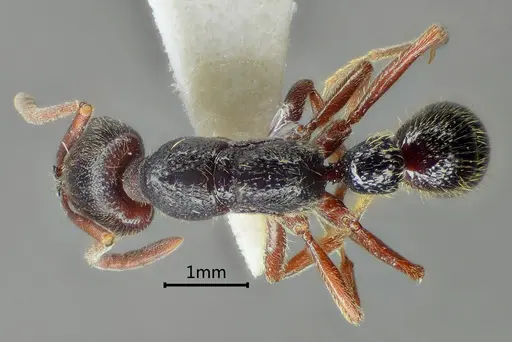
CASENT0634948
View on AntWeb
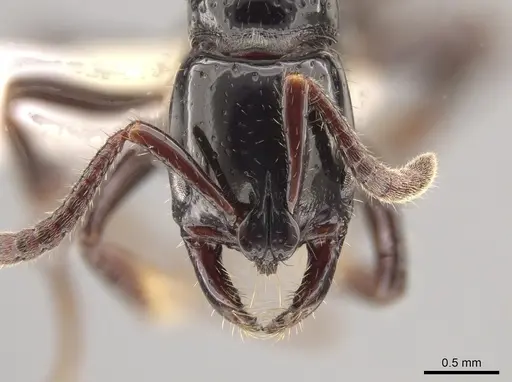
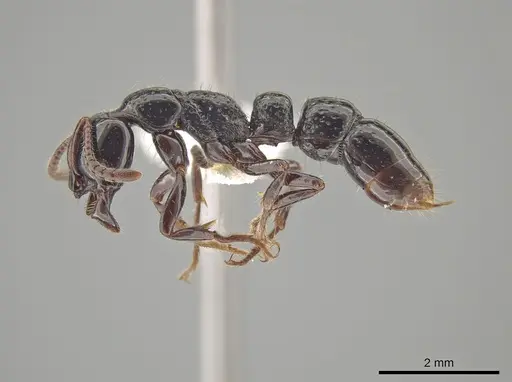
CASENT0882100
View on AntWeb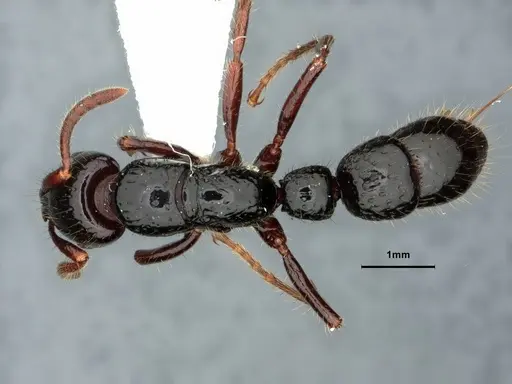
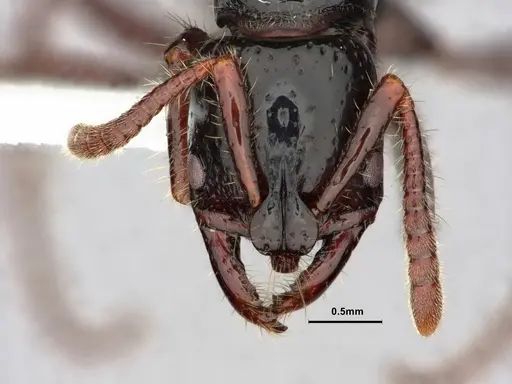
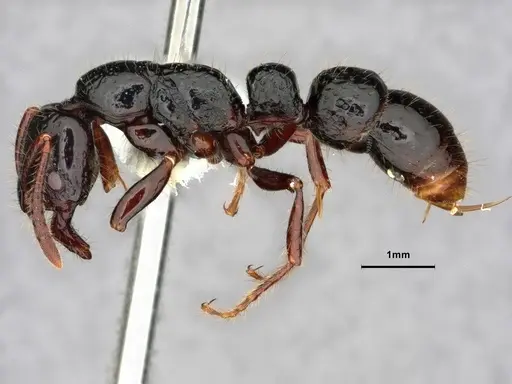
CASENT0902532
View on AntWeb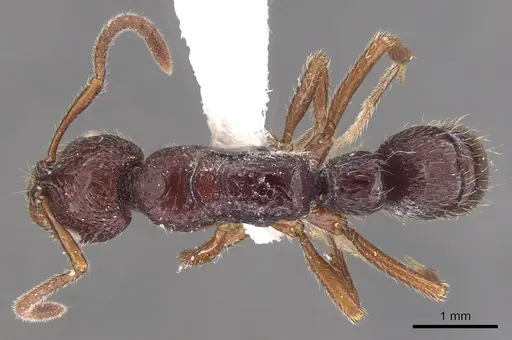
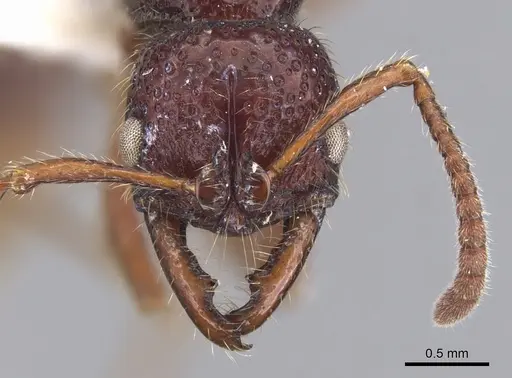
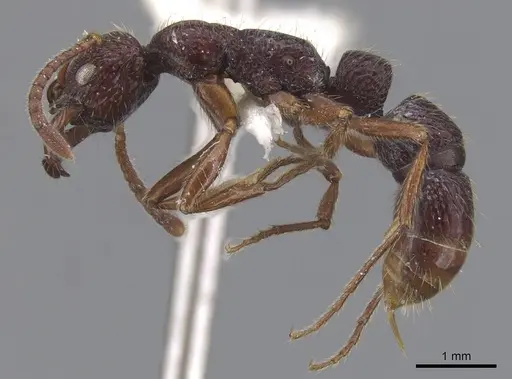
CASENT0922429
View on AntWeb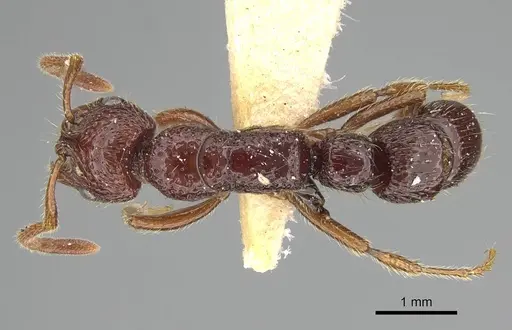
Literature
Loading...Loading products...