

Myopias bidens
- Scientific Name
- Myopias bidens
- Tribe
- Ponerini
- Subfamily
- Ponerinae
- Author
- Emery, 1900
- Distribution
- Found in 2 countries
Myopias bidens Overview
Myopias bidens is an ant species of the genus Myopias. It is primarily documented in 2 countries , including Philippines, Thailand. Detailed taxonomic data and occurrence records can be further explored via authoritative databases such as AntWeb or the Global Biodiversity Information Facility (GBIF).
Myopias bidens
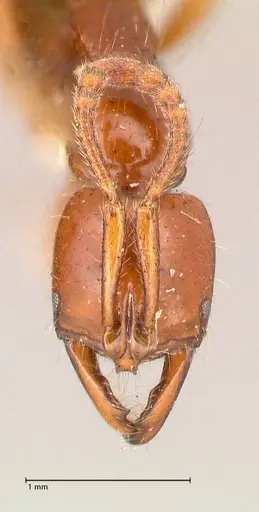
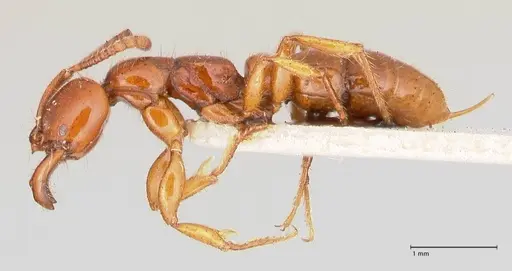
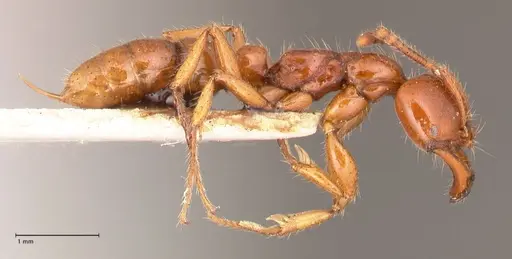
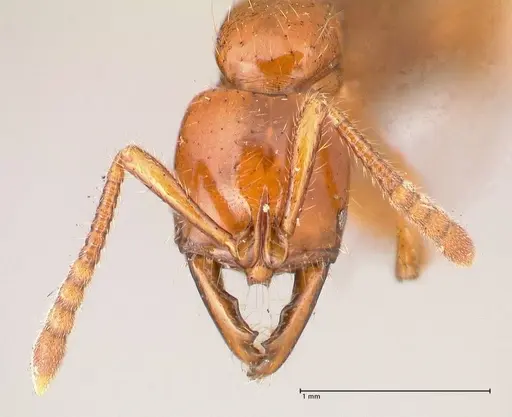
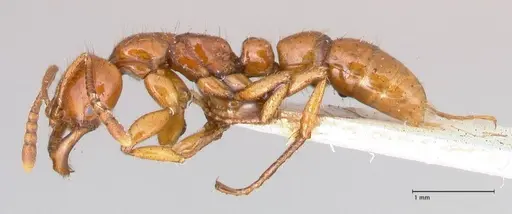
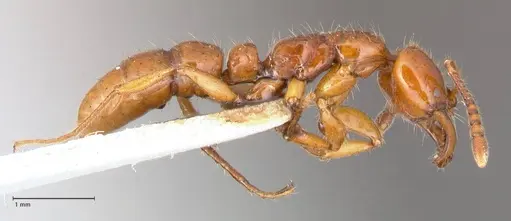
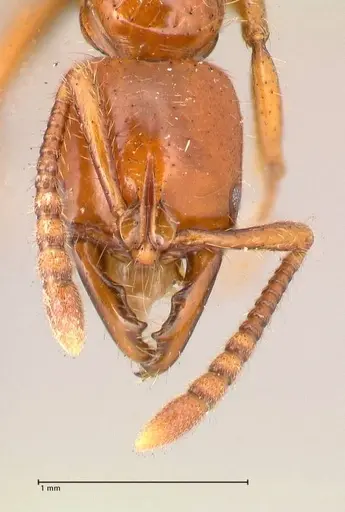
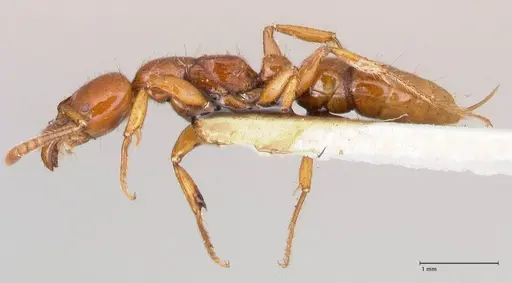
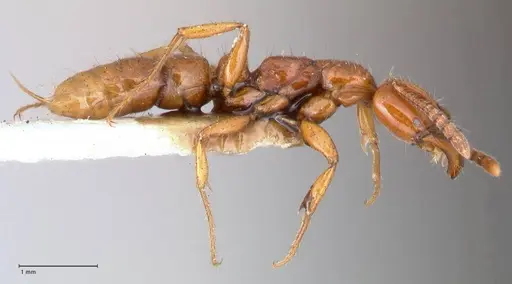
Myopias bidens is a small Ponerine ant native to Southeast Asia, found in Thailand and Indonesia. Workers measure 5.10-5.50 mm and have a distinctive appearance with four teeth on their mandibles, a squared median clypeal lobe with a concave anterior margin, and relatively small eyes with only 5-6 ommatidia. The entire body is smooth and shiny, colored reddish brown to yellowish brown with the head typically darker than the rest. This species is unusual within its genus, while most Myopias species form small colonies under 100 workers, M. bidens is the exception with colonies reaching up to a thousand workers. They nest in heavily decomposed, rotten wood and are found across various forest types from lowland to highland elevations.
Quick Summary
- Difficulty: Medium
- Origin & Habitat: Southeast Asia, Thailand (Tak, Chanthaburi, Narathiwat Provinces) and Sumatra, Indonesia. Inhabits various forest types including swamp forest, evergreen forest, dry evergreen forest, and hill evergreen forest, in both primary and secondary forests from lowland to highland elevations [1][2].
- Colony Type: Single-queen colonies (monogyne). This species is notable for forming unusually large colonies for the genus, up to 1000 workers, while most Myopias species remain small with under 100 workers [1][3].
- Colony: Monogyne
- Size & Growth:
- Queen: Not directly measured in primary literature, estimated based on worker size and genus patterns at approximately 7-9mm
- Worker: 5.10-5.50 mm [1]
- Colony: Up to 1000 workers, unusually large for the genus [1][3]
- Growth: Moderate, based on typical Ponerine development patterns
- Development: Estimated 8-12 weeks at optimal temperature based on related Ponerine species (Development time is not directly documented for this species, estimates based on genus patterns. Ponerines typically take longer than many other ant subfamilies.)
- Antkeeping:
- Temperature: Keep at 24-28°C. This species comes from tropical Southeast Asian forests, so warmth is important. A gentle gradient allowing them to self-regulate is ideal [1].
- Humidity: High humidity required, they naturally live in damp forest environments with rotting wood nesting sites. Keep the nest substrate consistently moist but not waterlogged [1].
- Diapause: Unlikely, being a tropical species from Southeast Asia, they probably do not require a true diapause. However, a slight reduction in temperature during cooler months may be beneficial [1].
- Nesting: In nature they nest in rotting wood in an advanced stage of decomposition. In captivity, a naturalistic setup with damp rotting wood or a well-moistened Y-tong/plaster nest works well. They prefer tight, humid chambers that mimic their natural rotten wood habitat [1][3].
- Behavior: These ants are predatory Ponerines with well-developed mandibles. They are found in leaf litter both during the day and night, indicating active foraging across multiple periods [4]. Workers are moderately aggressive and will defend the colony. Escape risk is moderate, they are not tiny ants but can fit through small gaps. Use standard escape prevention. They are nocturnal or crepuscular hunters, so provide darkness during their active periods.
- Common Issues: high humidity management, too wet causes mold, too dry stresses the colony, colonies may be slow to establish, Ponerines often have longer founding periods than other ants, predatory feeding requirements, need live prey, may not accept commercial ant foods readily, escape prevention, workers are active and will explore for weaknesses in setup, temperature consistency, tropical species sensitive to temperature drops
Nest Preferences and Housing
Myopias bidens naturally nests in rotting wood that has reached an advanced stage of decomposition. This is a key requirement to replicate in captivity. The wood should be soft, damp, and partially decomposed, essentially the kind of decaying wood you'd find on a forest floor in Southeast Asia. In captivity, you can use a naturalistic setup with pieces of rotting wood placed in a well-humidified enclosure, or use a Y-tong or plaster nest with chambers kept consistently moist. The nest should have tight-fitting connections to the outworld since these ants are active foragers. Avoid dry, compact substrates, they need the damp, crumbly texture of decomposed wood to thrive. A small water reservoir connected to the nest helps maintain humidity without constant manual misting. [1][3]
Feeding and Diet
As a Ponerine ant, Myopias bidens is predatory and needs a protein-based diet. They are active hunters that likely prey on small invertebrates in the leaf litter. In captivity, offer small live prey such as fruit flies, small crickets, mealworms, and other appropriately-sized insects. Since they are found in leaf litter and are relatively small, their prey items should be scaled accordingly, think small arthropods rather than large insects. Some keepers report that Ponerines may accept protein jelly or other prepared foods, but live prey should form the core of their diet. Feed every 2-3 days, removing uneaten prey after 24 hours. A sugar source like honey or sugar water can be offered occasionally, but protein is the priority for this predatory species. [4]
Temperature and Seasonal Care
Being a tropical species from Southeast Asia, Myopias bidens requires warm temperatures. Aim for 24-28°C in the nest area, with a slight gradient allowing the ants to choose their preferred temperature. Room temperature in most homes may be too cool, consider using a heating cable or mat on one side of the nest to maintain warmth. Since they inhabit various forest types from lowland to highland in Thailand and Indonesia, they can tolerate a range, but consistent warmth is important for colony health and brood development. Unlike temperate species, they likely do not require a true hibernation period. However, a slight temperature reduction during winter months (down to around 20-22°C) may simulate natural seasonal changes and could benefit the colony. Avoid sudden temperature fluctuations. [1]
Behavior and Colony Dynamics
This species is notable within its genus for forming large colonies of up to 1000 workers, most Myopias species remain much smaller. They are found active in leaf litter during both day and night, indicating flexible foraging schedules. Workers are moderately sized for Ponerines and possess well-developed mandibles for capturing prey. The colony will establish a main nest in suitable rotting wood with foragers venturing out to hunt. Unlike some Ponerines that are extremely aggressive, M. bidens shows moderate temperament but will readily defend the colony if threatened. They are not particularly large ants (5-6mm workers), so escape prevention should focus on sealing any gaps in the setup. Provide a dark enclosure or cover the nest to mimic their natural dim forest-floor environment. [1][4][3]
Growth and Development
The development timeline for Myopias bidens is not directly documented in scientific literature, but based on typical Ponerine patterns, expect 8-12 weeks from egg to first worker at optimal temperature. The founding period may be longer than claustral species since many Ponerines are semi-claustral, the queen may need to leave the nest to hunt during founding. Once established, colonies can grow to impressive sizes for the genus, up to 1000 workers. Growth rate is moderate, not particularly fast. Colonies reach this size by accumulating workers over multiple years. Be patient during the founding phase, Ponerine queens often take longer to produce their first workers than species from other subfamilies. The first workers (nanitics) will be smaller than mature workers but should already show the characteristic smooth, shiny reddish-brown coloration. [1][3]
Humidity Management
Proper humidity is critical for Myopias bidens. In nature, they live in damp forest environments with rotting wood that retains moisture. The nest substrate should feel consistently damp but never waterlogged. Standing water in the nest is harmful and can kill colonies. Use a water reservoir system or mist lightly when the substrate surface begins drying. A hygrometer near the nest can help monitor conditions, aim for 70-85% relative humidity. The key is consistency: Ponerines are sensitive to humidity swings. If you see condensation constantly forming on the nest walls, it's too wet. If the substrate pulls away from the edges or cracks form, it's too dry. Adjust gradually and observe colony behavior, workers will cluster in areas of preferred humidity. [1][3]
Frequently Asked Questions
How long does it take for Myopias bidens to produce first workers?
The exact timeline is not documented, but based on typical Ponerine development, expect 8-12 weeks from egg to first worker at optimal temperature (24-28°C). The founding period may be longer since many Ponerines are semi-claustral.
What do Myopias bidens eat?
They are predatory Ponerine ants that need live protein prey. Offer small insects like fruit flies, small crickets, and mealworms. Some colonies may accept protein jelly, but live prey should form the main diet.
How big do Myopias bidens colonies get?
This species is unusual for the genus, colonies can reach up to 1000 workers. Most Myopias species stay under 100 workers, making M. bidens an exception.
What temperature do Myopias bidens need?
Keep them warm at 24-28°C. They are tropical ants from Southeast Asia and need consistent warmth. A heating cable on one side of the nest creates a suitable gradient.
Do Myopias bidens need hibernation?
No, they are tropical ants and do not require true hibernation. A slight temperature reduction in winter (to around 20-22°C) may be beneficial, but full diapause is not necessary.
What type of nest should I use for Myopias bidens?
They naturally nest in rotting wood in an advanced stage of decomposition. Use a naturalistic setup with damp rotting wood, or a well-moistened Y-tong/plaster nest with tight, humid chambers.
Are Myopias bidens good for beginners?
They are rated as Medium difficulty. While not the hardest Ponerine, they require specific conditions (high humidity, warm temperatures, live prey) that make them better suited for keepers with some ant-keeping experience.
Can I keep multiple Myopias bidens queens together?
This species appears to be monogyne (single-queen colonies). Combining unrelated queens is not recommended as it has not been documented and queens would likely fight.
Why is my Myopias bidens colony dying?
Common causes include: low humidity (they need damp rotting wood), temperatures too cool (below 24°C), lack of live protein prey, or mold from excessive moisture. Check these parameters and adjust accordingly.
Where is Myopias bidens found in the wild?
They are native to Southeast Asia, specifically Thailand (Tak, Chanthaburi, and Narathiwat provinces) and Sumatra, Indonesia. They live in various forest types from lowland to highland elevations.
When are Myopias bidens active?
They are found active in leaf litter both during the day and night, indicating flexible foraging patterns. They are considered nocturnal or crepuscular hunters, so providing some darkness during active periods may encourage natural behavior.
References

This caresheet is licensed under CC BY-SA 4.0 .
CASENT0903924
View on AntWeb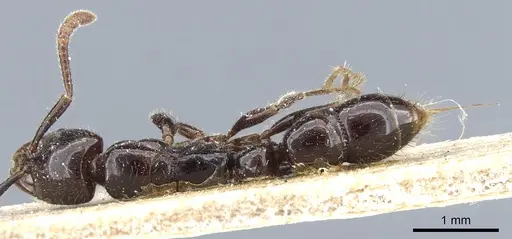
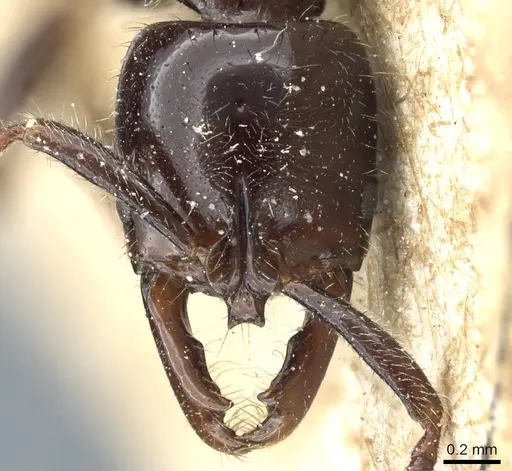
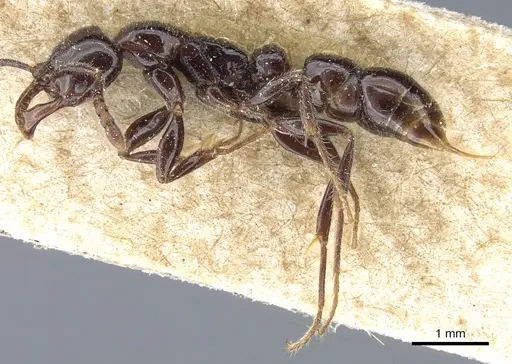
FOCOL1008
View on AntWeb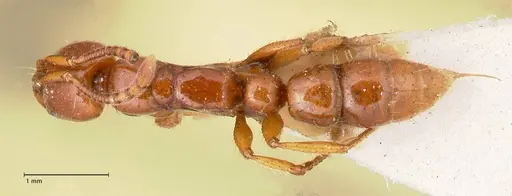
FOCOL1009
View on AntWeb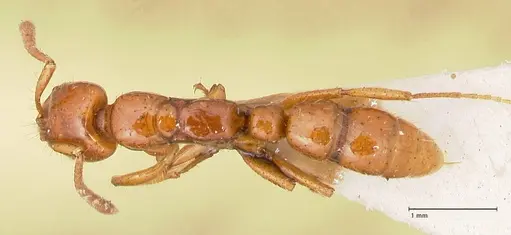
FOCOL1010
View on AntWeb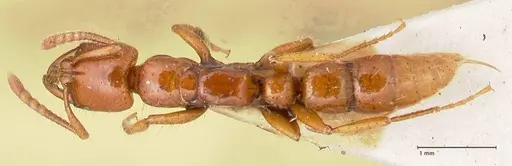
Literature
Loading...Loading products...