

Mycocepurus goeldii
- Scientific Name
- Mycocepurus goeldii
- Tribe
- Attini
- Subfamily
- Myrmicinae
- Author
- Forel, 1893
- Distribution
- Found in 4 countries
Mycocepurus goeldii Overview
Mycocepurus goeldii is an ant species of the genus Mycocepurus. It is primarily documented in 4 countries , including Argentina, Bolivia, Plurinational State of. Detailed taxonomic data and occurrence records can be further explored via authoritative databases such as AntWeb or the Global Biodiversity Information Facility (GBIF).
Mycocepurus goeldii
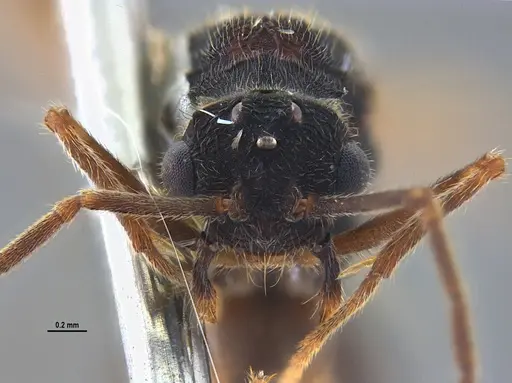
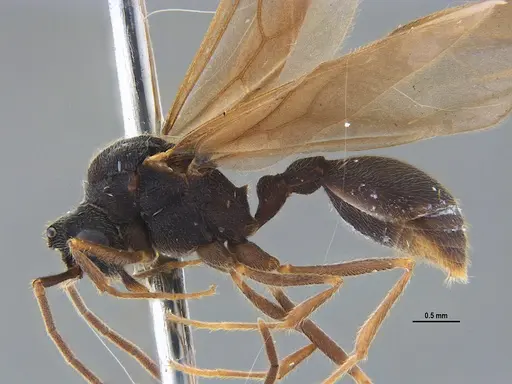
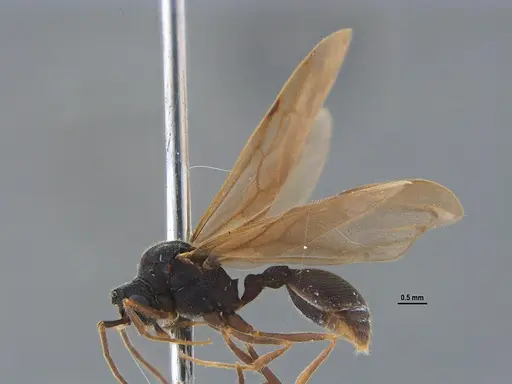
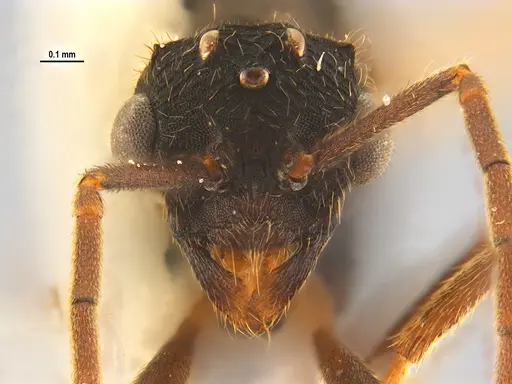
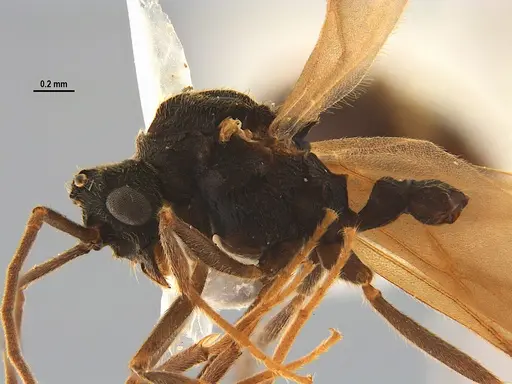
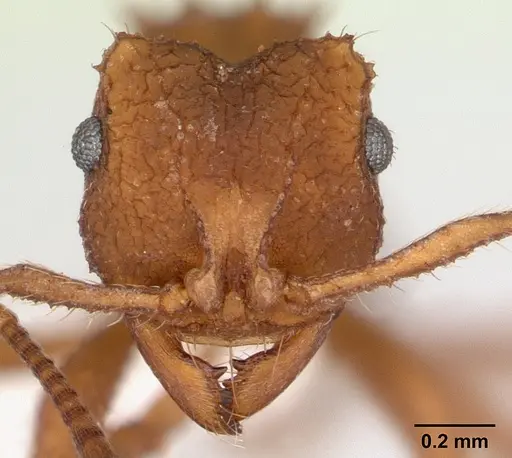
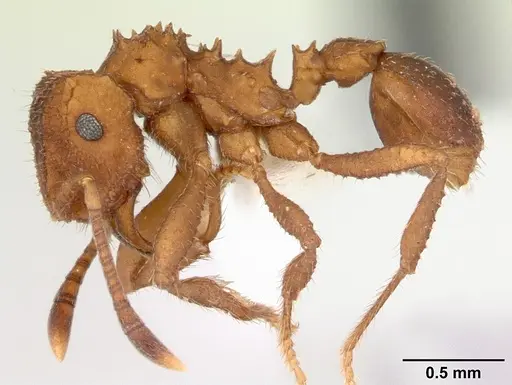
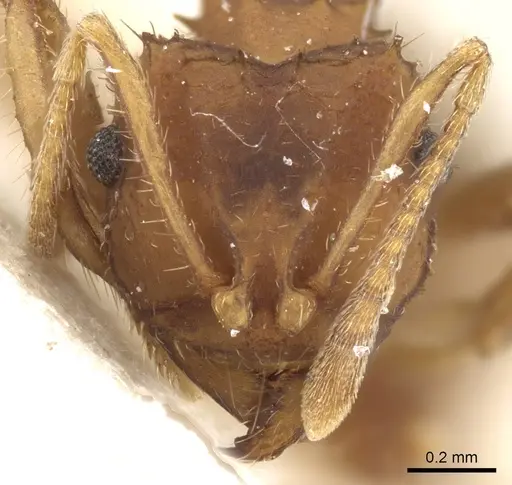
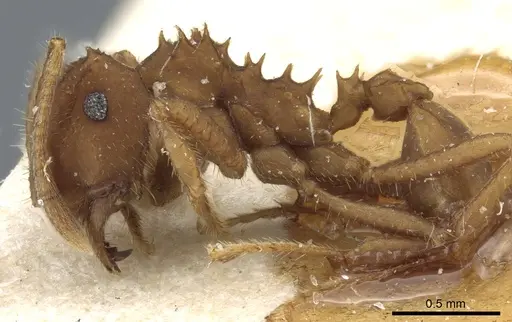
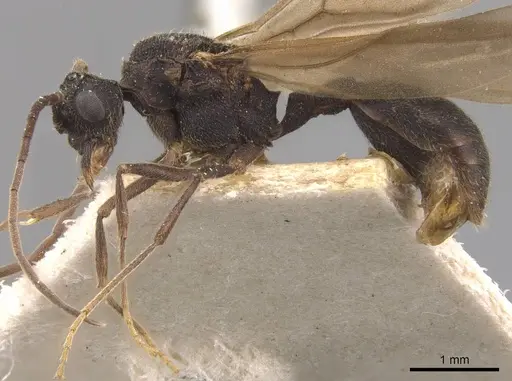
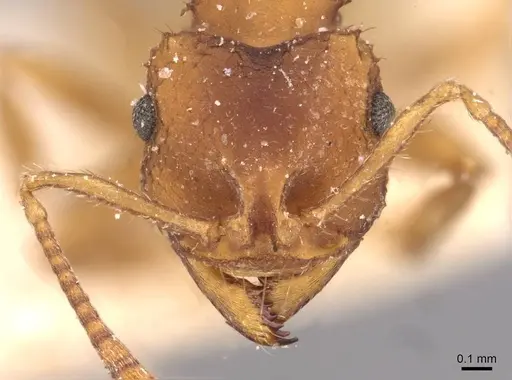
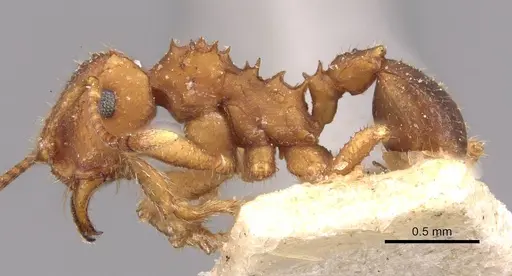
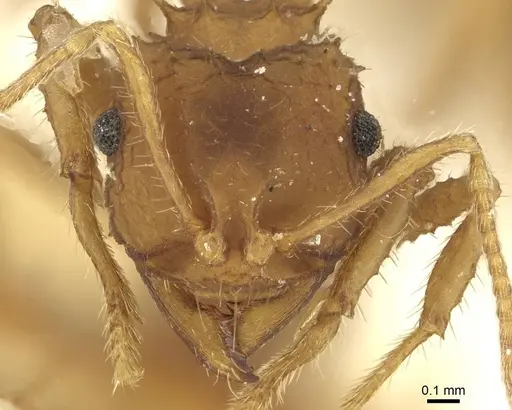
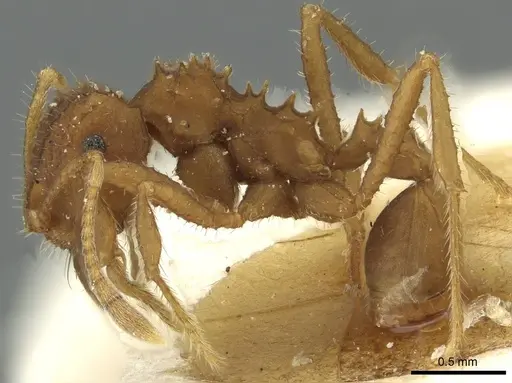
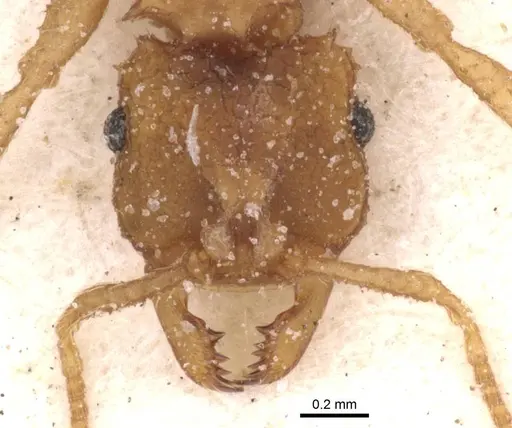
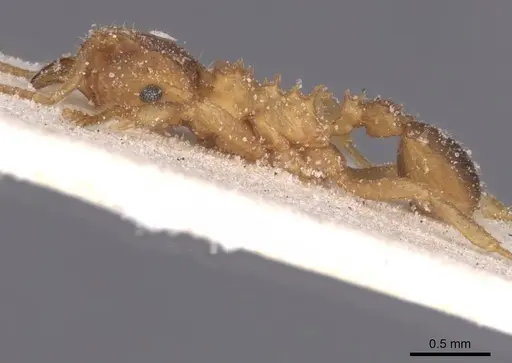
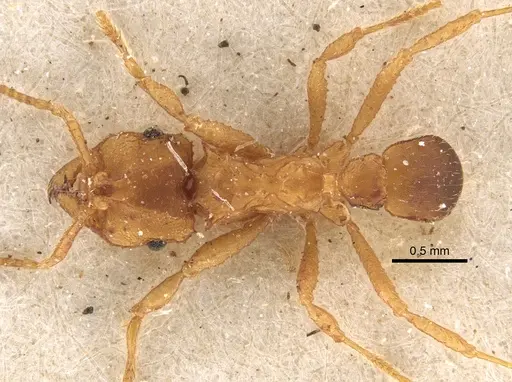
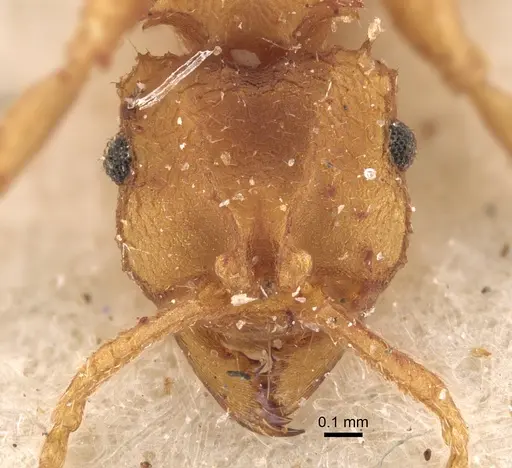
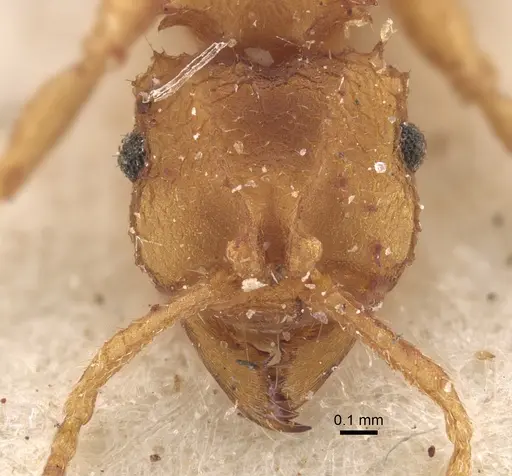
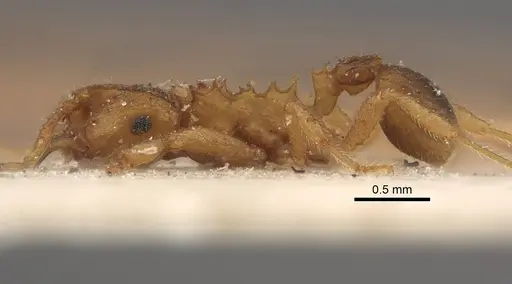
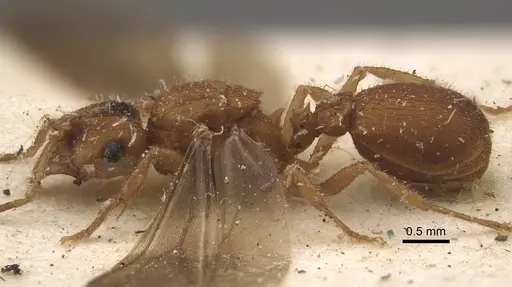
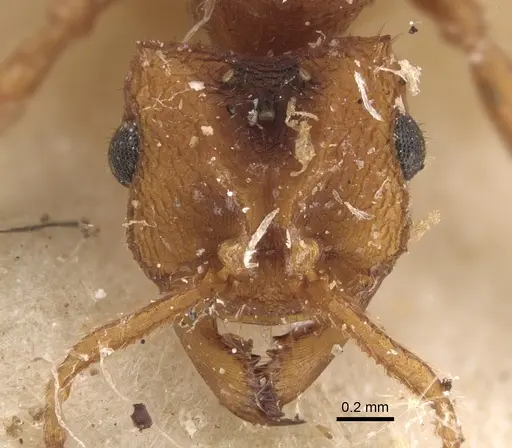
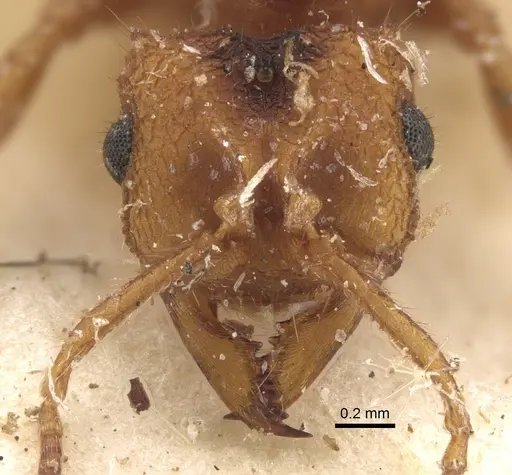
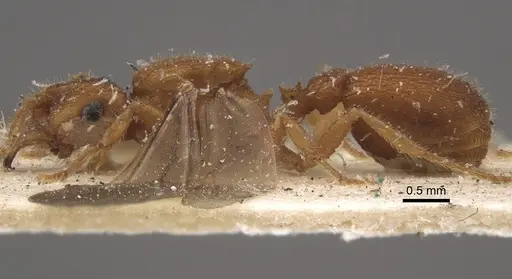
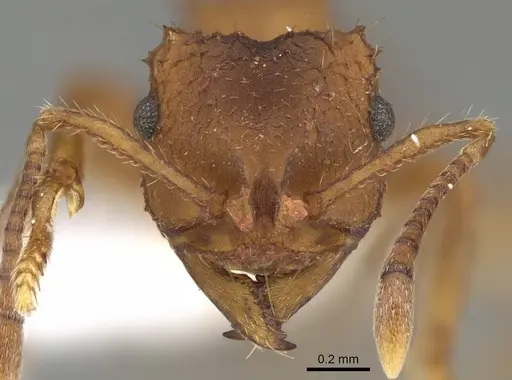
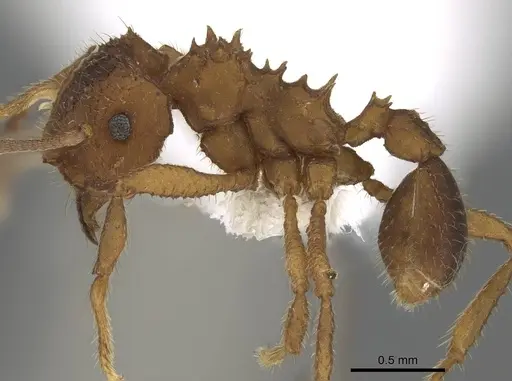
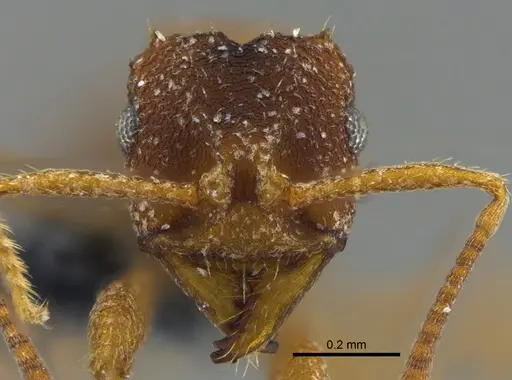
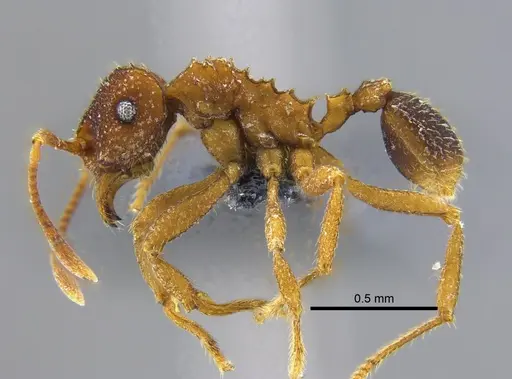
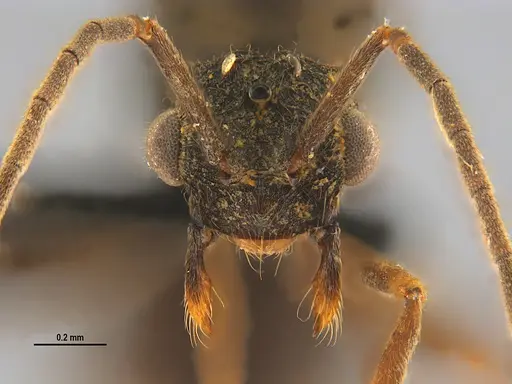
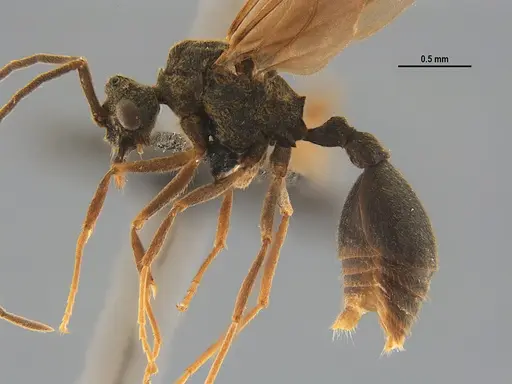
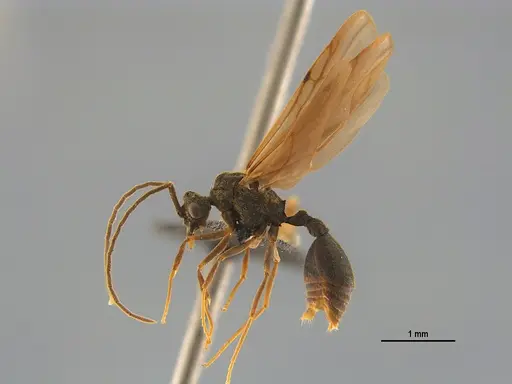
Mycocepurus goeldii is a small fungus-growing ant native to South America, where it ranges from Brazil through Bolivia, Paraguay, and into northern Argentina [1]. Workers are monomorphic (all the same size) and measure around 2-5mm [2], making them one of the smaller attine ants. This species is the largest in the Mycocepurus genus and can be identified by its distinctive spine pattern on the mesosoma (middle body section) [1]. Colonies build elaborate underground nests that can reach nearly 2 meters deep, with multiple chambers housing their fungal gardens [1].
What makes M. goeldii particularly interesting is its social flexibility, it's one of the few fungus-growing ants that can form either single-queen or multi-queen colonies [3]. This species also serves as a host for the workerless social parasite Mycocepurus castrator, which invades colonies and suppresses the host's reproductive output [4]. Unlike leaf-cutter ants that use fresh leaves, these ants cultivate their fungus on decomposing plant matter, insect feces, and other organic debris they collect [5][6].
Quick Summary
- Difficulty: Medium
- Origin & Habitat: Native to South America, found across Brazil, parts of Bolivia, Paraguay, northern Argentina, Colombia, Guyana, and Panama. Inhabits diverse environments from Amazon rainforest to savannah (Cerrado) and agricultural areas [1][7]. Does not occur in elevated mountain regions of the Andes [1].
- Colony Type: Facultatively polygynous, colonies can have a single queen or multiple queens (up to 4 documented). In the Brazilian Amazon, both types occur, in some populations near São Paulo, colonies tend to be single-queen [1][8].
- Colony: Optionally polygyne
- Founding: Claustral
- Size & Growth:
- Queen: Estimated 5-7mm based on genus patterns
- Worker: 2-5mm [2]
- Colony: 100-1,500 workers [9][6]
- Growth: Moderate, based on lower attine patterns
- Development: Estimated 5-8 weeks at optimal temperature based on related lower attine species (Direct development data unavailable, estimates based on genus-level patterns for basal Attini)
- Antkeeping:
- Temperature: Keep at 24-28°C. As a Neotropical species from Brazil, they prefer warm conditions. Avoid temperatures below 20°C.
- Humidity: Moderate to high. Native to humid rainforest and savanna environments, keep nest substrate consistently moist but not waterlogged. Provide a gradient with slightly drier areas for the ants to choose.
- Diapause: No, being tropical, they do not require hibernation. However, slight seasonal slowdown may occur in cooler months.
- Nesting: Y-tong (acrylic) or plaster nests work well. These ants are substrate farmers and need space for their fungus garden. Provide deep nesting areas since wild colonies can reach 190cm deep [1]. A naturalistic setup with soil chambers mimics their natural nesting preferences.
- Behavior: Generally peaceful and non-aggressive. Workers forage individually for organic matter to feed their fungus garden rather than forming large foraging columns. They are small but active, and because of their size, escape prevention should include fine mesh barriers. Workers are fungivores, they don't hunt large prey but maintain their fungal crop. They may accept small protein sources like fruit flies or tiny insects. They are not known to sting and pose no danger to keepers.
- Common Issues: small size means escapes are likely without fine mesh barriers, colonies can be sensitive to mechanical disturbance that affects their fungus substrate, social parasite Mycocepurus castrator exists in the wild, wild-caught colonies may be parasitized, requires consistent moisture for fungus health, drying out can be fatal, slow founding phase, queen may take months to raise first workers
Nest Preferences and Housing
Mycocepurus goeldii nests in soil, often with rotten wood or organic debris near the entrance. Wild colonies excavate deep nests reaching nearly 2 meters below the surface, with individual chambers averaging 35cm deep [1][6]. Each colony typically has 4-21 chambers, with about half containing fungus gardens [10][6]. Chamber volumes average around 629cm³, and the fungus gardens are typically laminar sponges suspended from the chamber ceiling [6].
For captive care, a Y-tong (acrylic) nest or plaster formicarium works well. Provide deep enough chambers to accommodate their natural tendency to build multiple levels. The nest should have areas of moist substrate for the fungus garden and slightly drier areas where ants can retreat if conditions become too wet. Because they cultivate fungus, the nest material should be able to hold some moisture without becoming waterlogged. A small water reservoir or moisture gradient helps maintain the humidity they need. Test tube setups can work for founding colonies but will need upgrading as the colony grows.
Feeding and Diet
As a lower attine (basal fungus-growing ant), M. goeldii has a different diet than leaf-cutter ants. Instead of cutting fresh leaves, they cultivate their fungus garden on partially decomposed organic matter. In the wild, they primarily use insect feces, fruit pulp, seeds, flower remains, and even bird or insect excrement as substrate for their fungus [5][11][6]. They also collect highly decomposed leaf litter [12].
In captivity, you can feed the colony small amounts of organic matter like fruit scraps, crushed insects, or specialized ant food formulated for fungus-growers. The key is providing variety, they need different substrates to maintain a healthy fungus garden. Some keepers report success with tiny fruit flies, small pieces of fruit, or even small amounts of honey water (though this should be offered sparingly and removed if not consumed). The fungus garden is their primary food source, so maintaining its health is critical. Avoid overfeeding protein-rich foods that could harm the fungus.
Temperature and Seasonal Care
Being a Neotropical species from Brazil and surrounding countries, M. goeldii prefers warm temperatures in the range of 24-28°C. They are found in diverse habitats from Amazon rainforest to Cerrado savanna, all of which maintain relatively warm year-round temperatures [1]. Avoid exposing them to temperatures below 20°C for extended periods.
Unlike temperate ants, they do not require a true hibernation period. However, slight seasonal variations in activity may occur, colonies may be less active during cooler months even indoors. If you keep room temperature in the low-to-mid 20s°C, they should do well year-round. A heating cable on one side of the nest can create a temperature gradient, allowing ants to choose their preferred spot. Just be careful not to overheat or dry out the nest.
Colony Structure and Reproduction
One of the most interesting aspects of M. goeldii is its flexible colony structure. This species is one of the few fungus-growing ants that can form either single-queen (monogyne) or multi-queen (polygynous) colonies [3]. In the Brazilian Amazon, both types occur in the same area, while populations near São Paulo tend to be primarily single-queen [8].
Colony sizes range from about 100 to 1,500 workers [9][6], with an average of around 319 workers in studied wild colonies [6]. Nuptial flights occur seasonally, typically starting around October in the Amazon region. During this time, workers dramatically modify the nest mound, creating 20-30 entrance holes that give the mound a sponge-like appearance [13][14]. After mating, workers close the extra entrances, returning to a single entrance. Queens may mate with multiple males (polyandry), with documented mating frequencies of up to 4 matings [15].
Behavior and Defense
M. goeldii workers are small but active and generally peaceful. They don't exhibit aggressive swarming behavior like some larger attines. Their primary defense is staying underground and avoiding confrontation. Workers are not known to sting, and due to their small size, even if they could sting, it would not penetrate human skin.
Foraging occurs individually or in small groups, with workers collecting organic debris to bring back to the nest for fungus cultivation. They are not aggressive defenders and pose no danger to keepers. However, because of their small size, they can escape through tiny gaps. Excellent escape prevention with fine mesh is essential, even small gaps in tubing or lid seals can allow escapes.
One notable behavior is their nest modification during mating season, when workers create multiple entrances. This is normal seasonal behavior and not a cause for concern. [13][14]
Common Problems and Health
Several issues can affect M. goeldii colonies in captivity. The most critical is maintaining the fungus garden, if the fungus dies, the colony will not survive. This means avoiding sudden changes in humidity, temperature extremes, and contaminated substrate. Keep the nest consistently moist but never waterlogged.
Mechanical disturbance can also impact them, they are sensitive to vibrations and nest disturbances that might damage their fungus gardens [16]. When working with the colony, be gentle and minimize disruption.
Wild-caught colonies may be parasitized by the social parasite Mycocepurus castrator [1]. If your wild-caught colony shows unusual behavior (no sexual brood, strange queen behavior), parasitism is a possibility.
Finally, their small size makes escape prevention critical. Use fine mesh on all openings and check connections regularly.
Frequently Asked Questions
Can I keep Mycocepurus goeldii in a test tube?
Test tubes can work for founding colonies, but you'll need to upgrade to a larger formicarium as the colony grows. These ants need space for their fungus garden, and wild colonies have multiple chambers. A test tube is fine for the founding phase, but plan to move them to a Y-tong or plaster nest within 6-12 months.
What do Mycocepurus goeldii eat?
They are fungus-growers, so they cultivate a fungal garden for food. In captivity, offer small amounts of fruit, crushed insects, or specialized fungus-grower food. Avoid large prey items, they prefer decomposing organic matter over hunting. Remove uneaten food promptly to prevent mold.
How long until first workers in Mycocepurus goeldii?
Exact development time is unconfirmed, but based on related lower attine species, expect 5-8 weeks from egg to first worker at optimal temperature (around 26°C). Founding queens may take several months to raise their first workers, so patience is needed.
Are Mycocepurus goeldii good for beginners?
They are rated as medium difficulty. While not the easiest ant to keep, they are manageable for intermediate antkeepers. The main challenges are maintaining the fungus garden and providing proper humidity. They are more demanding than simple sugar-feeding ants but easier than leaf-cutters.
Can I keep multiple queens together?
Yes, this species is facultatively polygynous, meaning colonies can have multiple queens. However, for captive breeding, starting with a single queen is simpler and more predictable. If you introduce multiple unrelated foundress queens, monitor for aggression, they may fight initially.
Do Mycocepurus goeldii need hibernation?
No. As a Neotropical species from Brazil, they do not require hibernation. They prefer consistent warm temperatures year-round. Slight seasonal slowdown may occur in cooler months, but no special winter care is needed.
Why is my Mycocepurus goeldii colony dying?
The most likely cause is fungus garden decline. Check humidity levels (should be consistently moist but not wet), temperature (should be 24-28°C), and substrate contamination. Also check for parasites. If the fungus looks unhealthy or isn't growing, review your feeding and moisture practices.
When should I move Mycocepurus goeldii to a formicarium?
Move them when the test tube becomes crowded or the fungus garden fills more than half the tube. This is typically when the colony reaches 30-50 workers. A Y-tong or plaster nest with multiple chambers works best for established colonies.
How big do Mycocepurus goeldii colonies get?
Wild colonies reach 100-1,500 workers, with an average around 319 workers [9][6]. In captivity, well cared-for colonies can reach similar sizes given time and proper care.
What temperature is best for Mycocepurus goeldii?
Keep them at 24-28°C. As a Brazilian species, they prefer warm conditions. A slight gradient allowing cooler areas (around 24°C) and warmer spots (up to 28°C) lets the ants choose their preferred temperature.
References

This caresheet is licensed under CC BY-SA 4.0 .
ANTWEB1047309
View on AntWeb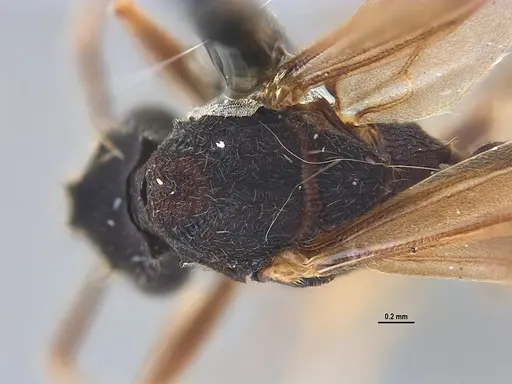
ANTWEB1047344
View on AntWeb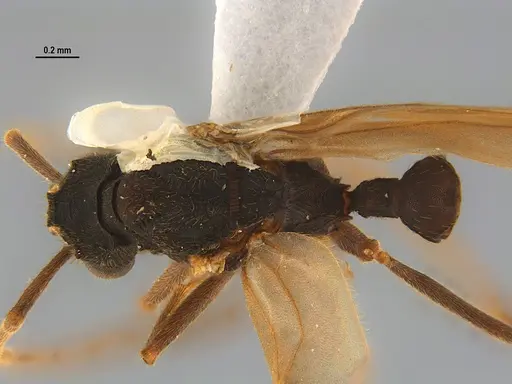
CASENT0173988
View on AntWeb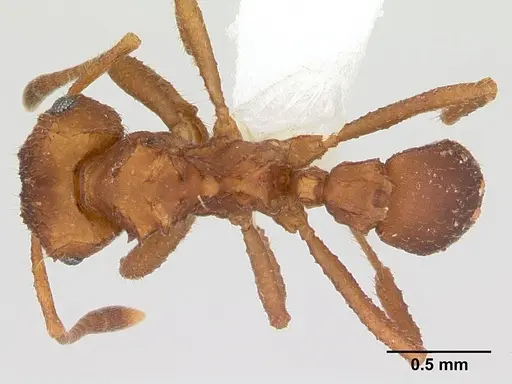
CASENT0904975
View on AntWeb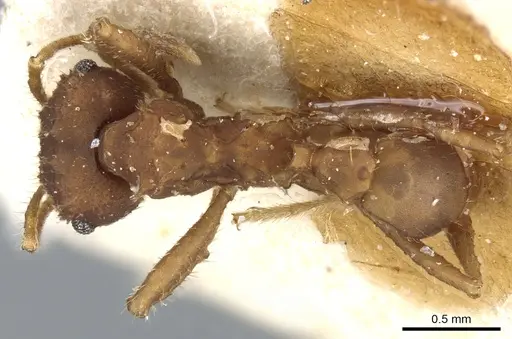
CASENT0905915
View on AntWeb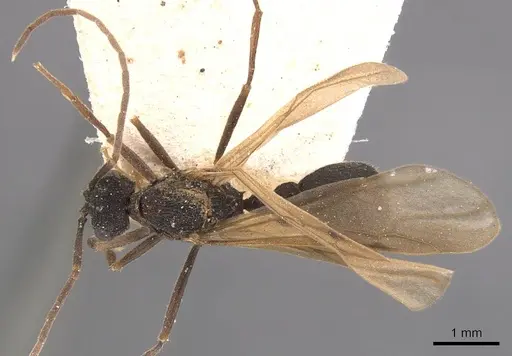
CASENT0909358
View on AntWeb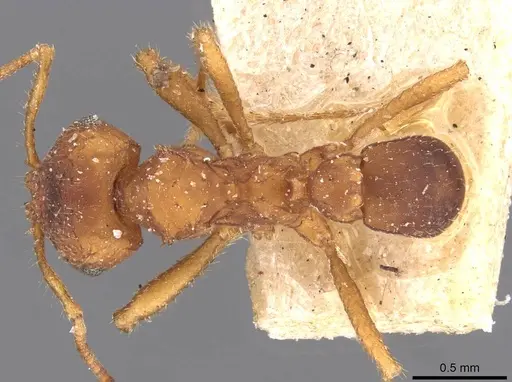
CASENT0912511
View on AntWeb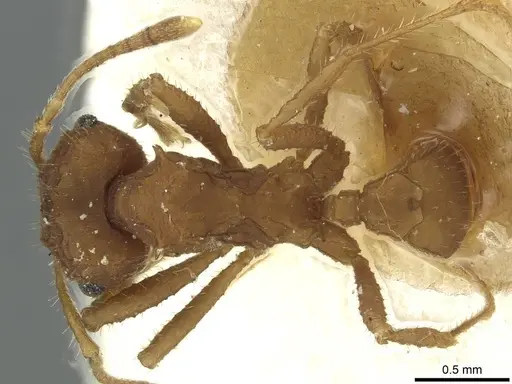
CASENT0912512
View on AntWeb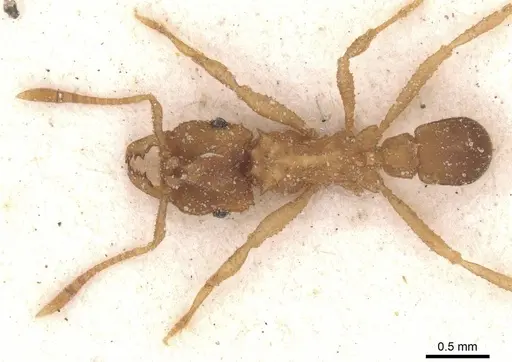
CASENT0917842
View on AntWeb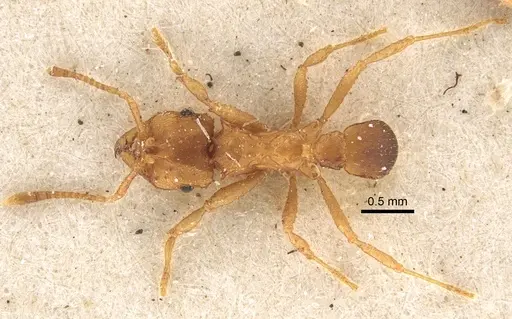
CASENT0917843
View on AntWeb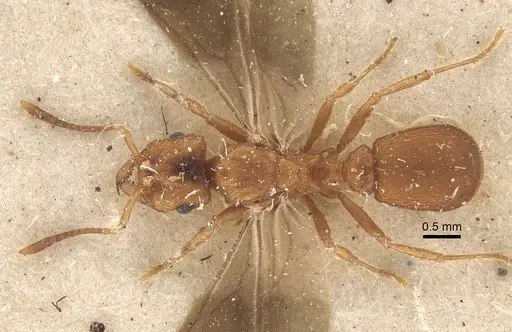
CASENT0922152
View on AntWeb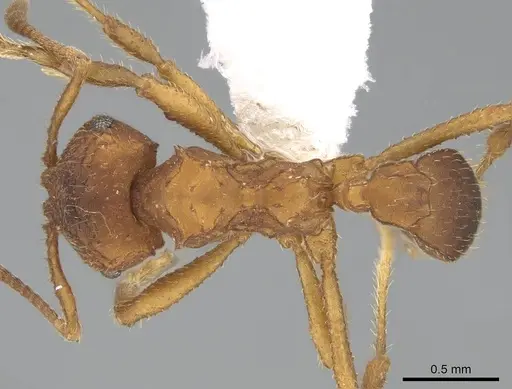
IAVH-E-262262
View on AntWeb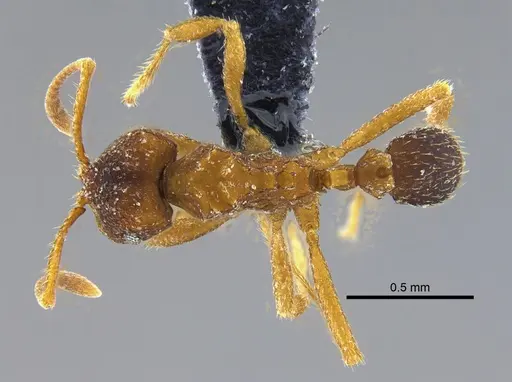
UFV-LABECOL-004883
View on AntWeb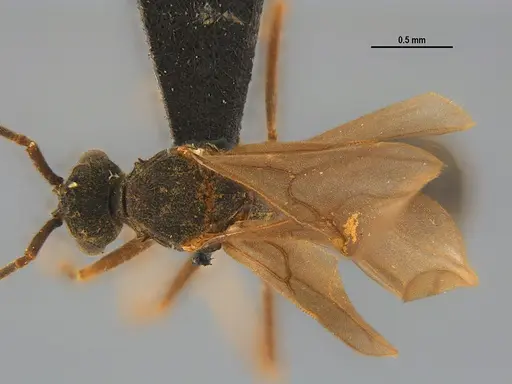
Literature
Loading...Loading products...