

Mycetophylax olitor
- Scientific Name
- Mycetophylax olitor
- Tribe
- Attini
- Subfamily
- Myrmicinae
- Author
- Forel, 1893
- Distribution
- Found in 2 countries
Mycetophylax olitor Overview
Mycetophylax olitor is an ant species of the genus Mycetophylax. It is primarily documented in 2 countries , including Argentina, Brazil. Detailed taxonomic data and occurrence records can be further explored via authoritative databases such as AntWeb or the Global Biodiversity Information Facility (GBIF).
Mycetophylax olitor
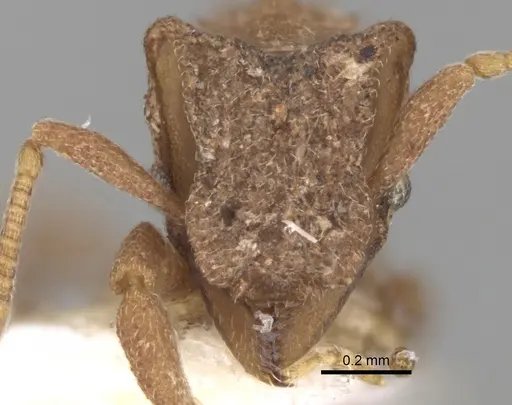
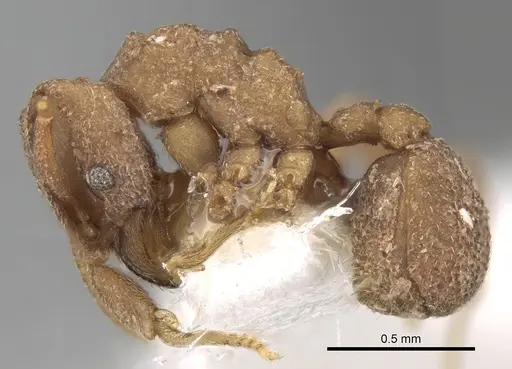
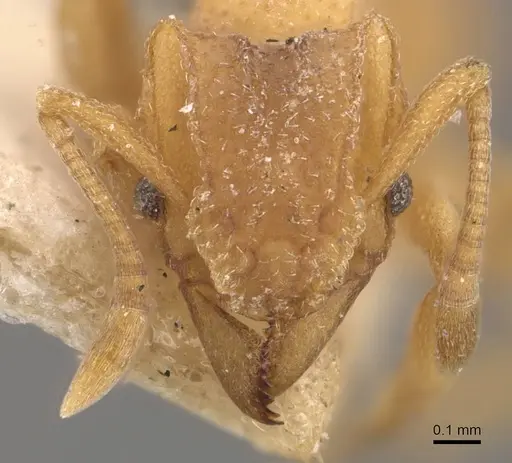
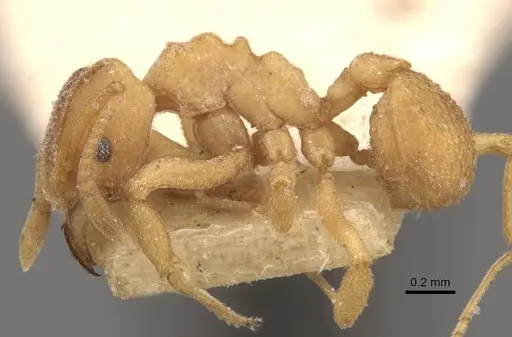
Mycetophylax olitor is a small fungus-growing ant native to southeastern Brazil, northwestern Argentina, and Paraguay. Workers measure 2.6-3.5mm and are yellowish-brown with a reddish-brown head, while queens are slightly larger at 3.3-3.4mm and have a darker rusty coloration. Like all Attini ants, this species cultivates fungus for food, they gather organic material to grow their fungal gardens rather than foraging for insect prey. They belong to the same tribe as the famous leaf-cutter ants but are much smaller and less aggressive. These ants prefer moist subtropical forests and are considered habitat specialists, found primarily in primary forest environments [1].
Quick Summary
- Difficulty: Medium
- Origin & Habitat: Southeastern Brazil (Rio Grande do Sul to Rio de Janeiro), northwestern Argentina (Tucumán), and Paraguay. Found in mesophilous subtropical woods in moist surroundings[2].
- Colony Type: Colony structure is unconfirmed. Like other Attini, likely single-queen colonies but this has not been directly studied.
- Size & Growth:
- Queen: 3.3-3.4mm
- Worker: 2.6-3.5mm
- Colony: Unknown, likely small to moderate based on related species
- Growth: Moderate, estimated based on typical Attini development
- Development: 6-10 weeks (estimated based on related Attini species) (Development time is estimated, no direct studies exist for this species. Related fungus-growing ants typically take 6-10 weeks from egg to worker at optimal temperatures.)
- Antkeeping:
- Temperature: Keep around 22-26°C. Based on their subtropical origin from southeastern Brazil and Argentina, they prefer warm but not hot conditions. A gentle temperature gradient allows them to regulate.
- Humidity: Moderate to high humidity (60-80%). They come from moist subtropical forests and Restinga habitats in Brazil [3][4]. Keep the nest substrate consistently moist but not waterlogged.
- Diapause: Unknown, no specific studies on overwintering requirements. Southern Brazilian populations may experience mild winter dormancy. Consider a cool period (15-18°C) for 2-3 months during winter months if colony shows reduced activity.
- Nesting: In nature, they likely nest in soil or decaying wood in shaded forest areas. In captivity, a Y-tong (AAC) nest or plaster nest works well. They need a dark, humid chamber for their fungal garden. Provide a foraging area with access to their fungal substrate.
- Behavior: These are peaceful, non-aggressive ants that focus on cultivating fungus rather than defending territory. Workers are small (under 4mm) so escape prevention is important, they can slip through small gaps. They are not known to sting and pose no danger to keepers. As fungus farmers, they spend most of their time tending to their fungal gardens rather than foraging aggressively.
- Common Issues: fungal garden collapse is the main risk, these ants depend entirely on their fungus culture surviving, small size means escape prevention must be good despite their docile nature, humidity control is critical, too dry kills the fungus, too wet causes mold, slow growth compared to predatory ants may frustrate beginners, wild-caught colonies may struggle to establish if the fungal culture is damaged during collection
Fungus Farming - The Key to Their Care
Mycetophylax olitor belongs to the Attini tribe, a group of ants that evolved to cultivate fungus for food instead of hunting prey or collecting honeydew. This is the most important thing to understand about their care. Unlike typical ants that need protein and sugar, these ants need organic material (like dead leaves, flower petals, or fruit scraps) that they use to grow their fungal garden. The queen starts the fungal culture during founding by carrying a small piece of fungus in her mouth. She tends it while sealed in her founding chamber, feeding it with her own secretions and the organic material she stores. Once workers emerge, they take over fungus cultivation duties. In captivity, you must provide a continuous supply of organic material for them to add to their garden. Without a healthy fungal culture, the colony will starve even if plenty of other food is available. The fungus appears as a white, cottony mass in the nest chamber. [2]
Feeding and Nutrition
These ants do not hunt live prey as their primary food source. Instead, they collect organic debris to feed their fungal garden. Offer small pieces of dead leaves, flower petals, fruit scraps, or dried grass. The ants will cut these into smaller pieces and add them to their fungus. You can also offer a small amount of honey water or sugar water occasionally, but this is not their main diet, the fungus is. Some keepers report success offering very small amounts of crushed insects, but this is not required and likely not a significant part of their natural diet. The key is providing a constant supply of organic material for the fungus. Replace the organic material before it molds. The amount needed is small, a few leaf fragments per week for a small colony.
Nest Setup and Environment
These small ants need a humid, dark environment to thrive. A Y-tong (AAC) nest or plaster formicarium works well because it holds humidity while allowing you to observe the colony. The nest chamber should be kept dark, these ants are not daylight-active and prefer minimal light exposure. Keep the nest substrate consistently moist but never waterlogged. The humidity level should be high (60-80%) to support the fungal culture. A water reservoir or moisture tube connected to the nest helps maintain proper humidity. The foraging area can be kept at room humidity. Because they are small (under 4mm), ensure all connections and barriers are tight. They are not strong climbers, but can slip through tiny gaps. [3][4]
Temperature and Seasonal Care
Keep your colony at 22-26°C. This matches their native subtropical habitat in southeastern Brazil and Argentina. Temperatures below 20°C may slow activity and fungal growth, while temperatures above 28°C can stress the colony and dry out the nest. A heating cable on one side of the nest creates a temperature gradient that lets the ants choose their preferred zone. During winter (roughly December-February in the Southern Hemisphere corresponding to June-August in the Northern Hemisphere), you might lower temperatures slightly to 18-22°C if the colony shows reduced activity. This winter rest period may help trigger reproductive behavior, though specific requirements are not documented for this species.
Behavior and Colony Dynamics
Mycetophylax olitor is a peaceful, non-aggressive species. Workers spend most of their time tending the fungal garden rather than foraging aggressively. They are not territorial and do not defend food sources aggressively. Queens are significantly larger than workers (3.3-3.4mm vs 2.6-3.5mm) and have the typical stocky build of fungus-growing ants. The colony grows relatively slowly compared to predatory ants because they must build their fungal culture before workers can be produced in large numbers. First workers (nanitics) are typically smaller than normal workers. The colony will remain small, likely under a few hundred workers, because they are a small species with a specialized lifestyle.
Frequently Asked Questions
What do Mycetophylax olitor ants eat?
They are fungus farmers, not typical ant eaters. They collect organic material like dead leaves, flower petals, and fruit scraps to feed their fungal garden. The fungus is their actual food, they eat the fungal strands, not the debris directly. You can occasionally offer a drop of honey water, but organic material for the fungus is essential.
How long does it take for first workers to emerge?
Estimated 6-10 weeks from egg to first worker based on related Attini species. No specific studies exist for this species. The queen seals herself in during founding and tends the fungus until first workers emerge.
Can I keep multiple queens together?
Not recommended. There is no documented evidence for multi-queen colonies in this species. Related Attini are typically single-queen colonies. Starting with one queen is the safest approach.
What is the best nest type for Mycetophylax olitor?
A Y-tong (AAC) or plaster nest works best because these materials hold humidity well. The nest must stay dark and humid to support the fungal culture. Avoid dry acrylic nests.
Are these ants good for beginners?
They are rated as medium difficulty. The main challenge is maintaining a healthy fungal culture, without it, the colony starves. They are less exciting than predatory ants because they don't hunt, but their fungus-farming behavior is fascinating to watch.
How big do colonies get?
Likely under 500 workers based on their small size and related species. They remain small colonies compared to common pet ants like Lasius or Camponotus.
Do they need hibernation?
Unknown. Southern Brazilian populations may experience mild winter dormancy. Consider a cool period (15-18°C) for 2-3 months during winter if the colony shows reduced activity, but this is not well-documented for this species.
Why is my fungus dying?
The most common causes are: too dry (humidity below 50%), too wet (causing mold), or contaminated material. Use only clean organic material and maintain consistent humidity. If the fungus turns black or smells bad, remove it immediately and offer fresh material.
Where is this species found in the wild?
Southeastern Brazil (from Rio Grande do Sul to Rio de Janeiro states), northwestern Argentina (Tucumán), and Paraguay. They live in moist subtropical forests and Restinga habitats.
References

This caresheet is licensed under CC BY-SA 4.0 .
CASENT0281769
View on AntWeb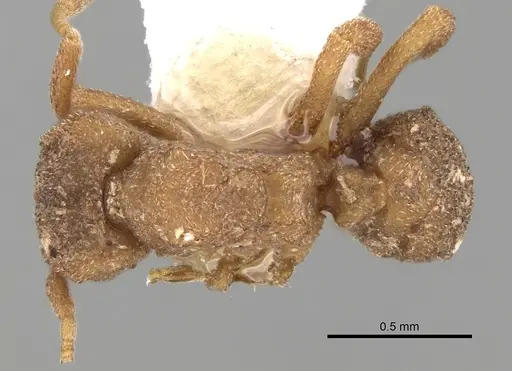
CASENT0909375
View on AntWeb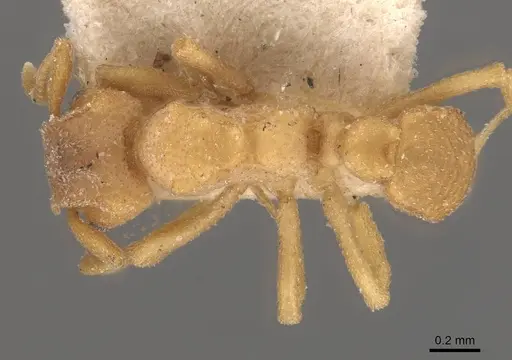
Literature
Loading...Loading products...