

Mycetophylax conformis
- Scientific Name
- Mycetophylax conformis
- Tribe
- Attini
- Subfamily
- Myrmicinae
- Author
- Mayr, 1884
- Distribution
- Found in 5 countries
Mycetophylax conformis Overview
Mycetophylax conformis is an ant species of the genus Mycetophylax. It is primarily documented in 5 countries , including Brazil, Grenada, French Guiana. Detailed taxonomic data and occurrence records can be further explored via authoritative databases such as AntWeb or the Global Biodiversity Information Facility (GBIF).
Mycetophylax conformis
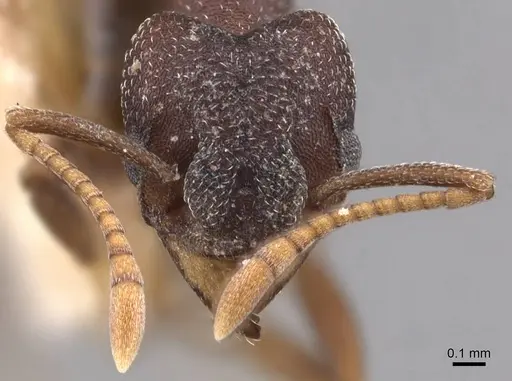
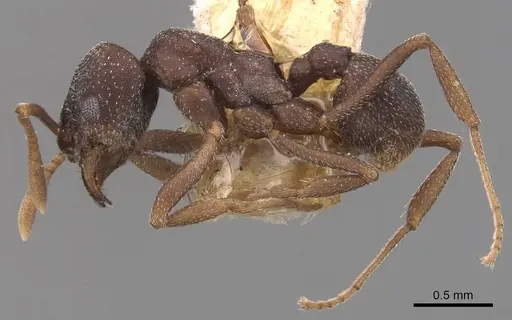
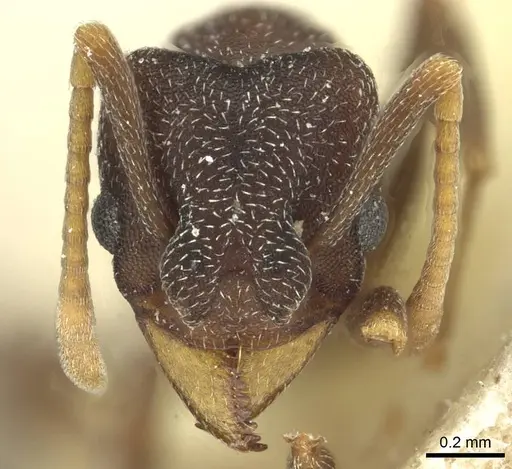
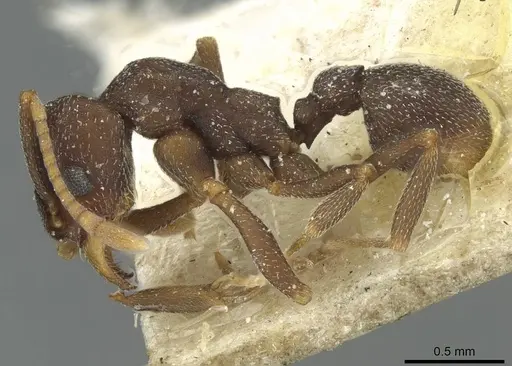
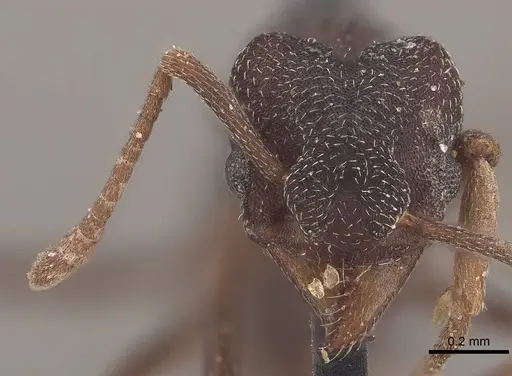
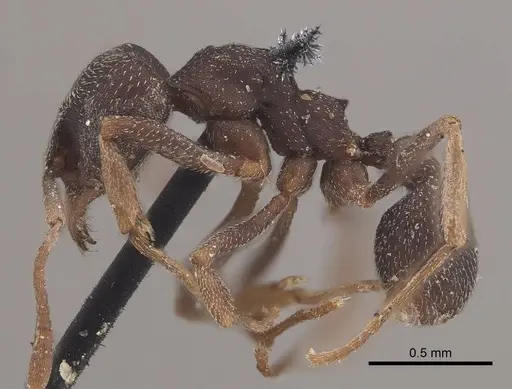
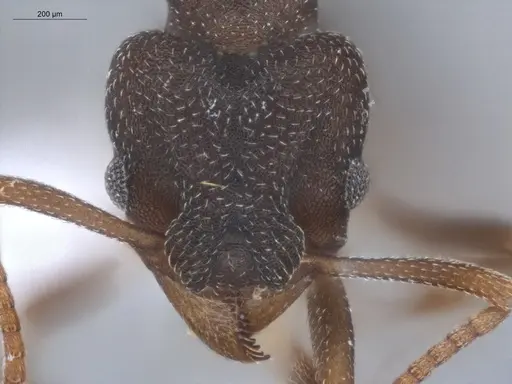
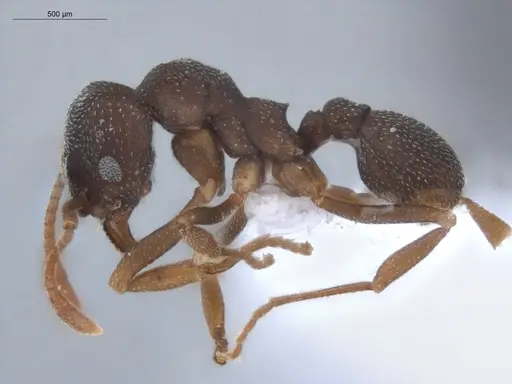
Mycetophylax conformis is a small fungus-growing ant native to Atlantic coast beaches from Brazil through the Caribbean. Workers measure 2.6-3.4mm and are dark brown to black with distinctive short golden hairs covering their body. Queens are larger at 4.0-4.7mm and yellowish to brown depending on age. This species belongs to the Attini tribe, meaning they cultivate fungus for food, one of the few ant groups with agriculture. They build nests in dry sand dunes near the sea, with small entrance holes surrounded by sand craters. Colonies are small, typically under 300 workers, and always have a single queen [1][2][3].
What makes M. conformis special is their unique nesting habitat, they're one of the few ants that live exclusively in beach sand dunes. They also have an unusual relationship with their fungus garden, which they tend in chambers underground. Unlike many ants, they forage right at the water's edge and will even use dead insects and sometimes their own dead nestmates as substrate for their fungus [1][4]. This species is monandrous, meaning the queen mates only once in her lifetime [1][5].
Quick Summary
- Difficulty: Medium
- Origin & Habitat: Atlantic coast beaches from Brazil to Caribbean, specifically sandy dunes and restingas (coastal sand vegetation areas) near the sea [1][2][3]. They nest in dry sand at the pre-dune zone, close to the ocean but far enough to avoid flooding [4].
- Colony Type: Monogyne, colonies always have a single queen. Queens are monandrous (mate only once). Workers can lay eggs if the queen dies, producing males [1][5].
- Colony: Monogyne
- Founding: Claustral
- Size & Growth:
- Queen: 4.0-4.65 mm [1][2]
- Worker: 2.6-3.4 mm [1][2]
- Colony: Up to 337 workers (mean 118), rarely exceeds 600 [1][3][6]
- Growth: Slow to moderate, small colonies and lower agriculture system [1]
- Development: Unknown, direct development data not available. Based on related lower Attini, estimate 8-12 weeks at warm temperatures. (Lower agriculture systems typically develop slower than higher Attini. No specific studies on development timeline for this species.)
- Antkeeping:
- Temperature: Keep at 24-28°C. They naturally occur in warm tropical coastal areas. A gentle heat gradient is beneficial as they move between chambers [1].
- Humidity: Low to moderate, these are beach dune ants that tolerate dry conditions. Keep nest substrate lightly moist but allow to dry partially between waterings. Avoid waterlogging which can kill the fungus [1][4].
- Diapause: No, being a tropical species, they do not require hibernation. However, slight temperature reduction during winter months may slow activity naturally [1].
- Nesting: Use a naturalistic setup with sand or a hybrid nest (Y-tong/plaster) with a sand area. They prefer narrow tunnels (~3mm diameter in the wild) and need proper drainage. A small water reservoir is fine but avoid flooding. Their natural nests have 1-3 fungus chambers 15-50cm deep [1][4][3].
- Behavior: These ants are relatively docile and not aggressive. Workers are small but active foragers that search along the water's edge for plant material and insect remains. They will readily accept various organic matter for their fungus garden. Escape risk is moderate, their small size means they can squeeze through small gaps, so use fine mesh barriers. They close their nest entrance during windy weather and may build new entrances after rainfall [1][4].
- Common Issues: Fungus garden failure is the main risk, these ants depend entirely on their fungus, and improper humidity or contamination can kill it, Small colony size means slow growth, beginners may lose patience and overfeed, which molds over the fungus, Escape prevention is important due to their tiny worker size, use fine mesh and tight-fitting barriers, Beach sand substrate can dry out quickly, monitor moisture levels more frequently than soil-based nests, Queens are monandrous, if your queen dies, workers may lay unfertilized eggs producing only males
The Fungus-Growing Lifestyle
Mycetophylylax conformis belongs to the Attini tribe, a group of ants that cultivate fungus for food. This makes them fundamentally different from typical ants, they don't hunt for protein or collect honeydew. Instead, they maintain a fungus garden that they feed with organic material, and the fungus itself is their food source. This is one of the oldest forms of agriculture in the animal kingdom, dating back millions of years. The ants tend their fungus carefully, removing competing molds and providing the right moisture and temperature conditions. In return, the ants get a reliable food source that no other ant species can access [7][8][9].
In the wild, these ants collect plant material and insect remains to feed their fungus. They've been observed using dead insects (particularly Notoxus beetles) and even dead nestmates as substrate. In captivity, you can offer small pieces of leaves, grass, or other plant matter, plus very small insect pieces. The key is variety, the fungus needs different nutrients just like any living organism [1][4].
Housing and Nest Setup
These ants need a setup that accommodates both their fungus garden and their beach dune origins. A naturalistic setup with clean sand works well, use fine silica sand or play sand that drains well. The nest should have a fungus chamber area and narrow tunnels matching their natural 3mm diameter tunnels. You can also use a hybrid formicarium with a plaster or Y-tong section for the fungus garden and a sand outworld for foraging.
The most critical element is drainage. Beach sand drains quickly, and you want to avoid water sitting around the fungus, this causes mold that will kill their garden. Add a small water reservoir but ensure it doesn't flood the fungus area. Some keepers use a thin layer of cotton or sponge as a wick to provide gentle moisture without saturation. The entrance can be very small, about 0.5cm in the wild, and they may close it during unfavorable conditions [1][4][3].
Feeding Your Colony
Feeding fungus-growing ants is different from feeding regular ants. Your main task is providing organic material for the fungus to grow on. Offer small pieces of leaves, grass clippings, flower petals, or other plant matter. Change this material regularly to prevent mold. You can also add tiny pieces of insects, but keep these minimal, too much protein can harm the fungus.
The ants will take the material to their fungus chamber and place it on the garden. Over time, you'll see the fungus grow over the new material. Don't be alarmed if the fungus looks different from what you might expect, lower Attini fungi often appear as a fuzzy mat rather than the large mushroom-like gardens of leafcutter ants. If the fungus turns black or moldy, remove the affected portion and reduce moisture. A healthy garden should be white to off-white [1][4][9].
Temperature and Seasonal Care
As tropical beach dwellers, these ants prefer warm conditions. Keep the nest area at 24-28°C for optimal fungus growth and colony activity. You can use a heating cable on one side of the nest to create a gentle gradient, but never place heat directly on the fungus chamber, this can dry it out or cook the fungus. Room temperature in most homes is acceptable, but you may need to warm slightly in cooler climates.
Since they're from a tropical region, they don't need hibernation. However, they may show reduced activity during winter months naturally. In their native Rio de Janeiro, alate forms (reproductives) have been found in all seasons, suggesting year-round reproduction is possible. Watch your colony, if workers become less active and cluster together, a slight temperature reduction is fine, but don't let temperatures drop below 20°C [1].
Colony Dynamics and Behavior
M. conformis colonies are small by ant standards, typically under 300 workers in the wild, with an average around 118. This is typical for lower Attini, which haven't evolved the massive supercolonies seen in some higher Attini. Each colony has exactly one queen, and she's monandrous, meaning she mates only once during her nuptial flight. This single mating provides all the sperm she needs for life [1][5].
One interesting behavior: if the queen dies or is lost, workers can lay eggs. However, these eggs are unfertilized and will develop into males only. This is a last-ditch survival mechanism, the colony can't produce new queens without a mated queen, but at least males might escape and mate with queens from other colonies. In the lab, colonies have survived over a year with workers showing normal foraging behavior after just five days of adaptation [1].
Frequently Asked Questions
How do I start a Mycetophylax conformis colony?
Start with a mated queen. She'll need a small founding chamber, a test tube setup works well. Provide a small piece of organic material (a tiny leaf fragment or grass piece) for her to start her fungus garden. Keep her warm (26-28°C) and dark. The queen will tend the initial fungus herself until her first workers emerge. This founding phase takes several months, be patient and don't disturb her.
What do fungus-growing ants eat?
They don't eat food directly, they feed their fungus garden. Offer small plant matter like leaf fragments, grass pieces, flower petals, or dead insects. Remove uneaten material before it molds. The fungus is their exclusive food source, so maintaining a healthy garden is essential. Avoid large insect pieces or sugary liquids, these can harm the fungus.
How long does it take for first workers to appear?
Exact development time is unknown for this species. Based on related lower Attini, expect 8-12 weeks from egg to worker at warm temperatures (26-28°C). The first workers (nanitics) will be smaller than normal workers. Growth is slow, these ants have small colonies even when mature.
Can I keep multiple queens together?
No. This species is strictly monogyne, colonies always have exactly one queen. Multiple queens will fight. In the wild, colonies are always founded by a single queen. If you're starting a colony, use one mated queen per setup.
How big do colonies get?
Wild colonies reach 9-337 workers, rarely exceeding 600. In captivity, expect similar sizes, probably under 300 workers even in established colonies. This is normal for lower Attini. They're not large colony ants, so don't expect the massive populations of species like Lasius or Formica.
What temperature do they need?
Keep them at 24-28°C. They're tropical beach ants from the Atlantic coast. A gentle gradient is ideal, use a heating cable on part of the nest. Room temperature is often adequate in warm climates, but may need supplementation in cooler homes.
Do they need hibernation?
No. As a tropical species from Brazil and the Caribbean, they don't require hibernation. They may show slightly reduced activity in cooler months, but no special winter care is needed. Just maintain stable temperatures above 20°C year-round.
Why is my fungus turning black?
Black or dark fungus usually means mold contamination. This happens when the nest is too wet, food is rotting, or ventilation is poor. Remove affected material immediately, reduce moisture, and improve ventilation. The ants may abandon a contaminated chamber and start fresh elsewhere. Prevention is key, keep conditions dry and remove uneaten food promptly.
Are these ants good for beginners?
They're moderate difficulty, not the easiest but not the hardest. The main challenge is maintaining the fungus garden, which is unlike caring for regular ants. If you're interested in fungus-growing ants specifically and understand their unique requirements, they're manageable. For complete beginners, starting with a non-fungus-growing species is recommended.
References

This caresheet is licensed under CC BY-SA 4.0 .
CASENT0905913
View on AntWeb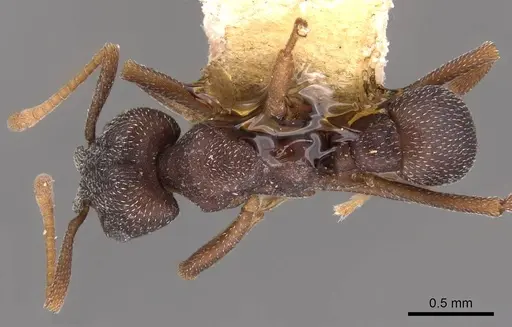
CASENT0912504
View on AntWeb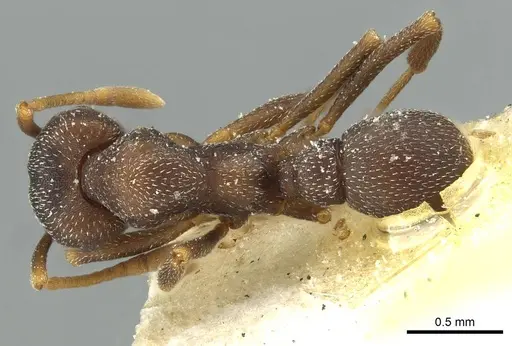
CASENT0919617
View on AntWeb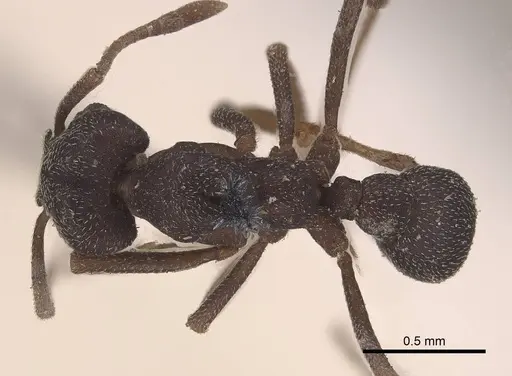
ECOFOG-BUG-1732-09
View on AntWeb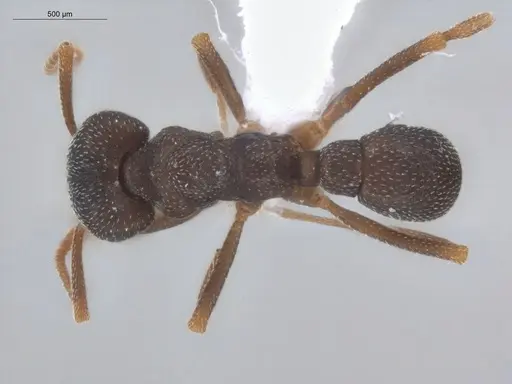
Literature
Loading...Loading products...