

Mycetophylax auritus
- Scientific Name
- Mycetophylax auritus
- Tribe
- Attini
- Subfamily
- Myrmicinae
- Author
- Mayr, 1887
- Distribution
- Found in 1 countries
Mycetophylax auritus Overview
Mycetophylax auritus is an ant species of the genus Mycetophylax. It is primarily documented in 1 countries , including Brazil. Detailed taxonomic data and occurrence records can be further explored via authoritative databases such as AntWeb or the Global Biodiversity Information Facility (GBIF).
Mycetophylax auritus
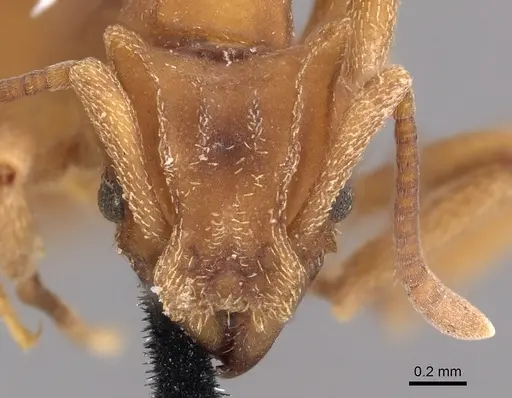
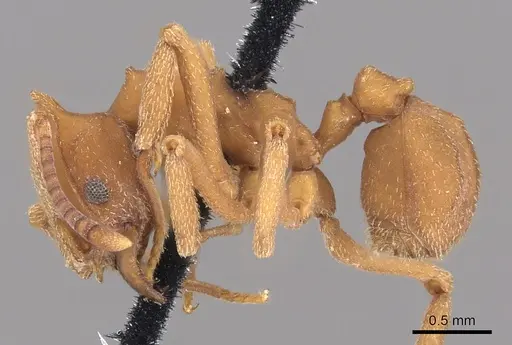
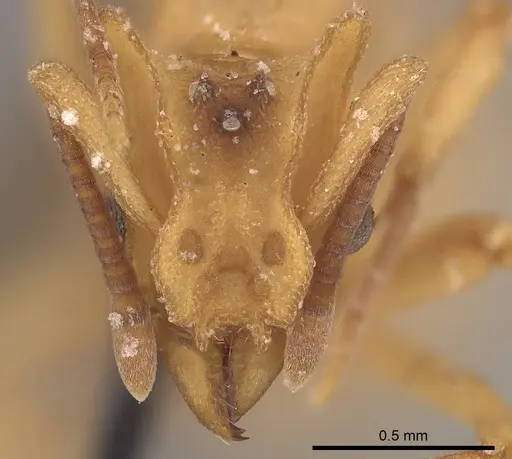
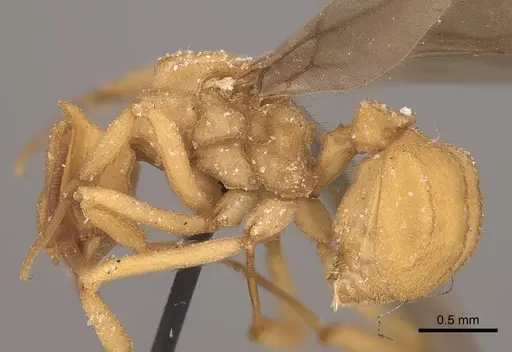
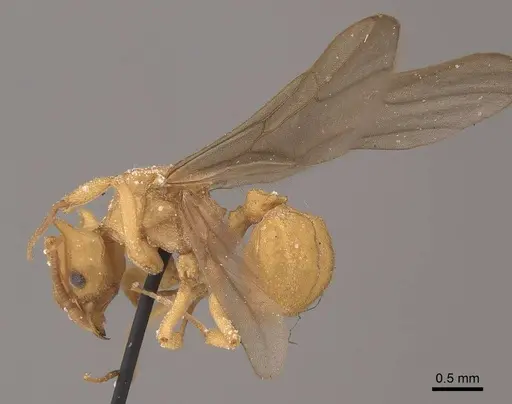
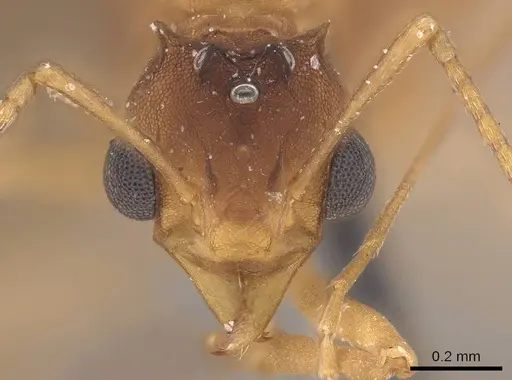
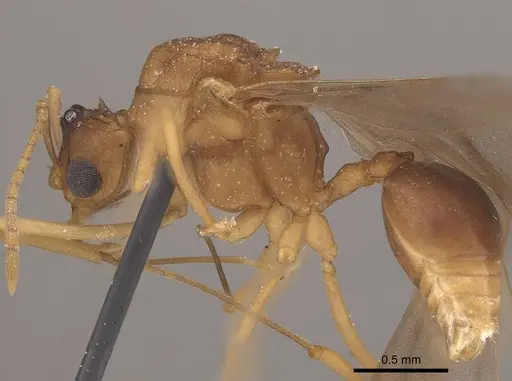
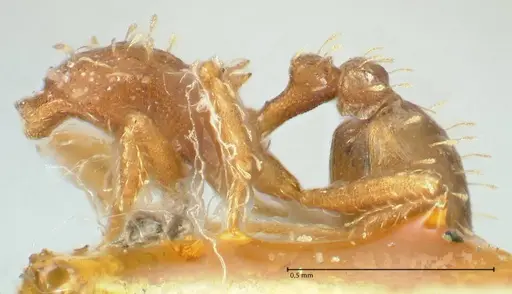
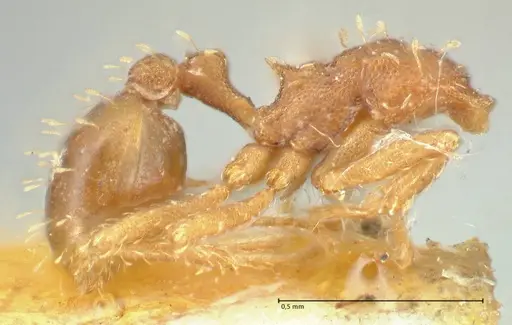
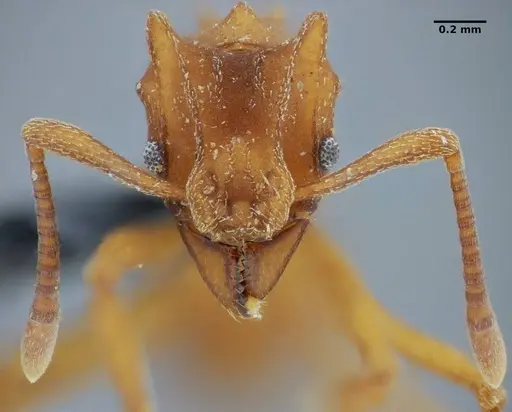
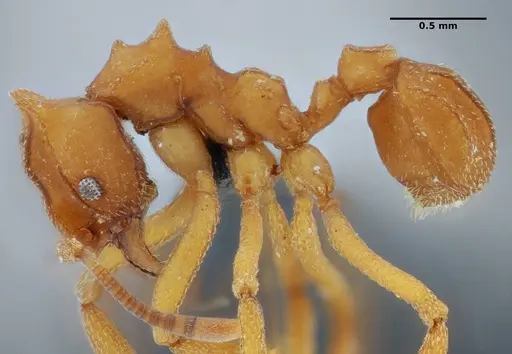
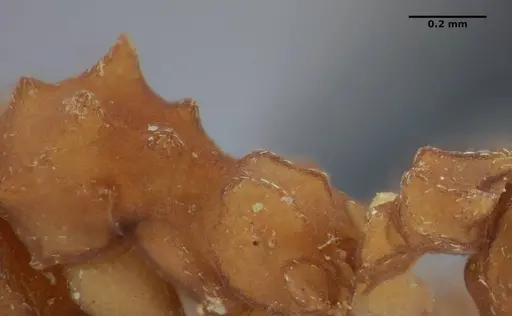
Mycetophylax auritus is a small fungus-farming ant from the Brazilian Atlantic Forest. Workers measure 4.1-4.8mm and range from yellowish brown to dark reddish brown. The species is easily recognized by its distinctive horn-like occipital lobes on the head and multiple thoracic spines. This ant belongs to the tribe Attini, meaning it cultivates a specialized fungus for food, the ants feed the fungus and eat the gongylidia (specialized fungal structures) it produces. Colonies are small, typically containing 30-60 workers living in cavities within decaying rotten wood. When disturbed, workers exhibit catalepsy, they freeze and play dead before recovering.
Quick Summary
- Difficulty: Expert
- Origin & Habitat: Native to the Brazilian Atlantic Forest in South America. In the wild, these ants nest exclusively in rotten wood in an advanced state of decay, with cavities usually no larger than 8 cubic centimeters. The fungus garden is built on the floor of the nest cavity.
- Colony Type: Single-queen colonies (monogyne). Colonies contain approximately 30-60 workers in established nests. The species is part of the lower agriculture group, cultivating a basidiomycete fungus [1].
- Colony: Monogyne
- Founding: Claustral
- Size & Growth:
- Queen: 5.4mm
- Worker: 4.1-4.8mm
- Colony: 30-60 workers
- Growth: Slow, fungus cultivation adds significant time to colony development
- Development: Unknown, no specific development data available for this species (Fungus-farming ants typically develop more slowly than regular ants because the colony must establish the fungus garden before workers can be raised. Expect development to take several months to a year for first workers.)
- Antkeeping:
- Temperature: Keep at 24-28°C, these are tropical ants from Brazil and need warm, stable temperatures. A heating cable on one side of the nest can create the necessary gradient.
- Humidity: High humidity is essential. The nest substrate must remain consistently moist but not waterlogged. Rotten wood naturally holds moisture, mimic this with damp substrate in the nest chamber.
- Diapause: No, as a tropical species from Brazil, they do not require hibernation. Keep temperatures stable year-round.
- Nesting: These ants require rotting wood or a naturalistic setup with damp wood material. In captivity, they accept sawdust and manioc flour as substrate for their fungus garden. A small nest cavity of roughly 8cc mimics their natural chamber size. Y-tong nests with wood inserts or custom wooden formicaria work well.
- Behavior: Workers are docile and non-aggressive. When the nest is disturbed, they feign death by entering a cataleptic state, this is a defense mechanism. They recover quickly compared to some other Attini species. They are not known to sting and pose no danger to keepers. Escape risk is moderate, they are small but not particularly agile climbers. Standard barrier methods should suffice.
- Common Issues: Fungus garden failure is the primary killer of captive colonies, the fungus requires proper substrate and humidity to survive, Temperature drops below 22°C can stress colonies and cause fungus die-off, Overfeeding with inappropriate foods can contaminate the nest, only offer approved fungal substrates, Small colony size means less buffer against mistakes, start with established colonies when possible, Catalepsy response to disturbance may alarm new keepers but is normal behavior
Fungus Farming - The Core of Their Diet
Mycetophylax auritus belongs to the tribe Attini, a group of ants that evolved agriculture roughly 50 million years ago. Unlike most ants that eat protein and sugar, these ants cultivate fungus for food. The queen carries a small fungal pellet when she founds a new colony, this is her food source during the claustral founding period. Once workers hatch, they take over fungus cultivation, feeding the fungus with organic matter and harvesting the gongylidia (specialized swollen hyphae) that serve as their primary food. In the wild, the substrate consists mainly of insect feces, but in captivity they accept sawdust and manioc flour. This means you cannot keep them like regular ants, the fungus IS their food source, and the colony will starve without it. [1]
Setting Up the Nest
These ants require a setup that supports both the colony and their fungus garden. In nature, they nest in rotten wood in an advanced state of decay, with cavities typically measuring only about 8 cubic centimeters. For captivity, a small wooden nest or Y-tong with wood inserts works well. The key is providing damp substrate that the ants can use to cultivate their fungus. In laboratory colonies, they readily accepted sawdust and manioc flour as substrate. Keep the nest chamber small, these are not a large colony species, and oversized nests can stress them. The nest should be kept dark and undisturbed, as they are sensitive to vibrations and light.
Feeding Your Colony
The most critical aspect of keeping Mycetophylax auritus is providing proper fungal substrate. The ants cultivate fungus on organic matter and eat the gongylidia the fungus produces. In captivity, offer small amounts of sawdust or manioc flour as substrate for the fungus. Do not feed them typical ant foods like sugar water, honey, or insects, their digestive systems are specialized for fungus. Some keepers report success offering tiny amounts of organic matter like crushed leaves or wood fragments. The fungus garden must be established and healthy for the colony to survive. If you see white fungal growth in the nest, that's a good sign the garden is thriving.
Temperature and Humidity Control
As tropical ants from Brazil, these require warm and humid conditions. Keep the nest at 24-28°C, room temperature may be too cold, especially in winter. A small heating cable on one side of the nest creates a gentle gradient. Humidity is equally critical, the fungus garden requires consistent moisture. The substrate should feel damp to the touch but never be waterlogged. A water tube or reservoir connected to the nest chamber helps maintain humidity through evaporation. Avoid placing the nest near air conditioning or heating vents that could cause temperature swings or dry air circulation.
Understanding Their Behavior
When threatened, Mycetophylax auritus workers exhibit a fascinating defense mechanism called catalepsy, they freeze completely and fall into a death-feigning state. This is different from playing dead, they enter a cataleptic state where they are completely unresponsive. The good news is they recover more quickly than some other Attini species like Apterostigma. This behavior is normal and not a sign your colony is dying. Simply leave them undisturbed and they will recover on their own. The workers are small and docile, not aggressive, and do not possess a painful sting.
Frequently Asked Questions
Can I keep Mycetophylax auritus like regular ants?
No. These are fungus-farming ants that cannot survive without their fungus garden. They eat gongylidia (specialized fungal structures), not typical ant foods. You must provide proper fungal substrate like sawdust or manioc flour for them to cultivate their food source.
What do I feed Mycetophylax auritus?
Do not feed them sugar water, honey, or insects. Instead, provide organic substrate for fungus cultivation, sawdust and manioc flour have been successfully used in captivity. The ants will cultivate fungus on this substrate and eat the gongylidia the fungus produces.
How big do Mycetophylax auritus colonies get?
Colonies are small. In the wild, established colonies contain approximately 30-60 workers. This is not a species that produces massive worker numbers.
What temperature do they need?
Keep them warm at 24-28°C. They are tropical ants from Brazil and need temperatures in this range year-round. A heating cable on part of the nest can help maintain proper temperature.
Do they need hibernation?
No. As a tropical species from Brazil, they do not require diapause or hibernation. Keep temperatures stable throughout the year.
What kind of nest should I use?
Use a small wooden nest or Y-tong with wood inserts. They naturally nest in rotten wood in an advanced state of decay. The nest chamber should be small, roughly 8 cubic centimeters mimics their natural cavity size.
Why did my colony die?
The most common cause is fungus garden failure. The fungus requires proper humidity, temperature, and organic substrate to survive. Temperature drops below 22°C, dry substrate, or contaminated food can kill the fungus, which then causes the colony to starve. Ensure stable warmth and consistent moisture.
How long until first workers appear?
Exact development time is unknown for this species. However, fungus-farming ants typically develop more slowly than regular ants because the colony must establish the fungus garden first. Expect several months to a year for founding colonies to produce their first workers.
Can I keep multiple queens together?
No. This is a monogyne (single-queen) species. Each colony has one queen, and combining unrelated queens has not been documented and is not recommended.
Is this species good for beginners?
No. This is an expert-level species due to their specialized fungus-farming requirements. Keeping the fungus garden alive requires specific conditions that differ from standard ant keeping. Only experienced antkeepers should attempt this species.
Where do they come from?
Mycetophylax auritus is native to the Brazilian Atlantic Forest in South America. They were first described from Santa Catarina State, Brazil.
References

This caresheet is licensed under CC BY-SA 4.0 .
CASENT0901666
View on AntWeb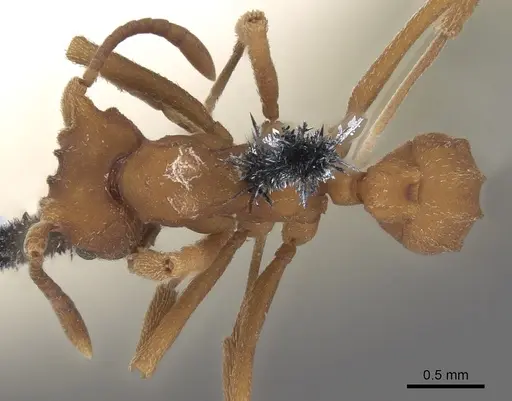
CASENT0919610
View on AntWeb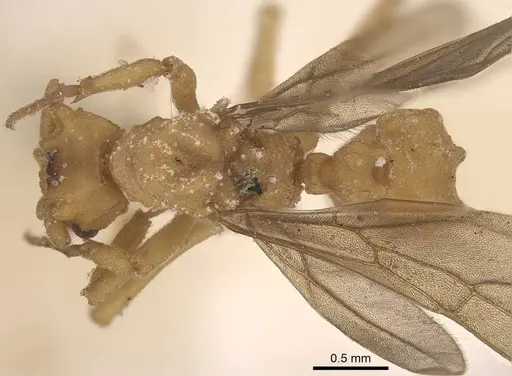
CASENT0919611
View on AntWeb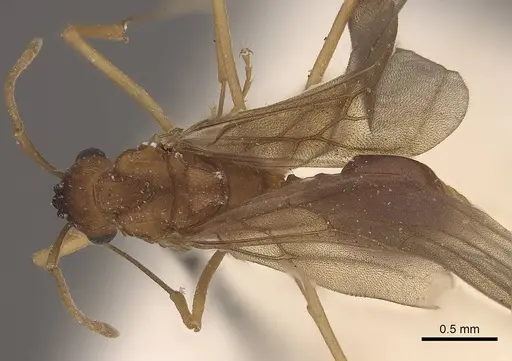
FOCOL2196
View on AntWeb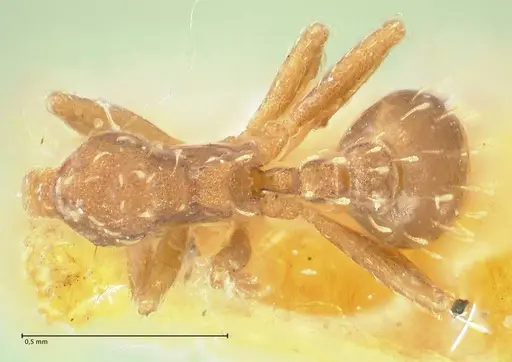
UFV-LABECOL-004945
View on AntWeb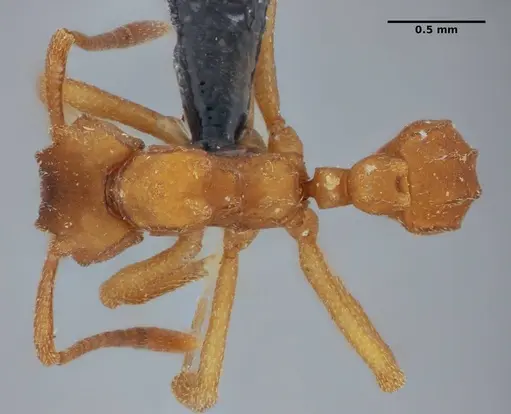
Literature
Loading...Loading products...