

Mycetophylax asper
- Scientific Name
- Mycetophylax asper
- Tribe
- Attini
- Subfamily
- Myrmicinae
- Author
- Mayr, 1887
- Distribution
- Found in 1 countries
Mycetophylax asper Overview
Mycetophylax asper is an ant species of the genus Mycetophylax. It is primarily documented in 1 countries , including Brazil. Detailed taxonomic data and occurrence records can be further explored via authoritative databases such as AntWeb or the Global Biodiversity Information Facility (GBIF).
Mycetophylax asper
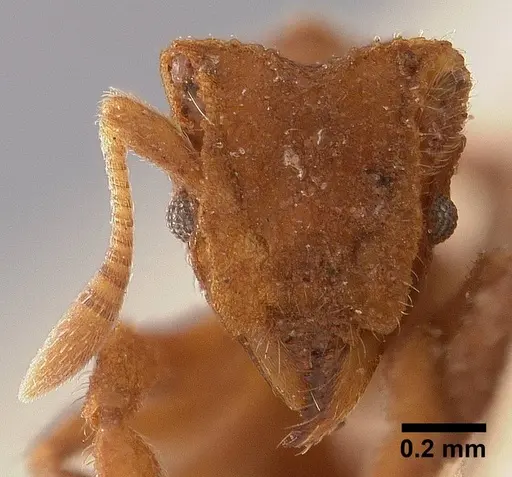
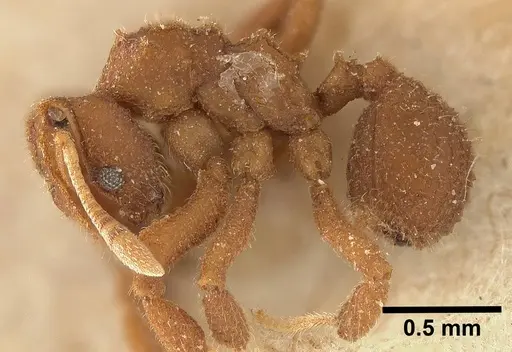
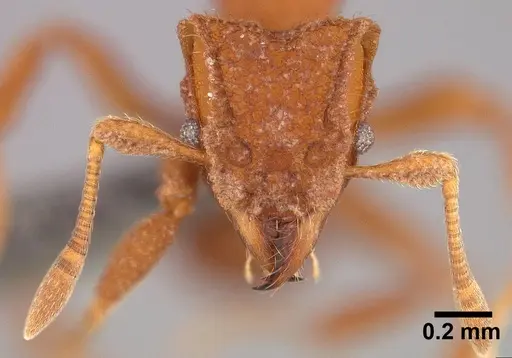
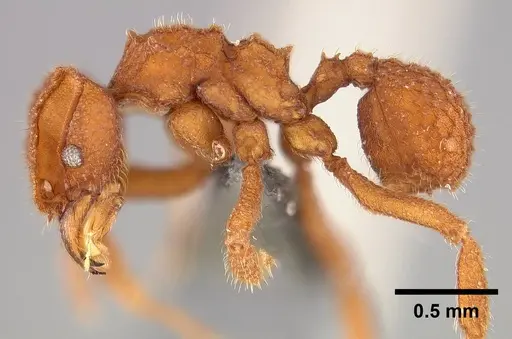
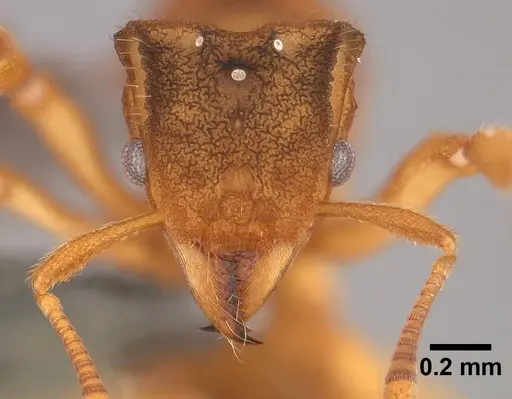
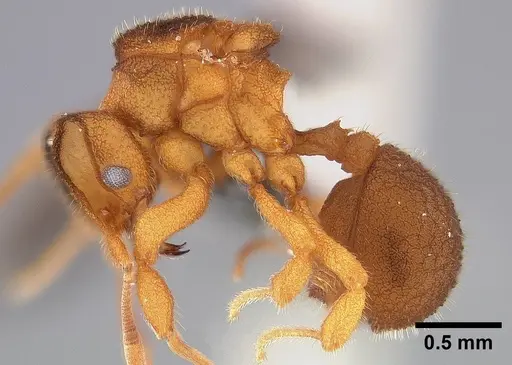
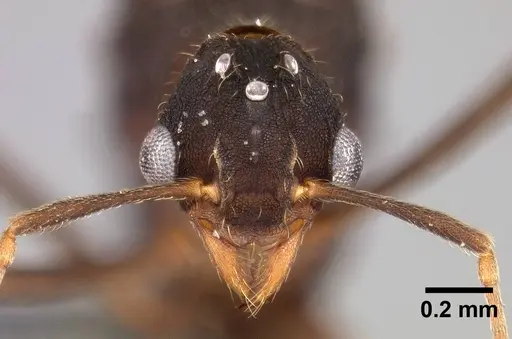
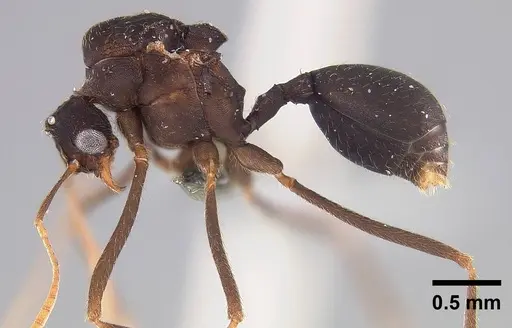
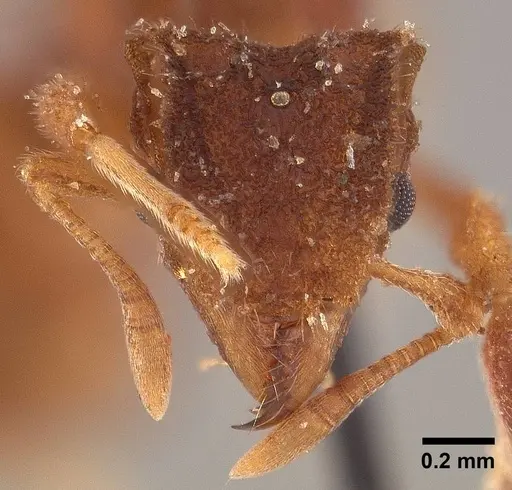
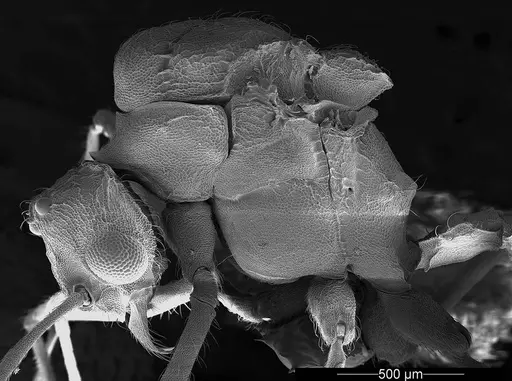
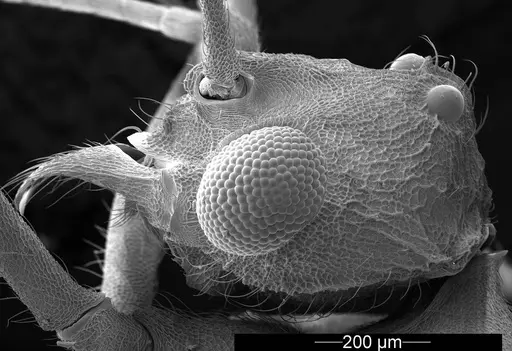
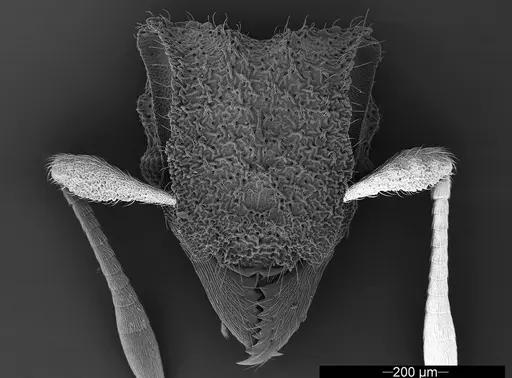
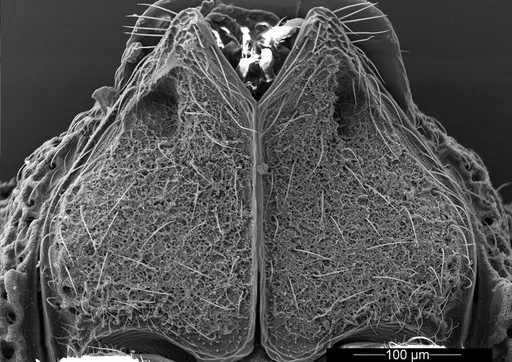
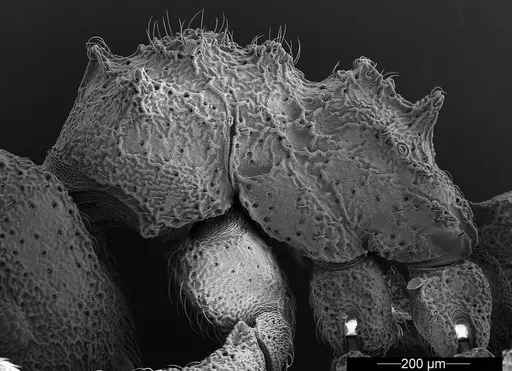
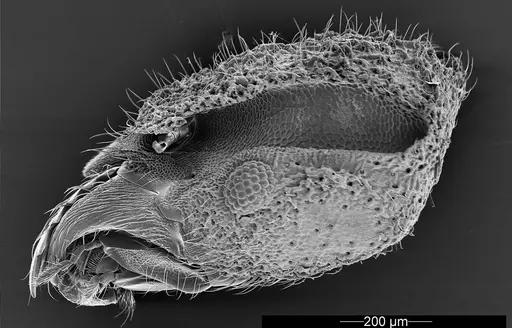
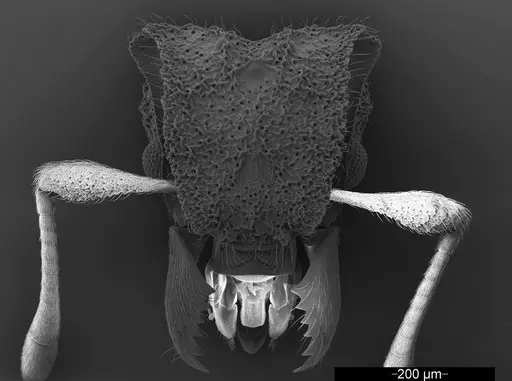
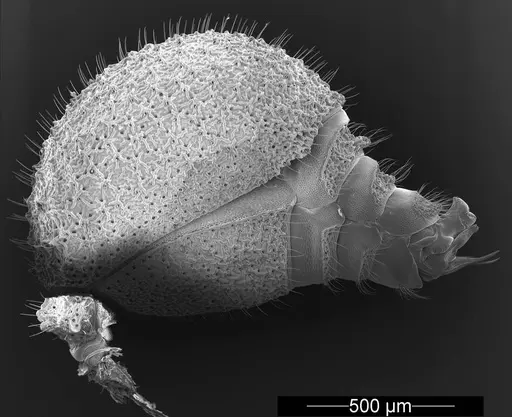
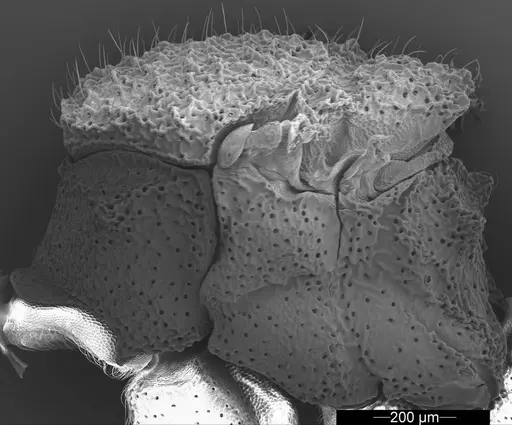
Mycetophylax asper is a small fungus-farming ant belonging to the tribe Attini, native to the Neotropical region of Brazil and Argentina. Workers are tiny, measuring just 2-3mm, with the characteristic appearance of Cyphomyrmex-group ants including a rough, sculptured head and thorax. Queens are slightly larger and similarly textured. This species was originally described as Mycetophylax asper in 1887 and later moved through Mycetosoritis before being reclassified into Mycetophylax in 2017 [1]. As a fungus-farming ant, M. asper cultivates a specific fungal garden for nutrition, making its care distinct from most common ant species. The species is part of the strigatus complex and is found primarily in southern Brazil [2].
Quick Summary
- Difficulty: Expert
- Origin & Habitat: Native to the Neotropical region, specifically Brazil and Argentina. In Brazil, documented in Santa Catarina (particularly the Xanxerê region) and surrounding areas. Found in subtropical climates at ground level, collected via pitfall traps in native and modified landscapes [3].
- Colony Type: Colony structure is unconfirmed. As a fungus-farming ant in the lower Attina, they likely form single-queen colonies, though polygyny has been documented in some related species. Ergatoid (wingless) replacement reproductives may be present in established colonies based on genus patterns.
- Size & Growth:
- Queen: Estimated 4-5mm based on genus-level similarity to related Cyphomyrmex species [1]
- Worker: 2-3mm [1]
- Colony: Likely several hundred workers at maturity based on typical lower Attina colony sizes
- Growth: Slow, fungus farming requires time to establish and expand the fungal garden
- Development: Unknown, likely 8-12 weeks based on inference from related Mycetosoritis species [4] (Fungal garden establishment adds significant time to colony development compared to non-fungus-farming ants)
- Antkeeping:
- Temperature: Keep at 24-28°C. Fungus-farming ants require warm, stable temperatures to maintain their fungal gardens [4]. A heating cable on one side of the nest creates an appropriate gradient.
- Humidity: High humidity is essential, aim for 70-85%. The fungal garden requires consistent moisture. Keep the nest substrate damp but not waterlogged. Regular misting or a water reservoir in the outworld helps maintain humidity [4].
- Diapause: Likely minimal or no true diapause given their tropical/subtropical origin. Some reduced activity in cooler months may occur, but they do not require hibernation like temperate species.
- Nesting: In nature, they nest in soil or small cavities under stones and debris. In captivity, a small test tube setup or acrylic nest with fine chambers works well. The nest must maintain high humidity without flooding. Y-tong nests with small chambers scaled to their tiny size are appropriate.
- Behavior: These ants are docile and non-aggressive. Workers are small and slow-moving, primarily focused on tending their fungal garden. They are not known to sting and pose no danger to keepers. Escape risk is moderate, their small size means they can squeeze through small gaps, so fine mesh barriers on the outworld are recommended. They are cryptic and spend most of their time inside the nest tending fungus. Foraging activity is minimal compared to predatory ants since they cultivate their food source.
- Common Issues: Fungal garden collapse is the primary killer of captive colonies, requires consistent humidity and proper substrate, Small size makes escape prevention critical, use fine mesh and tight-fitting lids, Slow growth tests keeper patience, colonies may take months to establish, Improper substrate can kill the fungus, avoid contaminated or treated materials, Limited availability of fungal starter cultures makes founding colonies difficult
Fungal Garden Care - The Most Critical Aspect
Mycetophylax asper is a fungus-farming ant, meaning the entire colony depends on a living fungal garden for nutrition. This is fundamentally different from keeping regular ants that accept protein and sugar foods. The queen carries a small fungal fragment during the nuptial flight and uses it to start a new garden after founding. In captivity, you must provide appropriate fungal substrate, typically a moist mixture of organic matter (often partially decomposed leaves or plant material) that the ants can cultivate. The fungal garden must be kept at consistent humidity and temperature. If the fungus dies, the colony will starve regardless of how much other food you provide. This makes M. asper an expert-level species suitable only for keepers experienced with fungus-farming ants [4].
Feeding and Nutrition
Unlike typical ants, fungus-farming ants do not hunt for prey or collect honeydew. Their primary food is the fungal mycelium they cultivate. Workers feed on specialized gongylidia, nutrient-rich fungal structures produced specifically for ant consumption. In captivity, the fungal garden is the sole food source once established. Some lower Attina species can supplement with small amounts of organic matter, but this is not required and may even harm the fungal garden. Do not offer sugar water, honey, or protein foods to established colonies, these can introduce contaminants and disrupt the fungal relationship. Only provide clean water and let the fungus garden do its work [4].
Nest Setup and Humidity Management
The nest must hold moisture consistently without flooding. Small acrylic nests or test tube setups work well for founding colonies. The chamber size should be tight, these are tiny ants and prefer snug spaces. A water reservoir in the outworld helps maintain humidity through evaporation. The nest material itself should be able to hold moisture without becoming waterlogged. Avoid drying out the fungal substrate, check moisture levels every few days. Related species like Mycetosoritis hartmanni construct refuse chambers containing waste material and dead fungal matter, so some open space in the nest is beneficial [4].
Temperature Requirements
Fungal gardens are sensitive to temperature and require warmth to thrive. Maintain nest temperatures between 24-28°C year-round. Temperatures below 20°C can slow fungal growth and potentially harm the colony. A small heating cable placed on one side of the nest creates a gentle gradient allowing ants to self-regulate. Avoid direct heat that could dry out the substrate. Room temperature in heated homes (around 22°C) may be marginal, consider supplemental heating for optimal results. The outworld can be cooler, but the nest area must stay warm [4].
Colony Founding
Founding a colony is the most challenging aspect of keeping M. asper. The queen must have a viable fungal fragment to start a garden, without this, she will starve even if fed other foods. In the wild, queens carry the fragment from their natal nest. Captive founding requires either a dealate queen with confirmed fungal material or capturing a newly mated queen immediately after her nuptial flight before she establishes the garden. The queen seals herself in a small chamber (claustral founding) and tends the initial fungal growth until the first workers emerge. This process takes several months and requires careful humidity control. Success rates are low even for experienced keepers [4].
Behavior and Temperament
M. asper workers are docile and focused on fungal garden maintenance. They show no aggression toward keepers and cannot sting effectively. Workers are small and slow-moving, spending most of their time inside the nest. Activity in the outworld is minimal, they may emerge briefly for water or to dispose of waste, but they do not forage like predatory ants. The colony is cryptic and prefers dark, humid spaces. This makes them less engaging than many ant species, but their unique fungal-farming biology is fascinating to observe. They are not escape artists in the traditional sense, but their tiny size means they can slip through very small gaps, use fine mesh on all openings [4].
Frequently Asked Questions
What do Mycetophylax asper ants eat?
They eat only the fungal garden they cultivate. Unlike regular ants, they do not eat sugar, honey, or protein foods. The fungus produces special nutrient structures called gongylidia that feed the entire colony. Once established, no supplemental feeding is needed, just maintain proper humidity and temperature for the fungus to thrive.
How difficult is Mycetophylax asper to keep?
This is an expert-level species. The biggest challenge is establishing a colony, the queen needs a viable fungal fragment to start a garden, and without this, she will starve. Even experienced antkeepers struggle with fungus-farming ants. Only attempt this species after you have successfully kept easier fungus-farming ants or have extensive antkeeping experience.
Can I keep Mycetophylax asper in a test tube?
Yes, a test tube setup works well for founding colonies. Use a small test tube with a water reservoir (cotton ball at one end) to maintain humidity. The tube should be kept warm (24-28°C) and dark. Transfer to a small acrylic nest once the colony reaches 20-30 workers. The key is maintaining consistent moisture without flooding.
How long does it take for first workers to emerge?
The timeline is not directly documented for M. asper, but based on related Mycetosoritis species, expect 8-12 months from founding to first workers. The fungal garden must establish and grow before the colony can produce workers. This slow growth is normal for fungus-farming ants and requires patience.
Do Mycetophylax asper ants need hibernation?
No. As a Neotropical species from Brazil and Argentina, they do not require hibernation. Keep them warm year-round (24-28°C). Cooler temperatures slow fungal growth and can stress the colony. If your room temperature drops significantly in winter, consider supplemental heating.
Why is my fungus-farming colony dying?
The most common cause is fungal garden collapse. This happens from inconsistent humidity, temperatures that are too low or too high, contaminated substrate, or disturbance. Fungus-farming ants are extremely sensitive to environmental changes. Ensure humidity is consistent (70-85%), temperature is stable (24-28°C), and the substrate is clean. Do not add sugar, protein, or other foods that could introduce pathogens.
Can I keep multiple queens together?
This is not recommended and has not been documented for this species. Unlike some polygynous ant species, fungus-farming ants typically found colonies singly. Multiple unrelated queens would likely fight or fail to establish compatible fungal gardens. If you obtain multiple dealate queens, house them separately.
What humidity do Mycetophylax asper need?
High humidity is essential, aim for 70-85% relative humidity. The fungal garden requires consistent moisture. Keep the nest substrate damp but not waterlogged. A water reservoir in the outworld helps maintain humidity through evaporation. Check moisture every few days and rehydrate as needed.
How big do Mycetophylax asper colonies get?
Based on typical lower Attina sizes, colonies likely reach several hundred workers at maturity. They are not among the largest fungus-farming ants, that distinction goes to the higher Attina (leaf-cutter ants). M. asper remains a relatively small colony species.
References

This caresheet is licensed under CC BY-SA 4.0 .
USNMENT00921154
View on AntWeb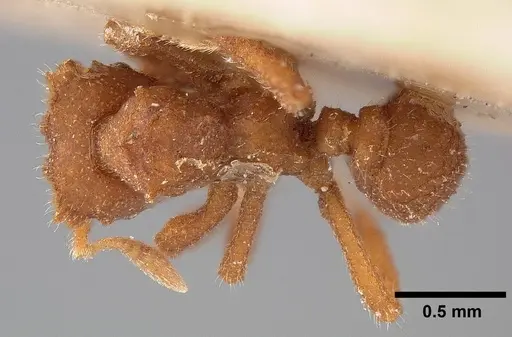
USNMENT00921167
View on AntWeb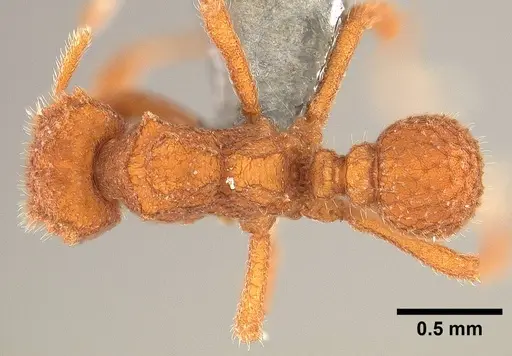
USNMENT00921168
View on AntWeb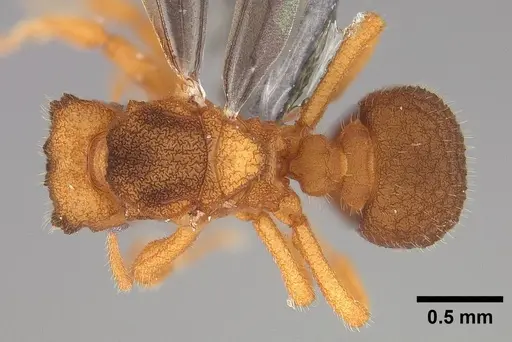
USNMENT00921169
View on AntWeb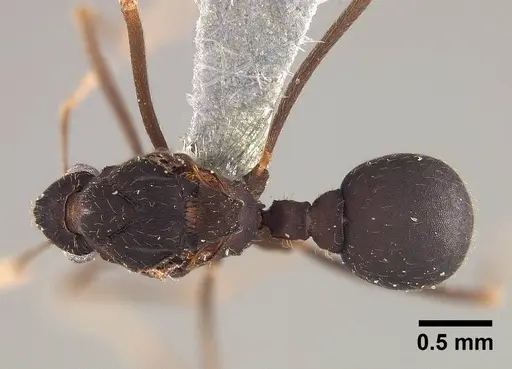
USNMENT00923112
View on AntWeb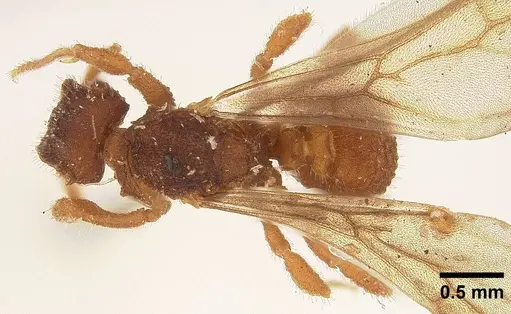
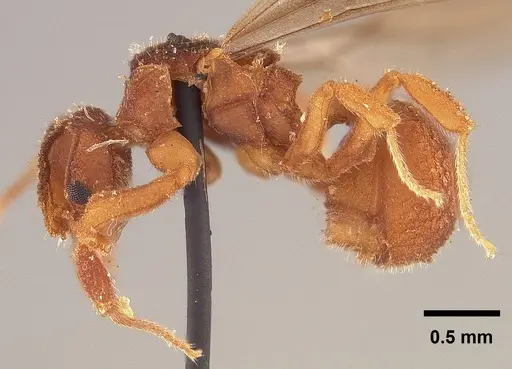
USNMENT01126244
View on AntWeb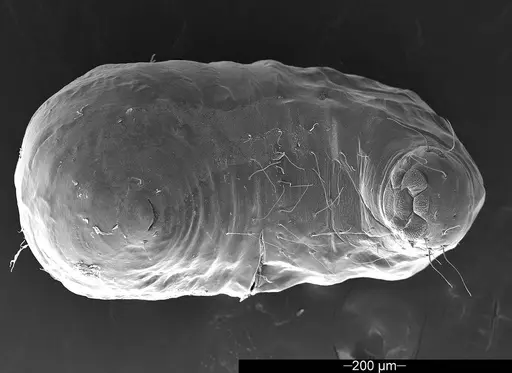
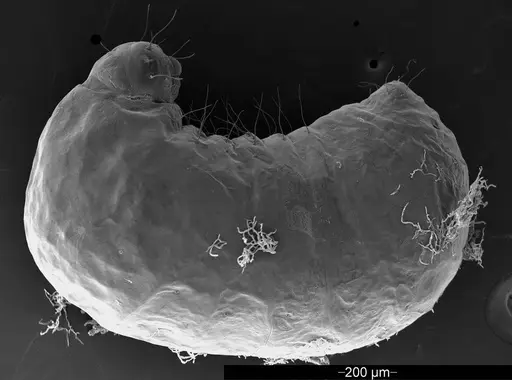
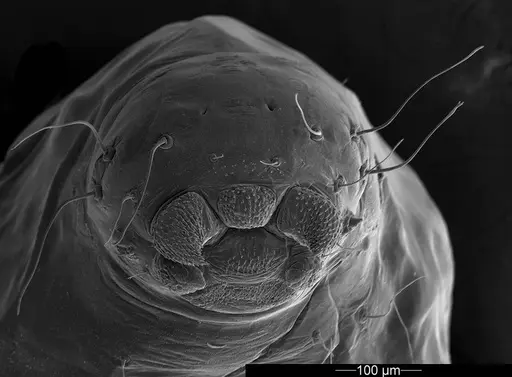
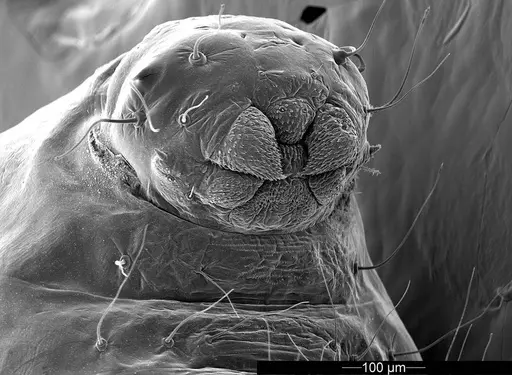
USNMENT01126245
View on AntWeb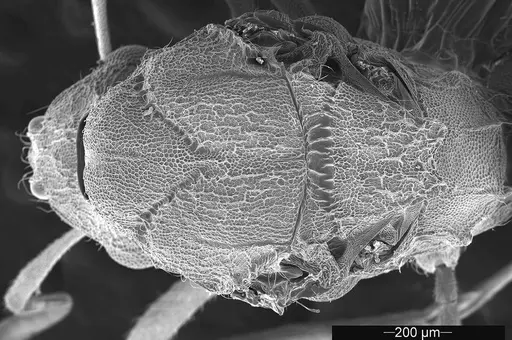
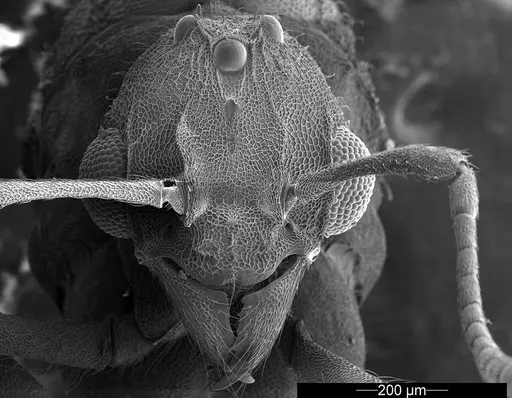
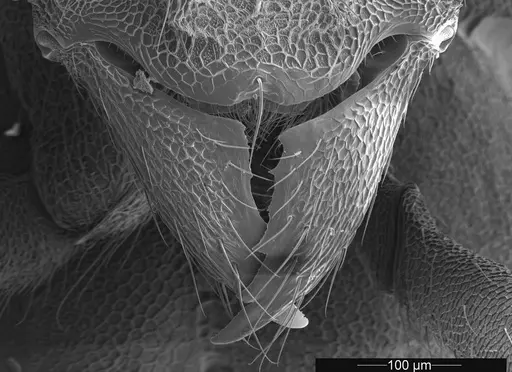
USNMENT01126246
View on AntWeb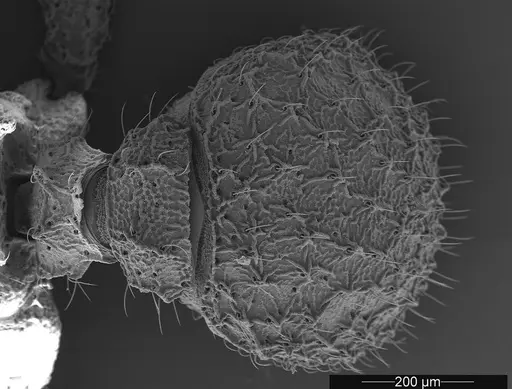
USNMENT01126247
View on AntWeb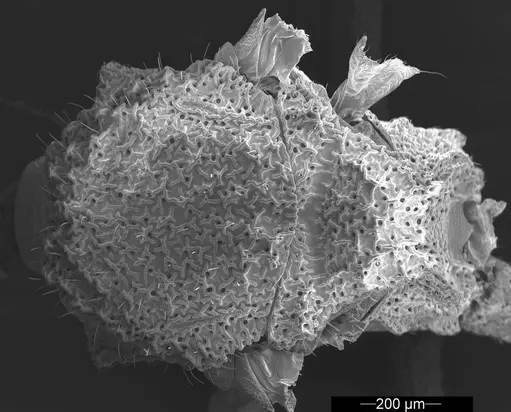
Literature
Loading...Loading products...