

Mycetophylax andersoni
- Scientific Name
- Mycetophylax andersoni
- Tribe
- Attini
- Subfamily
- Myrmicinae
- Author
- MacKay & Serna, 2010
- Distribution
- Found in 4 countries
Mycetophylax andersoni Overview
Mycetophylax andersoni is an ant species of the genus Mycetophylax. It is primarily documented in 4 countries , including Costa Rica, Guatemala, Honduras. Detailed taxonomic data and occurrence records can be further explored via authoritative databases such as AntWeb or the Global Biodiversity Information Facility (GBIF).
Mycetophylax andersoni
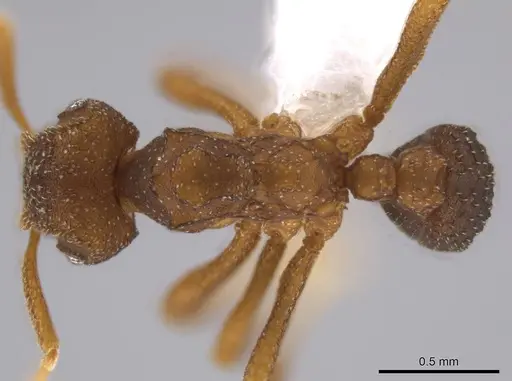
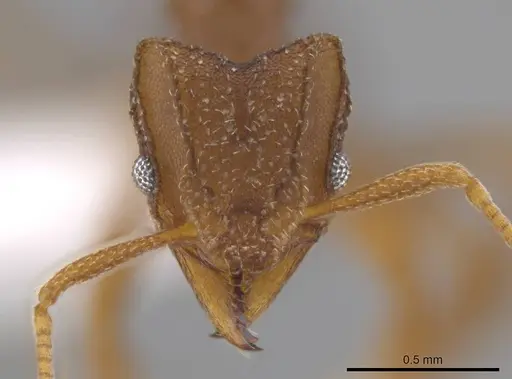
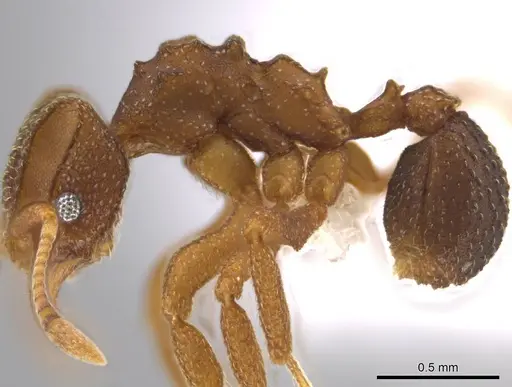
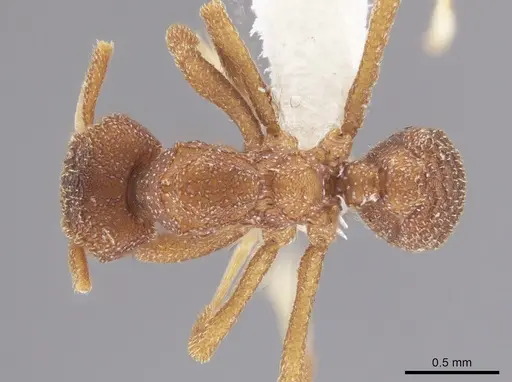
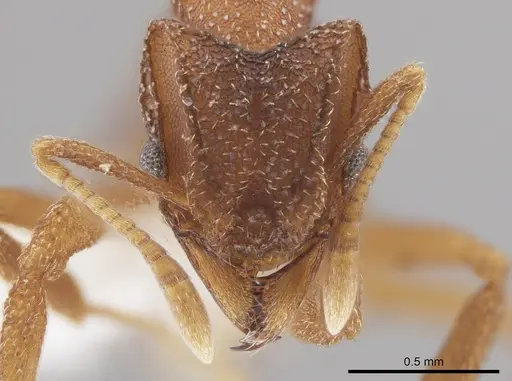
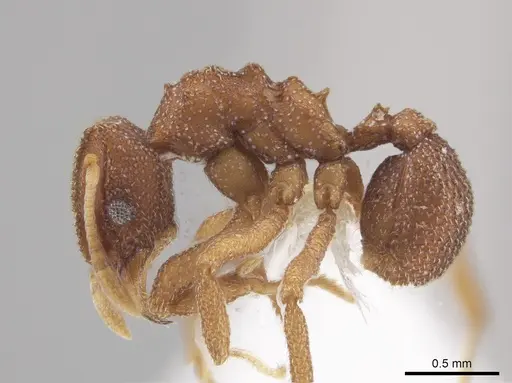
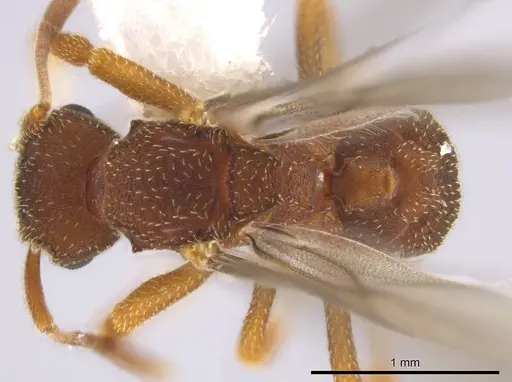
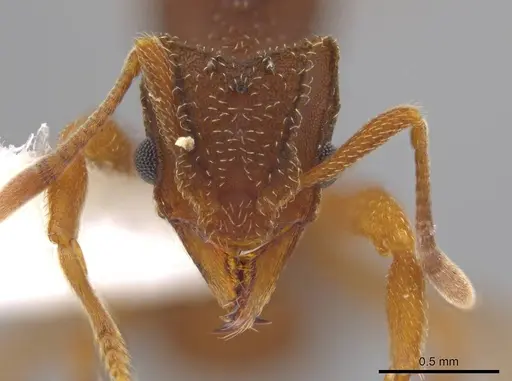
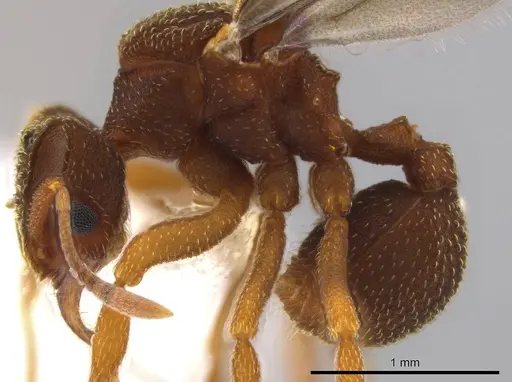
Mycetophylax andersoni is a tiny fungus-farming ant species native to the Neotropical region of Central America, found in Costa Rica, Guatemala, Honduras, and Nicaragua. Workers measure just 2.5mm in total length and have a distinctive reddish-brown coloration with unusual tubercles and processes on their mesosoma, including pronotal tubercles and propodeal spines that help distinguish them from related species [1]. This species belongs to the Attini tribe, the famous 'leafcutter' ant group that cultivates fungus for food, though Mycetophylax are smaller than the well-known Atta and Acromyrmex genera. They were originally described as Mycetophylax andersoni in 2010 before being reclassified to Mycetophylax in 2017 [1].
Quick Summary
- Difficulty: Hard
- Origin & Habitat: Montane hardwood leaf litter in wet montane forests at 1100-1200m elevation in Costa Rica and surrounding Central American countries [1][2]
- Colony Type: Colony structure is unconfirmed, fungus-farming ants in the Attini tribe typically form single-queen colonies, but specific data for M. andersoni is lacking
- Size & Growth:
- Queen: Undocumented, estimated 4-5mm based on genus patterns for similar-sized Mycetophylax species
- Worker: 2.5mm total length (HL 0.76-0.78mm, HW 0.64-0.66mm) [1]
- Colony: Unknown, related species typically reach several hundred workers
- Growth: Slow, inferred from typical Attini development patterns
- Development: Estimated 8-12 weeks at tropical temperatures, no direct data available for this species (Attini ants typically have slower development than many other ants due to fungus cultivation requirements)
- Antkeeping:
- Temperature: Keep at 22-26°C, montane origin suggests they prefer cooler conditions than lowland tropical ants. A gentle gradient allowing cooler areas is recommended.
- Humidity: High humidity required, they come from wet montane forest leaf litter. Keep substrate consistently moist but not waterlogged, with some drier areas available.
- Diapause: Unknown, no documented diapause requirement. As a tropical montane species, they may have reduced activity periods during dry seasons rather than true hibernation.
- Nesting: Use a naturalistic setup with moist substrate (like a terrarium-style formicarium) or a well-hydrated Y-tong/plaster nest. They nest in leaf litter and rotting wood in the wild, so provide materials they can tunnel through.
- Behavior: These ants are tiny and quite shy. They are not aggressive and lack a functional stinger. Their main defense is escape rather than attack. Because of their very small size, escape prevention must be excellent, they can squeeze through the tiniest gaps. As fungus farmers, they are slow-moving and spend considerable time tending their fungal crop. They are not known to bite or sting humans.
- Common Issues: tiny size means escapes are likely without fine mesh barriers and tight-fitting lids, fungus cultivation adds complexity, the fungal garden must be maintained for the colony to survive, slow growth may cause keepers to lose patience or overfeed, leading to mold problems, high humidity requirements can lead to mold if ventilation is inadequate, limited availability in the antkeeping hobby means established colonies are rare
Understanding Fungus-Farming Ants
Mycetophylax andersoni belongs to the Attini tribe, a group of ants famous for cultivating fungus as their primary food source. Unlike most ants that feed on sugar from honeydew or protein from prey, Attini ants feed their larvae and themselves exclusively on fungus they grow in their nests. This makes them fundamentally different from typical ant species in terms of diet and care requirements. The queen carries a small fungal fragment when she founds a new colony, using it to start her garden. She tends the fungus until her first workers emerge, after which the workers take over fungal cultivation duties. This relationship is obligate, the ants cannot survive without their fungal crop, and the fungus cannot survive without the ants [1].
Housing and Nest Setup
Because M. andersoni comes from wet montane forest leaf litter, they need a setup that maintains high humidity while providing adequate ventilation. A naturalistic terrarium-style setup works well, use a container with moist soil or coconut fiber substrate and add pieces of rotting wood or leaf litter for them to tunnel through. Alternatively, a Y-tong or plaster nest with good hydration capacity can work, but you must monitor moisture levels closely. The key is keeping the substrate consistently damp without creating standing water. Because they are tiny (only 2.5mm), any gaps in your setup must be sealed with fine mesh, they can escape through gaps that would hold back larger ants. Use cotton or foam plugs in test tube openings, and ensure any formicarium has tight-fitting lids with mesh-covered air holes. [1][2]
Feeding and Fungus Cultivation
This is the most critical and challenging aspect of keeping M. andersoni. Unlike typical ants that accept various proteins and sugars, Attini ants require a functioning fungal garden. In the wild, they feed the fungus with plant material (dead leaves, flower petals, insect fragments) and the fungus produces special structures called gongylidia that the ants eat. In captivity, you must provide suitable fungal substrate, typically small pieces of fresh plant material. Some keepers have success offering tiny leaf fragments, flower petals, or specially prepared fungal substrate. Avoid standard ant foods like honey water or protein paste, these do not support fungal growth and may harm the colony. Research into specific cultivation methods for Mycetophylax species is limited, so be prepared for a learning curve. The fungal garden should be kept moist and dark.
Temperature and Seasonal Care
As a montane species from 1100-1200m elevation in Costa Rica, M. andersoni likely prefers cooler temperatures than typical lowland tropical ants. Aim for 22-26°C as a starting point, with cooler areas available in the setup. Avoid high temperatures above 28°C, as this can stress the colony and damage the fungal garden. Room temperature in most homes (20-24°C) should work well. Monitor colony activity, if workers seem sluggish or cluster together, they may be too cold. If they avoid heated areas and the nest dries out quickly, temperatures may be too high. Unlike temperate species, they likely do not require a true hibernation period, but may have reduced activity during dry seasons in their native habitat. [1]
Behavior and Handling
M. andersoni is a shy, non-aggressive species. Workers are tiny and slow-moving, spending much of their time tending the fungal garden. They have no functional stinger and pose no threat to humans. Their main response to disturbance is to flee and hide, not to attack. When keeping this species, observe rather than handle, they are too small and delicate for manual handling. Their small size also means they are vulnerable to drowning in water droplets and can easily become trapped in condensation. Ensure any water features or wet areas have easy escape routes (sloped sides or floating platforms). Their escape prevention needs are high due to their minute size. [1]
Frequently Asked Questions
How do I feed Mycetophylax andersoni?
M. andersoni is a fungus-farming ant that requires a living fungal garden, not typical ant foods. Provide small pieces of fresh plant material (leaf fragments, flower petals, rotting vegetation) that the fungus can grow on. Do not offer honey water, sugar water, or standard protein foods, these do not support fungal cultivation and may harm the colony.
What size colony does Mycetophylax andersoni reach?
The maximum colony size is unknown, but related Mycetophylax species typically reach several hundred workers. Growth is slow due to fungus cultivation requirements.
Are Mycetophylax andersoni good for beginners?
No, this species is not recommended for beginners. They require fungus cultivation, which is complex and poorly documented for this specific species. Their tiny size also makes escape prevention challenging. They are best suited for experienced antkeepers interested in specialized fungus-farming species.
What temperature do Mycetophylax andersoni need?
Keep them at 22-26°C. As a montane species from higher elevations in Costa Rica, they prefer cooler conditions than typical tropical ants. Avoid temperatures above 28°C.
How long does it take for first workers to emerge?
Exact development time is unknown. Based on typical Attini patterns, expect 8-12 weeks from egg to first worker at optimal temperature. Development is slower than many typical ants due to fungus cultivation requirements.
Can I keep multiple queens together?
Colony structure is unconfirmed for this species. Combining unrelated queens is not recommended as it has not been documented and could result in fighting.
Why are my Mycetophylax andersoni dying?
Common causes include: fungal garden decline (the most critical issue), improper humidity (too dry or too wet leading to mold), temperature stress (too hot or too cold), escape through tiny gaps, and poor nutrition (lacking suitable plant material for fungus). Ensure the fungal garden is healthy and conditions match their montane wet forest origin.
What humidity level do Mycetophylax andersoni need?
High humidity is essential, they come from wet montane forest leaf litter. Keep substrate consistently moist but not waterlogged. Allow some variation with drier areas available so ants can choose their preferred microclimate.
When will Mycetophylax andersoni be available in the hobby?
This species is rarely available in the antkeeping hobby. Limited distribution data and the specialized fungus-farming requirements make them difficult to culture. They are typically only available from specialized breeders or through occasional wild-caught colonies.
References

This caresheet is licensed under CC BY-SA 4.0 .
Literature
Loading...Loading products...