

Mycetomoellerius zeteki
- Scientific Name
- Mycetomoellerius zeteki
- Tribe
- Attini
- Subfamily
- Myrmicinae
- Author
- Weber, 1940
- Distribution
- Found in 4 countries
Mycetomoellerius zeteki Overview
Mycetomoellerius zeteki is an ant species of the genus Mycetomoellerius. It is primarily documented in 4 countries , including Colombia, Costa Rica, Nicaragua. Detailed taxonomic data and occurrence records can be further explored via authoritative databases such as AntWeb or the Global Biodiversity Information Facility (GBIF).
Mycetomoellerius zeteki
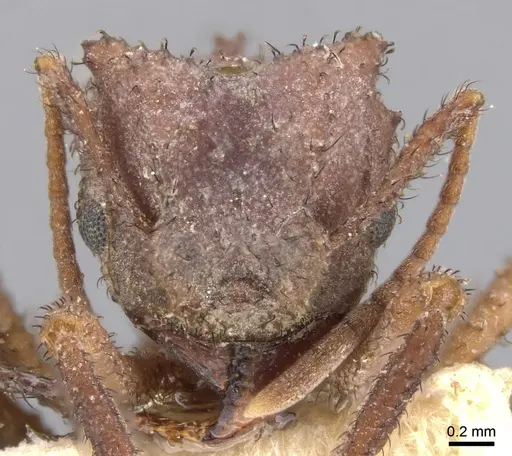
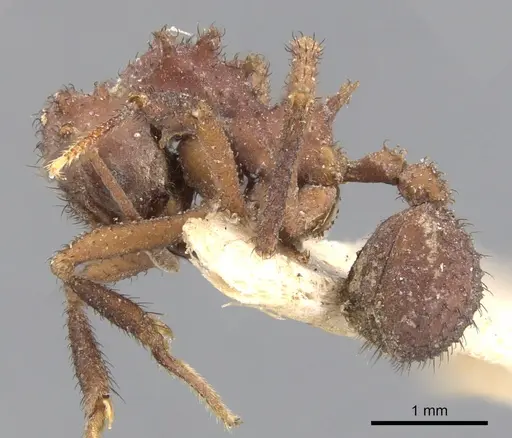
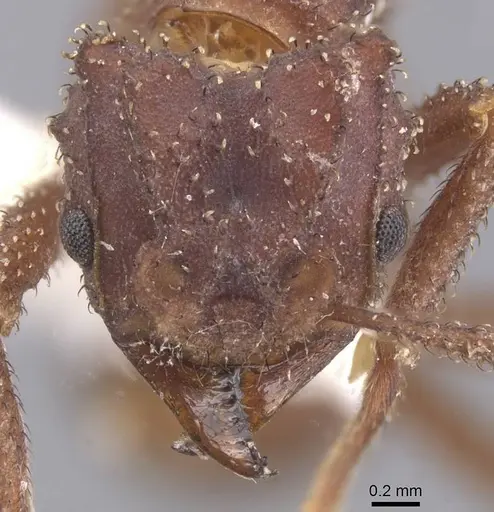
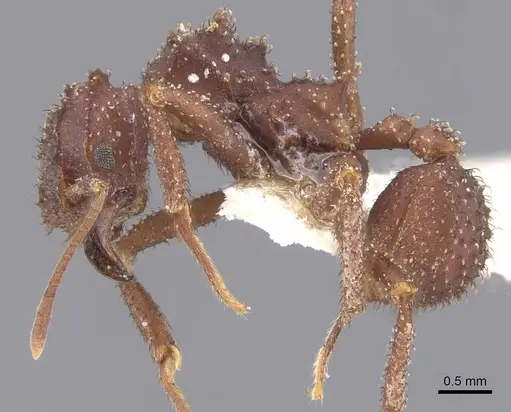
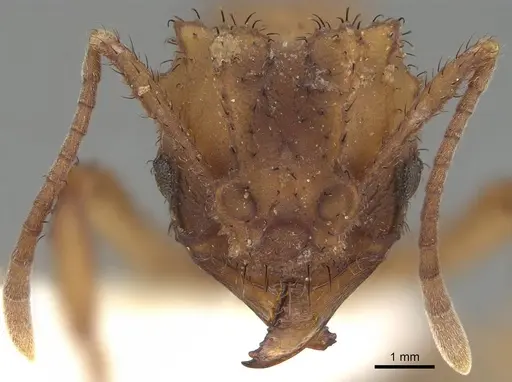
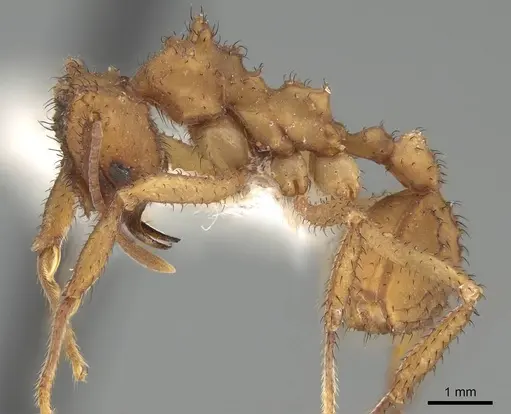
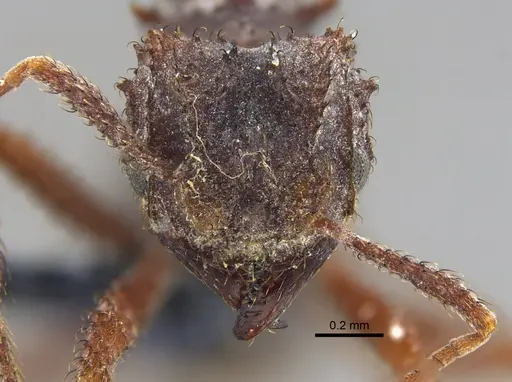
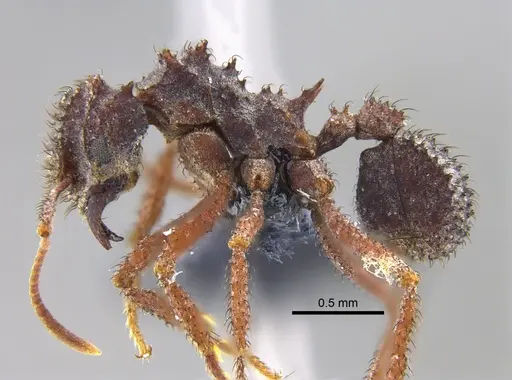
Mycetomoellerius zeteki is a small fungus-growing ant from the Neotropics, found in Colombia, Costa Rica, Nicaragua, and Panama [1]. Workers measure 4.7-5.2mm and have a distinctive ferruginous (rusty red) coloration with a rough, granulose integument covered in bristly dark hairs [1]. Their most striking feature is the series of spines and tubercles on the head and mesosoma, they have prominent frontal carinae, occipital spines, and multiple pronotal and mesonotal projections [1]. Queens are larger at 6.9mm and equally spiny [1]. This species belongs to the Jamaicensis group within the higher attine ants, which cultivate fungi for food rather than foraging for other protein sources [2]. They are known for their complex relationships with multiple microbial partners including the fungus they farm, antibiotic-producing bacteria, and parasitic fungi that threaten their gardens.
Quick Summary
- Difficulty: Expert
- Origin & Habitat: Central American rainforests, found in Costa Rica (Alajuela, Heredia), Ecuador (Pichincha), Panama (Canal Zone: Barro Colorado Island), and Colombia (Antioquia at 980m elevation) [1][3]. This is a primary forest specialist that has never been found in secondary forest or agricultural areas [4]. Nests are typically located on slopes along road embankments, at the base of trees, and in stream banks [5][6].
- Colony Type: Single-queen colonies (haplometrotic), 99% of wild nests have just one founding queen [7]. Queens mate with a single male (monandrous), giving workers high relatedness of 0.68 [8].
- Colony: Monogyne
- Founding: Semi-claustral
- Size & Growth:
- Queen: 6.9mm [1]
- Worker: 4.7-5.2mm [1]
- Colony: Estimated up to ~3000 workers based on related higher attine species [9]
- Growth: Moderate
- Development: Unknown for this specific species, likely 6-10 weeks based on typical higher attine development patterns (Development time has not been directly studied in M. zeteki, but related Trachymyrmex species typically take 6-10 weeks from egg to first worker at tropical temperatures)
- Antkeeping:
- Temperature: Keep warm at 24-28°C, these are tropical ants requiring stable warm conditions. Room temperature within this range works well for established colonies.
- Humidity: High humidity required, keep nest substrate consistently moist but not waterlogged. These ants nest in rainforest floor conditions and their fungus garden needs moisture.
- Diapause: No, as a tropical species, they do not require hibernation. Maintain consistent warm, humid conditions year-round.
- Nesting: Use a naturalistic setup with moist soil or a plaster/acrylic nest with chambers. They naturally build nests 30-65mm deep in soil on slopes, with elaborate auricle (mound) entrances [5][1]. Provide a deep enough nest chamber for their fungus garden. A Y-tong or plaster formicarium with multiple connected chambers works well.
- Behavior: These ants are not aggressive and rarely sting. They are docile fungus farmers that spend most of their time tending their fungal gardens. Workers are active foragers that collect substrate (leaf fragments, flowers, fruits) to feed their fungus [9]. They have well-developed metapleural glands that produce antibiotic secretions to protect their gardens from parasitic fungi [10]. Escape risk is moderate, they are small but not particularly fast or prone to climbing. Standard barrier methods work well.
- Common Issues: Fungus garden collapse is the biggest risk, if the garden dies, the colony starves. This can happen from improper humidity, temperature extremes, or Escovopsis parasite infection, Escovopsis parasitic fungi can infect and destroy the garden, maintain clean conditions and avoid introducing contaminated materials from wild colonies, Getting the initial fungus culture established can be difficult, queens start with a small garden fragment and it must survive the founding period, Overfeeding can cause mold problems in the nest, remove uneaten substrate promptly, These ants are specialized fungus growers and cannot survive on standard ant foods like sugar water or insects alone, they must have their fungal crop
The Fungus Farming Relationship
Mycetomoellerius zeteki belongs to the 'higher attine' ants, a group that has evolved sophisticated agriculture over millions of years [2]. Unlike most ants that hunt insects or collect honeydew, these ants cultivate fungi as their sole food source. The ants feed the fungus with leaf fragments, flowers, and fruits, and in return, the fungus produces specialized structures called gongylidia that the ants eat [9]. This is a true mutualism, both species depend on each other to survive. The fungal symbiont has an average of 10.8 nuclei per cell, indicating a highly domesticated relationship [9]. In captivity, you must replicate this by providing appropriate organic substrate (small pieces of leaves, flowers, or fruits) for the fungus to grow on. Without a healthy fungus garden, your colony will starve.
Nest Setup and Chamber Design
In the wild, M. zeteki builds nests in soil at depths of 30-65mm, with chamber volumes around 4.6 cm³ [5]. They prefer to establish nests on vertical soil surfaces like slopes, road embankments, and stream banks [6]. The nest entrance features a conspicuous auricle, a mound constructed around the entrance [11]. Foundress queens use roots as platforms to suspend their initial fungus garden, and if roots aren't available, they'll use rock surfaces or even the chamber ceiling [5]. For captivity, create a naturalistic setup with moist soil or a deep plaster nest with multiple connected chambers. The chambers should be appropriately sized, not too large, as these ants prefer cozy spaces. Include some organic material or root-like structures that the fungus can grow on. Keep the nest humid and provide a water source.
Feeding and Substrate
These ants do NOT eat conventional ant foods. Their diet consists entirely of the fungus they cultivate. You must provide organic substrate for the fungus to grow: small pieces of fresh leaves, flower petals, or fruit flesh [9]. The substrate should be cut into tiny pieces (1-3mm) and placed in the outworld near the nest entrance. Workers will carry these into the nest chamber to feed the fungus. The quality of substrate matters, avoid contaminated or pesticide-treated plant material. Some keepers report success with using leaf litter from the species' native range. Remove uneaten substrate after 2-3 days to prevent mold. The fungus garden is the heart of the colony, without it, there is no colony.
Microbial Partners and Disease
M. zeteki lives in a complex four-way symbiosis: the ant, the cultivated fungus, antibiotic-producing bacteria (Pseudonocardia), and the parasitic fungus Escovopsis [12]. The ants carry Pseudonocardia bacteria on their exoskeleton that produce antibiotics to suppress Escovopsis, a fungal pathogen that specifically attacks fungus gardens [13][14]. In captivity, you cannot replicate this exact system, but you should maintain excellent hygiene. Never introduce material from wild colonies, as this can bring Escovopsis or other pathogens that can devastate the garden [15]. If the fungus garden turns dark, develops unusual growths, or stops producing gongylidia, it may be infected. Some Escovopsis strains have been found in M. zeteki colonies in Panama [16].
Colony Founding
Unlike claustral ants that seal themselves away and live off body fat, M. zeteki queens are semi-claustral, they must leave the nest to forage for substrate to feed their incipient fungus garden [7]. This is one of the most challenging aspects of keeping this species. The queen starts with a small fungal fragment and must tend it while also foraging. Studies show 99% of wild nests are founded by a single queen (haplometrotic), with only 1% showing multiple foundresses [7]. Queens have been observed moving their young garden from one nest chamber to another if conditions aren't right [5]. For captive founding, provide a small chamber with a piece of suitable fungus (if available) or organic substrate, and keep humidity high. The founding period is fragile, many colonies fail at this stage.
Temperature and Humidity
As a tropical species from Central American rainforests, M. zeteki requires warm, humid conditions year-round. Maintain temperatures between 24-28°C, avoid temperature drops below 22°C or spikes above 32°C. Use a heating mat on one side of the nest if room temperature is below 24°C, placing it on top of the nest to warm the chambers without drying out the fungus. Humidity is critical, the fungus garden needs consistent moisture. Keep the nest substrate damp but not waterlogged. A water reservoir or regular misting helps. The outworld can be drier, but the nest area must remain humid. Monitor for condensation, light condensation on nest walls is ideal. If the fungus garden looks dry or shriveled, increase humidity immediately.
Behavior and Defense
These ants are remarkably docile compared to many Myrmicinae. They rely on their chemical defenses rather than biting or stinging. Workers produce secretions from their metapleural glands that have antibiotic properties, these help protect the fungus garden from pathogens [10][17]. The chemical profile includes farnesene compounds, with E-β-farnesene being most abundant (62.2%) [2]. They are not aggressive and rarely sting humans. Workers are active foragers, collecting substrate during the day and tending the garden at night. Their activity level (tempo) differs from related species and correlates with species identity [2]. They build elaborate nest entrances with auricles that are larger than those of some related species [11]. In captivity, they will establish regular foraging patterns once the colony is established.
Frequently Asked Questions
Can I keep Mycetomoellerius zeteki in a test tube?
Test tubes are not ideal for this species. They need space for a fungus garden that grows over time. A naturalistic setup with moist soil or a plaster nest with multiple chambers works much better. The garden needs room to expand as the colony grows.
What do Mycetomoellerius zeteki eat?
They do NOT eat insects, sugar water, or honey. Their diet is exclusively the fungus they cultivate. You must provide small pieces of fresh leaves, flower petals, or fruit flesh for the fungus to grow on. The ants eat the gongylidia, specialized nutrient-rich structures the fungus produces.
How long until first workers in Mycetomoellerius zeteki?
The exact development time is unconfirmed for this species, but based on related Trachymyrmex species, expect 6-10 weeks from egg to first worker at optimal tropical temperatures. The semi-claustral founding method means the queen must balance foraging with brood care, which can slow development.
Are Mycetomoellerius zeteki good for beginners?
No, this is an expert-level species. They require specialized care: a functioning fungus garden, specific organic substrate, high humidity, warm temperatures, and careful disease prevention. The fungus farming relationship is complex and difficult to maintain in captivity. Only experienced antkeepers should attempt this species.
Do Mycetomoellerius zeteki need hibernation?
No, they are tropical ants from Central America and do not require hibernation. Keep them warm (24-28°C) and humid year-round. Temperature drops below 22°C can stress the colony and fungus garden.
Why is my Mycetomoellerius zeteki colony dying?
The most likely cause is fungus garden failure. This can happen from: incorrect humidity (too dry or too wet), temperature extremes, Escovopsis parasite infection, or poor substrate quality. Check that the fungus garden is healthy, it should be white with visible gongylidia. If it turns dark or develops unusual growths, it may be infected. Also ensure you're providing appropriate organic substrate and not overfeeding.
Can I keep multiple queens together?
In the wild,99% of nests are founded by a single queen (haplometrotic) [7]. While pleometrosis (multiple queens founding together) has been observed in 1% of wild nests, it is not the natural pattern. Combining unrelated queens in captivity is not recommended and likely results in fighting. Stick to single-queen colonies.
When should I move Mycetomoellerius zeteki to a formicarium?
Wait until the colony has at least 50-100 workers and the fungus garden is well-established. Moving too early can disrupt the sensitive fungus-ant relationship. A naturalistic setup with soil chambers often works better than acrylic for this species.
How big do Mycetomoellerius zeteki colonies get?
Based on related higher attine species, colonies can reach approximately 3000 workers [9]. This takes several years under optimal conditions. The fungus garden grows proportionally with colony size.
References

This caresheet is licensed under CC BY-SA 4.0 .
CASENT0901695
View on AntWeb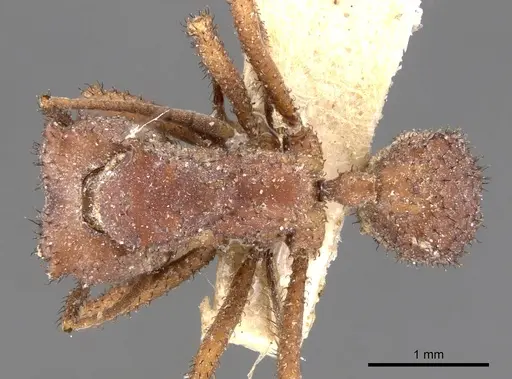
CASENT0912534
View on AntWeb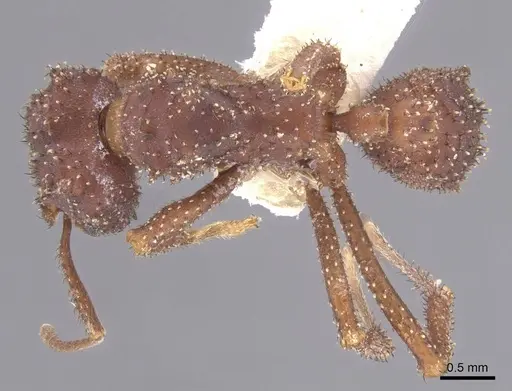
CASENT0919983
View on AntWeb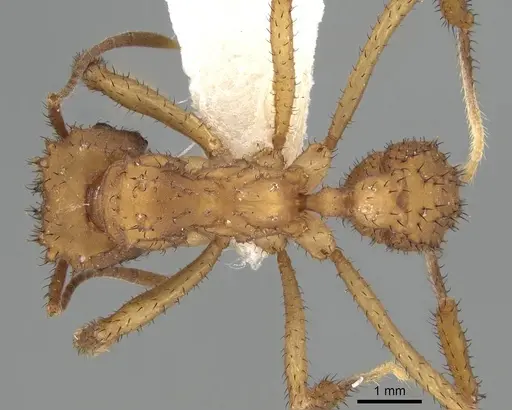
CBUMAGENT42006
View on AntWeb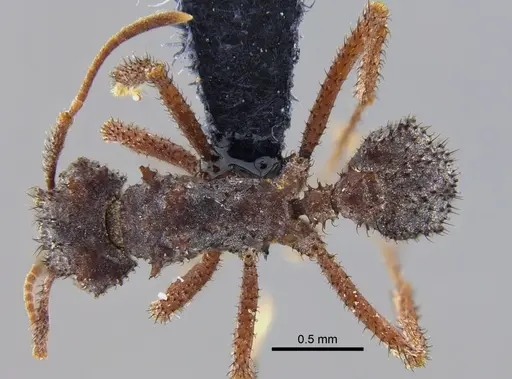
Literature
Loading...Loading products...