

Mycetomoellerius turrifex
- Scientific Name
- Mycetomoellerius turrifex
- Tribe
- Attini
- Subfamily
- Myrmicinae
- Author
- Wheeler, 1903
- Common Name
- Turret Fungus-farming Ant
- Distribution
- Found in 2 countries
Mycetomoellerius turrifex Overview
Mycetomoellerius turrifex (commonly known as the Turret Fungus-farming Ant) is an ant species of the genus Mycetomoellerius. It is primarily documented in 2 countries , including Mexico, United States of America. Detailed taxonomic data and occurrence records can be further explored via authoritative databases such as AntWeb or the Global Biodiversity Information Facility (GBIF).
Mycetomoellerius turrifex - "Turret Fungus-farming Ant"
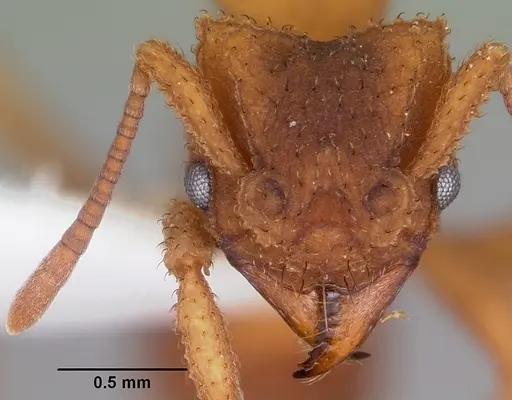
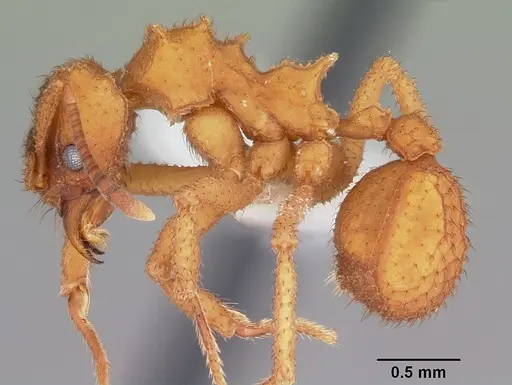
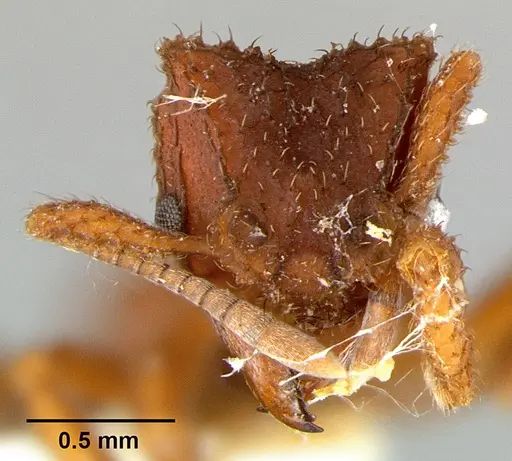
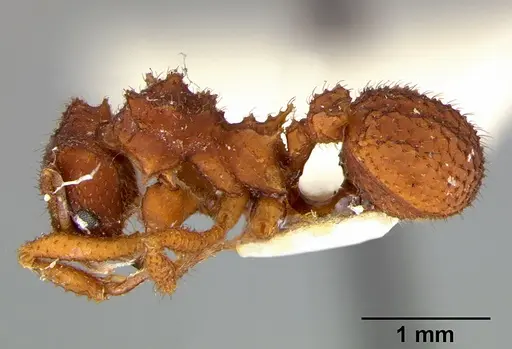
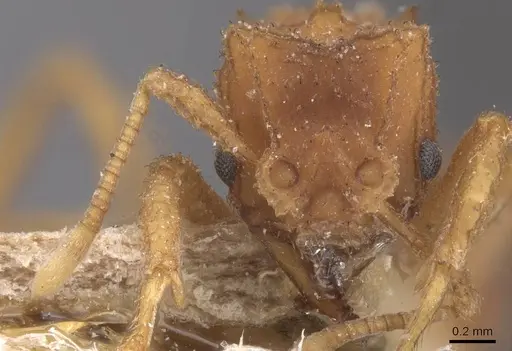
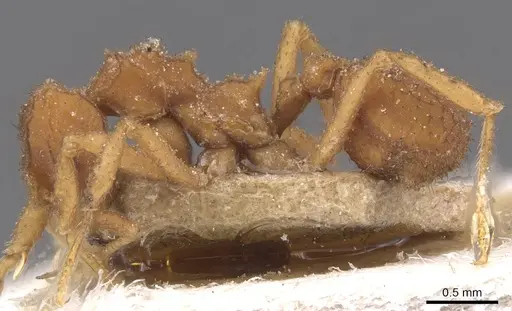
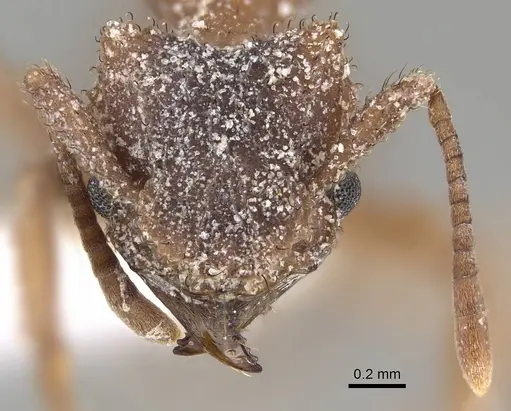
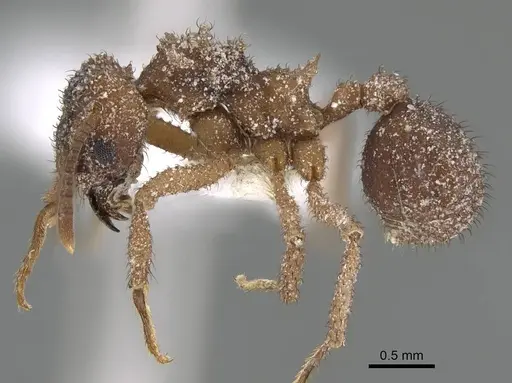
Mycetomoellerius turrifex is a medium-sized fungus-gardening ant native to the southwestern United States and northern Mexico. Workers measure 0.88-1.0mm in head length and feature distinctive deeply grooved antennal scrobes running along the sides of their head, along with a strongly tuberculate body covered in long, recurved dark setae [1]. Their color ranges from yellowish brown to medium reddish brown [1]. These ants build characteristic turret-like nest entrances from soil and plant debris, a feature that gives them their species name 'turrifex' (tower-builder) [1]. Unlike many ants, they don't hunt for protein but instead cultivate fungi as their food source, making them one of the more specialized ant species available to keepers.
Quick Summary
- Difficulty: Medium
- Origin & Habitat: Native to Texas, southern Oklahoma, western Louisiana, and northern Mexico (Chihuahua and Tamaulipas). Found in open desert habitats of west Texas, black clay soils of central Texas, and somewhat less commonly in sandy soils of eastern Texas and western Louisiana [1][2]. Dense populations occur in the Rio Grande Valley of southern Texas [1].
- Colony Type: Monogynous, colonies have a single queen and grow up to 300 workers [1]. This is a single-queen species with no documented ergatoid replacement reproductives.
- Colony: Monogyne
- Founding: Claustral
- Size & Growth:
- Queen: 1.1-1.2 mm head length [1]
- Worker: 0.88-1.0 mm head length [1]
- Colony: Up to 300 workers [1]
- Growth: Moderate
- Development: 6-10 weeks (estimated based on related Trachymyrmex species) (Development time is estimated from genus-level data since species-specific development has not been directly studied. Fungus-gardening ants typically have slower development than generalist ants due to the time needed to establish fungal gardens.)
- Antkeeping:
- Temperature: Keep at 22-26°C. These ants are adapted to the warm climate of Texas and northern Mexico and will do best with gentle heating. A heating cable on one side of the nest creates a temperature gradient allowing workers to regulate their exposure [1].
- Humidity: Moderate humidity around 50-70%. These ants inhabit areas with seasonal rainfall patterns, they build their characteristic turrets during wet periods and turrets disappear during dry periods [1]. Keep the nest substrate lightly moist but allow it to dry partially between water additions. The fungal garden needs consistent moisture but not saturation.
- Diapause: Yes, these ants enter winter dormancy in their native range. Reduce temperature to 15-18°C for 2-3 months during winter, mimicking the cool season in Texas when turrets are absent from nests [1].
- Nesting: In the wild, they nest in soil with 1-5 chambers connected by vertical tunnels [1]. In captivity, a naturalistic setup with soil or a Y-tong/plaster nest with narrow chambers works well. They prefer nesting in shaded areas, in the wild they are found under trees and in garden soil [3].
- Behavior: These ants are relatively docile and not aggressive toward keepers. Workers forage solitarily, collecting detritus and plant material to feed their fungal garden rather than hunting live prey [4]. They are not known for escaping aggressively, but standard escape prevention is still recommended. The most notable behavior is their fungus cultivation, they actively maintain and tend fungal gardens inside the nest.
- Common Issues: Fungal garden collapse is the biggest risk, if the fungus dies, the colony starves. Maintain consistent humidity and avoid temperature extremes that could harm the fungus., Overwatering can drown the fungal garden or cause mold problems. Allow substrate to dry partially between water additions., Wild-caught colonies may carry parasites or pathogens that can kill captive colonies. Quarantine and observe new colonies carefully., Colony growth is slow compared to generalist ants, beginners may lose patience and overfeed, which can mold the nest., Winter dormancy is required for long-term colony health. Skipping hibernation can weaken colonies over time [1].
Fungus Cultivation - The Heart of Their Care
Mycetomoellerius turrifex belongs to the fungus-gardening ant tribe Attini, meaning they don't eat insects or sugar, they farm fungi for food. This is the most critical aspect of their care. In the wild, workers collect plant detritus, frass (insect droppings), and decaying plant material to feed their fungal garden [4]. In captivity, you must provide appropriate fungal substrate. Offer small pieces of leaf litter, dried grass, or specialized fungal substrate. The fungus will grow on this material, and the ants harvest the specialized gongylidia (fungal food bodies) to feed the colony. Research shows M. turrifex can cultivate Leucoagaricus gongylophorus in captivity [5], which is the same fungus cultivated by leaf-cutter ants. Keep the fungal garden moist but not waterlogged, and avoid direct sunlight on the nest.
Feeding and Diet
Unlike typical ants, these ants do not need protein-rich prey. Their diet consists entirely of the fungi they cultivate. However, you must provide the substrate for fungus growth. Offer small amounts of leaf litter, dried grass clippings, or other plant detritus. Fresh material works better than dried. Some keepers report success with specialized fungal substrate. Remove any uneaten plant material that shows mold. Do not offer sugar water, honey, or insects as primary food, the ants will ignore them. The fungal garden is their sole food source, so maintaining its health is essential [4].
Temperature and Seasonal Care
These ants come from the warm southwestern US and northern Mexico, so they prefer temperatures in the low-to-mid 20s°C. Keep the nest area at 22-26°C, with a slight gradient if possible. A heating cable placed on one side of the nest helps maintain warmth without drying out the fungal garden too quickly. During winter (roughly November through February in the Northern Hemisphere), reduce temperatures to 15-18°C to allow dormancy. This mimics their natural cycle where turret nests disappear during winter [1]. Do not skip hibernation, it is important for colony health and triggering reproductive cycles.
Nest Setup and Humidity
In the wild, these ants nest in soil with 1-5 chambers connected by vertical tunnels [1]. They prefer shaded locations and are often found under trees or in garden soil [3]. For captivity, a naturalistic setup with a soil chamber or a Y-tong/plaster nest works well. Keep the nest substrate lightly moist, damp but not soggy. The fungal garden needs consistent moisture to survive. Allow the substrate to dry partially between water additions to prevent mold buildup. Good ventilation is important to prevent stagnant air while maintaining humidity. The characteristic turrets they build in wet weather are a behavioral trait unlikely to appear in captivity.
Colony Development and Growth
Colonies grow more slowly than typical ants because they must establish fungal gardens before workers can be produced in large numbers. A founding queen seals herself in a chamber (claustral founding) and survives on stored fat until her first workers emerge. These first workers (nanitics) are smaller but immediately begin tending the nascent fungal garden. Growth rate is moderate, expect several months before you see significant worker numbers. Maximum colony size is around 300 workers [1], which is smaller than many common pet ant species. Patience is key with this species.
Behavior and Foraging
Workers forage solitarily rather than in groups [4]. They venture out to collect plant detritus and debris to bring back to the nest as fungal substrate. Unlike leaf-cutter ants, they don't cut fresh leaves but instead scavenge detritus. They are not aggressive and rarely bite. Their docile nature makes them interesting to observe as workers carefully tend their fungal gardens. Workers show little fidelity to specific foraging routes [6], exploring randomly for substrate. This foraging behavior means they are most active during warmer months when plant debris is available.
Frequently Asked Questions
What do Mycetomoellerius turrifex ants eat?
They eat only the fungi they cultivate. Unlike other ants, they do not eat sugar, honey, or insects. You must provide plant material (leaf litter, dried grass) for them to grow their fungal garden. The ants harvest specialized fungal structures called gongylidia as their food source.
How long does it take for first workers to appear?
Expect 6-10 weeks from egg to first worker at optimal temperature (around 24°C). This is slower than many common ants because the colony must establish a fungal garden. The first workers (nanitics) are smaller but immediately begin tending the fungus.
Do Mycetomoellerius turrifex ants need hibernation?
Yes, they require a winter dormancy period. In their native Texas range, they stop building turret nests during winter [1]. Reduce temperatures to 15-18°C for 2-3 months during winter. This helps maintain colony health and may trigger reproductive cycles.
Can I keep multiple queens together?
No. This is a monogyne (single-queen) species. Multiple queens will fight, and only one will establish a colony. In the wild, colonies contain a single queen and up to 300 workers [1].
How big do colonies get?
Colonies reach a maximum of around 300 workers [1]. This is smaller than many common pet ant species. Growth is also slower due to the need to maintain a fungal garden.
What is the best nest type for this species?
A naturalistic setup with soil or a Y-tong/plaster nest with narrow chambers works well. They prefer shaded nesting areas [3]. Keep the nest substrate lightly moist and provide a temperature gradient of 22-26°C.
Are these ants good for beginners?
They are intermediate difficulty. The biggest challenge is maintaining a healthy fungal garden, if the fungus dies, the colony starves. They require more specific care than generalist ants but are not as demanding as leaf-cutter ants. Their slow growth and smaller colony size may test beginner patience.
Why did my fungal garden die?
Fungal gardens fail due to improper humidity (too dry or too wet), temperature extremes, or contamination. Keep substrate consistently moist but not waterlogged, maintain temperatures between 22-26°C, and avoid introducing mold-contaminated materials. Use clean plant material and filtered water.
What is the turret nest entrance behavior?
In the wild, these ants build distinctive turret-like entrances from soil and plant debris during wet weather [1]. These turrets disappear during winter dormancy and are reduced or absent in summer drought conditions [1]. This behavior is unlikely to appear in captivity as it requires specific environmental conditions.
How are they different from Trachymyrmex septentrionalis?
M. turrifex is distinguished by its well-developed antennal scrobes (deep grooves on the head sides) [1]. It also builds prominent turret nest entrances and is found in more arid western Texas regions, while T. septentrionalis prefers eastern areas. They often co-occur in central Texas [7].
References

This caresheet is licensed under CC BY-SA 4.0 .
CASENT0104760
View on AntWeb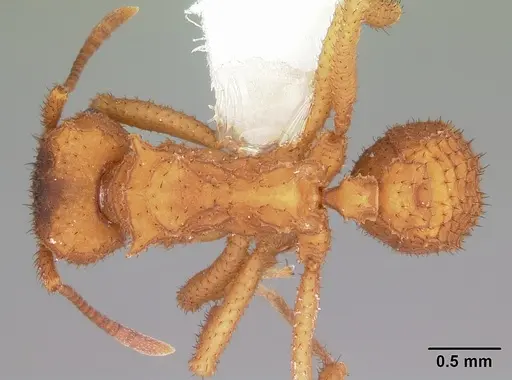
CASENT0105874
View on AntWeb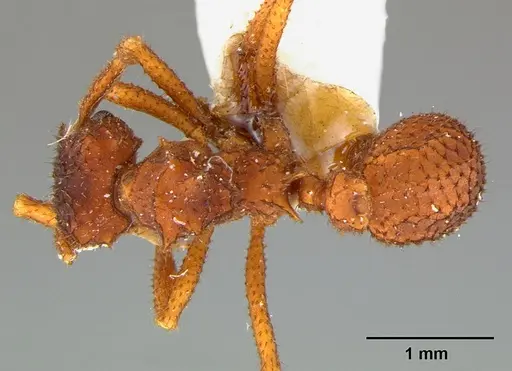
CASENT0912531
View on AntWeb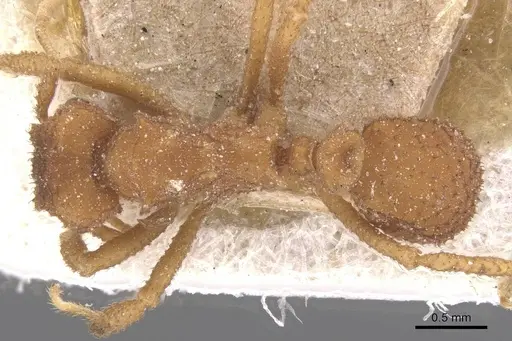
CASENT0919981
View on AntWeb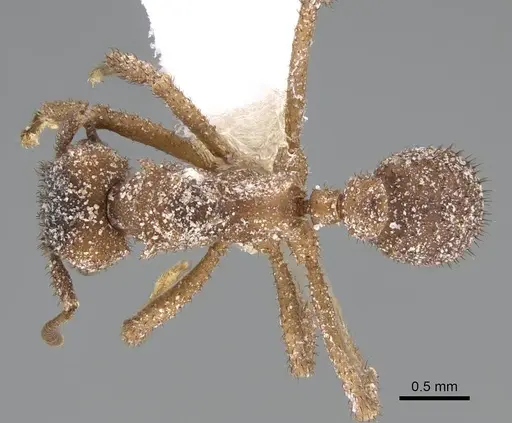
Literature
Loading...Loading products...