

Mycetomoellerius tucumanus
- Scientific Name
- Mycetomoellerius tucumanus
- Tribe
- Attini
- Subfamily
- Myrmicinae
- Author
- Forel, 1914
- Distribution
- Found in 1 countries
Mycetomoellerius tucumanus Overview
Mycetomoellerius tucumanus is an ant species of the genus Mycetomoellerius. It is primarily documented in 1 countries , including Argentina. Detailed taxonomic data and occurrence records can be further explored via authoritative databases such as AntWeb or the Global Biodiversity Information Facility (GBIF).
Mycetomoellerius tucumanus
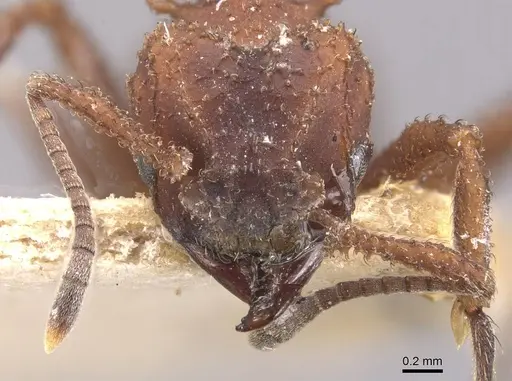
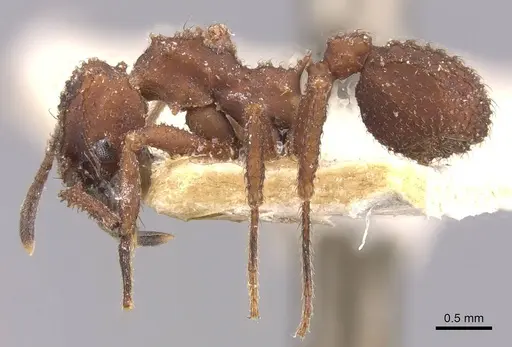
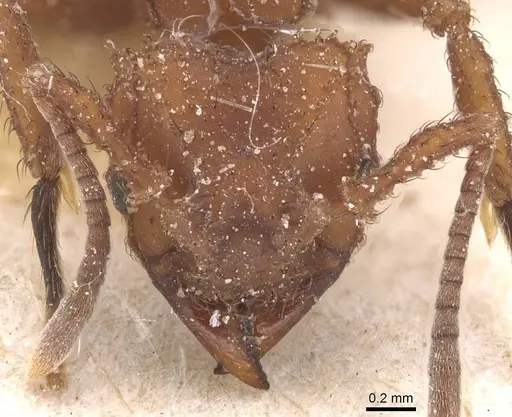
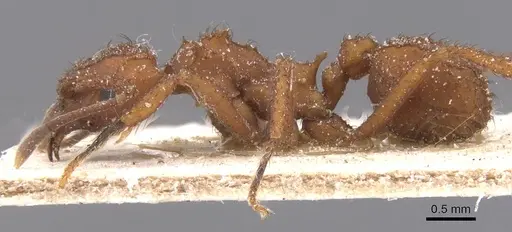
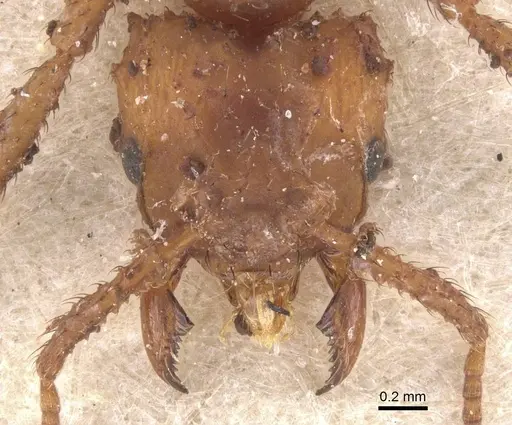
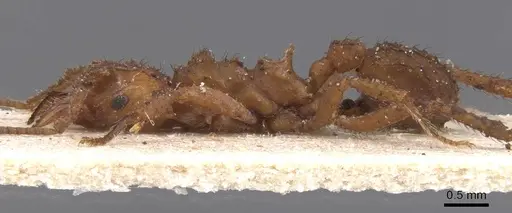
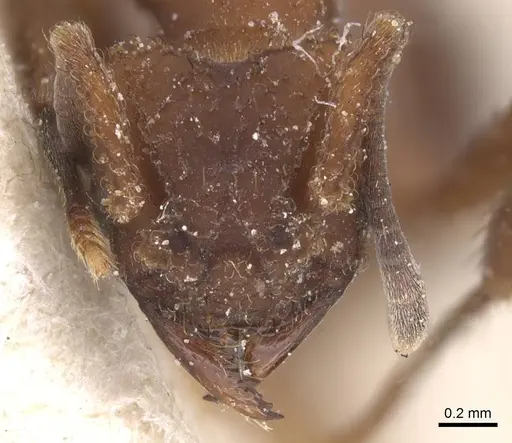
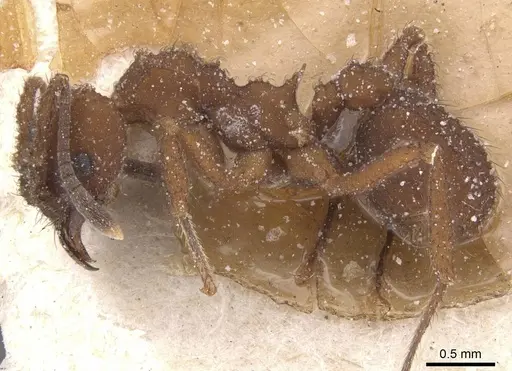
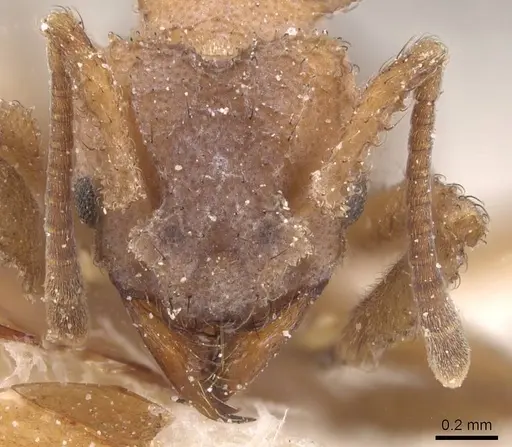
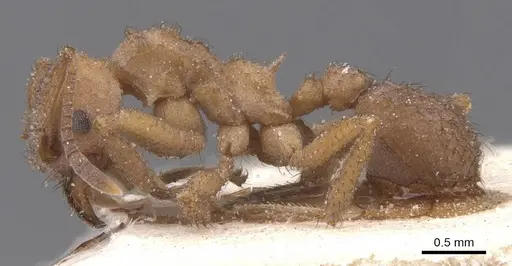
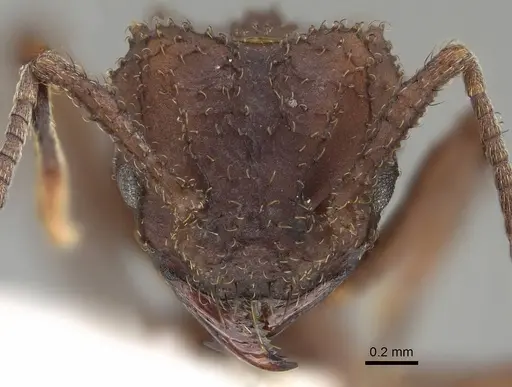
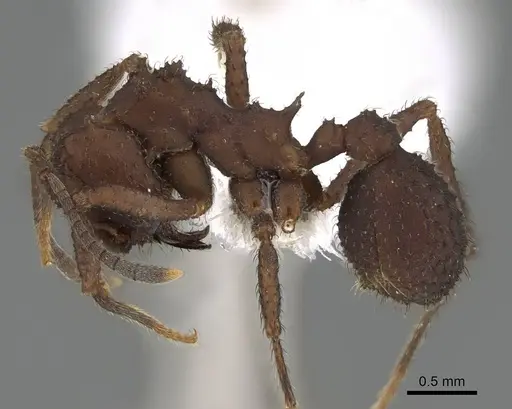
Mycetomoellerius tucumanus is a small fungus-growing ant native to Argentina and Uruguay, formerly classified as Mycetomoellerius tucumanus. Workers measure 3.7-4.2mm and have a ferruginous to yellowish-brown coloration with darker gasters on some specimens. Like all Attini tribe members, these ants cultivate a specialized fungus for food rather than foraging for insects or honeydew. They belong to the Iheringi group and are considered derived agriculture species, meaning they have a more advanced fungal cultivation system compared to primitive attines [1][2].
What makes M. tucumanus interesting is its foraging schedule, these ants are most active in late afternoon and evening, avoiding the heat of midday. They collect plant materials like dry leaves, seeds, and fruit peels to feed their fungal garden. Their nests feature a distinctive tower structure made of dry leaves and soil, giving them a cryptic appearance in their natural habitat [3]. This is a great species if you want to observe the fascinating process of fungus cultivation in action.
Quick Summary
- Difficulty: Medium
- Origin & Habitat: Native to Argentina and Uruguay in the Neotropical region. Found in areas with pasture and cerrado-like vegetation, typically under direct sun influence at elevations around 600m. Nests are constructed in soil with characteristic leaf litter towers [3][1].
- Colony Type: Likely single-queen (monogyne) colonies based on typical Attini behavior. Colonies remain small to medium-sized with significantly fewer workers than leaf-cutter ants (Atta and Acromyrmex) [3].
- Colony: Monogyne
- Founding: Claustral
- Size & Growth:
- Queen: Not specifically documented in available sources, estimated 6-8mm based on genus patterns
- Worker: 3.7-4.2mm [4]
- Colony: Small to medium colonies, significantly smaller than Atta and Acromyrmex. Observed nests had 60-221 workers entering during observation periods [3].
- Growth: Moderate, slower than leaf-cutters but faster than primitive attines
- Development: Unconfirmed, no specific development data available. Based on related Trachymyrmex species, estimate 6-10 weeks at optimal temperature. (Development time has not been directly studied. Expect similar timelines to other Trachymyrmex species in the Iheringi group.)
- Antkeeping:
- Temperature: Keep at 22-26°C. These ants are active during milder temperatures, foraging activity actually decreases when temperatures rise, and they prefer late afternoon when soil temperature is cooler. Avoid overheating [3].
- Humidity: Moderate to high humidity preferred. Foraging activity shows strong positive correlation with air humidity (r=0.4972). Keep the nest substrate consistently moist but not waterlogged. They are more active during wet seasons (spring and summer) [3].
- Diapause: Likely, activity decreases significantly in winter months. Based on the study showing minimal foraging activity in September (late winter/early spring in southern hemisphere), expect reduced activity during colder months [3].
- Nesting: Use a naturalistic setup with soil or a plaster/acrylic nest with moisture retention. These ants build characteristic leaf litter towers in nature, so include some dry leaf material in the outworld. They need space for their fungal garden chamber.
- Behavior: These ants are peaceful and not aggressive. They are solitary foragers, they do not form foraging trails like leaf-cutter ants. Workers are most active in late afternoon and evening (16:00-18:00), with activity nearly stopping around midday. This crepuscular pattern helps them avoid heat stress. Escape risk is moderate, they are small but not particularly fast or prone to escaping. They are docile and easy to handle [3].
- Common Issues: Fungus garden failure is the primary concern, these ants depend entirely on their fungal cultivar. If the fungus dies, the colony cannot survive., Overheating suppresses activity significantly, keep them away from direct heat sources and monitor temperature carefully., Dry conditions reduce foraging and colony health, maintain adequate humidity, especially during founding., Wild colonies may have parasites, always quarantine and observe new colonies before introducing to established setups., Small colony size means slower growth, don't expect rapid expansion like with some Myrmicinae.
The Fungus Garden - Their Food Source
Mycetomoellerius tucumanus belongs to the Attini tribe, a group of ants that have evolved a remarkable agricultural symbiosis, they cultivate fungus for food. This is NOT the same as feeding them leaves or vegetation directly. The ants collect plant material (dead leaves, leaf fragments, seeds, fruit peels, grass) and feed it to their fungal garden, which then produces special structures called gongylidia that the ants eat [3].
In captivity, you must provide suitable substrate for the fungus. Use fresh leaf fragments from untreated plants (avoid pesticides). Poaceae (grasses), Asteraceae, and Rubiaceae leaves are documented as natural substrates [5]. Cut leaves into small pieces (roughly 1-2mm) and place them in the fungus chamber. The fungus will grow as a spongy, fragile mass with tiny pores and greenish-gray pigmentation [5].
The fungus requires proper conditions, maintain warmth and humidity. The fungal garden needs consistent moisture but should not be waterlogged. A well-established fungus will show deep hyphal penetration into the substrate [5].
Foraging Behavior and Activity Patterns
Unlike many ants that forage throughout the day, M. tucumanus shows a distinct crepuscular activity pattern, they are most active in late afternoon and evening. Peak foraging occurs between 16:00 and 18:00,with activity nearly stopping around midday [3].
This behavior is directly linked to temperature and humidity. Foraging activity correlates positively with air humidity and inversely with temperature. The ants avoid foraging during the hottest parts of the day to prevent heat stress and desiccation [3].
Seasonally, foraging activity is highest during spring and summer (wet seasons) and drops significantly during autumn and especially winter. The study showed a dramatic decrease in activity during the dry period and winter months [3].
Foragers work alone, they do not form recruitment trails. Workers leave the nest individually to collect plant material, then return to deposit it in the fungus garden chamber. This solitary foraging means you won't see the dramatic traffic streams seen in leaf-cutter ants [3].
Nest Construction and Housing
In the wild, M. tucumanus builds distinctive nests featuring a tower structure made of dry leaves and soil particles. This gives them a cryptic appearance that helps camouflage the nest entrance [3]. The actual nest chambers contain elliptical spaces (roughly 9.8 x 7.2 x 4.1 cm) where the fungus garden sits at the chamber base [5].
For captive housing, a naturalistic setup works well, use a container with moist soil/substrate and include some dry leaf material in the outworld for the ants to collect. A formicarium with a dedicated fungus chamber is ideal. The chamber should be large enough to accommodate fungal growth.
Keep the nest area humid but ensure good ventilation to prevent mold. The ants need moisture for both the fungus and themselves, but stagnant air can cause fungal problems. Place the setup in a location with stable temperatures away from direct heat sources or air conditioning drafts.
Seasonal Care and Activity Cycles
M. tucumanus shows clear seasonal activity patterns tied to moisture and temperature. In their native Argentina/Uruguay, they are most active during the wet, warmer months (spring and summer) and significantly reduce activity during the dry/cold period [3].
Expect your colony to slow down during winter months. Foraging activity drops substantially, and the fungus garden growth may slow. You don't necessarily need to hibernate them (they're not temperate ants), but do reduce feeding and expect less activity during cold periods.
The study also documented nest migration, four of ten observed nests moved during seasonal transitions, likely triggered by environmental pressures like heavy rains [3]. In captivity, this means you might see colony movement if conditions become unfavorable. Maintain stable humidity and avoid sudden temperature changes.
Feeding Guide
The most important aspect of feeding M. tucumanus is understanding that they don't eat the plant material directly, they feed it to their fungus. The fungus then produces gongylidia, special nutrient-rich structures that the ants consume.
Provide fresh plant material regularly: small leaf fragments, grass clippings, seed coats, or fruit peels. Use organic material free from pesticides. Cut material into small pieces (1-2mm) for easier handling. Remove any uneaten plant material after a few days to prevent mold.
Do NOT feed them protein sources like insects, these ants are obligate herbivores/fungivores. They do not hunt prey or collect honeydew. Their entire diet comes from their fungal cultivation [3].
Frequency: Offer fresh plant material every 2-3 days, adjusting based on how quickly the colony processes it. A healthy fungus garden will show active growth with the substrate being consumed and new fungal tissue forming.
Frequently Asked Questions
What do Mycetomoellerius tucumanus ants eat?
They don't eat plant material directly, they cultivate fungus for food. Provide small leaf fragments, grass clippings, seed coats, or fruit peels. The ants feed this vegetation to their fungal garden, which produces gongylidia (nutrient-rich structures) that the ants consume. Do not feed them insects or sugar water.
How long does it take for first workers to emerge?
Exact development time is unconfirmed for this species. Based on related Trachymyrmex species, expect 6-10 weeks from egg to first worker at optimal temperature (around 24°C). Growth is moderate, slower than leaf-cutters but not extremely slow.
Can I keep multiple queens together?
Not recommended. This species is likely monogyne (single queen), which is typical for Attini. Combining unrelated queens has not been documented and would likely result in aggression. Start with one queen for best success.
What temperature do they need?
Keep them at 22-26°C. These ants are actually more active at milder temperatures, foraging decreases when it gets too warm. Avoid direct heat sources and overheating. Peak activity occurs in late afternoon when temperatures are cooler.
Do they need hibernation?
Not a true hibernation, but expect reduced activity during winter months. Foraging drops significantly in the dry/cold period. You can reduce feeding and lower temperatures slightly (but not below 18°C) during this period.
Why is my fungus not growing?
Fungus garden failure is the main killer for these ants. Ensure: 1) Fresh, pesticide-free plant material is provided regularly,2) Humidity is consistent (moist but not waterlogged),3) Temperature stays in the 22-26°C range,4) Good ventilation prevents mold,5) The colony is not stressed by frequent disturbances.
Are these ants good for beginners?
Medium difficulty, not the easiest but manageable. The key challenge is maintaining a healthy fungus garden. If you understand that you're keeping both ants AND their fungal cultivar, and can provide proper humidity and plant material, they can be rewarding. They are peaceful and fascinating to observe.
When are they most active?
Late afternoon and evening (16:00-18:00). They are crepuscular, peak activity occurs at dusk, with almost no foraging around midday. This is temperature-driven behavior to avoid heat stress.
How big do colonies get?
Small to medium, significantly smaller than leaf-cutter ants (Atta/Acromyrmex). Observed wild colonies had 60-221 workers. Expect under 500 workers at full maturity. They remain compact compared to other Attini.
What nest type is best?
A naturalistic setup with soil or a formicarium with a dedicated fungus chamber works well. Include some dry leaf material in the outworld for the ants to collect and add to their garden. The chamber should hold moisture well.
References

This caresheet is licensed under CC BY-SA 4.0 .
CASENT0909391
View on AntWeb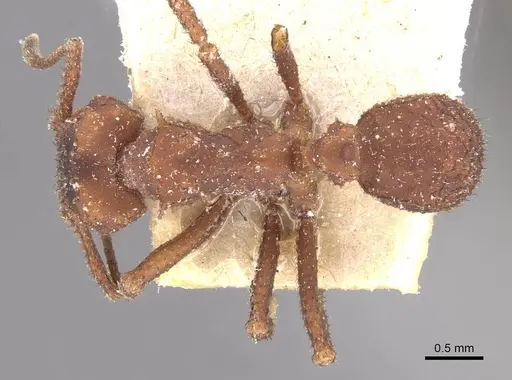
CASENT0912527
View on AntWeb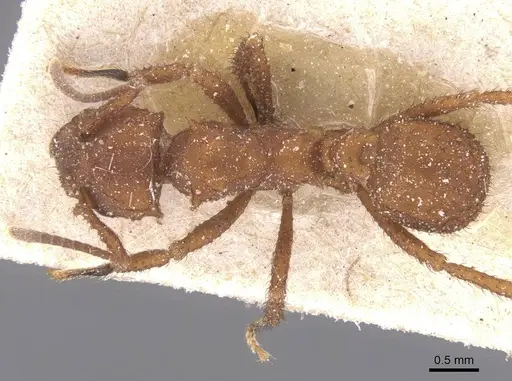
CASENT0912528
View on AntWeb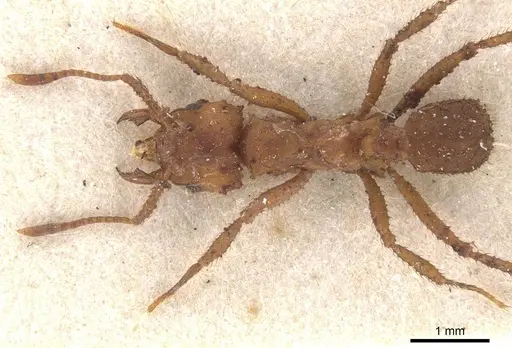
CASENT0912529
View on AntWeb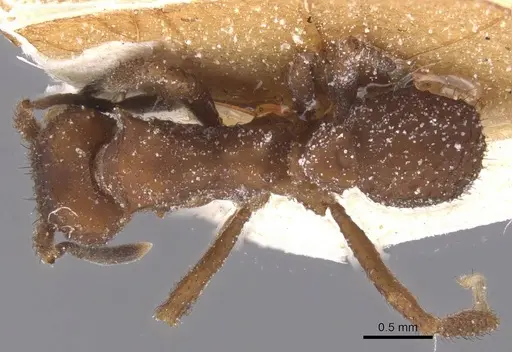
CASENT0912530
View on AntWeb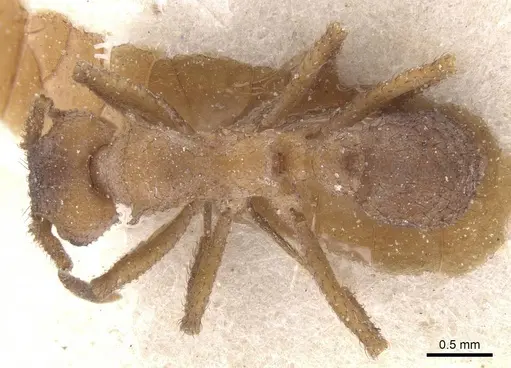
CASENT0919979
View on AntWeb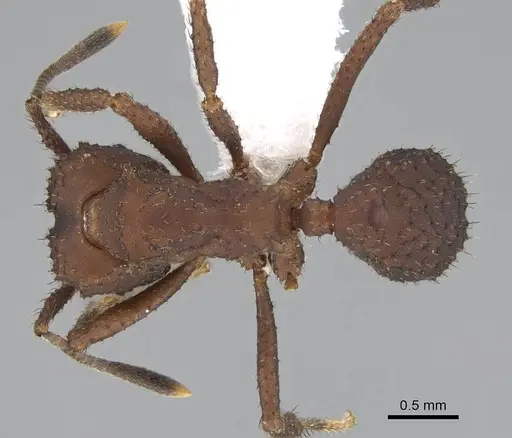
Literature
Loading...Loading products...