

Mycetomoellerius squamulifer
- Scientific Name
- Mycetomoellerius squamulifer
- Tribe
- Attini
- Subfamily
- Myrmicinae
- Author
- Emery, 1896
- Distribution
- Found in 2 countries
Mycetomoellerius squamulifer Overview
Mycetomoellerius squamulifer is an ant species of the genus Mycetomoellerius. It is primarily documented in 2 countries , including Costa Rica, Mexico. Detailed taxonomic data and occurrence records can be further explored via authoritative databases such as AntWeb or the Global Biodiversity Information Facility (GBIF).
Mycetomoellerius squamulifer
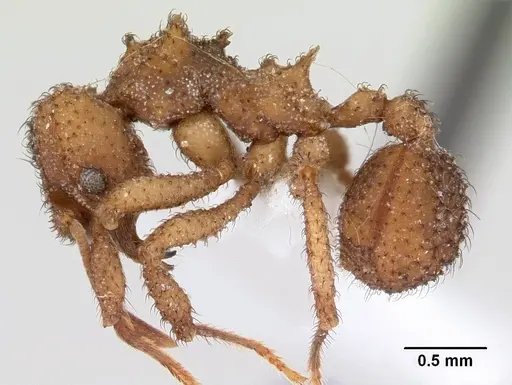
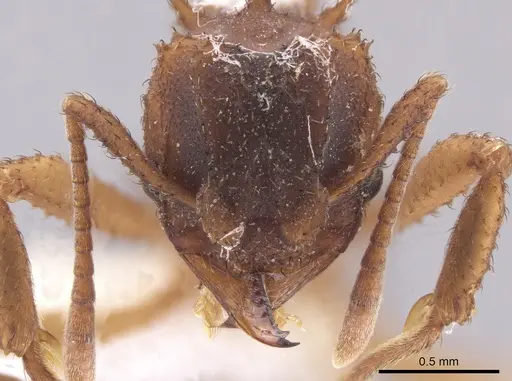
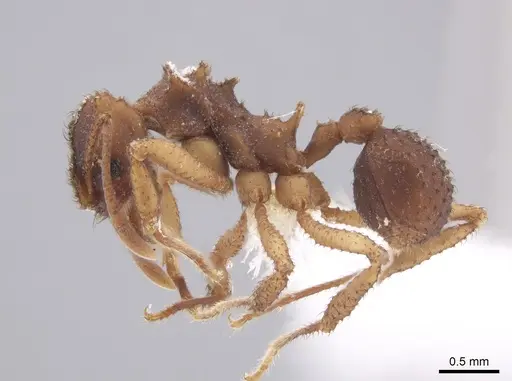
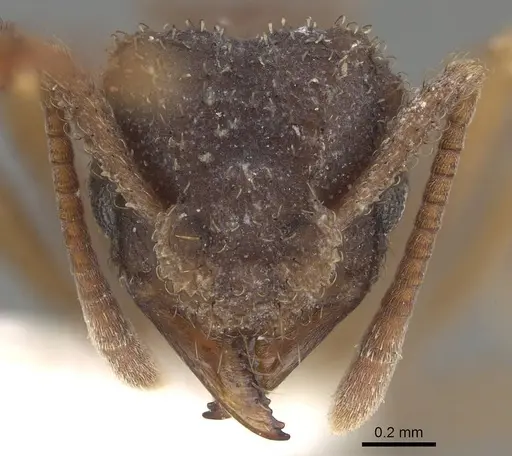
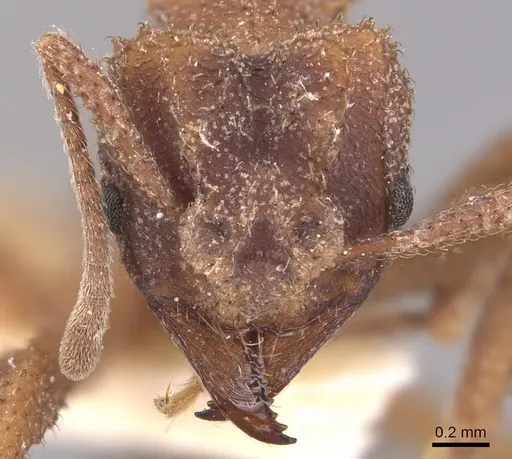
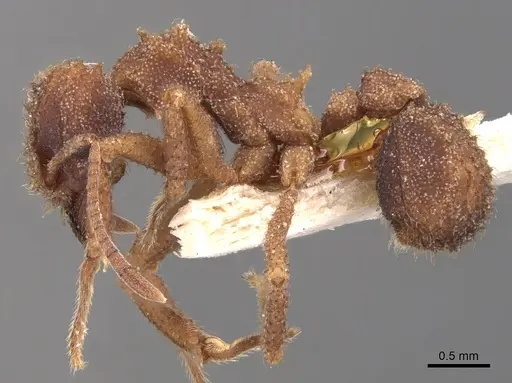
Mycetomoellerius squamulifer is a small fungus-farming ant found throughout Central America [1][2]. These ants belong to the 'higher attine' group, a remarkable lineage that has evolved a mutualistic relationship with specific fungi that they cultivate as their primary food source. Workers are equipped with distinctive morphological features including well-developed mesonotal projections, propodeal spines, and tubercles on the first gastral tergite that form interconnected carinae [3]. The species has a farinose (dusty) tegument giving it a slightly powdery appearance [3].
What makes these ants truly remarkable is their agricultural behavior, they actively cultivate fungal gardens in their nests, tending the fungi and harvesting them for nutrition. This represents one of the few examples of obligate agriculture in the animal kingdom. The fungal cultivation requires specific conditions and careful attention to humidity and substrate, making these ants more challenging to keep than typical ant species.
Quick Summary
- Difficulty: Hard
- Origin & Habitat: Central America, found in tropical forest environments where they nest in soil or decaying wood and cultivate their fungal gardens in protected, humid microhabitats [1][2]
- Colony Type: Likely monogyne (single queen colonies) based on typical attine ant colony structure. Colony size likely reaches several hundred workers based on related Mycetomoellerius species.
- Colony: Monogyne
- Founding: Claustral
- Size & Growth:
- Queen: Estimated 6-8mm based on genus typical sizes
- Worker: Estimated 4-6mm based on genus morphology [3]
- Colony: Likely several hundred workers based on related species in the genus
- Growth: Moderate, growth is tied to fungal garden development
- Development: Estimated 8-12 weeks based on typical attine development at warm temperatures (Development time is temperature-dependent and closely tied to fungal garden health. Higher temperatures accelerate development but require careful humidity management.)
- Antkeeping:
- Temperature: Keep at 24-28°C, these are tropical ants requiring warm, stable conditions. A heating cable on one side of the nest creates a gentle gradient allowing workers to regulate their temperature
- Humidity: High humidity is critical, aim for 70-85%. The fungal garden requires consistently moist substrate. Use a water reservoir or regular misting to maintain moisture without waterlogging the nest. The substrate should feel damp but not soggy.
- Diapause: No, as a Central American tropical species, they do not require hibernation. Maintain warm conditions year-round.
- Nesting: Provide a nest with high humidity retention, plaster nests, acrylic nests with water reservoirs, or naturalistic setups with moist substrate work well. The nest should have chambers large enough for fungal garden expansion. Avoid dry environments or poorly ventilated setups that can cause fungal die-off.
- Behavior: Workers are generally non-aggressive and focused on their fungal cultivation activities. They are not particularly defensive and rarely sting. Foraging activity is moderate, they collect organic matter to feed their fungal garden. Escape risk is moderate, standard barrier methods like Fluon work well. The main concern is maintaining the fungal symbiont, if the fungus dies, the colony will starve. Workers are active throughout the nest but spend significant time tending the fungal garden.
- Common Issues: Fungal garden collapse is the primary killer, sudden changes in humidity or temperature can kill the cultivated fungus, starving the colony, Overheating is dangerous, temperatures above 30°C can kill both the ants and their fungal symbiont, Dry conditions cause fungal die-off, low humidity rapidly destroys the food source, Contamination of the fungal garden, introducing foreign fungi or mold can outcompete the cultivated species, Slow growth tests keeper patience, colonies develop more slowly than typical ants due to fungal cultivation requirements
The Fungus-Farming Lifestyle
Mycetomoellerius squamulifer belongs to the attine ants, a group that has evolved obligate agriculture with specific fungal species. Unlike most ants that forage for insects or honeydew, these ants cultivate fungi as their sole food source. The queen carries a small fragment of fungal mycelium when she founds a new colony, planting it in a prepared chamber and tending it as the first workers emerge. Workers constantly tend the fungal garden, adding new substrate material and protecting it from competing fungi. This mutualistic relationship is so specialized that the ants cannot survive without their specific fungal cultivar, and the fungi cannot survive without ant cultivation. For keepers, this means the fungal garden IS the colony's food supply, keeping the fungus healthy is your primary responsibility. Any sign of mold, discoloration, or fungal decline should be addressed immediately by adjusting humidity and removing contaminated sections. [1][2]
Housing and Nest Setup
Housing Mycetomoellerius requires thinking about fungal needs, not just ant needs. The nest must maintain high humidity (70-85%) while allowing some ventilation to prevent mold. Plaster nests with built-in water reservoirs work well, as do acrylic nests with moist substrate chambers. The nest should have chambers sized appropriately for the colony, not too large initially, as the ants prefer snug spaces for their fungal garden. Include a foraging area where you can provide organic material (see Feeding section). Use a water tube or reservoir to maintain long-term humidity without daily misting. Avoid glass nests that can cause condensation issues, and avoid completely sealed setups that trap stale air. The outworld should be simple, these ants aren't escape artists, but standard barrier methods like Fluon on the rim provide security.
Feeding and Nutrition
Feeding fungus-farming ants is fundamentally different from keeping typical ants. You do NOT feed the ants directly, you feed the fungus. The fungal garden needs a constant supply of organic material to grow. Fresh leaf litter, small pieces of decaying wood, or pre-chewed organic matter can be placed in the foraging area. Some keepers report success with very small amounts of crushed insects or grains, but the primary nutrition comes from the fungus itself. Avoid providing sugar water, honey, or typical ant sweets, the ants cannot digest these and they can introduce harmful mold to the nest. The fungal garden should be visibly growing and healthy. If it appears to be shrinking or discoloring, adjust humidity and provide more fresh substrate material. Remove any moldy material immediately.
Temperature and Climate Control
As a Central American tropical species, Mycetomoellerius squamulifer requires warm conditions year-round. Keep the nest at 24-28°C with minimal temperature fluctuations. A heating cable placed on one side of the nest creates a thermal gradient that allows workers to move between warmer and cooler areas. However, NEVER place heat directly on the fungal garden, rapid drying or temperatures above 30°C will kill the fungus. Room temperature (22-24°C) may be acceptable if your home stays in this range, but monitor the colony's activity. Cooler temperatures slow fungal growth, which slows colony growth. If workers become sluggish and the fungus looks stagnant, slightly increasing temperature often helps. Avoid placing the nest near air conditioning vents or drafty windows. [1]
Colony Development and Growth
Growing a Mycetomoellerius colony requires patience. A newly founded colony starts with just the queen and a small fungal fragment. The first workers (nanitics) are typically smaller and may take 8-12 weeks to emerge at optimal temperatures. The colony growth rate is directly tied to fungal garden health, a thriving fungus produces food faster, allowing more workers to be raised. Expect the first year to be slow as the fungal garden establishes itself. Once established, colonies can grow to several hundred workers over several years. The key milestone is when workers begin actively tending the fungus without queen intervention, this indicates the colony has reached a stable, self-sustaining state. Do not expect rapid growth like typical Myrmica or Lasius species, the agricultural lifestyle is inherently slower but more rewarding to observe.
Common Problems and Solutions
The biggest threat to Mycetomoellerius colonies is fungal garden failure. Mold contamination appears as fuzzy growths, discoloration, or slimy patches on the garden. Remove affected areas immediately and improve ventilation while maintaining humidity. If the entire fungus dies, the colony will starve regardless of how much other food you provide. Dry conditions cause the fungus to turn brown and brittle, increase humidity immediately. Temperature stress from overheating or cold drafts can kill both ants and fungus. Slow growth is normal, don't overfeed or add extra organic material in an attempt to speed things up, as excess material breeds mold. Finally, avoid disturbing the nest frequently, fungus-farming ants are sensitive to vibrations and nest disturbances. Check the colony no more than once weekly and minimize light exposure.
References

This caresheet is licensed under CC BY-SA 4.0 .
CASENT0603549
View on AntWeb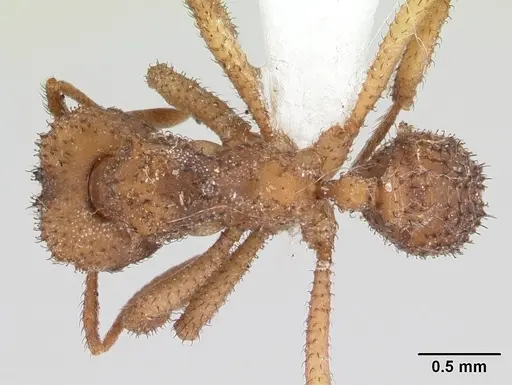

CASENT0647035
View on AntWeb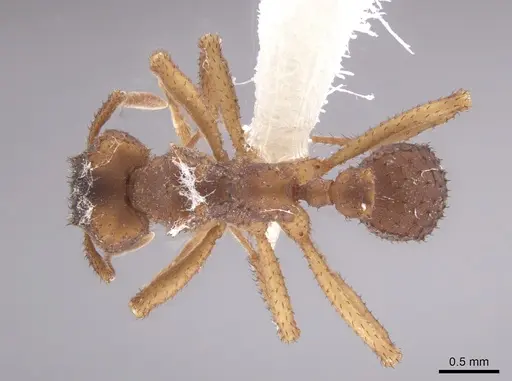
CASENT0919973
View on AntWeb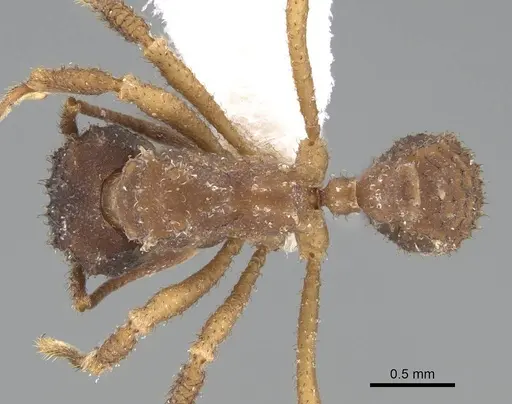
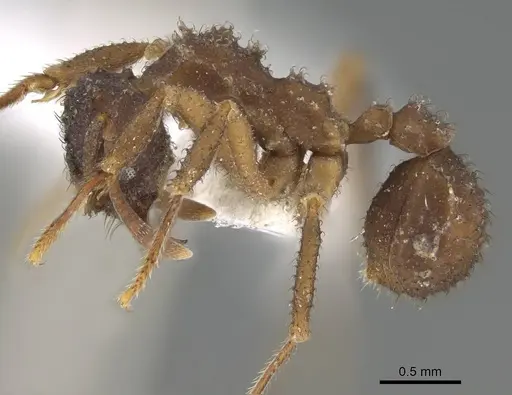
USNMENT00445507
View on AntWeb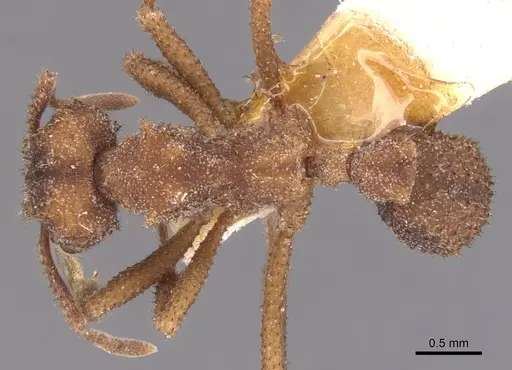
Literature
Loading...Loading products...