

Mycetomoellerius pruinosus
- Scientific Name
- Mycetomoellerius pruinosus
- Tribe
- Attini
- Subfamily
- Myrmicinae
- Author
- Emery, 1906
- Distribution
- Found in 3 countries
Mycetomoellerius pruinosus Overview
Mycetomoellerius pruinosus is an ant species of the genus Mycetomoellerius. It is primarily documented in 3 countries , including Argentina, Bolivia, Plurinational State of. Detailed taxonomic data and occurrence records can be further explored via authoritative databases such as AntWeb or the Global Biodiversity Information Facility (GBIF).
Mycetomoellerius pruinosus
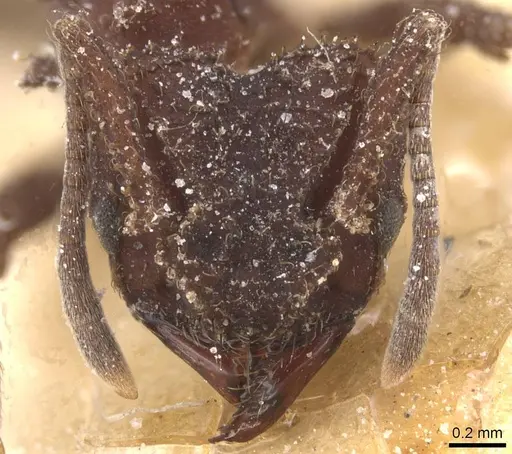
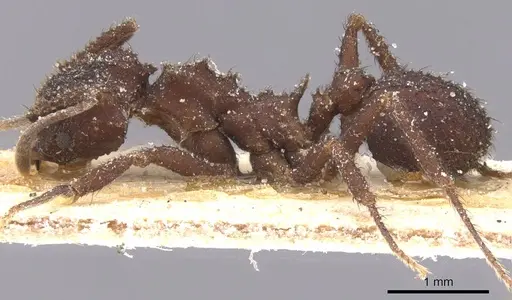
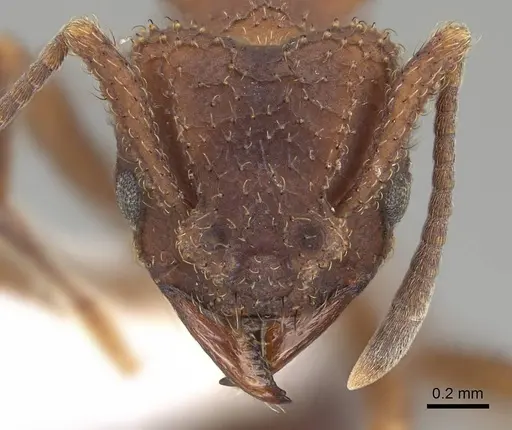
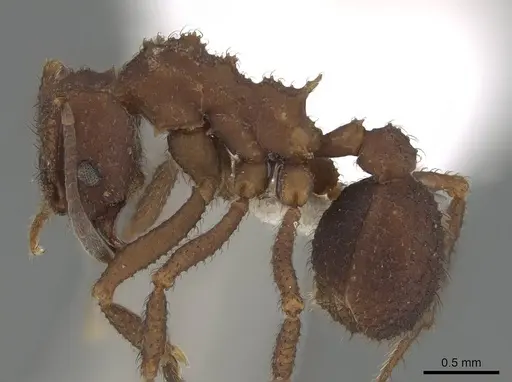
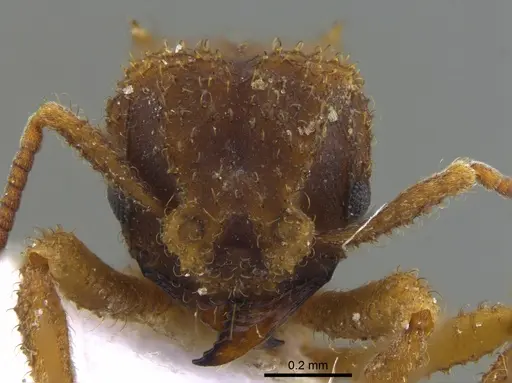
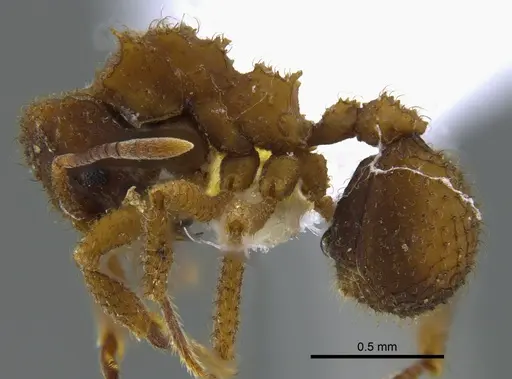
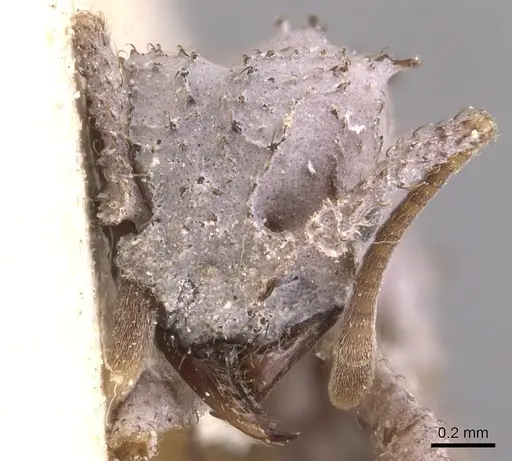
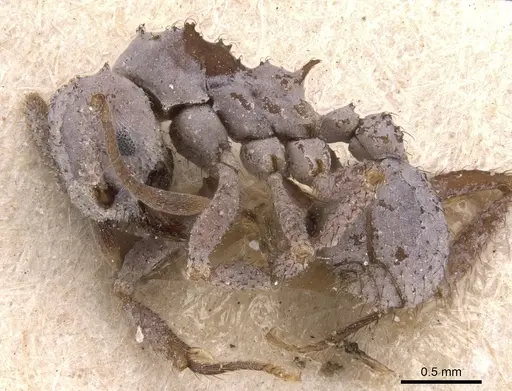
Mycetomoellerius pruinosus is a small fungus-growing ant native to southern South America, found in Argentina and Uruguay. Workers measure 3.4-3.7mm and have a distinctive dark ferruginous brown coloration, often with a darker head and gaster. The entire body has a pruinose (frosted) veil that gives them a dusty appearance. These ants belong to the tribe Attini, meaning they cultivate fungus as their primary food source, they are close relatives of the famous leaf-cutter ants but much smaller and less aggressive. Their most notable behavior is the nocturnal foraging activity, with workers leaving the nest at sunset to collect caterpillar excrements and other organic material to feed their fungal garden. Nests are built in hard loamy soil with characteristic crater-like entrances [1][2][3].
Quick Summary
- Difficulty: Medium
- Origin & Habitat: Native to southern South America, specifically Argentina and Uruguay. Found in temperate grasslands, forest edges, and premontane forest areas. The species has been recorded in Buenos Aires province (Tandil), Córdoba, and Santa Fe in Argentina, as well as in Uruguay. They prefer areas with hard loamy soil suitable for nest construction [1][4][5].
- Colony Type: Colony structure is not well documented in scientific literature. Based on typical patterns for the genus Mycetomoellerius, they likely form single-queen colonies (monogyne), though this requires confirmation. Colonies are relatively small, typically reaching a few hundred workers at most.
- Size & Growth:
- Queen: Not specifically documented in available research, estimated 5-6mm based on genus patterns
- Worker: 3.4-3.7mm [1]
- Colony: Likely a few hundred workers based on related species, estimated under 500 workers
- Growth: Moderate, fungus-growing ants typically develop more slowly than generalist ants due to the time needed to cultivate their fungal gardens
- Development: Estimated 8-12 weeks based on related Trachymyrmex species at optimal temperature (Development is likely slower than non-fungus-growing ants due to the additional time needed for fungus cultivation to support brood development)
- Antkeeping:
- Temperature: Keep at 22-26°C. These ants are adapted to temperate regions of southern South America and do not require high tropical temperatures. A gentle temperature gradient allows them to regulate their environment [6].
- Humidity: Maintain moderate humidity, roughly 60-75%. The nest substrate should remain consistently moist but not waterlogged. These ants nest in natural soil with moisture, but their fungus gardens are sensitive to both drying out and excessive dampness.
- Diapause: Likely yes, given their distribution in temperate southern South America, colonies probably require a winter rest period. Keep at reduced temperatures (10-15°C) for 2-3 months during winter months.
- Nesting: Naturalistic setup with soil or dug-in formicarium works best. They build nests in hard loamy soil with chambers at varying depths (5cm,10-12cm, and 30cm). The nest entrance typically has a small crater. A Y-tong or acrylic nest with soil chambers can also work well.
- Behavior: Workers are very timid and show strongest activity at sunset and during night hours. They are not aggressive and will retreat rather than fight when threatened. As fungus farmers, they do not scavenge like typical ants, instead, they collect organic material (caterpillar excrements, fruit, leaves) to cultivate their fungal gardens. Escape risk is moderate, they are small but not particularly fast or prone to climbing. They are not known to sting and pose no danger to keepers.
- Common Issues: Fungus garden failure is the most serious issue, if the fungal cultivar dies, the colony will starve. This requires careful attention to humidity and avoiding contamination., Slow growth can frustrate beginners, fungus-growing ants develop more slowly than typical ants because they must cultivate their food source first., Overfeeding with inappropriate substrates can harm the fungus, only provide suitable organic material that the fungus can grow on., Colony stress from excessive disturbance, these timid ants are sensitive to vibrations and light, so observe quietly., Winter mortality if diapause conditions are not provided, temperate species need a cold period to survive long-term.
Fungus Farming - The Key to Their Survival
Mycetomoellerius pruinosus belongs to the tribe Attini, a group of ants that have evolved a remarkable agricultural symbiosis with fungi. Unlike most ants that feed on sugars, proteins, and fats, these ants feed almost exclusively on the fungal gardens they cultivate. This makes their care fundamentally different from keeping typical ants, the fungus IS the colony's food source, not just a supplement. In the wild, workers collect organic material like caterpillar excrements (particularly from Oeceticus platensis), decaying fruit, and other plant matter to feed their fungus. The fungus grows on this substrate in special chambers deep in the nest, and the ants harvest the fungal threads (hyphae) to feed the colony, including the larvae. In captivity, you can provide small pieces of fresh fruit (oranges, apples work well based on laboratory observations), but avoid citrus fruits that may be too acidic. The key to success is maintaining a healthy fungal garden, it should appear white and fluffy, not discolored or moldy. Never use fungicides or pesticides near these ants [6][3].
Nest Setup and Housing
These ants require a naturalistic setup that allows for proper fungus garden maintenance. In the wild, they excavate nests in hard loamy soil with a characteristic circular entrance 3-4mm in diameter, often surrounded by a low crater about 10cm across. The nest consists of a vertical cylindrical duct leading to chambers at different depths, typically one chamber around 5cm deep, another at 10-12cm, and a deeper chamber at around 30cm. For captive care, a naturalistic setup with a soil chamber works best, or you can use a Y-tong-style nest with a soil insert. The nest should have multiple chambers at different levels to allow the fungus garden to develop properly. Unlike some Trachymyrmex species that hang their gardens from the ceiling, M. pruinosus grows fungus on the chamber floor, so provide adequate floor space in the deeper chambers. Keep the nest humid but ensure some drier areas exist so the ants can choose their preferred conditions [3].
Feeding and Nutrition
Feeding fungus-growing ants is completely different from typical ant keeping. You are not feeding the ants directly, you are feeding the fungus, which then feeds the ants. Provide small pieces of fresh organic material for the fungus to grow on. Laboratory observations show they readily accept orange pieces as substrate. Other suitable options include small pieces of apple, banana, or other non-citrus fruits. Some keepers also provide very small amounts of caterpillar droppings or dead insects, but these should be minimal. The key is balance, too much food will cause mold growth that can kill the fungal garden. Remove any uneaten food after 2-3 days. Never feed these ants sugar water, honey, or typical ant baits, they cannot digest these and it may harm the fungus. Fresh water should always be available, but avoid flooding the nest area [6][3].
Behavior and Activity Patterns
Mycetomoellerius pruinosus workers are notably timid compared to many other ants. They show strongest activity at sunset and during nighttime hours, making them crepuscular/nocturnal foragers. This is an important consideration for observation, if you want to watch them active, plan your viewing for evening hours. When foraging, only 5-6 workers typically leave the nest at once, walking slowly as they search for organic material to bring back to the fungus garden. They are not aggressive and will retreat from threats rather than engage. This makes them fascinating to observe but less dramatic than keeping aggressive species. They are also relatively quiet ants, you won't hear them chewing or excavating like some larger species. Their small size and timid nature make them best suited for keepers who enjoy patient observation rather than active interaction [3].
Temperature and Seasonal Care
As ants from temperate regions of southern South America, M. pruinosus does not require tropical temperatures. Keep the nest area at 22-26°C, which is comfortable for both the ants and their fungal cultivar. Room temperature in most homes falls within this range, making them relatively easy to accommodate. However, they do require a winter dormancy period. During the colder months (roughly June-August in the Southern Hemisphere, or November-February in the Northern Hemisphere if you simulate natural seasons), reduce temperatures to 10-15°C. This mimics their natural cycle and is essential for long-term colony health. Do not feed during diapause, the colony will be mostly inactive and the fungus will grow more slowly. Gradually return to normal temperatures when the rest period ends. Sudden temperature changes can stress the colony and harm the fungus garden.
Growth and Development
Fungus-growing ants develop more slowly than typical ants because the colony must first establish a healthy fungal garden before it can raise significant numbers of brood. The queen lays eggs, and these are fed by fungal material, the fungus essentially becomes the nurse that produces food for the larvae. This mutualistic relationship means development takes longer than the 4-6 weeks seen in many common ants. Expect 8-12 weeks from egg to first worker under optimal conditions. The first workers (nanitics) will be smaller than normal workers and may take some time to establish the fungus garden properly. Once established, growth becomes more steady but still moderate. Colonies likely reach a few hundred workers at maximum, making them suitable for keepers who prefer smaller, more manageable colonies. Patience is essential, these are not ants for keepers who want rapid colony explosion.
Frequently Asked Questions
How long does it take for first workers to appear in Mycetomoellerius pruinosus?
Expect 8-12 weeks from egg to first worker at optimal temperature (22-26°C). This is slower than typical ants because the colony must first establish a fungal garden before brood can develop properly. The first workers will be smaller (nanitics) and may take additional time to expand the fungus garden.
What do I feed my Mycetomoellerius pruinosus colony?
You feed the fungus, not the ants directly. Provide small pieces of fresh fruit like orange or apple for the fungus to grow on. Remove uneaten food after 2-3 days to prevent mold. Never feed sugar water, honey, or typical ant baits, these can kill the fungal garden. The ants eat the fungal hyphae that grows on the substrate you provide.
Can I keep Mycetomoellerius pruinosus in a test tube setup?
Test tubes are not ideal for this species. They need space for their fungal garden to develop across multiple chambers at different depths. A naturalistic setup with soil or a Y-tong nest with soil chambers works best. The fungus grows on the chamber floor, not hanging from the ceiling, so horizontal space matters.
Do Mycetomoellerius pruinosus ants need hibernation?
Yes, likely required. As ants from temperate southern South America, they need a winter rest period. Reduce temperatures to 10-15°C for 2-3 months during winter. This mimics their natural seasonal cycle and is essential for long-term colony health. Do not feed during this dormant period.
Are Mycetomoellerius pruinosus good for beginners?
They are moderate difficulty, not the best choice for complete beginners, but manageable for those with some ant-keeping experience. The key challenge is maintaining a healthy fungal garden, which requires different skills than typical ant keeping. Their slow growth and nocturnal activity may also test patience. However, they are docile, don't sting, and don't require elaborate escape prevention.
Why is my fungus garden turning black or moldy?
This usually indicates problems with humidity (too wet), contamination, or overfeeding. The fungal garden should appear white and fluffy. Reduce feeding, improve ventilation, and ensure humidity is moderate rather than excessive. If the fungus dies, the colony will starve, this is the most common cause of colony failure.
How big do Mycetomoellerius pruinosus colonies get?
Based on related species, colonies likely reach a few hundred workers at maximum. They are not large colony formers like some Myrmica or Lasius species. This makes them suitable for keepers who prefer more compact colonies that are easier to house long-term.
When are Mycetomoellerius pruinosus most active?
They are crepuscular/nocturnal, showing strongest activity at sunset and during the night. This is when foragers leave the nest to collect organic material. If you want to observe active ants, plan your viewing for evening hours. They are timid and retreat from threats rather than engage.
What temperature range is ideal for Mycetomoellerius pruinosus?
Keep the nest at 22-26°C. They are adapted to temperate regions and do not need tropical heat. A gentle temperature gradient allows the colony to regulate its environment. Room temperature in most homes falls within this range, making them relatively easy to accommodate.
References

This caresheet is licensed under CC BY-SA 4.0 .
CASENT0912526
View on AntWeb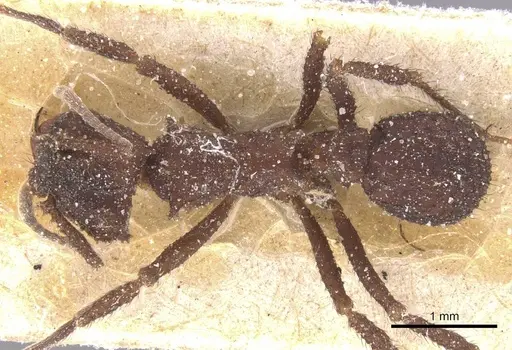
CASENT0919972
View on AntWeb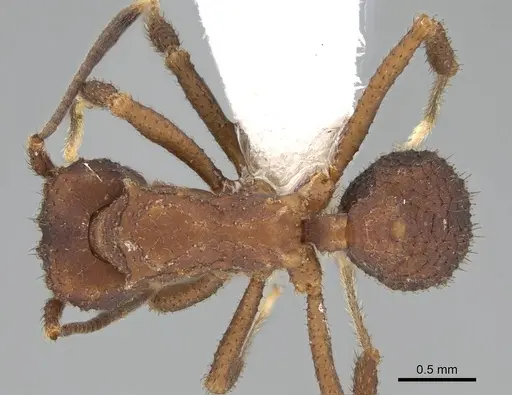
CBUMAGENT41948
View on AntWeb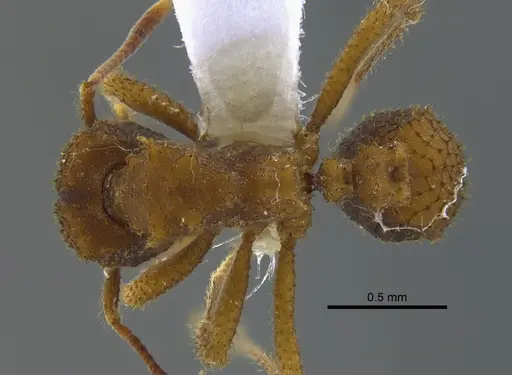
USNMENT00445506
View on AntWeb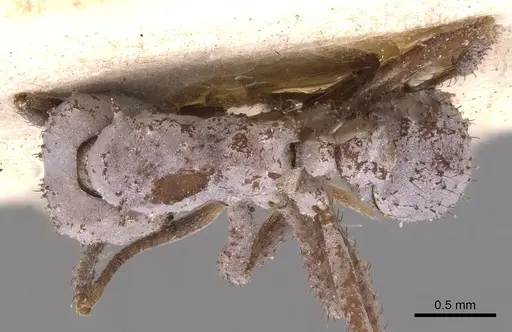
Literature
Loading...Loading products...