

Mycetomoellerius papulatus
- Scientific Name
- Mycetomoellerius papulatus
- Tribe
- Attini
- Subfamily
- Myrmicinae
- Author
- Santschi, 1922
- Distribution
- Found in 1 countries
Mycetomoellerius papulatus Overview
Mycetomoellerius papulatus is an ant species of the genus Mycetomoellerius. It is primarily documented in 1 countries , including Argentina. Detailed taxonomic data and occurrence records can be further explored via authoritative databases such as AntWeb or the Global Biodiversity Information Facility (GBIF).
Mycetomoellerius papulatus
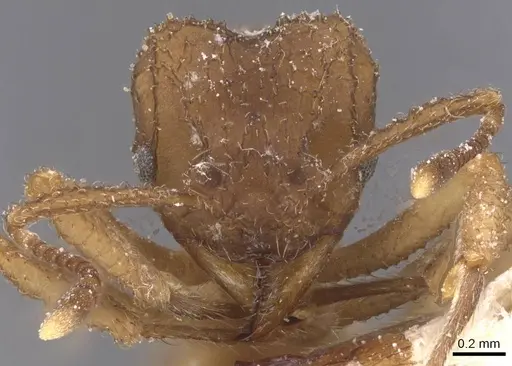
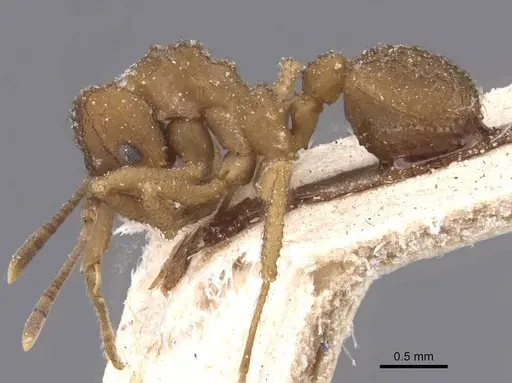
Mycetomoellerius papulatus is a small fungus-growing ant native to southern South America, specifically Argentina. Workers are typical for the genus with well-developed propodeal spines and sparse pilosity. This species is notable for its unusual fungal cultivation, unlike most higher-attine ants that cultivate only higher-attine fungi, M. papulatus can cultivate both lower-attine and higher-attine fungi in different nests [1][2]. This flexibility makes it a fascinating species for antkeepers interested in the ant-fungus mutualism. The species was originally described by Santschi in 1922 and was transferred to the genus Mycetomoellerius in 2019 [3].
Quick Summary
- Difficulty: Medium
- Origin & Habitat: Native to Argentina, specifically Córdoba and Tucumán regions. Found in dry habitats including Cerrado sensu stricto areas [4][5]. This is one of the few fungus-growing ants found in southern South America rather than the tropical Amazon basin.
- Colony Type: Colony structure is unconfirmed. Like other Attini, likely single-queen colonies (monogyne) but this has not been directly studied.
- Colony: Monogyne
- Founding: Claustral
- Size & Growth:
- Queen: Estimated 5-7mm based on genus patterns, no direct measurements found
- Worker: Estimated 3-5mm based on genus patterns, no direct measurements found
- Colony: Estimated 500-2000 workers based on typical Attini colony sizes, no direct data for this species
- Growth: Moderate, inferred from related Trachymyrmex species
- Development: Estimated 6-10 weeks at optimal temperature based on related Trachymyrmex species (Development time is estimated, no direct measurements exist for this species. Temperature-dependent as with most Attini.)
- Antkeeping:
- Temperature: Keep at 24-28°C based on Argentine and southern South American Trachymyrmex patterns. A slight temperature gradient allows workers to regulate fungus conditions.
- Humidity: Moderate humidity around 60-70%. The fungus needs moisture, but dry habitat origins suggest they can tolerate some variation. Keep substrate consistently moist but not waterlogged.
- Diapause: Likely requires a mild winter rest period (diapause) given Argentine distribution. Reduce temperature to 15-18°C for 2-3 months during winter months.
- Nesting: Use a nest with a fungus chamber, acrylic nests or Y-tong work well. They need space for both the ant colony and the fungal garden. Provide a moist substrate chamber where the fungus can grow.
- Behavior: Generally peaceful and non-aggressive. Workers are small and not known to sting. They are escape risks due to their small size, use fine mesh and tight-fitting barriers. Foraging activity focuses on collecting plant material to feed their fungal cultivar rather than direct feeding.
- Common Issues: Fungus death is the primary risk, if the fungal cultivar dies, the colony will starve. Maintain consistent humidity and avoid temperature extremes., Small size makes escape likely without proper barriers, use fine mesh and check for gaps regularly., Overfeeding can cause mold problems in the fungus chamber, remove uneaten plant material promptly., Colony failure during winter is common if diapause conditions aren't provided, simulate seasonal temperature drops.
The Ant-Fungus Relationship
Mycetomoellerius papulatus is one of the most fascinating fungus-growing ants because it can cultivate both lower-attine and higher-attine fungi [1]. Most higher-attine ants exclusively cultivate higher-attine fungi, but this species shows flexibility, some nests grow lower-attine fungi while others grow typical higher-attine fungi [2]. This makes M. papulatus unique among the approximately 30 described Mycetomoellerius species [3]. In captivity, you'll need to provide a suitable substrate for fungus growth. The ants don't eat the fungus directly, they harvest gongylidia (special fungal structures) to feed to the larvae [6]. The adult ants consume plant material and honeydew, which they feed to the fungus. This means your feeding strategy should focus on providing plant matter (not just insects) for the ants to cultivate their garden.
Feeding and Nutrition
Feeding fungus-growing ants is different from typical ant keeping. The ants don't directly eat protein or sugar, they feed plant material to their fungal cultivar, which then produces gongylidia that the ants and larvae consume. Offer small pieces of fresh plant material (leaves, flower petals, grass) regularly. You can also provide very small amounts of fruit or vegetables. Protein (small insects) should be offered occasionally, but plant material is more important for the fungus. Some keepers offer a small amount of honey water or sugar water, but the primary food source is the fungus itself. Remove uneaten plant material within 24-48 hours to prevent mold, which can kill the fungal garden. [6]
Temperature and Seasonal Care
Keep your colony at 24-28°C with a gentle gradient so workers can regulate conditions around the fungus. The species originates from Argentina (Córdoba and Tucumán), which has distinct seasons with mild winters. During winter (roughly November-February in the Southern Hemisphere), reduce temperatures to 15-18°C to simulate their natural seasonal cycle. This winter rest period helps trigger reproductive behavior and maintains colony health. Avoid sudden temperature changes, gradual transitions are safer. If your room temperature stays above 20°C year-round, the colony may not enter proper diapause, which can affect long-term health. [5][4]
Nest Setup and Fungus Chamber
Mycetomoellerius papulatus needs a nest with two main areas: a dry chamber for the ants and a moist chamber for the fungal garden. Acrylic nests with a dedicated fungus chamber work well. The fungus chamber should have moist substrate (soil or other material) that the ants can tend. Keep the fungus chamber humid but not flooded, the substrate should feel damp but not drip water. The ants will expand their fungal garden over time, so provide enough space. A small outworld allows for foraging and waste disposal. Use tight-fitting barriers as these ants are small and can escape through tiny gaps.
Behavior and Colony Dynamics
This is a peaceful species that doesn't show aggressive territorial behavior. Workers are small and primarily focused on fungus maintenance. The colony will grow moderately, expect several hundred workers at maturity over 1-2 years. Unlike leafcutter ants (Atta), M. papulatus doesn't cut large pieces of foliage but collects smaller plant fragments. They are not known to sting and pose no danger to keepers. The most interesting behavior to observe is the ants tending their fungal garden, they carefully cultivate, prune, and protect the fungus, which is a window into the complex ant-fungus mutualism that evolved approximately 50 million years ago. [2]
Frequently Asked Questions
How do I feed Mycetomoellerius papulatus ants?
Feed them small pieces of fresh plant material (leaves, flower petals, grass stems) that they can feed to their fungal garden. The fungus produces gongylidia that the ants and larvae eat. Offer very small insects occasionally, but plant material is essential. Remove uneaten plant material within 24 hours to prevent mold.
What temperature do Mycetomoellerius papulatus ants need?
Keep them at 24-28°C with a slight temperature gradient. During winter, reduce to 15-18°C for 2-3 months to simulate their natural seasonal cycle in Argentina.
How long does it take for first workers to appear?
Estimated 6-10 weeks from egg to first worker at optimal temperature, based on related Trachymyrmex species. No specific data exists for this species.
Can I keep multiple queens together?
Not recommended, combining unrelated queens of this species has not been documented. Like most Attini, they likely form single-queen colonies.
Why is my fungus dying?
Fungus death is usually caused by inconsistent humidity, temperature extremes, or mold from uneaten food. Maintain steady moisture in the fungus chamber, keep temperatures stable, and remove uneaten plant material promptly. If the fungus dies, the colony will starve.
Do Mycetomoellerius papulatus need hibernation?
Yes, they likely need a mild winter rest period given their Argentine distribution. Reduce temperature to 15-18°C for 2-3 months during winter.
Are these ants good for beginners?
Medium difficulty, the fungus-growing requirement adds complexity compared to typical ants. Experience with ant keeping is helpful, but the peaceful nature and small size make them manageable.
How big do colonies get?
Estimated 500-2000 workers at maturity based on typical Trachymyrmex colony sizes. No specific data exists for this species.
When should I move them to a formicarium?
Wait until the colony has 50-100 workers and you see active fungus growth. The fungus chamber is essential, so ensure your formicarium has adequate space for both the colony and the fungal garden.
References

This caresheet is licensed under CC BY-SA 4.0 .
CASENT0912525
View on AntWeb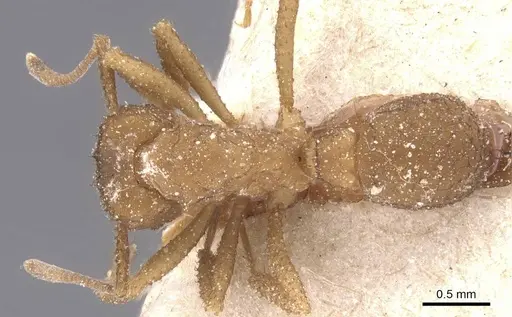
Literature
Loading...Loading products...