

Mycetomoellerius oetkeri
- Scientific Name
- Mycetomoellerius oetkeri
- Tribe
- Attini
- Subfamily
- Myrmicinae
- Author
- Forel, 1908
- Distribution
- Found in 1 countries
Mycetomoellerius oetkeri Overview
Mycetomoellerius oetkeri is an ant species of the genus Mycetomoellerius. It is primarily documented in 1 countries , including Brazil. Detailed taxonomic data and occurrence records can be further explored via authoritative databases such as AntWeb or the Global Biodiversity Information Facility (GBIF).
Mycetomoellerius oetkeri
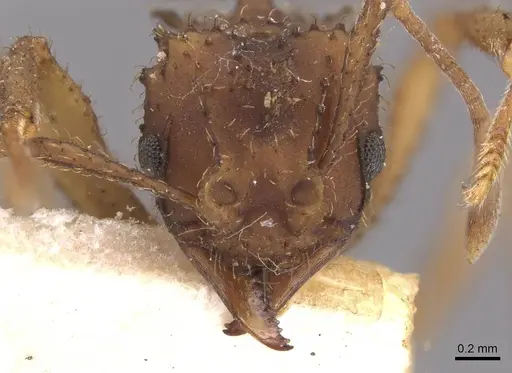
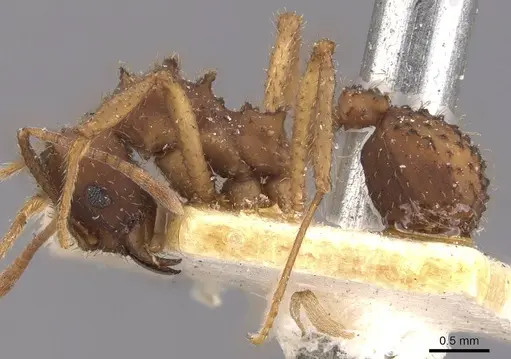
Mycetomoellerius oetkeri is a small fungus-growing ant species native to Brazil, specifically found in the São Paulo region and Atlantic Forest areas. These ants belong to the tribe Attini, meaning they cultivate fungus gardens as their primary food source, they feed pieces of plant material to their fungal crop, which then provides nutrition for the colony. Workers are modest in size with the typical body projections seen in Trachymyrmex species, including pronotal spines and mesonotal projections. The species was originally described by Forel in 1908 and was recently transferred from Trachymyrmex to Mycetomoellerius based on molecular phylogenetics [1]. Notably, this species may represent a species complex according to recent taxonomic revisions [2].
Quick Summary
- Difficulty: Medium
- Origin & Habitat: Native to Brazil, specifically the São Paulo region and Atlantic Forest areas. Found in forest edges and transitional zones between Eucalyptus plantations and secondary Atlantic Forest [3]. This is a tropical/subtropical region with high humidity year-round.
- Colony Type: Colony structure is unconfirmed. Like other Attini ants, they likely establish single-queen colonies, but the exact colony organization has not been documented.
- Colony: Monogyne
- Founding: Claustral
- Size & Growth:
- Queen: Estimated 6-8mm based on related Trachymyrmex species
- Worker: Estimated 3-5mm based on related Trachymyrmex species
- Colony: Estimated up to several hundred workers based on typical Trachymyrmex colony sizes
- Growth: Moderate, fungus-growing ants typically grow more slowly than generalist ants due to the time needed for fungus cultivation
- Development: Estimated 8-12 weeks based on typical Attini development patterns (Development time is estimated from related Trachymyrmex species, direct measurements for this specific species are unavailable)
- Antkeeping:
- Temperature: Keep at 24-28°C, mimicking warm tropical conditions. A gentle gradient allowing workers to choose their preferred temperature is ideal. Avoid temperatures below 20°C.
- Humidity: High humidity is essential, aim for 70-85% relative humidity. The fungus garden requires consistent moisture. Use a well-moistened substrate and maintain humidity through regular misting or water reservoirs.
- Diapause: No diapause required, these are tropical ants that remain active year-round. Maintain consistent temperatures throughout the year.
- Nesting: Use a nesting setup that maintains high humidity. Y-tong (AAC) nests or plaster nests work well. Provide a chamber or area for the fungus garden to be maintained. The outworld should allow for foraging and waste removal.
- Behavior: These ants are generally peaceful and not aggressive toward keepers. Workers are small and slow-moving. They are not known to sting and pose no danger to humans. Escape risk is moderate, standard barrier methods like Fluon on test tube rims or formicarium edges work well. The main behavioral concern is their dependency on fungus cultivation, they may struggle if the fungus is disturbed or dies.
- Common Issues: Fungus garden failure is the primary concern, if the fungal crop dies, the colony will starve. Maintain consistent humidity and avoid disturbing the garden., Overfeeding with inappropriate foods can harm the fungus. Only provide plant material suitable for fungus cultivation., Temperature drops below 20°C can stress colonies and slow or stop fungus growth., Small colony size means slower development, keepers need patience during the founding phase., Wild-caught colonies may carry parasites or diseases that affect captive colonies.
Fungus Farming - The Key to Their Care
Mycetomoellerius oetkeri belongs to the fungus-growing ant tribe Attini, meaning they cannot survive on typical ant foods like sugar water or protein. Instead, they cultivate a fungal garden that serves as their primary food source. The ants collect plant material, typically leaf fragments, flower petals, or other organic matter, and feed it to the fungus. The fungus then digests this material and the ants consume the fungal hyphae and specialized structures called gongylidia. This is a coevolutionary relationship that has developed over millions of years. In captivity, you must provide suitable plant material for the fungus to grow. Fresh leaf fragments work best, though some keepers use other organic materials. The fungus will appear as a white, cottony mass in the nest chamber. If the fungus turns dark or slimy, it is dying and you must remove the affected portion and adjust humidity levels. [1]
Housing and Nest Setup
These ants require a nest setup that can maintain high humidity while also providing space for the fungus garden to grow. Y-tong (AAC) nests work well because they allow you to monitor the fungus and maintain moisture levels. Plaster nests are another good option as they hold moisture consistently. The nest should have a water reservoir or be connected to a hydration system. The outworld can be a simple plastic container where you place fresh plant material for the ants to collect and bring to the fungus garden. Ensure all connections between the nest and outworld are smooth, these small ants can slip through tiny gaps. Use standard escape prevention like Fluon on rim edges. The nest chambers should be appropriately sized for their worker size of roughly 3-5mm.
Feeding and Nutrition
The primary food for Mycetomoellerius oetkeri is their fungal crop, not typical ant foods. You must provide fresh plant material regularly, small leaf fragments, flower petals, or grass clippings work well. The ants will cut these into smaller pieces and transport them to the fungus garden. Do not provide sugar water, honey, or protein-rich insects as primary foods, these can harm the fungus and are not part of their natural diet. Some keepers report that very small amounts of protein may be accepted occasionally, but plant material should make up the vast majority of their diet. Remove uneaten plant material before it rots, as this can introduce mold that threatens the fungus garden. The feeding schedule depends on how quickly the colony consumes the plant material, typically every few days for established colonies.
Temperature and Humidity Management
As a Brazilian species from the Atlantic Forest region, these ants need warm, humid conditions. Keep temperatures in the range of 24-28°C. A heating cable on one side of the nest can create a temperature gradient, allowing workers to regulate their own temperature by moving between warmer and cooler areas. Avoid temperatures below 20°C as this can slow fungus growth and stress the colony. Humidity is critical, aim for 70-85% relative humidity inside the nest. The substrate should feel consistently moist but not waterlogged. Check the water reservoir regularly and refill as needed. Poor humidity causes the fungus to dry out and die, which will starve the colony. Misting the outworld occasionally can help maintain humidity, but avoid directly misting the fungus garden.
Colony Development and Patience
Fungus-growing ants typically develop more slowly than generalist ant species. The founding queen must establish a fungal culture before her first workers can emerge. This process can take several months. Expect the colony to remain small during the first year as the fungus garden establishes itself. Once the colony reaches several dozen workers, growth typically accelerates as more workers can maintain a larger fungus garden. Colonies may take several years to reach several hundred workers. During the founding phase, provide the queen with small pieces of plant material so she can start her fungus garden. Do not disturb the nest during this critical period, stress can cause the queen to abandon or destroy the developing fungus. Patience is essential with this species.
Frequently Asked Questions
Can I keep Mycetomoellerius oetkeri in a test tube?
Test tubes are not ideal for this species because they need space for a fungus garden to develop. Once the colony is established with a few workers, transfer them to a Y-tong nest or plaster formicarium that can accommodate both the ants and their fungal crop.
What do Mycetomoellerius oetkeri eat?
They do not eat typical ant foods. These are fungus-growing ants that cultivate a fungal garden. You must provide fresh plant material like leaf fragments, flower petals, or grass clippings. The ants feed these to their fungus, which then provides nutrition for the colony.
How long until first workers in Mycetomoellerius oetkeri?
Development is slower than typical ants due to fungus cultivation. Expect 8-12 weeks from egg to first worker at optimal temperature, though this is an estimate based on related species. The founding process can take several months as the queen must establish the fungus garden first.
Are Mycetomoellerius oetkeri good for beginners?
This species is rated as Medium difficulty. While not the most challenging ant species, fungus-growing ants require more specialized care than generalist ants. You must understand and maintain the fungus garden, which is the key to their survival. Beginners should research fungus-growing ant care thoroughly before acquiring this species.
Do Mycetomoellerius oetkeri need hibernation?
No, hibernation is not required. These are tropical ants from Brazil that remain active year-round. Maintain consistent warm temperatures (24-28°C) throughout the year. Temperature drops below 20°C can stress the colony and harm the fungus.
Why is my Mycetomoellerius oetkeri colony dying?
The most common cause is fungus garden failure. This can happen if humidity drops too low (causing the fungus to dry out), if the fungus is disturbed or contaminated with mold, or if inappropriate foods are provided. Check that humidity is adequate, remove any moldy material immediately, and ensure you are only providing suitable plant material for the fungus.
When should I move Mycetomoellerius oetkeri to a formicarium?
Move them once the colony has established a visible fungus garden and has 20-30 workers. A test tube setup can work for the founding queen, but the fungus needs space to grow. A Y-tong or plaster nest with a hydration system is ideal for established colonies.
Can I keep multiple queens together?
This has not been documented for this species. Based on typical Attini behavior, single-queen colonies are most likely. Do not attempt to combine unrelated foundress queens, they would likely fight and could destroy each other's fungus gardens.
What temperature do Mycetomoellerius oetkeri need?
Keep them at 24-28°C. A heating cable on one side of the nest creates a gradient that allows workers to regulate their own temperature. Avoid temperatures below 20°C, as this can slow or stop fungus growth and stress the colony.
References

This caresheet is licensed under CC BY-SA 4.0 .
CASENT0909395
View on AntWeb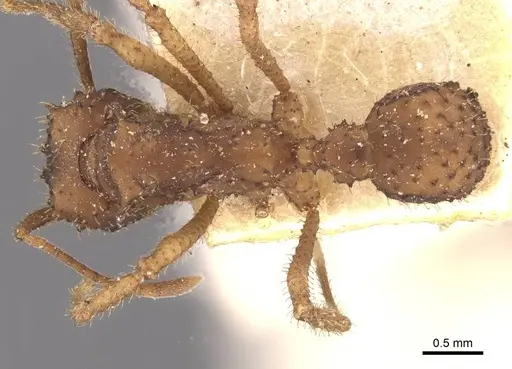
Literature
Loading...Loading products...