

Mycetomoellerius ixyodus
- Scientific Name
- Mycetomoellerius ixyodus
- Tribe
- Attini
- Subfamily
- Myrmicinae
- Author
- Mayhé-Nunes & Brandão, 2007
- Distribution
- Found in 1 countries
Mycetomoellerius ixyodus Overview
Mycetomoellerius ixyodus is an ant species of the genus Mycetomoellerius. It is primarily documented in 1 countries , including French Guiana. Detailed taxonomic data and occurrence records can be further explored via authoritative databases such as AntWeb or the Global Biodiversity Information Facility (GBIF).
Mycetomoellerius ixyodus
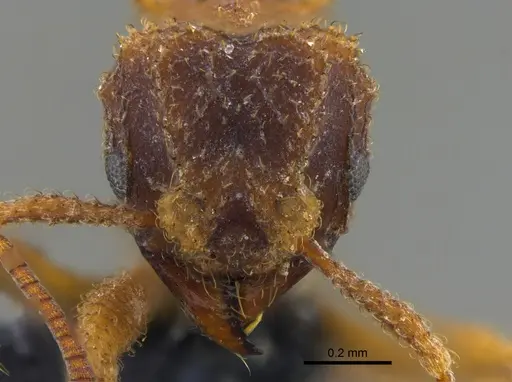
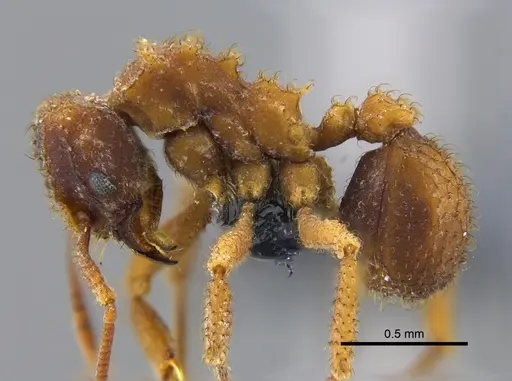
Mycetomoellerius ixyodus is a small fungus-growing ant in the tribe Attini, native to the northern Amazon basin of South America. Workers measure 4.4-5.1mm and have a distinctive appearance with a large triangular tooth on the katepisternum (the side of the middle body section), long pronotal spines, and a light ferruginous (rusty orange-brown) coloration [1]. This species belongs to the Jamaicensis group, characterized by antennal scrobes that reach the posterior margin of the head and give the head an angular profile in frontal view [2]. Found across Brazil, Suriname, French Guiana, and Venezuela, these ants live in leaf-litter habitats in tropical rainforests where they cultivate fungus gardens [3][4].
What makes M. ixyodus special is that it's a fungus farmer, like all Attini ants, it doesn't hunt for protein or collect honeydew. Instead, it maintains a fungal garden that it feeds with leaf fragments and other organic material, then eats the fungus itself. This specialized lifestyle means keeping them successfully requires understanding their unique dietary needs, which differ dramatically from most ant species kept in captivity.
Quick Summary
- Difficulty: Medium
- Origin & Habitat: Tropical rainforests of northern Brazil (Amazonas), Suriname, French Guiana, and southern Venezuela. They live in leaf-litter habitats on the forest floor [3][4].
- Colony Type: Colony structure is unconfirmed. Based on related Trachymyrmex species, likely single-queen (monogyne) colonies. Only worker caste has been described scientifically [1].
- Founding: Claustral
- Size & Growth:
- Queen: Undescribed in scientific literature, estimated 6-8mm based on genus patterns
- Worker: 4.4-5.1mm [1]
- Colony: Likely several hundred workers based on genus patterns
- Growth: Moderate, fungus cultivation adds time to colony development
- Development: Estimated 8-12 weeks based on related Trachymyrmex species at 24-26°C (Fungus-growing ants typically develop more slowly than comparable ants because the colony must establish a fungal garden before workers can be produced in large numbers)
- Antkeeping:
- Temperature: Keep at 24-28°C, these are tropical ants that need warm, stable conditions. A gentle gradient allowing them to move between warmer and cooler areas is ideal.
- Humidity: High humidity (70-85%) is essential. Keep the nest substrate consistently moist but not waterlogged. These leaf-litter ants are adapted to the constantly damp forest floor.
- Diapause: No, as tropical ants from the Amazon basin, they do not require hibernation. Keep them warm year-round.
- Nesting: They nest in leaf-litter and rotting wood on the forest floor. In captivity, they do well in naturalistic setups with moist substrate (soil/peat mix) or acrylic nests with high humidity chambers. They need a foraging area where they can place fresh plant material for their fungus garden.
- Behavior: These ants are relatively docile and not aggressive. Workers are active foragers that search for leaf material and other organic matter to feed their fungal gardens. They are not stingers and pose no danger to keepers. Escape risk is moderate, they are small but not particularly agile escape artists. The key behavior to understand is that they will not accept standard ant foods like sugar water or insects, they need their fungus garden to survive.
- Common Issues: Fungus garden collapse is the primary killer, if the fungal culture dies, the colony starves. This happens if humidity drops, temperature swings too extreme, or the wrong substrate is used, Feeding them standard ant foods (sugar, insects) will not work, they only eat their cultivated fungus. New keepers often make the mistake of offering inappropriate foods, Low humidity causes fungus death and colony failure quickly, these ants need consistently damp conditions, Wild-caught colonies may have damaged or absent fungus gardens and fail to establish in captivity, Slow growth compared to typical ants can lead to keeper impatience and overfeeding, which contaminates the nest and kills the fungus
Understanding Fungus-Growing Ants
Mycetomoellerius ixyodus belongs to the tribe Attini, a group of ants that evolved a unique agricultural lifestyle roughly 50-60 million years ago. Unlike nearly all other ants that hunt prey, collect honeydew, or scavenge, Attini ants cultivate fungus gardens inside their nests. The ants feed the fungus with leaf fragments, flower pieces, and other organic material they forager, then eat the specialized fungal structures the garden produces. This relationship is obligate, the ants cannot survive without their fungus, and the fungus cannot survive without the ants.
For antkeepers, this means M. ixyodus cannot be fed like typical ants. They will not accept sugar water, honey, mealworms, or most other foods that work for species like Camponotus or Lasius. Their entire diet comes from the fungal garden. This is both a challenge and a benefit, once established, their nutritional needs are simple (provide organic material), but getting the colony and fungus garden established requires understanding their specific requirements.
Housing and Nest Setup
These ants do best in naturalistic setups that mimic their leaf-litter habitat. A setup with a moist substrate layer (a mix of soil, peat, and rotting wood fragments) works well. The substrate should be kept consistently damp but never waterlogged, think of the moist forest floor where they naturally live. A layer of leaf litter on top provides foraging material and helps maintain humidity.
Acrylic nests with high humidity chambers can also work, but you must provide a constant source of organic material for the fungus garden. The key is that the fungus needs to be maintained in a dark, humid chamber while the ants need access to a foraging area where you can add fresh plant material. Test tubes are not suitable for established colonies, they need more space and the ability to cultivate fungus.
Escape prevention is important but not as critical as with tiny species. Workers are 4-5mm, so standard formicarium barriers and tight-fitting lids are sufficient.
Feeding and Fungus Garden Care
The most critical aspect of keeping M. ixyodus is maintaining a healthy fungus garden. This requires providing a steady supply of organic material, primarily leaf fragments, though they may also accept flower petals, small pieces of fruit, or other plant matter. Fresh material should be added regularly to the foraging area, and the ants will transport it to their fungus chamber.
What NOT to feed them is equally important: do not offer sugar water, honey, protein sources like insects, or any processed foods. These will not be eaten and will only contaminate the nest. Some keepers report their colonies accepting tiny amounts of protein experimentally, but this is not their natural diet and should not be relied upon.
The fungus garden itself appears as a white, cottony mass in the nest chamber. It should be kept dark and humid. If the fungus turns dark, smells bad, or stops growing, this indicates problems with humidity or substrate quality that need immediate attention.
Temperature and Humidity Requirements
As tropical ants from the Amazon basin, M. ixyodus requires warm and humid conditions year-round. Keep temperatures in the range of 24-28°C, with a slight gradient if possible so the ants can choose their preferred spot. Temperatures below 22°C for extended periods can slow colony growth, while temperatures above 30°C may stress the fungus garden.
Humidity is perhaps even more critical. The nest substrate should feel consistently moist to the touch. Many keepers achieve this by using a water reservoir connected to the nest or by misting regularly. However, avoid creating standing water, the goal is damp substrate, not wet. A humidity level of 75-85% in the nest area is ideal.
Because they come from a tropical environment with no winter, these ants do not require hibernation or cooling periods. Keep them warm throughout the year to maintain continuous growth.
Colony Establishment and Growth
Establishing a new colony of M. ixyodus can be challenging, particularly because the founding queen must simultaneously raise her first workers and establish a viable fungus garden. The queen is likely claustral, she seals herself in a chamber and uses stored energy to survive until her first workers emerge. During this time, she must also cultivate the initial fungal culture.
Growth is slower than typical ants because resources go into building both the worker population and the fungus garden. A well-established colony may eventually reach several hundred workers over several years. Patience is essential, these are not fast-growing ants, and rushing the process by providing inappropriate foods will only cause problems.
If obtaining a wild-caught colony, look for one that still has an active, healthy-looking white fungus mass. Colonies that have lost their fungus garden rarely recover in captivity.
Frequently Asked Questions
What do Mycetomoellerius ixyodus ants eat?
They only eat the fungus they cultivate. You must provide organic material like leaf fragments, flower petals, or small pieces of fruit for them to feed their fungus garden. They will NOT eat sugar water, honey, insects, or standard ant foods. This is the most important thing to understand about keeping this species.
Can I keep Mycetomoellerius ixyodus in a test tube?
No, test tubes are not suitable for established colonies. They need space to cultivate a fungus garden and a foraging area for fresh plant material. Use a naturalistic setup with moist substrate or an acrylic nest with humidity chambers.
How long does it take for first workers to appear?
Estimated 8-12 weeks from egg to first worker at optimal temperature (24-28°C), based on related Trachymyrmex species. However, fungus-growing ants typically develop more slowly than typical ants because the colony must establish a fungal garden first.
Are fungus-growing ants good for beginners?
They are considered medium difficulty. The specialized fungal diet is a significant learning curve, and they require consistent humidity and temperature. If you are new to antkeeping, you may want to start with a more forgiving species. However, if you are specifically interested in fungus-growing ants and understand their unique requirements, they can be kept successfully.
Do Mycetomoellerius ixyodus need hibernation?
No, they are tropical ants from the Amazon basin and do not require hibernation. Keep them warm year-round at 24-28°C for continuous colony growth.
Why is my colony dying?
The most likely cause is fungus garden collapse. This can happen from low humidity, temperature extremes, contaminated substrate, or inappropriate foods. Check that the nest is consistently damp, temperatures are stable (24-28°C), and you are only providing organic plant material, not sugar or insects.
How big do colonies get?
Based on related Trachymyrmex species, colonies likely reach several hundred workers over several years. They are not among the largest attine ants, but can still become substantial colonies with well-established fungus gardens.
When should I move them to a formicarium?
Move them when the test tube or founding setup becomes too crowded or the fungus garden needs more space. For a founding colony, wait until you have at least 20-30 workers and the fungus garden is clearly established and growing.
Can I keep multiple queens together?
Colony structure is not well-documented for this species. Based on related Trachymyrmex species, they likely form single-queen colonies. Combining unrelated queens is not recommended as it has not been studied and could result in aggression.
References

This caresheet is licensed under CC BY-SA 4.0 .
ANTWEB1047931
View on AntWeb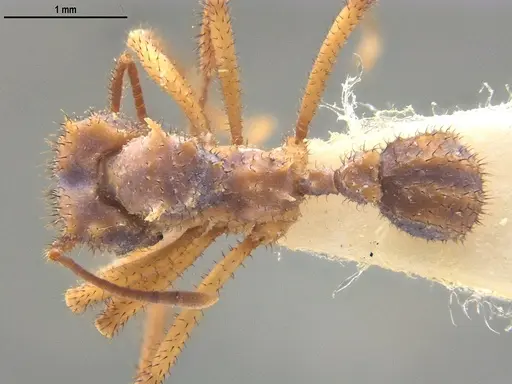
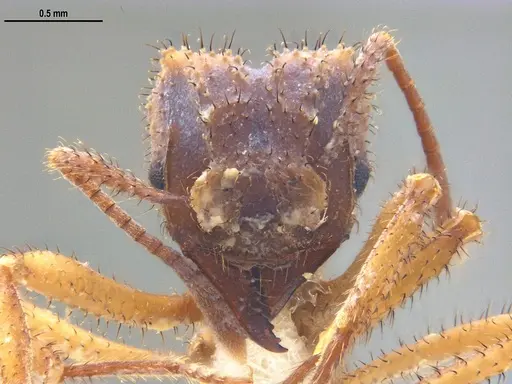
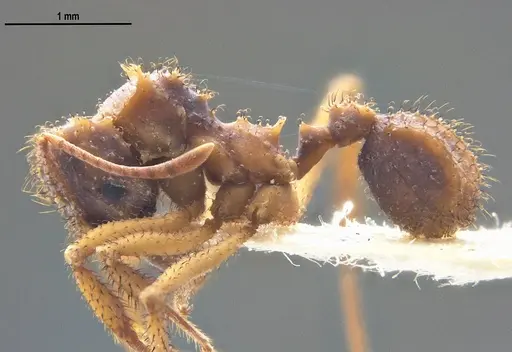
CBUMAGENT41976
View on AntWeb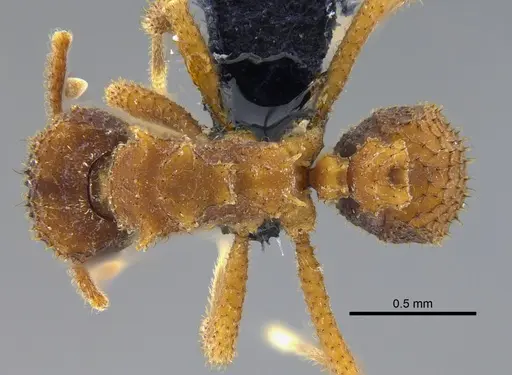
Literature
Loading...Loading products...