

Mycetomoellerius isthmicus
- Scientific Name
- Mycetomoellerius isthmicus
- Tribe
- Attini
- Subfamily
- Myrmicinae
- Author
- Santschi, 1931
- Distribution
- Found in 5 countries
Mycetomoellerius isthmicus Overview
Mycetomoellerius isthmicus is an ant species of the genus Mycetomoellerius. It is primarily documented in 5 countries , including Colombia, Costa Rica, Ecuador. Detailed taxonomic data and occurrence records can be further explored via authoritative databases such as AntWeb or the Global Biodiversity Information Facility (GBIF).
Mycetomoellerius isthmicus
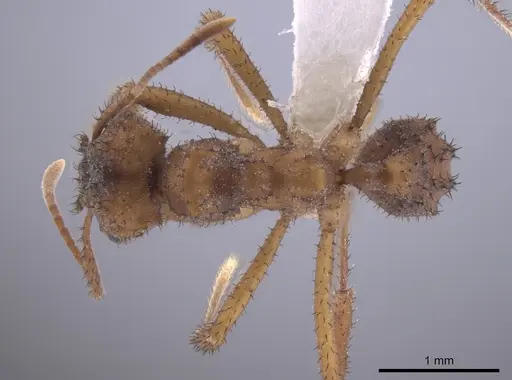
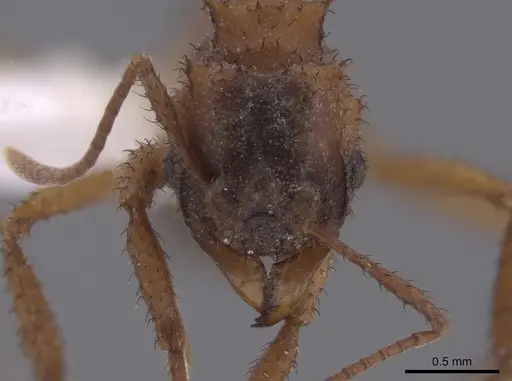
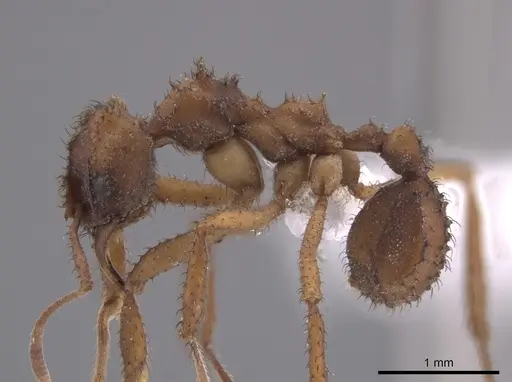
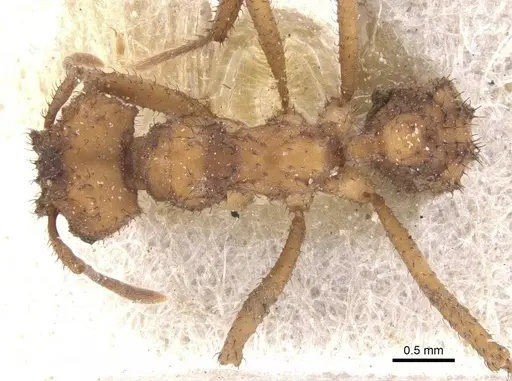
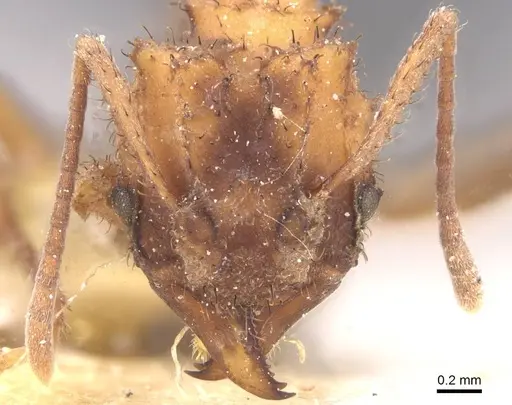
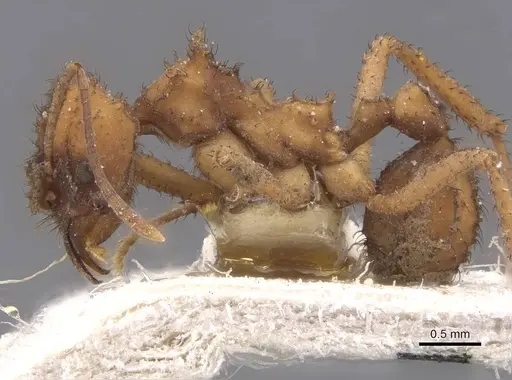
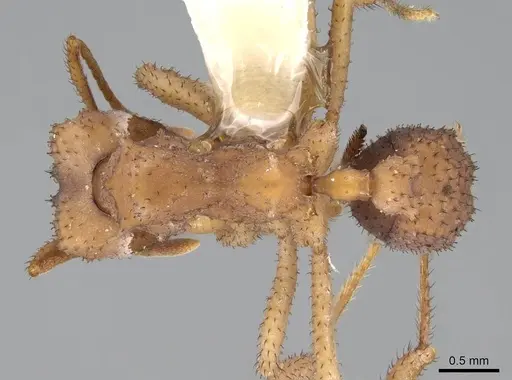
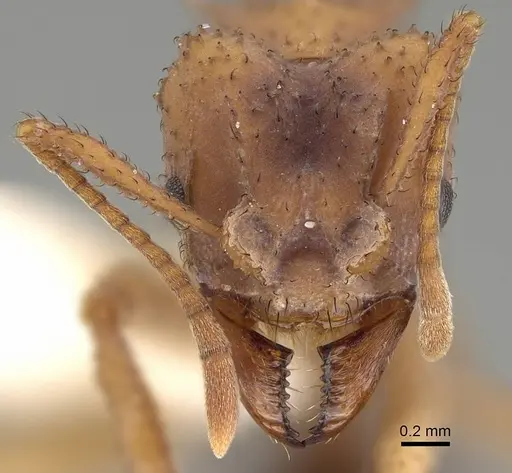
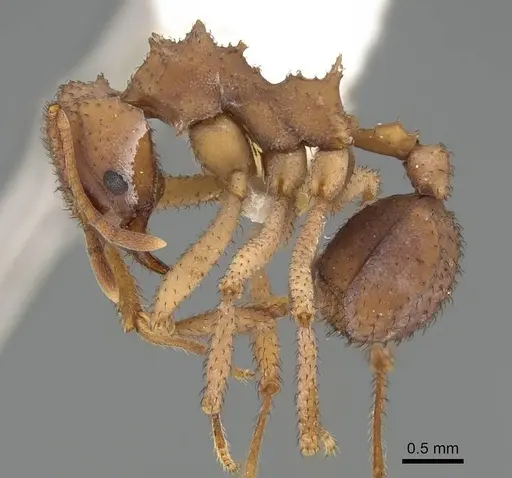
Mycetomoellerius isthmicus is a small fungus-growing ant from the Attini tribe, found throughout Central America and into northern South America. Workers measure 4-4.6mm and are reddish-brown to yellowish-brown in color, with distinctive spines on the mesosoma and uniquely rounded pronotal corners that distinguish them from other species in the Jamaicensis group [1]. Like all Attini ants, they cultivate a specialized fungus for food, this is perhaps their most fascinating trait, as the colony tends a fungal garden that serves as the primary food source for both larvae and adult workers [2]. Queens are slightly larger at 5.3mm and maintain the fungal cultivar by carrying it in their infrabuccal pocket when founding a new colony [2].
Quick Summary
- Difficulty: Medium
- Origin & Habitat: Native to Central America (Costa Rica, Honduras, Nicaragua, Panama) and northern South America (Colombia, Ecuador). Found in tropical rainforest environments at low to mid elevations [3][4]. In the wild, they nest in soil with characteristic crater-like or turreted nest entrances [1].
- Colony Type: Single-queen colonies (monogyne). Queens mate with only one male (monandrous), which creates high relatedness among workers (0.78) and strengthens colony cohesion [5][6].
- Colony: Monogyne
- Founding: Claustral
- Size & Growth:
- Queen: 5.3mm [1]
- Worker: 4.0-4.6mm [1]
- Colony: Unknown for this specific species, but related Trachymyrmex species typically reach several hundred workers
- Growth: Moderate, inferred from related species
- Development: Unknown, no direct data available. Based on typical Attini patterns, expect 6-10 weeks at optimal temperature (Development time likely similar to other Trachymyrmex species in the region)
- Antkeeping:
- Temperature: Keep at 24-28°C. This is a tropical species requiring warm, stable conditions. A heating cable on one side of the nest creates a suitable gradient [3].
- Humidity: High humidity is critical. This species has very low desiccation resistance, only 0.7 hours survival in dry conditions, the lowest recorded among understory ants in Panama [7]. Keep the nest substrate consistently moist but not waterlogged. Mist regularly and ensure the outworld has water available.
- Diapause: No diapause required. As a tropical species, they do not need hibernation. Maintain stable warm conditions year-round [8].
- Nesting: Use a moist substrate setup like a Y-tong or plaster nest. The key requirement is maintaining high humidity while allowing for some ventilation. Naturalistic setups with soil work well, as they naturally build crater-like nest entrances [1]. Provide a deep water reservoir in test tube setups to maintain humidity.
- Behavior: Generally peaceful and non-aggressive. As fungus farmers, they are focused on tending their fungal garden rather than defending territory. Workers are active foragers that venture out to collect leaf fragments, insect feces, and other organic material to feed their fungus. They are not known to sting and pose no danger to keepers. Their small size (under 5mm) means escape prevention should be considered, though they are not particularly strong climbers. The most notable behavior is their ability to relocate the entire fungus garden during colony migration, workers have been observed carrying pieces of the fungal garden, mycelium-covered larvae, and insect feces to new nest sites when conditions become unfavorable [1].
- Common Issues: low humidity kills colonies quickly, this species has extremely poor desiccation resistance and cannot survive dry conditions [7], fungus garden health is critical, if the fungal cultivar dies, the colony will starve. Never let the fungus dry out, overheating can be fatal, despite needing warmth, excessive heat will kill both ants and fungus, colonies are slow to establish, founding queens may take longer to produce first workers compared to non-fungus-growing species, obtaining the fungal cultivar can be challenging, new colonies need a starting piece of fungus from an established colony
Fungal Cultivar Care
This is the most critical aspect of keeping Mycetomoellerius isthmicus. Unlike most ants that hunt and gather food, fungus-growing ants depend entirely on a cultivated fungal garden for nutrition. Both larvae and adult workers eat the fungus, it's not just for the brood [2]. When a new queen founds a colony, she carries a small piece of the parental fungal cultivar in a special pocket in her mouth (infrabuccal pocket) and uses it to start a new garden [2]. In captivity, you must maintain this fungal culture. The fungus needs constant moisture and organic material to grow. Offer small pieces of leaf litter, grass, or other plant material (cut into tiny pieces) for the workers to add to the garden. The fungus will grow as white, thread-like mycelium. If the fungus turns dark or stops growing, the colony is in trouble, check humidity levels immediately.
Feeding and Nutrition
Mycetomoellerius isthmicus are obligate fungus farmers, they do not eat insects or sugar directly. The fungal cultivar is their sole food source, though workers may also consume insect feces and other organic matter to nourish the fungus [1]. In captivity, you should provide tiny pieces of leaf litter, dead grass, or other plant material (about 1-2mm pieces) that workers will add to their fungal garden. The fungus processes this material and the ants consume the resulting growth. Do not offer protein foods like insects or honey water, this species cannot digest them. Fresh plant material should be added every few days, but only as much as the fungus can consume to prevent mold issues. The key is providing a steady supply of organic material while maintaining the humidity the fungus needs.
Temperature and Humidity Management
These ants require warm, humid conditions to thrive. Keep temperatures in the 24-28°C range, this matches their tropical natural habitat in Central America [3]. More importantly, humidity must be kept high. This species has extremely low desiccation resistance, with an LT50 of only 0.7 hours in dry conditions, the lowest recorded among understory ants in Panama [7]. This means dry air kills them very quickly. Use test tube setups with large water reservoirs, or plaster/Y-tong nests that retain moisture well. Mist the outworld regularly and consider keeping the entire setup in a humid room or enclosed container. However, avoid stagnant air that promotes mold, some ventilation is necessary. The key is finding balance: humid but not stagnant.
Colony Founding
Founding queens are claustral, they seal themselves in a chamber and raise their first workers while tending the fungal garden. The queen carries the fungal cultivar from her parent colony and uses it to start a new garden [2]. This founding process takes several months, and the queen relies entirely on her stored fat reserves plus the growing fungus to feed herself and the first brood. During founding, the queen needs complete darkness and minimal disturbance. Once the first workers (nanitics) emerge, they take over fungus maintenance and foraging for plant material. Colony growth is relatively slow compared to predatory ants because the fungus must grow before the colony can expand. Be patient, founding colonies can take 3-6 months to produce their first workers.
Nest Setup and Migration Behavior
In the wild, these ants build nests in soil with distinctive crater-like or turreted entrances [1]. They are known to relocate their entire colony, including the fungus garden, larvae covered in mycelium, and all brood, when their nest becomes unsuitable. One documented migration involved a colony moving 37cm over three days after heavy rains waterlogged their original nest site [1]. In captivity, provide a nest setup with moist substrate that allows for fungus cultivation. Y-tong nests or plaster nests work well. Ensure the nest chamber is appropriately sized, these are small ants, so avoid overly large spaces. The nest should have a water reservoir to maintain humidity over time. If conditions become too dry or otherwise unsuitable, the colony may attempt to migrate, so monitor humidity closely.
Frequently Asked Questions
What do Mycetomoellerius isthmicus eat?
They do not eat insects or sugar like typical ants. As fungus growers, they cultivate a fungal garden and feed exclusively on the fungus. Offer tiny pieces of leaf litter, grass, or plant material (1-2mm pieces) that workers add to their garden. The fungus processes this material and the ants consume the resulting growth.
How do I start a colony with the fungal cultivar?
You need a starting piece of fungus from an established colony. When a new queen founds a colony, she carries fungus in a special pocket in her mouth (infrabuccal pocket) from her parent nest [2]. If purchasing a colony, ensure it comes with an active fungal garden. Never try to start a colony without the fungus, the queen and brood will starve.
How long does it take for first workers to appear?
Development time is not specifically documented for this species, but based on related Trachymyrmex patterns, expect 6-10 months from founding to first workers. The queen must first establish the fungal garden before she can raise brood. Patience is essential with fungus-growing ants.
Do Mycetomoellerius isthmicus need hibernation?
No. As a tropical species from Central America, they do not require diapause or hibernation. Keep them at warm, stable temperatures (24-28°C) year-round.
What humidity level do they need?
Very high humidity is critical. This species has extremely low desiccation resistance and can die within an hour in dry air [7]. Keep the nest substrate consistently moist but not waterlogged. Use test tubes with large water reservoirs or plaster nests that retain moisture. Mist regularly.
Can I keep multiple queens together?
No. This species is monogyne, colonies have a single queen. Multiple unrelated queens would fight. Only keep one queen per colony.
Why is my fungus turning dark?
A dark or discolored fungus usually indicates it is dying, often from too little moisture or mold contamination. Check humidity levels immediately and ensure the nest is not drying out. Remove any moldy material and provide fresh plant matter. If the fungus dies, the colony will starve.
What temperature should I keep them at?
Keep them at 24-28°C. This is a tropical species requiring warm conditions. A heating cable on one side of the nest can create a suitable gradient. Avoid temperatures below 22°C or above 30°C.
How big do colonies get?
Colony size is not specifically documented for M. isthmicus, but related Trachymyrmex species typically reach several hundred workers. Growth is relatively slow due to the time needed for the fungal garden to expand.
References

This caresheet is licensed under CC BY-SA 4.0 .
Literature
Loading...Loading products...