

Mycetomoellerius iheringi
- Scientific Name
- Mycetomoellerius iheringi
- Tribe
- Attini
- Subfamily
- Myrmicinae
- Author
- Emery, 1888
- Distribution
- Found in 1 countries
Mycetomoellerius iheringi Overview
Mycetomoellerius iheringi is an ant species of the genus Mycetomoellerius. It is primarily documented in 1 countries , including Brazil. Detailed taxonomic data and occurrence records can be further explored via authoritative databases such as AntWeb or the Global Biodiversity Information Facility (GBIF).
Mycetomoellerius iheringi
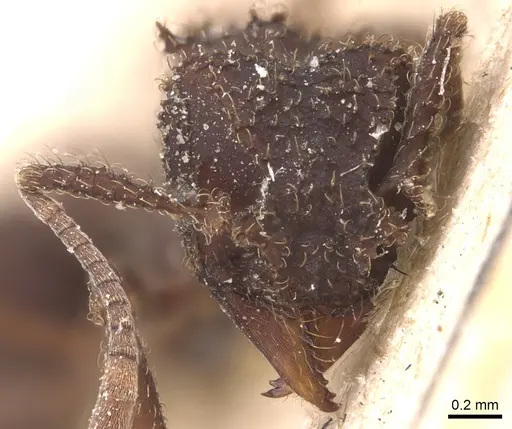
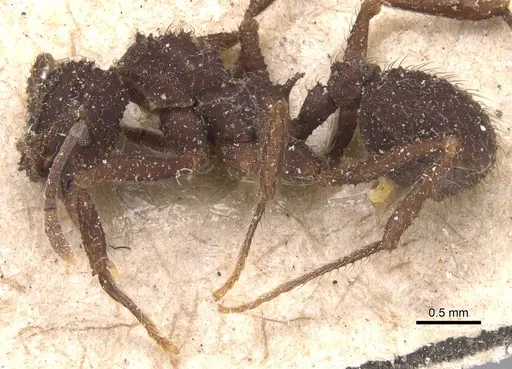
Mycetomoellerius iheringi is a small fungus-farming ant native to southern South America, specifically Brazil and Argentina. Workers measure 3.5-4.2mm and are uniformly dark reddish brown to dark brown with a finely striated mandible surface that serves as the species' key identifying feature [1]. These ants belong to the tribe Attini and cultivate lower-attine fungi for food, they are among the 'higher agriculture' ants that grow specialized fungal gardens [2]. In the wild, they build subterranean nests in sandy soil with a small entrance hole, often found in coastal restinga (sand dune) habitats in southern Brazil [1][3].
Quick Summary
- Difficulty: Medium
- Origin & Habitat: Native to southern Brazil and Argentina, found in coastal sand dune habitats (restinga), forest fragments, and eucalyptus plantations at low elevations [1][3][4].
- Colony Type: Colony structure is unconfirmed, likely single-queen based on typical Attini patterns. No documented ergatoid (wingless replacement) queens in this species.
- Size & Growth:
- Queen: Estimated 5-6mm based on genus patterns
- Worker: 3.5-4.2mm [5]
- Colony: Unknown, likely several hundred workers based on related Trachymyrmex species
- Growth: Moderate, fungus farming ants typically grow slower than generalist ants
- Development: Estimated 8-12 weeks based on related Trachymyrmex species at 24-26°C (Development is temperature-dependent, fungus cultivation adds time compared to non-fungus-growing ants)
- Antkeeping:
- Temperature: Keep at 24-28°C, these are Neotropical ants requiring warm conditions. A gentle heat gradient allows colony regulation.
- Humidity: Moderate to high, maintain slightly moist substrate. Fungus-farming ants need damp conditions for their fungal gardens to thrive.
- Diapause: Unconfirmed, southern Brazilian populations may experience mild seasonal slowdowns but true hibernation is unlikely given their tropical/subtropical range
- Nesting: Use a naturalistic setup with sandy substrate or a Y-tong/plaster nest with moisture chambers. They prefer underground nest structures with a small entrance [1]. Provide deep substrate for fungus chamber placement.
- Behavior: Temperament is generally docile, these are not aggressive ants. Workers are small (3.5-4.2mm) and slow-moving. They are not known to sting. Escape risk is moderate due to their small size, standard barrier methods work well. As fungus farmers, they spend significant time tending their fungal garden rather than foraging aggressively.
- Common Issues: Fungal garden failure, the colony depends on healthy fungus, improper humidity or contamination can kill it, Slow growth compared to generalist ants, keepers may overfeed trying to speed development, Temperature drops below 22°C can slow or stop fungus growth, impacting colony health, Small size means they can escape through standard test tube setups if not properly sealed
Fungus-Farming Basics
Mycetomoellerius iheringi belongs to the Attini tribe, the fungus-farming ants. This means the colony does not eat food directly but cultivates a fungal garden that they feed and harvest. The queen carries a fungal inoculum during nuptial flights and starts the garden during founding. Workers forage for plant material (dead leaves, grass, flower petals) to feed their fungus [1][6]. In captivity, you must provide suitable substrate for the fungus to grow on, typically small pieces of leaf litter or other plant material. The fungus appears as white, thread-like growth in the nest chamber.
Nest Setup and Housing
In the wild, M. iheringi builds subterranean nests in sandy soil with a small entrance hole, this matches observations in Brazilian restinga habitats where they create underground nests with slim openings [1][3]. For captivity, a naturalistic setup with sandy substrate works well, or a Y-tong/plaster nest with moisture-retaining chambers. The key requirement is providing space for a fungal garden chamber that stays consistently moist. Test tubes can work for founding colonies but will need to upgrade to larger setups as the fungus garden expands. Ensure the nest has deep enough chambers to accommodate the fungal mass that develops over time.
Feeding and Nutrition
As fungus-farming ants, M. iheringi does not eat typical ant foods directly, they feed their fungal garden. Provide small pieces of dead leaves, grass clippings, flower petals, or other plant material. The fungus processes this material and the ants then harvest the fungal hyphae for nutrition. Do not offer sugar water, honey, or protein-rich insects as primary food, these can harm the fungal garden. A very small amount of diluted sugar water might be accepted occasionally but is not necessary. The plant material should be changed regularly to prevent mold, but allow some fungal growth to establish before complete removal. [1]
Temperature and Seasonal Care
These are Neotropical ants from southern Brazil and Argentina, requiring warm conditions year-round. Keep the nest at 24-28°C for optimal fungus growth and colony development. Temperatures below 22°C can slow fungal growth significantly, which impacts the entire colony since they depend on the fungus for food. A heating cable on one side of the nest creates a temperature gradient. Unlike temperate ants, they do not require hibernation. However, slight seasonal variations in activity are possible given their range extends into subtropical areas where winter temperatures can drop. [1]
Growth and Development
Fungus-farming ants typically grow more slowly than generalist ant species. The development timeline from egg to first worker is estimated at 8-12 weeks at optimal temperature (24-26°C), based on patterns from related Trachymyrmex species. The first workers (nanitics) will be smaller and may take time to establish the fungal garden properly. Colony growth is gradual, expect several months before seeing significant worker numbers. The fungus must be established and thriving before rapid colony growth occurs. Patience is essential with fungus-farming species.
Behavior and Colony Dynamics
M. iheringi is a docile species with no significant sting or bite threat to keepers. Workers are small (3.5-4.2mm) and relatively slow-moving compared to many Myrmicinae. They are not aggressive defenders and typically retreat when disturbed. The colony centers around the fungal garden, workers spend considerable time tending the fungus rather than patrolling or foraging aggressively. This makes them a peaceful, low-maintenance species once established, though the fungus-farming requirement adds complexity compared to keeping generalist ants. [1]
Frequently Asked Questions
Can I keep Mycetomoellerius iheringi in a test tube?
Test tubes can work for founding colonies but are not ideal long-term because the fungus garden needs space to expand. Most keepers upgrade to a naturalistic or Y-tong setup once the colony reaches 20-30 workers.
What do Mycetomoellerius iheringi eat?
They do not eat conventional ant foods. Provide small plant material (dead leaves, grass, flower petals) for the fungal garden to grow on. The ants harvest the fungal hyphae for nutrition.
How long until first workers in Mycetomoellerius iheringi?
Estimated 8-12 weeks at optimal temperature (24-26°C), based on related Trachymyrmex species. Fungus-farming adds time compared to non-fungus-growing ants.
Are Mycetomoellerius iheringi good for beginners?
They are intermediate difficulty. The fungus-farming requirement adds complexity that beginners may find challenging. They need consistent warmth, humidity, and proper plant material for the fungal garden.
What temperature do Mycetomoellerius iheringi need?
Keep at 24-28°C. This Neotropical species requires warm conditions year-round for the fungus to thrive.
Do Mycetomoellerius iheringi need hibernation?
No, they do not require hibernation. Their native range in southern Brazil and Argentina does not experience true winters.
How big do Mycetomoellerius iheringi colonies get?
Colony size is not well-documented, but based on related Trachymyrmex species, expect several hundred workers at maturity.
Why is my Mycetomoellerius iheringi colony dying?
The most common causes are: fungus garden failure (from improper humidity or mold), temperatures below 22°C, or lack of suitable plant material for the fungus. Check that the substrate is consistently moist but not waterlogged, and that you are providing appropriate plant material.
References

This caresheet is licensed under CC BY-SA 4.0 .
CASENT0904991
View on AntWeb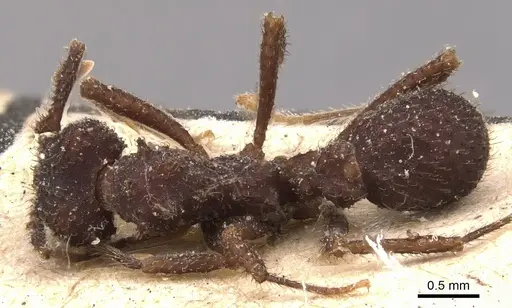
Literature
Loading...Loading products...