

Mycetomoellerius dichrous
- Scientific Name
- Mycetomoellerius dichrous
- Tribe
- Attini
- Subfamily
- Myrmicinae
- Author
- Kempf, 1967
- Distribution
- Found in 1 countries
Mycetomoellerius dichrous Overview
Mycetomoellerius dichrous is an ant species of the genus Mycetomoellerius. It is primarily documented in 1 countries , including Brazil. Detailed taxonomic data and occurrence records can be further explored via authoritative databases such as AntWeb or the Global Biodiversity Information Facility (GBIF).
Mycetomoellerius dichrous
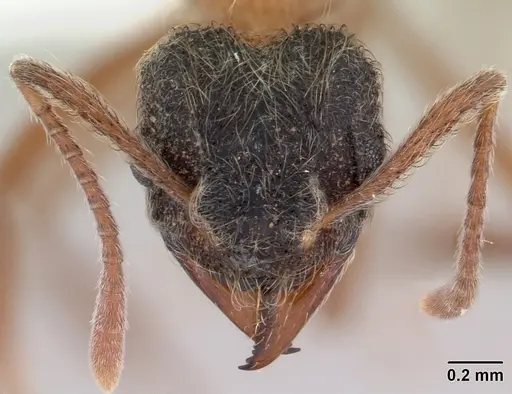
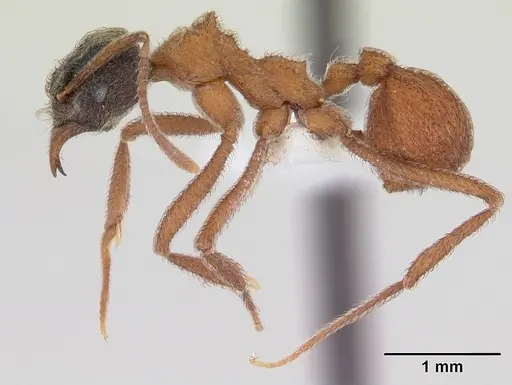
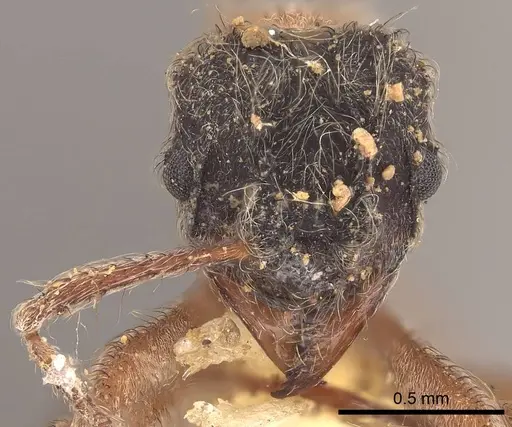
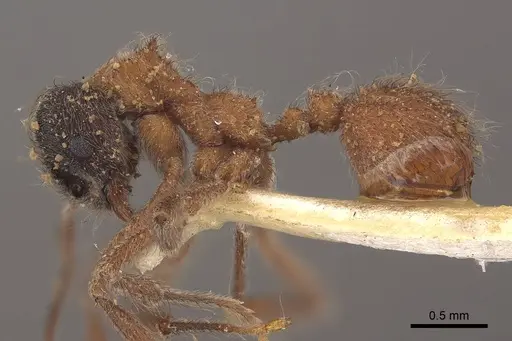
Mycetomoellerius dichrous is a small fungus-growing ant native to the Brazilian Cerrado and surrounding savanna regions of South America. Workers measure 4.5-5.1mm and display a striking bicolored appearance with a deep brown head and medium brown to ferruginous body and appendages [1]. This species belongs to the Attini tribe, a group of ants that cultivate fungus gardens for food, making them one of the more unusual ants you can keep. They nest deep in the soil, with one excavated nest showing a vertical tunnel extending nearly one meter underground to the fungus chamber [1]. Found in Argentina, Brazil, and Paraguay, these ants are typical inhabitants of the vast savannas of Central Brazil [2].
Quick Summary
- Difficulty: Medium
- Origin & Habitat: Brazilian Cerrado and surrounding savanna regions in Argentina, Brazil, and Paraguay. They inhabit tropical savanna (cerrado) environments, often in areas with specific moisture and shading conditions [3]. Nests are found in soil, with a vertical tunnel going nearly one meter deep to the fungus garden chamber [1].
- Colony Type: Colony structure is not fully confirmed. One excavated nest contained 2 dealate queens along with 384 workers, suggesting possible multi-queen colonies, though this may represent temporary pleometrosis or a polygynous system [1]. Further research is needed to confirm typical colony structure.
- Size & Growth:
- Queen: Not fully documented, only dealate queens have been recorded in excavated nests [1]
- Worker: 4.5-5.1mm [1]
- Colony: At least 384 workers in one excavated colony, likely larger established colonies exist [1]
- Growth: Moderate, based on typical Attini development patterns
- Development: Estimated 6-10 weeks based on typical Attini development patterns at optimal temperature (Development time is inferred from related fungus-growing ants. Actual timing may vary based on temperature and fungal conditions.)
- Antkeeping:
- Temperature: Keep around 24-28°C. This species comes from the warm Brazilian Cerrado, so they need tropical temperatures. A heating cable on one side of the nest creates a suitable gradient [2].
- Humidity: High humidity is essential, these ants need moist conditions to maintain their fungus garden. Keep the nest substrate consistently damp but not waterlogged. The fungus garden requires humidity to survive.
- Diapause: Unknown for this species. The Brazilian Cerrado has mild winters, so they may not require a true diapause. Consider a slight temperature reduction (to around 20-22°C) during winter months rather than full hibernation.
- Nesting: They need deep nesting space for their fungus garden chamber. A naturalistic setup with soil or a plaster/acrylic nest with a large chamber works well. The nest should have room for the fungus garden and allow for proper humidity control. Test tubes alone are insufficient, they need a proper formicarium with space for fungal cultivation.
- Behavior: These ants are peaceful and not aggressive. As fungus growers, they are not territorial toward humans and pose no sting threat to keepers. Workers are moderately active, maintaining their fungus garden. Escape risk is moderate, at 4-5mm, they are not tiny but can still squeeze through small gaps, so standard escape prevention measures apply.
- Common Issues: Fungus garden failure is the primary risk, if the fungus dies, the colony will starve. Maintaining proper humidity and avoiding contamination is critical., Temperature fluctuations can stress these tropical ants and harm the fungus garden., Improper substrate or dry conditions will cause the fungus to die and colony collapse., These ants are sensitive to disturbance, moving the fungus garden improperly can kill it., Limited availability in the antkeeping hobby makes establishing a colony challenging.
Fungus Growing Basics
Mycetomoellerius dichrous belongs to the Attini tribe, the fungus-growing ants. Unlike most ants that eat protein and sugar, these ants cultivate a fungus garden as their primary food source. The queen carries a fungal inoculum when she founds the colony, and workers continuously tend the fungus, feeding it plant material and eating the fungal strands themselves. This makes them fundamentally different from typical ant keeping. You cannot keep them like regular ants, the fungus garden IS their food source. In captivity, you must provide suitable fungal substrate (typically leaf material, flower petals, or other organic matter the fungus can grow on). The fungus is sensitive to contamination, temperature shifts, and drying out.
Nest Setup and Housing
These ants need more specialized housing than typical ants. They require a nest with a dedicated chamber for the fungus garden that can maintain high humidity. A naturalistic setup with a deep soil chamber works well, use a mixture of soil and organic material that holds moisture. Acrylic or plaster nests with a large central chamber can work if you maintain proper humidity through a water reservoir. The key is providing enough vertical space for the deep nest they naturally form (nearly 1 meter in the wild) and ensuring the fungus garden area stays consistently moist. Avoid frequent disturbances to the nest as this can damage the fungus. [1]
Feeding and Nutrition
Instead of feeding the ants directly, you provide material for the fungus garden. Offer small pieces of leaves, flower petals, grass clippings, or other plant material. The ants will process this and add it to their fungus. Remove any uneaten plant material before it molds, as mold can kill the fungus garden. Some keepers also offer very small amounts of sugar water occasionally, but the primary nutrition comes from the fungus. Do not overfeed plant material, excess leads to mold problems. The amount to feed depends on colony size and how quickly they process the material.
Temperature and Seasonal Care
Keep these ants warm, aim for 24-28°C consistently. They come from the Brazilian Cerrado, a tropical savanna that stays warm year-round. Use a heating cable on one side of the nest to create a temperature gradient, placing it on top of the nest material to avoid drying it out. During winter, you may reduce temperature slightly (around 20-22°C) but avoid cold conditions. Sudden temperature drops can harm both the ants and their fungus garden. Monitor colony activity, if workers become sluggish, the temperature may be too low. [2][3]
Humidity Management
High humidity is critical for keeping Mycetomoellerius. The fungus garden requires moist conditions to survive. Keep the nest substrate consistently damp, it should feel moist to the touch but not be sitting in water. Using a water reservoir or sponge in the nest helps maintain humidity. However, balance is key: too wet causes flooding and mold, too dry kills the fungus. Check the nest daily and adjust watering based on condensation and substrate moisture. A hygrometer near the nest can help you monitor levels. [1]
Behavior and Colony Dynamics
This is a peaceful species that poses no danger to keepers. Workers tend the fungus garden continuously, carrying plant material and maintaining the fungal strands. They are not aggressive and do not sting. One excavated nest contained 384 workers along with 2 dealate queens, suggesting the colony structure may involve multiple queens, though this needs further study. The colony grows moderately, expect several months before you see significant growth. These ants are sensitive to disturbance, so minimize nest inspections once the colony is established. [1]
Frequently Asked Questions
Can I keep Mycetomoellerius dichrous in a test tube?
No, test tubes are not suitable. These ants need space for a fungus garden chamber and require high humidity that test tubes cannot maintain properly. Use a naturalistic setup with soil or a formicarium with a large chamber for the fungus.
What do Mycetomoellerius dichrous eat?
They do not eat typical ant food. As fungus growers, they cultivate a fungus garden and feed it plant material. Offer small pieces of leaves, flower petals, or grass clippings. The ants eat the fungal strands that grow on this material.
How long does it take for first workers to appear?
Based on typical Attini development, expect 6-10 weeks from founding to first workers emerging. This is slower than many common ant species. The exact timing depends on temperature and fungus garden health.
Are Mycetomoellerius dichrous dangerous?
No, they are completely harmless. These peaceful ants do not sting or bite. They pose no danger to keepers and are not aggressive toward humans.
What temperature do they need?
Keep them at 24-28°C consistently. They are tropical ants from the Brazilian Cerrado and need warm conditions. A heating cable on one side of the nest can help maintain proper temperature.
Do they need hibernation?
Probably not. The Brazilian Cerrado has mild winters, so they likely do not require a true diapause. You may reduce temperature slightly in winter (to around 20-22°C) but avoid cold conditions.
Why is my fungus garden dying?
The most common causes are: too dry (fungus needs moisture), too wet (causes mold), temperature fluctuations, or contamination. Check humidity levels immediately and ensure the nest is at proper temperature. Remove any moldy material carefully.
Can I keep multiple queens together?
This is not recommended. While one wild nest contained 2 dealate queens, we don't know if they were truly polygynous or if this was temporary. Combining unrelated queens of this species has not been documented and risks fighting.
Is this species good for beginners?
No, this is not a beginner species. Fungus-growing ants require specialized care, maintaining a healthy fungus garden is more challenging than typical ant keeping. They have specific humidity and temperature needs, and colony failure often occurs due to fungus problems.
How big do colonies get?
One excavated wild colony had 384 workers, suggesting mature colonies reach several hundred workers. They likely grow larger over time with a healthy fungus garden.
When should I move them to a formicarium?
Start them in a setup that can accommodate the fungus garden from the beginning. These ants need deep nesting space and humidity control, so a proper formicarium or naturalistic setup is needed from founding.
Do they need special escape prevention?
Moderate prevention is sufficient. Workers are 4-5mm, not tiny, so standard barrier methods work well. However, always use proper escape prevention as a habit.
References

This caresheet is licensed under CC BY-SA 4.0 .
CASENT0178105
View on AntWeb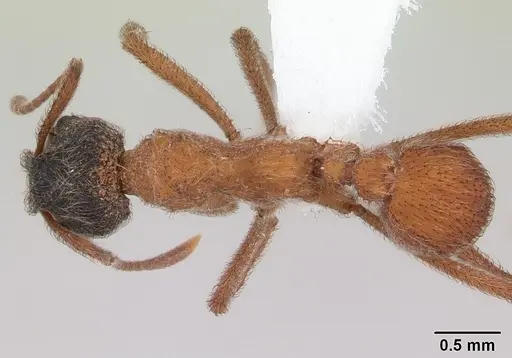
CASENT0919609
View on AntWeb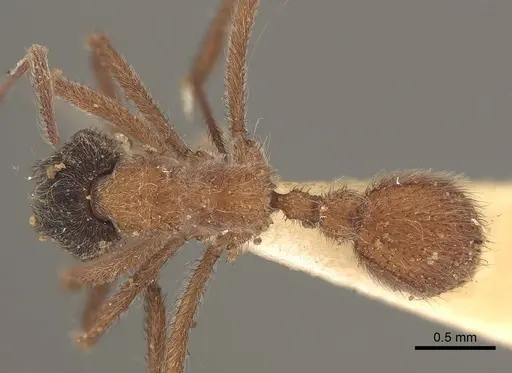
Literature
Loading...Loading products...