

Mycetomoellerius cirratus
- Scientific Name
- Mycetomoellerius cirratus
- Tribe
- Attini
- Subfamily
- Myrmicinae
- Author
- Mayhé-Nunes & Brandão, 2005
- Distribution
- Found in 1 countries
Mycetomoellerius cirratus Overview
Mycetomoellerius cirratus is an ant species of the genus Mycetomoellerius. It is primarily documented in 1 countries , including Brazil. Detailed taxonomic data and occurrence records can be further explored via authoritative databases such as AntWeb or the Global Biodiversity Information Facility (GBIF).
Mycetomoellerius cirratus
Mycetomoellerius cirratus is a small fungus-growing ant native to Brazil, formerly classified as Mycetomoellerius cirratus. Workers measure 3.2-3.4mm and have a reddish-brown body with a distinctive darker spot on the front of the head. The species gets its name from the Latin word 'cirratus' meaning curly, referring to the thick, strongly curved hairs that cover much of its body, a key identifying feature. This ant belongs to the Iheringi species group and is part of the Attini tribe, meaning it cultivates fungus as its primary food source. The species was originally described in 2005 and has been found in Brazil's Cerrado ecosystem, though it was previously known from only a few localities [1].
What makes this species particularly interesting is its fungal farming lifestyle. Like other Attini ants, M. cirratus doesn't eat typical ant foods, instead, it maintains a fungal garden that it feeds with leaf litter and organic detritus. The ants harvest the fungus itself for nourishment. This makes them fundamentally different from most ant species in captivity and requires a specialized approach to feeding.
Quick Summary
- Difficulty: Medium
- Origin & Habitat: Native to the Brazilian Cerrado, a tropical savanna ecosystem in South America. Nests are made in soil [2]. Found in Cerrado sensu stricto habitat [1].
- Colony Type: Colony structure is not well documented in scientific literature. As a fungus-growing ant in the Attini tribe, colonies likely start with a single queen (monogyne) and grow gradually. Further research needed on queen number and colony social structure.
- Size & Growth:
- Queen: Not documented in available literature, likely 5-7mm based on genus patterns
- Worker: 3.2-3.4mm [2]
- Colony: Colony size is not documented. Based on related species in the genus, colonies likely reach several hundred workers over several years.
- Growth: Moderate, fungus-growing ants typically grow more slowly than generalist ant species due to the time needed to cultivate fungal gardens
- Development: Unknown for this specific species. Based on related Trachymyrmex species, expect 2-4 months from egg to first worker at optimal temperature. The fungal garden must be established before larvae can develop properly. (Development is tied to fungal garden growth, the colony cannot raise brood until the fungus is established. This makes founding particularly slow compared to typical ants.)
- Antkeeping:
- Temperature: Keep at 24-28°C. As a Brazilian tropical species, they need warm conditions. A heating cable on one side of the nest creates a temperature gradient that allows ants to regulate their exposure. Avoid temperatures below 22°C for extended periods.
- Humidity: Keep the nest substrate consistently moist but not waterlogged. Fungus-growing ants need high humidity, aim for 70-80% relative humidity in the nest area. The fungal garden requires damp conditions to thrive. Mist occasionally and ensure the water reservoir in test tube setups is adequate.
- Diapause: No, as a tropical species from Brazil, they do not require hibernation. Keep temperatures stable year-round. Avoid exposing them to temperatures below 20°C for prolonged periods.
- Nesting: In nature they nest in soil. In captivity, a test tube setup works well for founding colonies. For established colonies, a naturalistic setup with moist soil/ substrate allows them to create their fungal garden. Acrylic nests with a soil chamber also work well. The key is providing moist substrate they can cultivate fungus in.
- Behavior: These ants are generally peaceful and not aggressive. Workers are small at 3.2-3.4mm and relatively slow-moving. They are not known to sting and pose no danger to keepers. Escape risk is moderate, their small size means they can squeeze through small gaps, so use standard barrier methods. The most notable behavior is their fungal cultivation, they collect organic material to feed their fungus garden rather than foraging for conventional ant food.
- Common Issues: Fungal garden failure is the most serious issue, without healthy fungus, the colony cannot survive. Use proper fungal substrate and maintain humidity., Overfeeding can kill the fungal garden, excess food rots and molds, damaging the fungus. Remove uneaten organic material promptly., Too-dry conditions will kill the fungus and the colony. Monitor humidity closely and rehydrate before substrate dries completely., Small size means escapes are possible through tiny gaps, check barrier integrity regularly., Slow growth causes keeper impatience, fungus farming takes time. Colonies may appear stagnant during fungal establishment but will accelerate once the garden is thriving.
Fungal Farming: The Essential Care Difference
Mycetomoellerius cirratus is a fungus-growing ant (Attini), which means the most critical aspect of their care is the fungal garden, not the ants themselves. Unlike typical ants that eat sugar water, insects, or seeds, these ants cultivate fungus and feed on the fungal tissue. This fundamentally changes how you feed them. Instead of offering food directly to the ants, you provide organic material that they use to grow their fungus. The ants then harvest the fungus for nourishment. Without a healthy fungal garden, the colony will starve regardless of how much other food you offer. This makes them more challenging than typical ants but also more fascinating to observe.
Feeding Your Fungus Garden
The fungal garden needs a steady supply of organic material to grow. Offer small pieces of leaf litter, dead grass, or other plant matter. Avoid fresh green leaves, the fungus prefers partially decomposed material. You can also offer very small amounts of grain, rice, or other carbohydrates, but these should be added sparingly and removed if not consumed within a few days. Never feed the ants honey, sugar water, or typical ant bait, these can harm or outcompete the fungus. Some keepers offer tiny amounts of diluted honey occasionally, but the primary food source must always be the fungus itself. Remove any uneaten organic material before it molds, as mold can destroy the fungal garden.
Nest Setup and Humidity
A test tube setup works well for founding colonies. Use a standard test tube with a water reservoir at one end, stopped with cotton. The queen will seal herself in (likely claustral founding) and the colony will develop in the tube. For established colonies, provide a formicarium with a soil chamber or a naturalistic setup with moist substrate. The substrate should feel damp but not have standing water. High humidity is essential, the fungal garden will die if conditions become too dry. Consider using a hydration system that slowly releases moisture into the nest chamber. A small water dish in the outworld can also help maintain humidity, but ensure ants cannot drown in it. [1]
Temperature and Seasonal Care
As a Brazilian tropical species, Mycetomoellerius cirratus needs warm conditions year-round. Keep the nest at 24-28°C. A heating cable placed on one side of the nest creates a gradient that allows ants to thermoregulate. Room temperature may be adequate if your home stays in this range, but monitor with a thermometer. Do not allow temperatures to drop below 22°C for extended periods. Unlike temperate species, they do not require hibernation or a winter rest period. Maintain stable temperatures throughout the year. Avoid placing the nest near air conditioning vents or drafty areas that could cause temperature fluctuations.
Growth and Patience
Fungus-growing ants grow more slowly than typical ant species. The colony must first establish a fungal garden before it can raise significant numbers of larvae. During founding, the queen may take several weeks just to establish the initial fungus culture. After workers emerge, growth remains gradual, you might see only a few workers in the first few months. This is normal. The key is patience. A healthy colony with a thriving fungal garden will eventually grow more robustly, but the initial phase requires tolerance for what appears to be slow progress. Do not attempt to speed growth by overfeeding, this typically causes mold problems that can kill the entire fungal garden.
Frequently Asked Questions
What do Mycetomoellerius cirratus ants eat?
They do not eat typical ant foods. These are fungus-growing ants that cultivate a fungal garden. You should provide organic material like leaf litter, dead grass, or small plant matter for the ants to use as substrate for their fungus. The ants eat the fungal tissue itself, not the organic material directly. Never feed them sugar water, honey, or insects as primary food, these can harm the fungus.
How long does it take for first workers to emerge?
The exact timeline is unknown for this species, but based on related Trachymyrmex species, expect 2-4 months from founding to first workers. The key difference from typical ants is that the colony must first establish a fungal garden before significant brood development can occur. This makes the founding phase particularly slow.
Can I keep Mycetomoellerius cirratus in a test tube?
Yes, test tubes work well for founding colonies. Use a standard test tube setup with a water reservoir. Keep the tube horizontal or with the water end slightly elevated so the ants can access moisture. The substrate inside should remain damp but not flooded. Once the colony grows significantly, you may need to move them to a larger formicarium with a soil chamber for the fungal garden.
What temperature do they need?
Keep them at 24-28°C. As a Brazilian tropical species, they need warm conditions year-round. A heating cable on one side of the nest can help maintain appropriate temperatures. Avoid temperatures below 22°C for extended periods.
Do they need hibernation?
No, they do not require hibernation. As a tropical species from Brazil's Cerrado, they need stable warm conditions year-round. Do not expose them to cold temperatures.
Why is my colony declining despite feeding?
The most likely issue is fungal garden problems. Either the fungus died from too-dry conditions, or mold contaminated the garden from overfeeding. Review your humidity levels and remove any uneaten organic material before it molds. Remember, you feed the fungus, not the ants directly. If the fungus is not healthy, the colony will decline regardless of other food availability.
Are these ants good for beginners?
They are more challenging than typical ant species due to their fungal farming requirements. If you are new to ant keeping, you may want to start with a more straightforward species first. However, if you are specifically interested in fungus-growing ants and understand their unique needs, they can be rewarding.
How big do colonies get?
Colony size is not well documented for this specific species. Based on related species in the genus, colonies likely reach several hundred workers over 2-4 years. Growth is slower than typical ants due to the time required to cultivate the fungal garden.
References

This caresheet is licensed under CC BY-SA 4.0 .
UFV-LABECOL-005105
View on AntWeb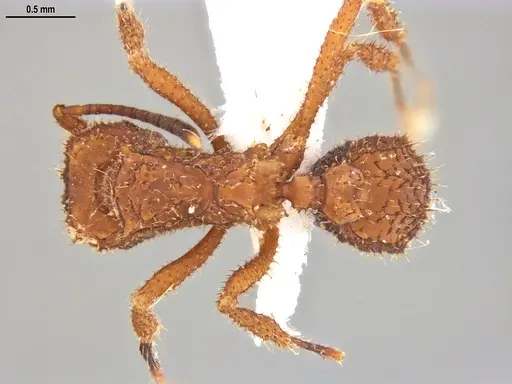
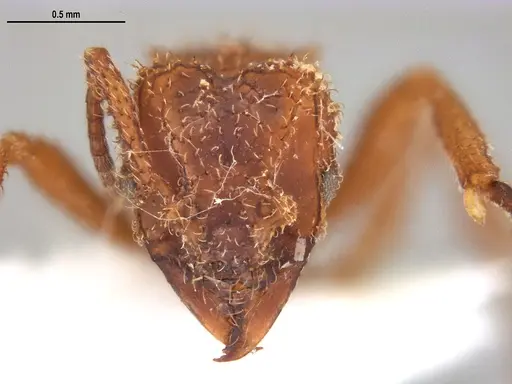
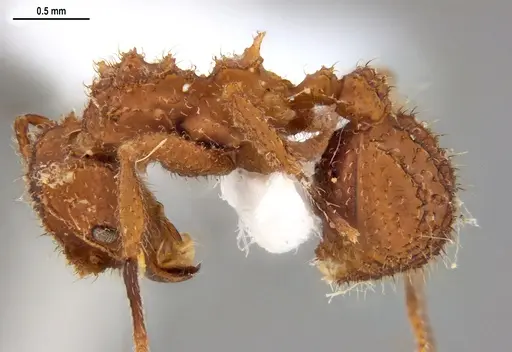
Literature
Loading...Loading products...