

Mycetarotes parallelus
- Scientific Name
- Mycetarotes parallelus
- Tribe
- Attini
- Subfamily
- Myrmicinae
- Author
- Emery, 1906
- Distribution
- Found in 4 countries
Mycetarotes parallelus Overview
Mycetarotes parallelus is an ant species of the genus Mycetarotes. It is primarily documented in 4 countries , including Argentina, Brazil, Colombia. Detailed taxonomic data and occurrence records can be further explored via authoritative databases such as AntWeb or the Global Biodiversity Information Facility (GBIF).
Mycetarotes parallelus
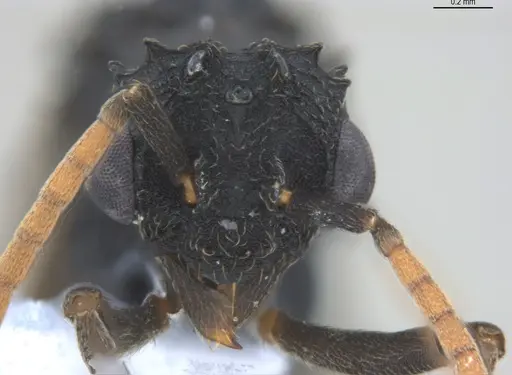
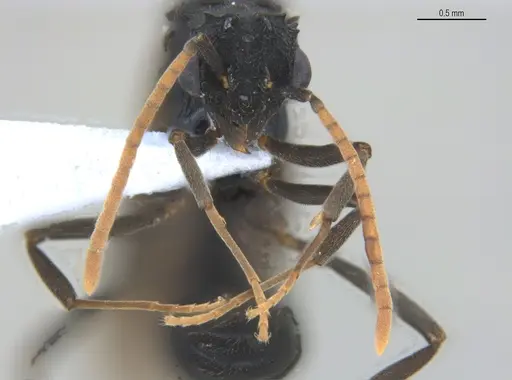
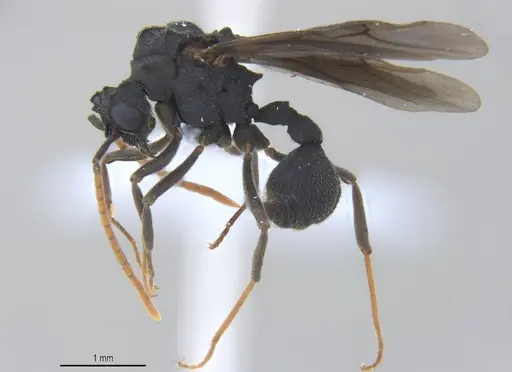
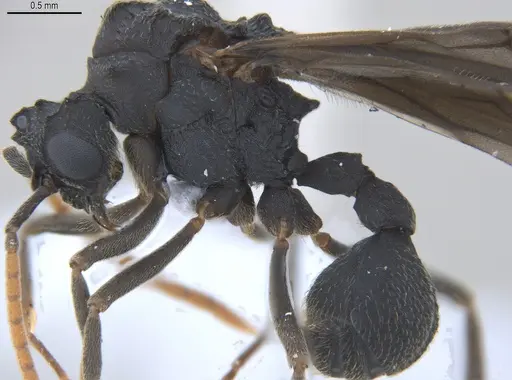
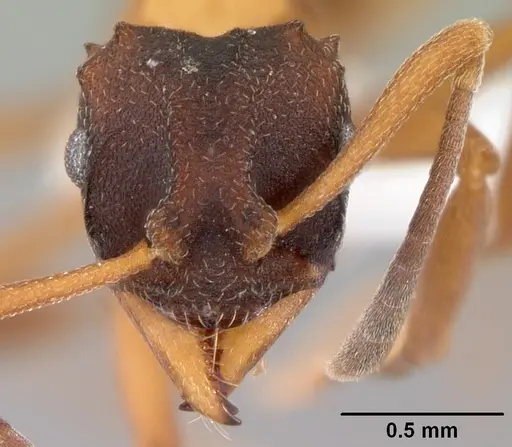
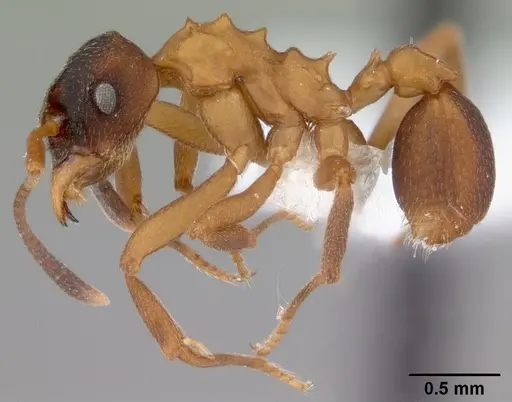
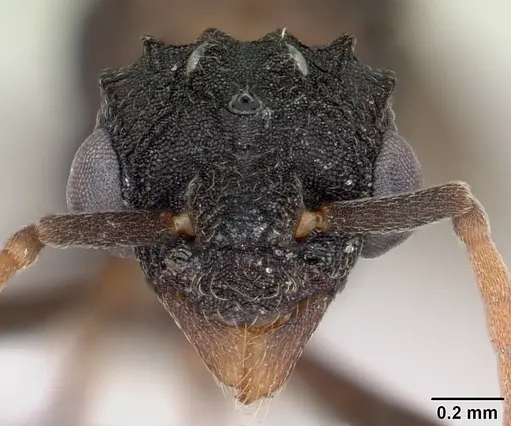
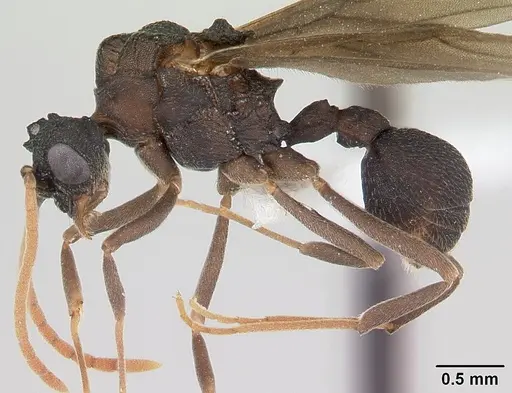
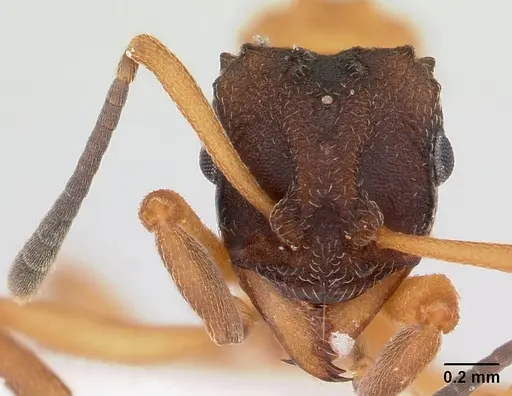
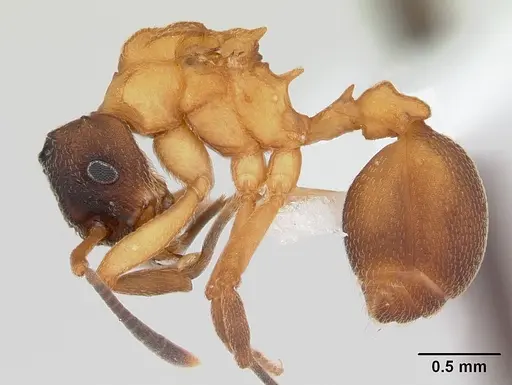
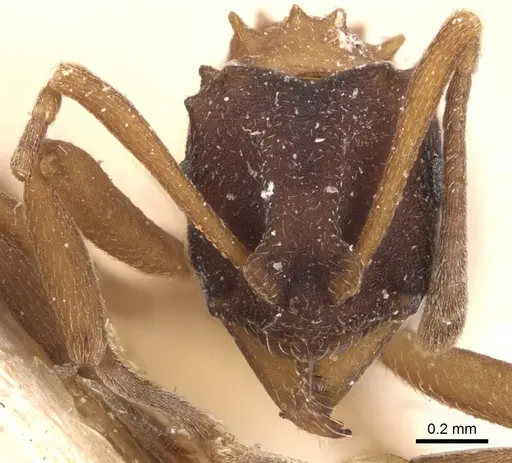
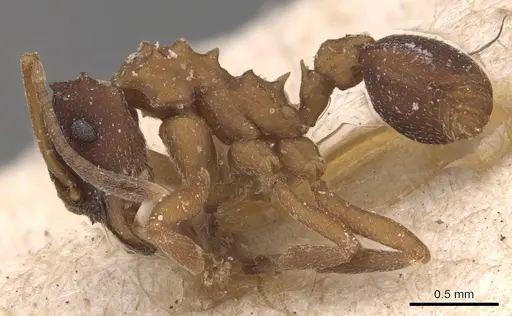
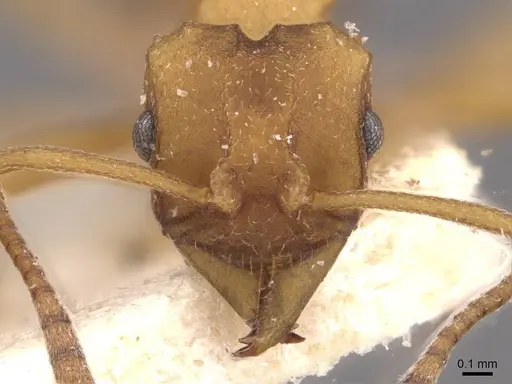
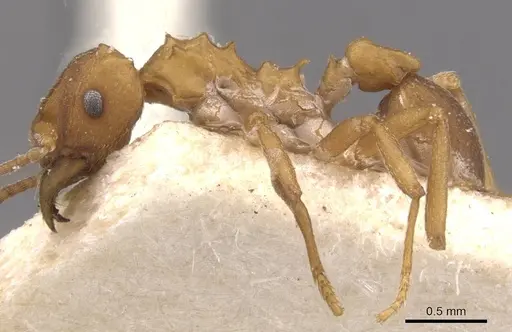
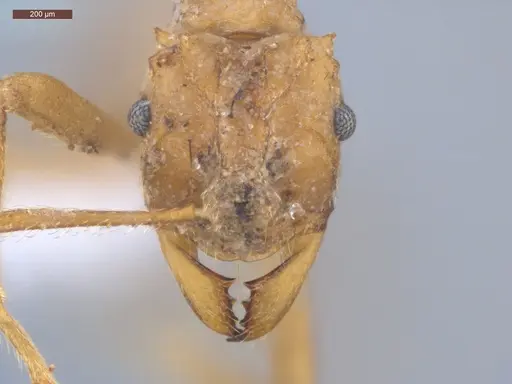
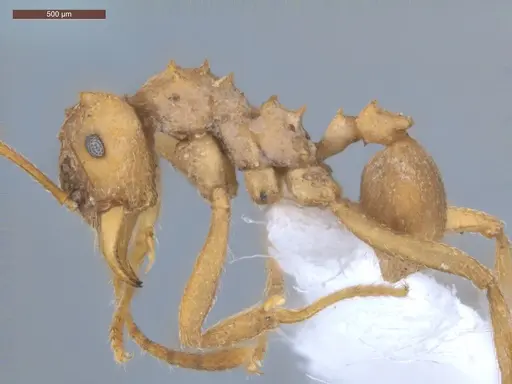
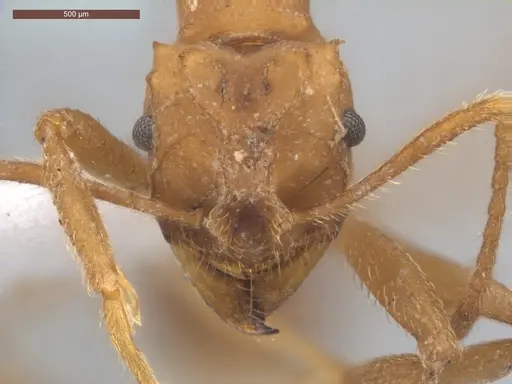
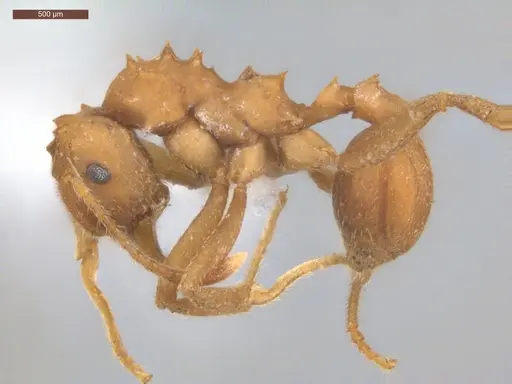
Mycetarotes parallelus is a small fungus-farming ant belonging to the tribe Attini, native to the Neotropical region spanning Brazil, Argentina, Colombia, Paraguay, and French Guiana. Workers measure 2.7-3.2mm and have a distinctive appearance with two pairs of spines on the mesonotum, well-developed petiolar spines, and a reddish-brown to yellowish body with darker head and gaster [1]. This species stands out as the most widespread and common member of its genus, thriving in diverse habitats including open fields, disturbed areas, secondary forest, gallery forest, and cerrado savanna, unlike other Mycetarotes species which are restricted to specific conditions [1]. As a basal Attini species, M. parallelus practices lower agriculture, cultivating a symbiotic fungus on substrates primarily consisting of arthropod feces (about 50% of collected material) and vegetative matter like seeds, leaf fragments, and grass bits [2][3]. Colonies are relatively small, typically containing around 100-350 workers in a single underground chamber located 5-16cm deep, with the fungus garden suspended from rootlets or the chamber ceiling [4][5].
Quick Summary
- Difficulty: Medium
- Origin & Habitat: Native to the Neotropical region: Brazil (Amazonas, Goias, Minas Gerais, Rio de Janeiro, São Paulo), Argentina (Chaco, Misiones, Tucumán), Colombia (Meta), Paraguay, and French Guiana. Found in open fields, disturbed habitats, secondary forest, gallery forest, and cerrado savanna [1][5].
- Colony Type: Monogyne (single-queen colonies). Each nest contains one dealate queen, with no documented cases of multiple queens in a single colony [5]. Colonies average 100-347 workers [4][5].
- Colony: Monogyne
- Size & Growth:
- Queen: 4.7mm [1]. Older source mentions 3.5mm [6].
- Worker: 2.7-3.2mm (average 3.0mm) [1][6].
- Colony: Approximately 100-347 workers per colony [4][5].
- Growth: Moderate, based on related lower Attini species, development likely takes several months from egg to worker.
- Development: Unknown, direct measurements not available. Based on similar basal Attini species, estimate 4-8 months at optimal temperature. (Development time has not been directly studied for this species. Related lower Attini species typically take several months for complete development.)
- Antkeeping:
- Temperature: Keep at 24-28°C. This species is found in tropical/subtropical regions and shows positive correlation between foraging activity and temperature [2]. Provide a gentle temperature gradient allowing workers to select their preferred zone.
- Humidity: Moderate humidity. Keep substrate consistently moist but not waterlogged. The species nests in underground chambers and shows negative correlation with high humidity, activity decreases when humidity is too high [2]. Allow some drier areas within the setup for workers to self-regulate.
- Diapause: Unknown, this is a tropical species. No documented winter dormancy requirement has been observed. Keep at stable temperatures year-round.
- Nesting: Use a naturalistic setup with soil or a Y-tong/plaster nest with chambers scaled to their small size. In the wild, they nest in single chambers 5-16cm deep with a small mound at the entrance [5]. The fungus garden must be suspended from roots or a textured ceiling surface, smooth acrylic won't work. Provide fine root fragments or similar material for the garden to attach to.
- Behavior: Workers are diurnal foragers, active during daylight hours with minimal activity after 6pm [2]. They forage solitarily or in pairs, traveling short distances of 0.2-1.7m from the nest [2]. This species is not aggressive and poses no threat to keepers. Escape risk is moderate due to their small size, use fine mesh barriers. They collect substrate individually rather than cooperating during foraging [7]. The most notable behavior is fungus cultivation, workers collect arthropod feces and vegetative material to feed their symbiotic fungus.
- Common Issues: Fungus garden collapse, smooth nest surfaces prevent the garden from suspending properly, use naturalistic setups with root material or textured surfaces, Overfeeding leading to mold, fungus gardens are sensitive to contamination, remove uneaten substrate promptly, Humidity too high reduces activity, monitor and allow drying periods, avoid constant saturation, Small colony size means slow growth, don't expect rapid population increases, patience is required, Colony loss during founding, claustral status unconfirmed, may need more attention during early colony establishment
Fungus Cultivation and Feeding
Mycetarotes parallelus is a fungus-farming ant, the entire colony depends on a symbiotic fungus for food. Workers feed the fungus substrate (not themselves), and the fungus becomes the exclusive food source for larvae and a partial food source for adults [8]. In the wild, they collect arthropod feces (about 50% of items), vegetable material (28%), leaf pieces (11%), wood (3%), arthropod carcasses (2%), and seeds (2%) [2]. For captive care, you can provide small pieces of dead leaves, flower fragments, grass bits, or specialized substrate. Some keepers report success with commercially available fungal substrate. The key is providing small, dry organic fragments that the workers can process. Never feed them directly, they need to cultivate their fungus. The fungal symbiont rarely produces gongylidia (specialized nutrient-rich structures) in captivity [9]. Workers perform substrate preparation behaviors solitarily: licking (most common), holding, inserting into garden, and incorporating [10]. The fungus garden appears as laminar sponges suspended from the chamber ceiling or on plant roots [4].
Nest Setup and Chamber Design
This species requires a naturalistic or custom-designed setup that accommodates their unique fungus-growing behavior. In the wild, nests consist of a single chamber (occasionally two) located 5-16cm deep, with a small mound (1-4cm) at the entrance [5]. The fungus garden hangs from rootlets extending from the chamber ceiling, this is critical for captive setups. Use a naturalistic setup with soil, or a Y-tong/plaster nest with textured ceiling surfaces where fine roots or artificial root substitutes can be placed for the garden to attach to. Smooth acrylic surfaces won't work because the garden needs to suspend. Chamber dimensions in the wild average about 5cm wide and 4cm tall, scale your nest accordingly [5]. Provide a small entrance mound if possible. The queen is typically found hidden within the fungus garden itself [5].
Temperature and Environmental Conditions
Keep these ants warm, they are tropical to subtropical and show positive correlation between temperature and foraging activity [2]. Aim for 24-28°C with a gentle gradient allowing workers to choose their preferred zone. Avoid temperatures below 20°C or above 32°C. Interestingly, activity is negatively correlated with humidity, they are less active in overly humid conditions [2]. This suggests keeping the nest moderately humid rather than constantly wet. Provide ventilation to prevent stagnant air but avoid drafts that could dry the nest too quickly. Since they are found in open habitats in the wild, they likely prefer some light exposure during the day, though they are strictly diurnal with minimal evening activity [2]. No diapause requirement has been documented, this is a tropical species that should be kept at stable temperatures year-round.
Foraging Behavior and Colony Dynamics
Workers are diurnal foragers, primarily active during daylight hours with very little activity after 6pm [2]. They forage solitarily or in pairs, traveling short distances of 0.2-1.7m from the nest entrance [2]. Foraging distance varies seasonally, they travel farther during the dry season (average 176cm) compared to the wet season (average 94cm) [11]. This is because fungal substrate becomes scarcer in dry periods. Workers collect substrate individually rather than cooperating, each worker performs substrate preparation tasks alone [7][10]. Colony size remains small throughout their life, typically under 350 workers [4]. The colony structure is monogynous with a single queen per nest [5]. Alates (reproductives) have been found in colonies, suggesting nuptial flights occur, though timing is not well documented.
Growth and Development
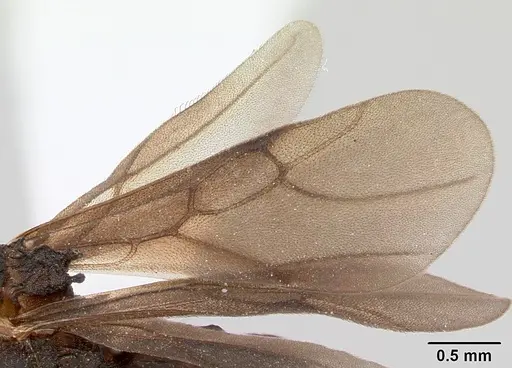
Colony growth is slow and steady. Maximum colony size reaches approximately 100-350 workers in established colonies [4][5]. The egg-to-worker development timeline has not been directly studied for this species, but based on related lower Attini species, expect several months from egg to first worker. Queens are monandrous, mating with only one male per reproductive event [12]. The queen carries the fungal symbiont when founding a new colony, only female reproductives transmit the fungus from parent to offspring nest [8]. Workers show slight polymorphism (variation in size), though they are considered essentially monomorphic [4]. The fungus itself has been observed to produce fruiting bodies (mushrooms) in laboratory culture after about 5 weeks on sporulation medium [5].
Unique Biological Features
Mycetarotes parallelus is a basal Attini species, representing an early stage in the evolution of ant agriculture. It belongs to the 'lower agriculture' group, using more primitive fungal cultivars than the advanced leafcutter ants [13]. Unlike many Attini, this species commonly inhabits open and disturbed habitats, it's the most widespread Mycetarotes species [1]. They show interesting bacterial symbiont relationships: the cuticle carries Pseudonocardia bacteria (actinobacteria) that help protect the fungal garden from parasites [14]. Workers have distinctive morphological features including only two pairs of mesonotal spines (other Mycetarotes species have three), and very short petiolar spines placed close to the posterior margin [1]. They also practice 'thievery', larger attine species sometimes steal substrate from foragers at nest entrances [3].
Frequently Asked Questions
How do I feed Mycetarotes parallelus ants?
You don't feed the ants directly, you feed their fungus. Provide small organic substrate fragments like dead leaf pieces, grass bits, flower fragments, or arthropod feces. Place substrate near the nest entrance and workers will collect it. The fungus processes this material and the ants consume the fungal mycelium. Remove any uneaten substrate after a few days to prevent mold.
Can I keep Mycetarotes parallelus in a test tube?
Standard test tubes are not ideal. This species needs a naturalistic setup or custom formicarium with a textured ceiling surface where the fungus garden can suspend from rootlets. The garden won't grow on smooth glass or acrylic. A small naturalistic setup with soil and a root fragment works best.
How long does it take for first workers to appear?
The exact timeline is unknown for this species. Based on related lower Attini species, expect 4-8 months from founding to first workers emerging. Growth is slow, colonies max out at around 100-350 workers.
How big do colonies get?
Colonies reach approximately 100-350 workers in established colonies. This is relatively small compared to many other ant species. The colony remains monogynous with a single queen throughout its life.
Do they need hibernation or diapause?
No, this is a tropical species with no documented diapause requirement. Keep them at stable warm temperatures (24-28°C) year-round. They are active throughout the year in their native range.
Can I keep multiple queens together?
No, this species is monogynous with documented single-queen colonies. Multiple queens have never been found in the same nest. Combining unrelated queens is not recommended and would likely result in conflict.
Why is my fungus garden dying?
Fungus gardens are sensitive to several factors: too much moisture causes rot, too dry causes the fungus to die, contamination from moldy substrate, or smooth nest surfaces preventing proper suspension. Ensure proper humidity balance, remove uneaten substrate promptly, and use a setup with textured surfaces for the garden to attach to.
Are these ants good for beginners?
This species is rated as medium difficulty. While fascinating due to their fungus-farming behavior, they require more specialized care than typical ants. You need to understand fungus cultivation, provide appropriate substrate, and maintain proper nest conditions. Not recommended as a first ant, but achievable for intermediate antkeepers.
What makes Mycetarotes parallelus different from other Attini?
This is a basal (primitive) Attini species practicing lower agriculture, they use simpler fungal cultivars than leafcutter ants. Unlike most Mycetarotes species that live in specific habitats, M. parallelus is widespread and adaptable, found in open fields, forests, and disturbed areas. They collect arthropod feces as primary substrate (50% of their foraging), which is unusual among fungus-farming ants.
References

This caresheet is licensed under CC BY-SA 4.0 .
ANTWEB1053732
View on AntWeb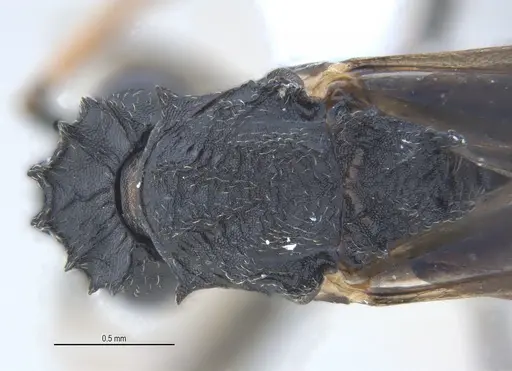
CASENT0010817
View on AntWeb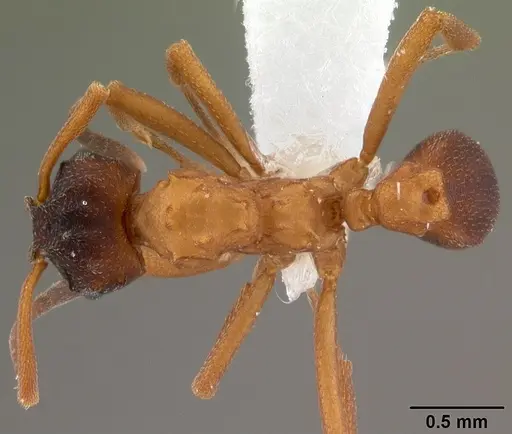
CASENT0173982
View on AntWeb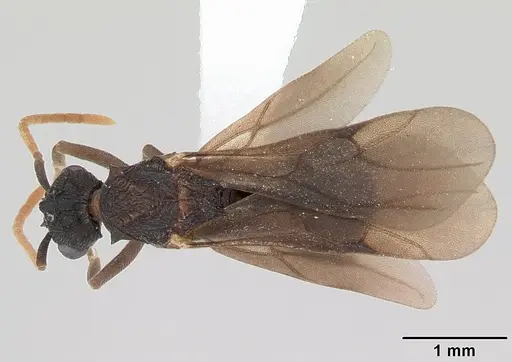
CASENT0173983
View on AntWeb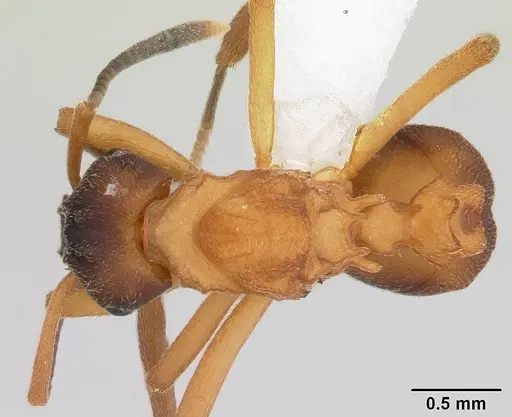
CASENT0904983
View on AntWeb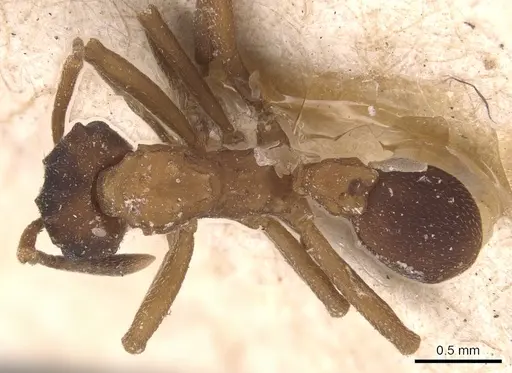
CASENT0909385
View on AntWeb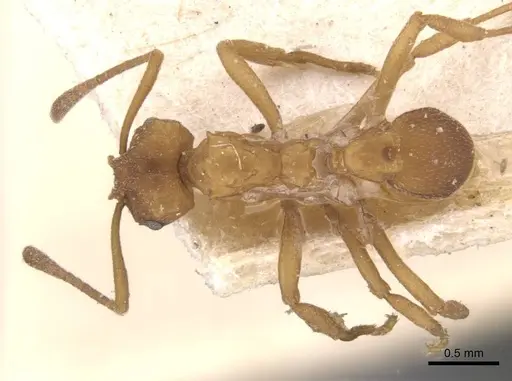
ECOFOG-GRS21-0163-06
View on AntWeb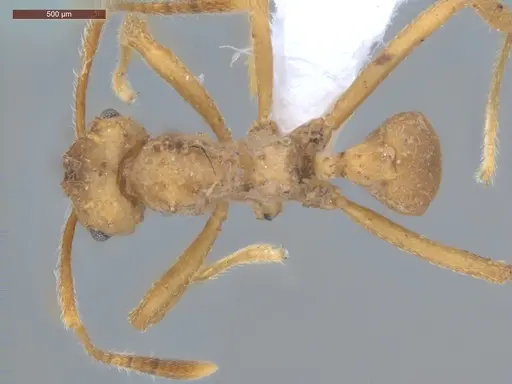
ECOFOG-TR17-0175-08
View on AntWeb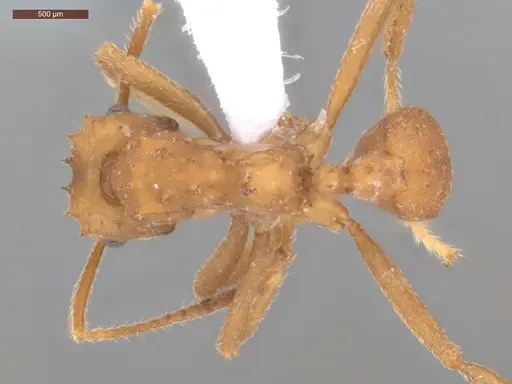
Literature
Loading...Loading products...