

Mycetagroicus inflatus
- Scientific Name
- Mycetagroicus inflatus
- Tribe
- Attini
- Subfamily
- Myrmicinae
- Author
- Brandão & Mayhé-Nunes, 2008
- Distribution
- Found in 1 countries
Mycetagroicus inflatus Overview
Mycetagroicus inflatus is an ant species of the genus Mycetagroicus. It is primarily documented in 1 countries , including Brazil. Detailed taxonomic data and occurrence records can be further explored via authoritative databases such as AntWeb or the Global Biodiversity Information Facility (GBIF).
Mycetagroicus inflatus
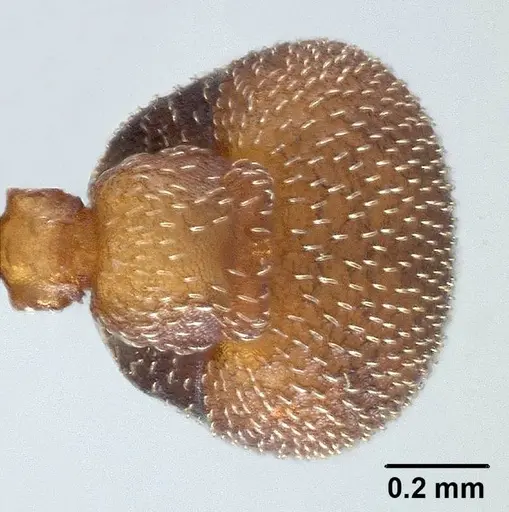
Mycetagroicus inflatus is a tiny fungus-farming ant native to the Amazon River Basin in Brazil. Workers measure just 2.6mm and are brownish-yellow with a distinctive inflated appearance at the back corners of the head, the feature that gives the species its name [1]. This is a lower attine ant, meaning they cultivate fungus for food but don't cut leaves like their famous leaf-cutter cousins (Atta and Acromyrmex). Instead, they likely gather organic debris to feed their fungal garden. Colonies are small, typically containing 30-100 workers, and nest in sandy soil near rivers in areas of dense alluvial forest.
Quick Summary
- Difficulty: Expert
- Origin & Habitat: Eastern Pará State, Brazil, found along the Araguaia River (a southern component of the Amazon River Basin) in dense alluvial forest with sandy beaches and gallery forest. Nests are located near the river edge in areas that flood during the rainy season (December-March).
- Colony Type: Single-queen colonies (monogyne). Queens are slightly larger than workers and possess wings. Colony size reaches approximately 30-100 workers.
- Colony: Monogyne
- Size & Growth:
- Queen: Queens measure approximately 0.60-0.72mm head width. Workers are 2.61-2.64mm total length [1].
- Worker: 2.61-2.64mm total length [1].
- Colony: Approximately 30-100 workers.
- Growth: Slow, small colony size and simple nest structure suggest gradual growth
- Development: Unknown, no direct development data exists for this species. Based on related lower attine patterns, expect 6-10 weeks at optimal temperature. (Development timeline has not been directly studied. Related lower attine species typically take 6-10 weeks from egg to worker at warm temperatures.)
- Antkeeping:
- Temperature: Keep warm, around 24-28°C. This species comes from a tropical Amazon environment where temperatures are consistently warm year-round. A heating cable on one side of the nest creates a suitable gradient.
- Humidity: High humidity is essential, these ants nest in areas that experience seasonal flooding. Keep the nest substrate consistently moist but not waterlogged. The fungus garden requires damp conditions to thrive.
- Diapause: No, this is a tropical species from the Amazon Basin. They do not experience cold winters and do not require hibernation. Maintain warm, stable conditions year-round.
- Nesting: This species nests deep in the ground, excavated nests show chambers reaching 310cm deep. In captivity, provide a deep nesting container (at least 15-20cm of substrate) with multiple chambers. A naturalistic setup with sandy substrate works well. The nest entrance is a single small hole 2-3mm in diameter with no mound.
- Behavior: These ants are slow-moving and not aggressive. Workers forage individually, searching for organic material to feed their fungus garden. They are not known to sting and pose no danger to keepers. Their tiny size (under 3mm) means escape prevention must be excellent, they can slip through very small gaps. They are not escape artists in terms of climbing, but their small size makes fine mesh essential.
- Common Issues: tiny size means escapes are likely without fine mesh barriers, use barriers designed for micro ants, fungus garden maintenance is critical, without healthy fungus, the colony will starve, deep nesting requirement may be challenging to accommodate in standard formicaria, flooding risk in captivity, wild nests experience seasonal flooding and have chamber walls with holes that may serve as air pockets, ensure proper drainage, slow growth and small colony size means colonies develop slowly and remain modest in numbers
Fungus Farming and Feeding
Mycetagroicus inflatus is a fungus-farming ant in the tribe Attini, but unlike leaf-cutter ants (Atta, Acromyrmex), they are 'lower attines' that practice a more basic form of agriculture. They cultivate a specific fungal cultivar (subclade F of Clade 2 leucocoprineaceous fungi) that they feed with organic debris rather than fresh leaves. In captivity, you must maintain a healthy fungus garden. Offer small amounts of organic matter: dead insects, small pieces of fruit, grains, or rice cereal (Cream of Rice was successfully used as bait in field studies). The ants will process this material and add it to their fungus garden. Never feed them only sugar water or honey, they need protein-rich foods to sustain both the colony and their fungal symbiont. The fungus itself is the primary food source, not the debris they collect.
Nest Architecture and Housing
In the wild, M. inflatus builds nests with remarkable depth, up to 310cm underground, with 2-4 chambers ranging from 2-8cm wide. The nest entrance is a single, small, rounded hole about 2-3mm in diameter with no mound or crater around it. The deepest chambers contain the fungus garden. In captivity, provide a deep container (at least 15-20cm of substrate) filled with sandy soil. A naturalistic setup works best, fill a container with moist sand and allow the ants to dig their own chambers. The chamber walls in wild nests sometimes have multiple small holes of unknown purpose, researchers speculate these may help with air capture during seasonal flooding. Ensure your setup has proper drainage to prevent the fungus from drowning while maintaining consistent moisture. [1]
Temperature and Seasonal Care
This species comes from the Amazon Basin in Brazil, a tropical environment with year-round warm temperatures. Keep the nest at 24-28°C for optimal colony health and fungus growth. Unlike temperate ants, they do not require hibernation or any cooling period. The natural habitat experiences seasonal flooding (December-March) rather than cold temperatures. Maintain warm, stable conditions throughout the year. A heating cable placed on one side of the nest creates a temperature gradient that allows the ants to regulate their own conditions. Avoid temperatures below 22°C as this could slow colony development and harm the fungus garden.
Humidity and Moisture
High humidity is critical for this species. In the wild, they inhabit river banks in the Amazon that experience heavy seasonal rains. The fungus garden requires consistently moist conditions to thrive. Keep the nest substrate damp but not waterlogged, the substrate should feel moist to the touch. However, avoid standing water in the nest chambers as this can drown the fungus. A water reservoir connected to the nesting area helps maintain humidity. Monitor the fungus garden's health: a healthy garden appears white and fuzzy, while a dying fungus turns dark or slimy. If the fungus declines, increase humidity and review feeding practices.
Behavior and Colony Dynamics
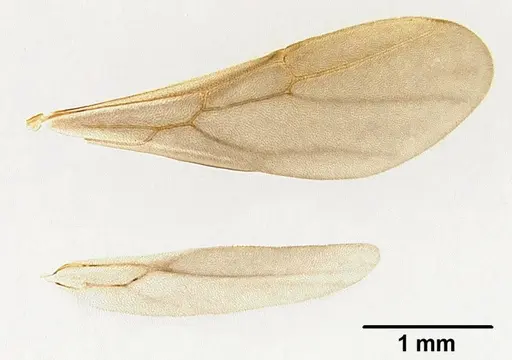
M. inflatus colonies are small, typically containing only 30-100 workers. Workers are slow-moving and forage individually rather than in large groups. They were observed returning to nests with bait (Cream of Rice cereal) in field studies, suggesting they readily accept cereal as food. The species is not aggressive and does not pose any sting risk to keepers. Queens are slightly larger than workers and possess wings. Males have an unusual 12-segmented antennae (most attine males have 13 segments). The colony's small size means growth is inherently slow, do not expect rapid expansion like you would from larger ant species. [1]
Frequently Asked Questions
Can I keep Mycetagroicus inflatus in a test tube?
Test tubes are not ideal for this species. In the wild, they nest up to 310cm deep with multiple chambers. They need significant substrate depth for their fungus garden and proper chamber structure. A naturalistic setup with deep, moist sandy substrate is much more suitable than a simple test tube setup.
What do Mycetagroicus inflatus eat?
They are fungus farmers, the fungus garden is their primary food source. Offer small organic debris: dead insects, tiny pieces of fruit, grains, rice cereal, or oatmeal. The ants collect this material and use it to cultivate their fungus. Do not rely on sugar water alone, they need protein-rich foods to sustain the fungus.
How long until first workers in Mycetagroicus inflatus colonies?
The exact development timeline is unknown, this species has not been studied in captivity. Based on related lower attine ants, expect 6-10 weeks from egg to first worker at optimal temperature (around 26°C). The small colony size (30-100 workers maximum) means growth is inherently slow.
Are Mycetagroicus inflatus good for beginners?
No, this is an expert-level species. They require specialized fungus-farming care, deep nesting space, high humidity, and warm temperatures year-round. The need to maintain a healthy fungus garden adds significant complexity not present in typical ant keeping. They are also extremely small, requiring excellent escape prevention.
Do Mycetagroicus inflatus need hibernation?
No, this is a tropical Amazon species. They do not experience cold winters and do not require any cooling period. Keep them warm (24-28°C) year-round. Their natural habitat in Pará, Brazil stays warm throughout the year.
How big do Mycetagroicus inflatus colonies get?
Colonies reach approximately 30-100 workers in the wild. This is a small colony size compared to many other ant species. Do not expect large, impressive colonies, these ants remain modest in number but are fascinating due to their fungus-farming behavior.
When should I move Mycetagroicus inflatus to a formicarium?
Move them when you observe the queen has established a fungus garden and the first workers have emerged. For this deep-nesting species, provide a naturalistic setup with at least 15-20cm of moist sandy substrate rather than a standard formicarium. The key is providing enough depth for proper chamber construction.
Why is my Mycetagroicus inflatus fungus dying?
Fungus decline is usually caused by incorrect humidity (too dry or too wet), temperature issues (too cold), or poor food quality. Check that the substrate is consistently moist but not waterlogged, temperatures are warm (24-28°C), and you are offering appropriate organic matter. Remove any moldy or decaying material promptly.
Can I keep multiple queens together in Mycetagroicus inflatus?
This is not recommended. M. inflatus is monogyne, colonies have a single queen. Combining unrelated foundresses has not been documented and would likely result in aggression. If you acquire a colony, assume it has one queen unless you observe otherwise.
References

This caresheet is licensed under CC BY-SA 4.0 .
ANTWEB1008120
View on AntWeb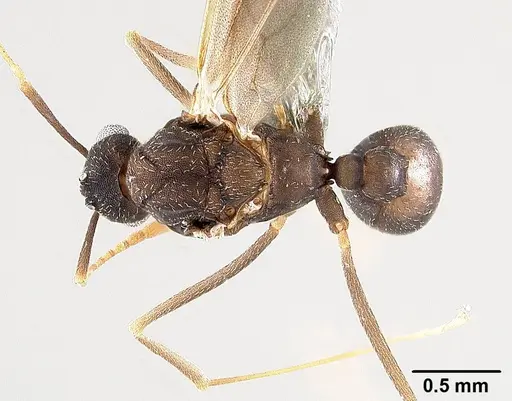
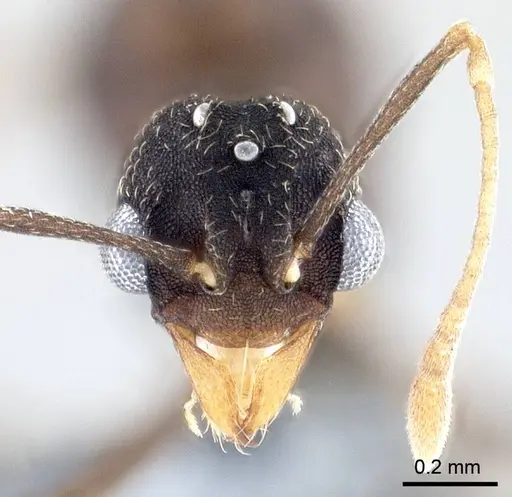
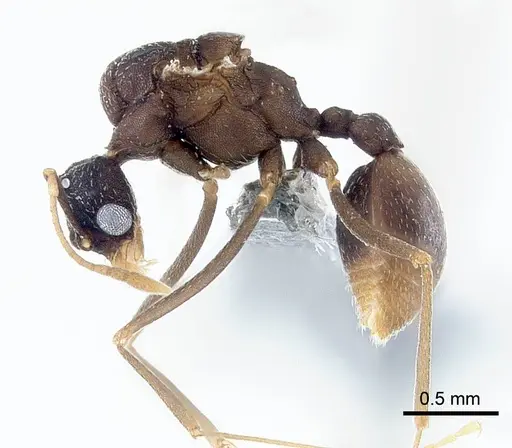

ANTWEB1008121
View on AntWeb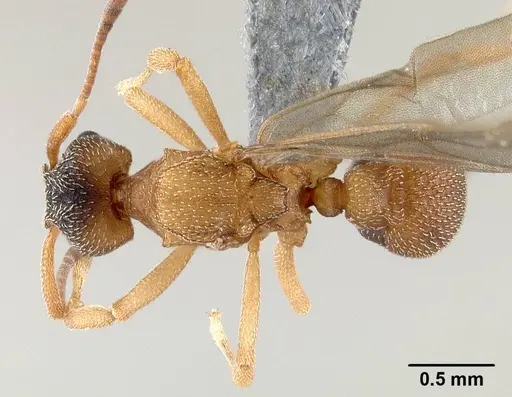


ANTWEB1008122
View on AntWeb

ANTWEB1008123
View on AntWeb
MZSPHYM0135896
View on AntWeb


Literature
Loading...Loading products...