

Monomorium vatranum
- Scientific Name
- Monomorium vatranum
- Tribe
- Solenopsidini
- Subfamily
- Myrmicinae
- Author
- Bolton, 1987
- Distribution
- Found in 1 countries
Monomorium vatranum Overview
Monomorium vatranum is an ant species of the genus Monomorium. It is primarily documented in 1 countries , including Namibia. Detailed taxonomic data and occurrence records can be further explored via authoritative databases such as AntWeb or the Global Biodiversity Information Facility (GBIF).
Monomorium vatranum
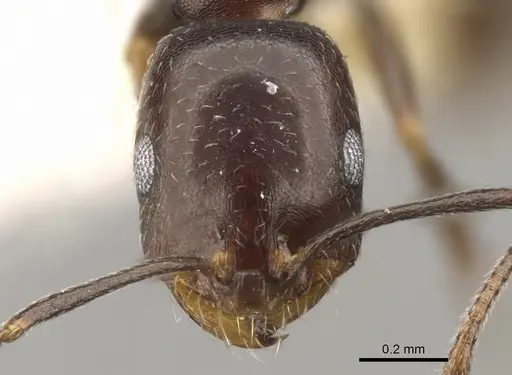
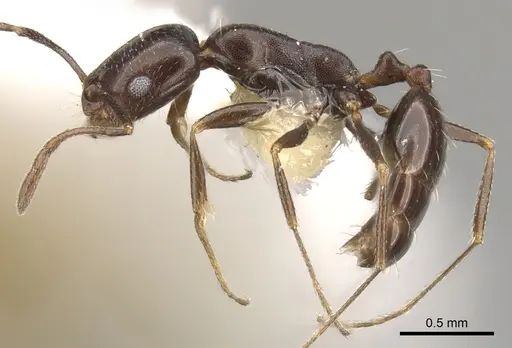
Monomorium vatranum is a small ant species belonging to the Myrmicinae subfamily. Workers are tiny, typically measuring 2-4mm, with the genus characterized by small body size, a single petiole node, and often pale to reddish-brown coloration. The species is found in tropical and subtropical regions, where it typically nests in soil, under stones, or in decaying wood. Like other Monomorium species, they are generalist foragers that exploit a wide variety of food resources. The colony structure is generally monogyne (single queen), with colonies growing to moderate sizes of several hundred workers.
Quick Summary
- Difficulty: Easy
- Origin & Habitat: Tropical and subtropical regions, specific distribution data is limited. In nature, they nest in soil, under stones, and in rotting wood in warm, often shaded microhabitats.
- Colony Type: Monogyne (single queen) colonies are typical for this genus. Colonies grow to moderate sizes, typically reaching several hundred workers.
- Colony: Monogyne
- Founding: Claustral
- Size & Growth:
- Queen: Estimated 5-7mm based on genus Monomorium patterns
- Worker: Estimated 2-4mm based on genus descriptions
- Colony: Estimated several hundred workers based on typical Monomorium colony sizes
- Growth: Moderate, based on typical genus development patterns
- Development: Estimated 6-8 weeks at optimal temperature based on related Myrmicinae (Development time is estimated from genus-level patterns since species-specific data is unavailable. Warmer temperatures within acceptable range may accelerate development.)
- Antkeeping:
- Temperature: Keep at 22-26°C. They prefer warm conditions typical of their tropical origin. A heating cable on one side of the nest creates a gradient allowing workers to self-regulate their temperature preference.
- Humidity: Moderate humidity around 50-70%. Keep the nest substrate slightly moist but allow some drying between waterings. They tolerate a range of conditions but avoid waterlogging.
- Diapause: Unknown for this specific species. Many tropical ants do not require hibernation, but related temperate Monomorium species may have reduced activity in cooler months.
- Nesting: Test tubes work well for founding colonies. For established colonies, Y-tong nests or plaster nests with narrow chambers suit their small size. They do well in naturalistic setups with moist substrate.
- Behavior: These are small, generally non-aggressive ants that are active foragers. They are not known for stinging and pose no danger to keepers. Their tiny size means escape prevention is critical, they can squeeze through very small gaps. Workers forage individually and will exploit a variety of food sources including sugar, protein, and small insects.
- Common Issues: escape prevention is critical due to their very small size, use fine mesh and tight-fitting lids, overheating can be fatal, avoid temperatures above 30°C, colonies may decline if humidity is too low for extended periods, slow founding phase means patience is required, claustral queens may take weeks to seal in and raise first workers, test tube setups can flood if water reservoirs are overfilled
Housing and Nest Setup
For founding colonies, a simple test tube setup works excellently. Fill a test tube with water and plug the open end with a cotton ball, leaving enough dry space for the queen to seal herself in a chamber. The water reservoir provides humidity through evaporation. For established colonies with 50+ workers, consider upgrading to a Y-tong (acrylic) nest or a plaster formicarium. These provide better space for colony expansion and easier feeding access. Because of their tiny size, ensure all connections and barriers are secure, even small gaps that seem insignificant can allow escapes. A small outworld connected to the nest allows for feeding without disturbing the colony.
Feeding and Diet
Monomorium ants are generalist feeders that accept a variety of foods. Offer sugar water or honey as a constant energy source, they will readily consume sweet liquids. For protein, provide small insects such as fruit flies, pinhead crickets, or mealworm pieces. Since they are small, prey items should be appropriately sized, anything larger than their body width may be ignored. Feed protein roughly twice weekly, and remove any uneaten prey after 24 hours to prevent mold. Some keepers report that Monomorium species also occasionally scavenge on seeds or dead organic matter, but live prey should form the core of their protein diet.
Temperature and Seasonal Care
Maintain temperatures in the warm range of 22-26°C. These ants originate from tropical and subtropical regions, so they thrive in warmth. A heating cable placed on part of the nest creates a temperature gradient, allowing workers to move to warmer or cooler areas as needed. Avoid temperatures above 30°C, as this can be fatal. During cooler months, colony activity may naturally decrease, this is normal and not necessarily a sign of problems. If your room temperature drops below 18°C in winter, consider providing a slight heat source, but many tropical ants can tolerate brief cool periods without issues.
Colony Development and Growth
A claustral queen will seal herself into a chamber and remain there while laying eggs and raising the first brood. She relies entirely on her stored fat reserves and metabolic water during this period, do not disturb or attempt to feed her. The first eggs hatch into larvae, which the queen feeds from her own secretions. After several weeks, the first workers (nanitics) emerge. These initial workers are typically smaller than mature workers but immediately begin foraging for food to support further colony growth. Expect the colony to remain small for the first few months as the queen builds up worker numbers. Patience is key, moderate growth over months is normal for this genus.
Behavior and Temperament
Monomorium vatranum workers are small, active foragers that typically show non-aggressive behavior toward keepers. They do not possess a painful sting and are considered safe to handle, though their small size makes them difficult to work with directly. Workers forage individually rather than in large raiding parties, exploring their environment systematically. Their main defense is simply staying out of sight and retreating to the nest when threatened. The primary concern for keepers is their small size, they are excellent escape artists and require fine mesh barriers and tightly sealed enclosures.
Frequently Asked Questions
How long does it take for Monomorium vatranum to produce first workers?
Expect first workers (nanitics) to emerge in approximately 6-8 weeks after the queen lays eggs, assuming optimal temperatures around 24-26°C. This timeline is estimated from related species since specific development data for this species is unavailable. The exact duration depends on temperature and whether the queen was mated before capture.
Can I keep multiple Monomorium vatranum queens together?
This species is typically monogyne (single queen) in the wild. Combining unrelated queens is not recommended as they likely will fight. If you capture a queen already accompanied by workers, she was likely adopted into an existing colony rather than founding alone.
What temperature range is best for Monomorium vatranum?
Keep them at 22-26°C. They prefer warm conditions and will be most active within this range. Avoid temperatures above 30°C as this can be harmful. A slight temperature gradient allows workers to regulate their own comfort.
How often should I feed my colony?
Offer sugar water or honey constantly, it can be left in the outworld and refreshed every few days. Feed protein (small insects) approximately twice weekly. Remove uneaten prey after 24 hours to prevent mold issues. Adjust feeding frequency based on colony size and consumption rates.
When should I move my colony to a formicarium?
Consider upgrading from a test tube when the colony reaches 50-100 workers and the test tube setup becomes crowded or requires frequent cleaning. A Y-tong or plaster nest provides better space for expansion. Make the transition gradual by connecting the formicarium to the test tube and allowing workers to explore before moving the queen.
Are Monomorium vatranum good for beginners?
Yes, they are considered a good beginner species due to their moderate care requirements, non-aggressive nature, and tolerance for varying conditions. The main challenge is their tiny size requiring good escape prevention. Their relatively simple dietary needs and tolerance for room-temperature conditions make them accessible to new antkeepers.
Why are my Monomorium vatranum escaping?
Their small size means they can escape through incredibly tiny gaps. Check all connections, lids, and barrier applications. Use fine mesh (at least 0.5mm or smaller) on any ventilation holes. Apply fluon or similar barrier substances to the upper edges of enclosures. Even seemingly sealed containers may have microscopic gaps these ants can exploit.
Do Monomorium vatranum need hibernation?
Since they originate from tropical regions, they do not require a true hibernation period. However, cooler winter temperatures may cause reduced activity, which is normal. If your room temperature drops significantly in winter, a slight reduction in activity is expected and beneficial, do not artificially heat the colony unless temperatures fall below 15°C for extended periods.
How big do Monomorium vatranum colonies get?
Colonies typically reach several hundred workers. Maximum colony size is not well documented for this specific species, but related Monomorium species commonly reach 300-500 workers. Growth rate is moderate, with colonies taking several months to a year to reach significant numbers.

This caresheet is licensed under CC BY-SA 4.0 .
CASENT0814096
View on AntWeb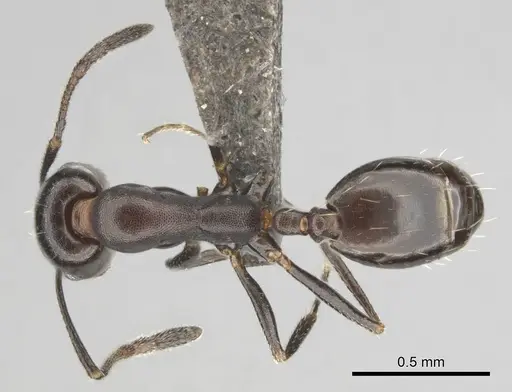
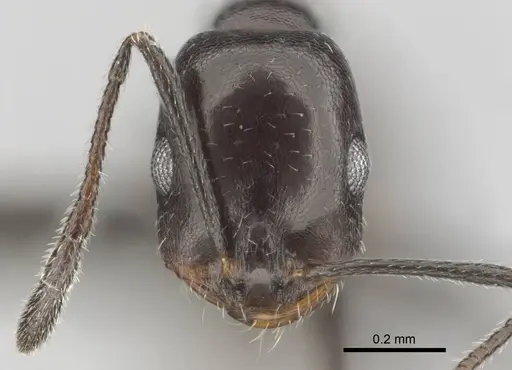
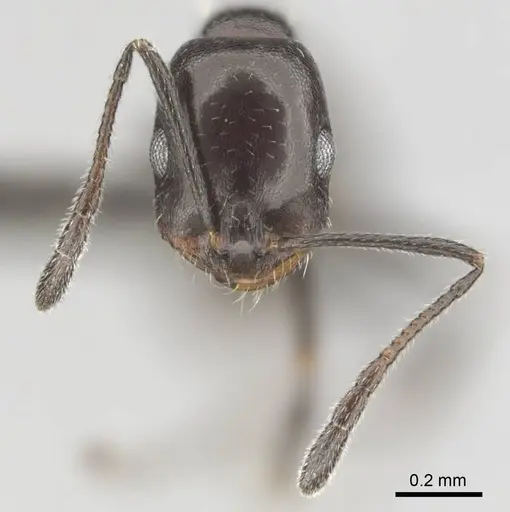
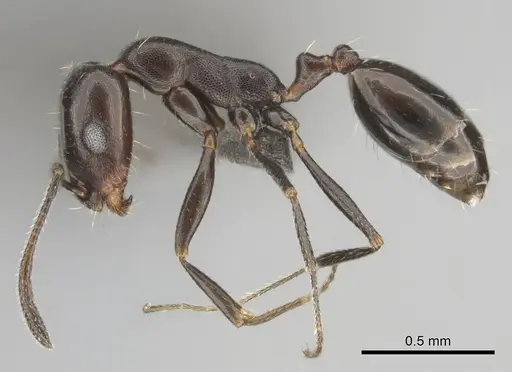
CASENT0902207
View on AntWeb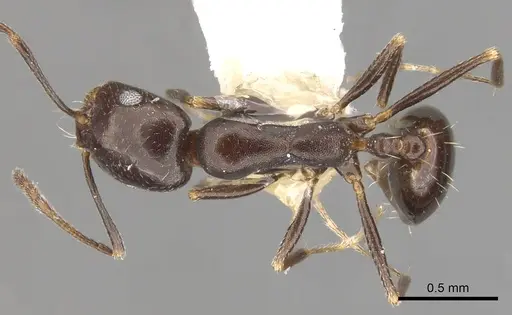
Literature
Loading...Loading products...