

Monomorium strangulatum
- Scientific Name
- Monomorium strangulatum
- Tribe
- Solenopsidini
- Subfamily
- Myrmicinae
- Author
- Santschi, 1921
- Distribution
- Found in 4 countries
Monomorium strangulatum Overview
Monomorium strangulatum is an ant species of the genus Monomorium. It is primarily documented in 4 countries , including Congo, Democratic Republic of the, Central African Republic. Detailed taxonomic data and occurrence records can be further explored via authoritative databases such as AntWeb or the Global Biodiversity Information Facility (GBIF).
Monomorium strangulatum
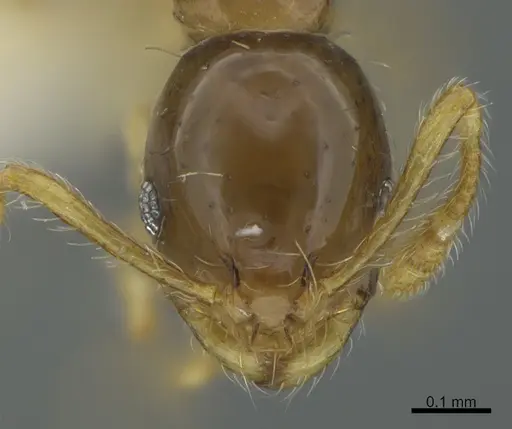
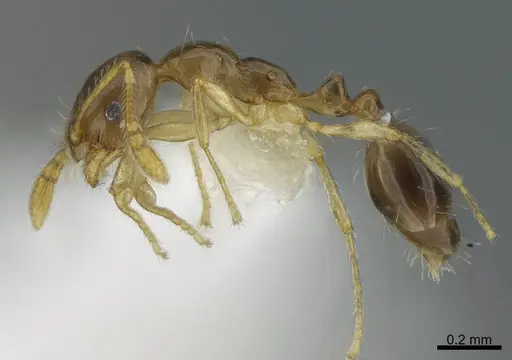
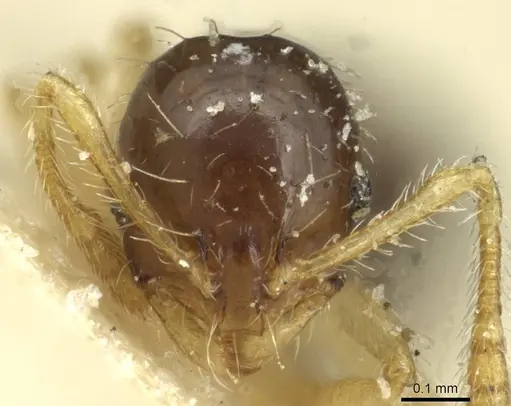
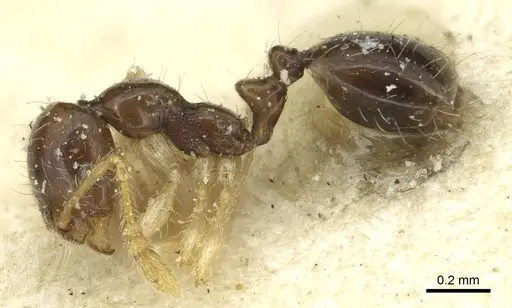
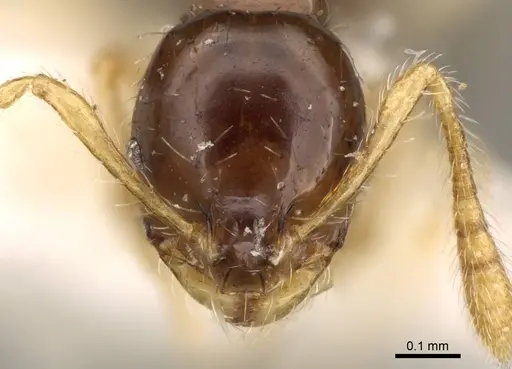
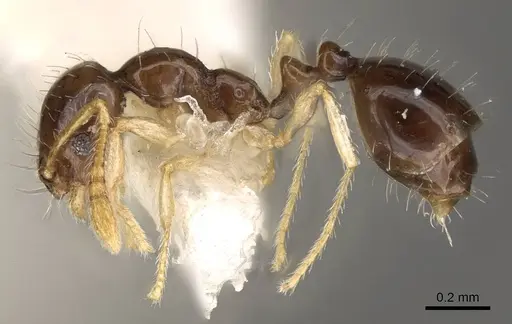
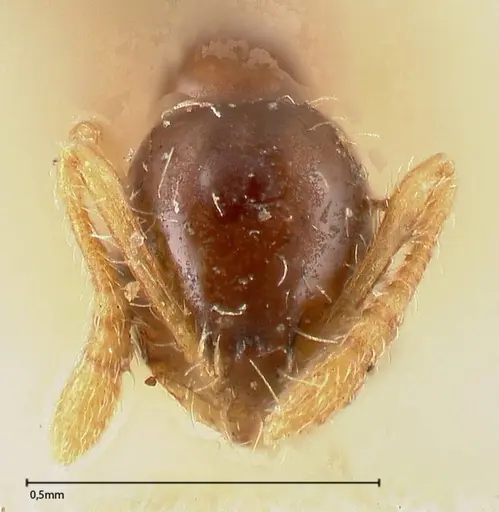
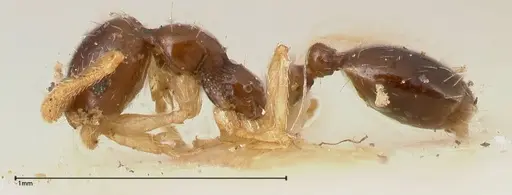
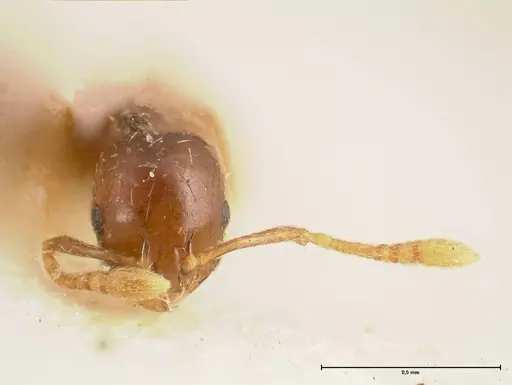
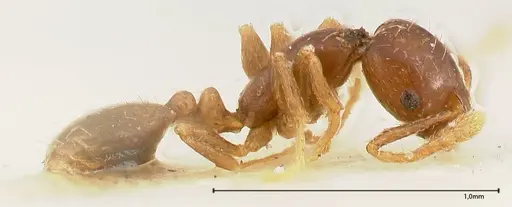
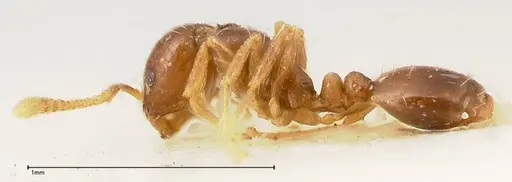
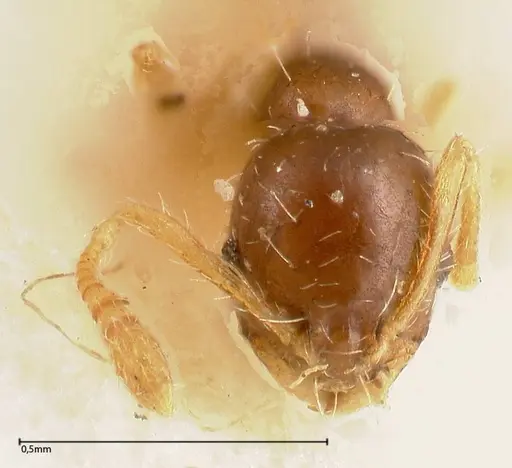
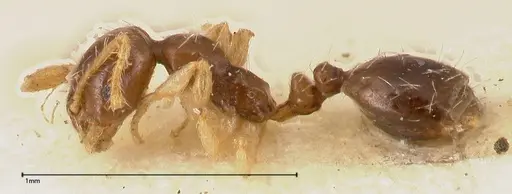
Monomorium strangulatum is a tiny ant species native to Central Africa, found in countries including Gabon, Tanzania, Uganda, the Democratic Republic of Congo, and the Central African Republic. Workers measure just 1.8-2.0mm in length, making them one of the smaller ant species you'll encounter. They have a distinctive appearance with a dark brown body and contrasting yellow appendages, including their legs and antennae. This species belongs to the Monomorium monorium species group and is identified by its 11-segmented antennae, which is unusual within this group where most relatives have 12 segments [1].
In the wild, these ants live in forest floor environments, they've been collected through leaf litter sampling and vegetation beating at elevations ranging from 110m to 640m in Gabon. This suggests they prefer humid, shaded microhabitats typical of tropical African forests. They appear to be ground-nesting or litter-dwelling, though their exact nesting habits in the wild remain poorly documented [2][3].
Quick Summary
- Difficulty: Medium
- Origin & Habitat: Central Africa (Gabon, Tanzania, Uganda, DRC, Central African Republic). Found in mesic (damp) forest environments at elevations from 110-640m. Collected from leaf litter and vegetation, indicating they live in humid, shaded forest floor habitats [2][3][1].
- Colony Type: Colony structure is unconfirmed. No research specifically documents whether this species is monogyne (single queen) or polygyne (multiple queens). Based on typical Monomorium patterns, they likely form small colonies [1].
- Size & Growth:
- Queen: Unknown, queen size has not been documented in available literature
- Worker: 1.8-2.0mm [1]
- Colony: Unknown, no colony size data available. Based on their tiny worker size and forest-litter habitat, likely small colonies of perhaps 50-200 workers
- Growth: Unknown, no development timing data available
- Development: Unknown, no direct measurements. Based on typical Monomorium patterns in tropical species, estimate 4-8 weeks at warm temperatures (Estimate based on genus patterns, not directly studied for this species)
- Antkeeping:
- Temperature: Keep at 24-28°C. They come from tropical African forests where temperatures are warm year-round. A gentle gradient allowing them to move between warmer and cooler areas is ideal [2].
- Humidity: High humidity is essential, they live in forest floor litter where conditions stay damp. Keep the nest substrate consistently moist but not waterlogged. Provide a water tube for drinking access [2][3].
- Diapause: Unknown, no research on seasonal behavior. Being a tropical species, they likely do not require a true hibernation period, but may reduce activity during cooler periods.
- Nesting: Based on their forest-litter collection method, they likely prefer humid nest conditions. A naturalistic setup with moist substrate (like a terrarium-style formicarium) or a well-humidified acrylic/plaster nest works well. They are tiny, so chambers should be appropriately scaled.
- Behavior: These ants are small and likely secretive, typical of forest-litter species. They probably forage slowly and methodically through the substrate rather than making prominent trails. Their tiny size means they can easily slip through small gaps, excellent escape prevention is critical. They have a stinger but given their minute size, it likely cannot penetrate human skin effectively. Handle with care regardless, as they may attempt to sting if handled roughly [1].
- Common Issues: escape prevention is critical, their tiny 2mm size means they can squeeze through the smallest gaps in equipment, high humidity requirements can lead to mold problems if ventilation is inadequate, slow growth and small colony sizes mean beginners may lose patience or miss signs of colony decline, wild-caught colonies may have parasites or health issues that are difficult to detect, lack of documented care information means you're essentially pioneering husbandry for this species
Housing and Nest Setup
Because Monomorium strangulatum is a tiny forest-floor species, you'll want to replicate their natural humid, shaded environment. A naturalistic terrarium-style setup with moist leaf litter, twigs, and other forest floor debris works well, this gives them plenty of micro-habitat to explore and forage through. Alternatively, a well-humidified acrylic or plaster nest with small chambers scaled to their 2mm size can work, though you'll need to ensure the chambers aren't too large or open. Whatever setup you choose, excellent escape prevention is non-negotiable, these ants are tiny enough to slip through gaps you might not even notice. Use tight-fitting lids, consider fluon on container rims, and ensure any tubing connections are secure. A small outworld (foraging area) connected to the nest works well for feeding [2][3].
Feeding and Diet
In the wild, Monomorium species typically feed on small insects, honeydew, and various protein sources. For this tiny species, offer small live prey appropriate to their size, fruit flies, pinhead crickets (cut to appropriate size), small mealworms, or other tiny arthropods. They likely cannot tackle large prey items. Sugar sources like honey water or sugar water can be offered, though acceptance may vary. Given their small size and likely modest foraging range, offer food in small quantities in the outworld and remove any uneaten prey after 24-48 hours to prevent mold. Feed protein roughly twice weekly, with sugar water available constantly, adjust based on colony consumption [1].
Temperature and Humidity Management
Being from tropical Central Africa, these ants need warm, humid conditions. Aim for temperatures in the 24-28°C range, stable warmth is more important than exact precision. You can use a heating cable on one side of the nest to create a gentle gradient, allowing the colony to self-regulate. For humidity, think damp forest floor, the nest substrate should feel consistently moist but never waterlogged. A water tube attached to the nest provides drinking access, which is important for maintaining humidity and hydration. Avoid placing the setup near air conditioning or heating vents that could cause temperature swings or dry out the environment. Poor humidity will likely cause colony decline faster than incorrect temperatures [2].
Colony Establishment and Growth
Since colony structure and founding behavior are unconfirmed for this species, you'll need to approach colony establishment carefully. If you acquire a queen (wild-caught during nuptial flight, which is undocumented), she would likely be claustral like most Monomorium, sealed in a small chamber, living off stored fat until her first workers emerge. However, since we don't have confirmed data, observe your queen closely. Expect slow growth, even with ideal conditions, small colonies of tiny ants develop gradually. First workers (nanitics) will be very small. Don't be alarmed if growth seems slow, this is normal for tiny species. Patience is key. If you obtain a colony with workers, avoid disturbing them too much during the establishment phase [1].
Handling and Temperament
These ants are tiny and relatively fragile. While they have a stinger, it's so small it typically cannot penetrate human skin, you likely won't feel a sting if one occurs. However, always handle gently and avoid squashing them. They are not aggressive and will typically flee rather than engage. Their small size makes them vulnerable to injury from careless handling. When moving nests or containers, go slowly and ensure all connections are secure. The biggest risk from handling is accidentally crushing workers or damaging the queen. They are not suitable for frequent handling or manipulation, set up their habitat properly from the start and minimize disturbances [1].
Frequently Asked Questions
How long does it take for Monomorium strangulatum to go from egg to worker?
This is unconfirmed, no research has documented their development timeline. Based on typical Monomorium patterns for tropical species, estimate roughly 4-8 weeks from egg to first worker at optimal warm temperatures (around 26°C). This is an educated guess, not a measurement [1].
Are Monomorium strangulatum good for beginners?
Probably not ideal for beginners. This species has no documented care information, meaning you're pioneering husbandry. They require high humidity and excellent escape prevention due to their tiny 2mm size. Their slow growth and small colony sizes can also be frustrating. If you're experienced with small Myrmicinae species and enjoy the challenge of establishing care for rarely-kept species, this could be rewarding [1].
What do Monomorium strangulatum eat?
Based on typical Monomorium diet, they likely accept small live prey (fruit flies, tiny crickets, small mealworms), and sugar sources like honey water or sugar water. Feed small live insects appropriate to their tiny size as protein, and keep sugar water available. Remove uneaten food promptly to prevent mold [1].
What temperature do Monomorium strangulatum need?
Keep them warm at 24-28°C. They come from tropical Central African forests where temperatures are warm year-round. A gentle gradient allowing them to move between warmer and cooler areas is ideal. Avoid temperatures below 20°C or above 30°C [2].
How big do Monomorium strangulatum colonies get?
Unknown, no research documents maximum colony size. Based on their tiny 2mm worker size and forest-litter habitat, they likely form relatively small colonies, probably under 200 workers. This is an estimate based on typical patterns for similar species [1].
Can I keep multiple queens together?
Unknown, colony structure (monogyne vs polygyne) has not been documented for this species. Without documented evidence that they can found colonies pleometrotically (multiple queens together), it is not recommended to attempt combining unrelated foundresses. Monitor closely if you attempt this [1].
Do Monomorium strangulatum need hibernation?
Unknown, no research documents seasonal behavior. Being a tropical species from Central Africa, they likely do not require a true hibernation period. They may reduce activity during cooler periods, but a formal diapause is probably not necessary. Keep temperatures stable year-round [2].
Why are my Monomorium strangulatum escaping?
Their tiny 2mm size means they can squeeze through incredibly small gaps. Check all lids, tubing connections, and any seams in your setup. Apply fluon to rims, use fine mesh for ventilation, and ensure any gaps are smaller than 1mm. Even a tiny crack that seems insignificant to you is a wide highway for ants this small [1].
When should I move Monomorium strangulatum to a formicarium?
If starting with a queen in a test tube setup, keep her in the tube until you have a established colony of at least 20-30 workers. For wild-caught colonies, allow them to settle in for several weeks before any transfer. Given their small size and humidity needs, a naturalistic setup with moist substrate often works better than traditional formicariums, consider this before moving them [1].
References

This caresheet is licensed under CC BY-SA 4.0 .
CASENT0408162
View on AntWeb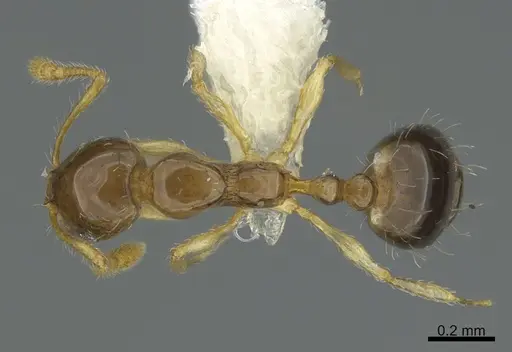
CASENT0913856
View on AntWeb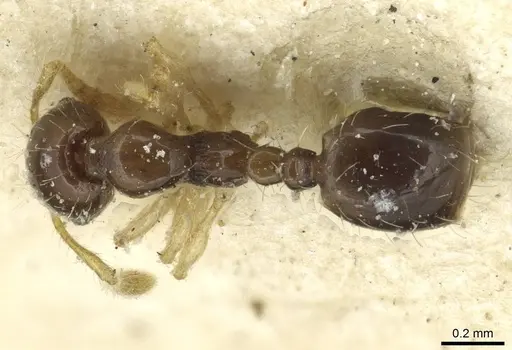
CASENT0914388
View on AntWeb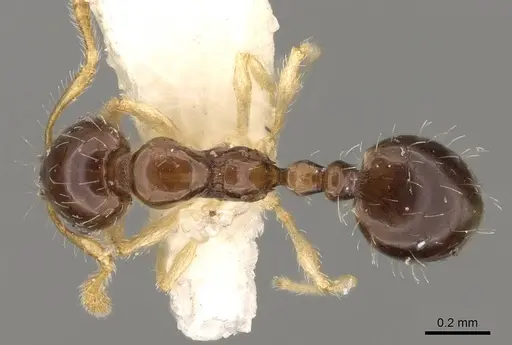
FOCOL0419
View on AntWeb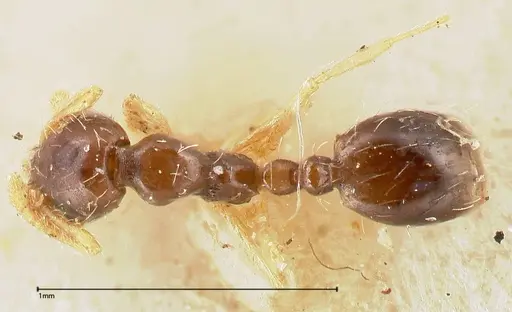
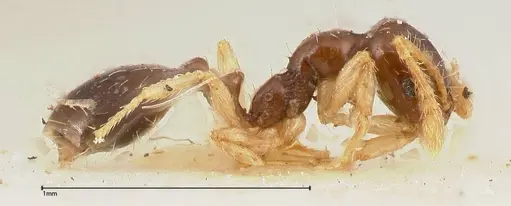
FOCOL0420-1
View on AntWeb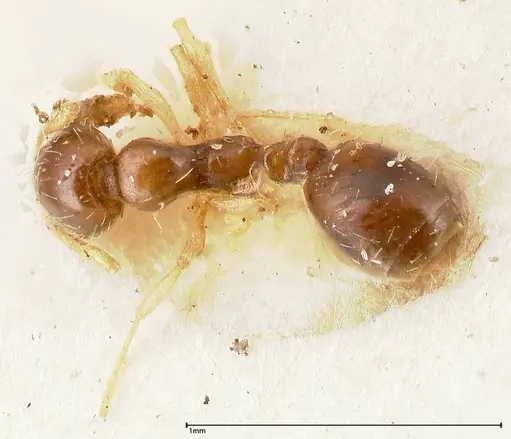
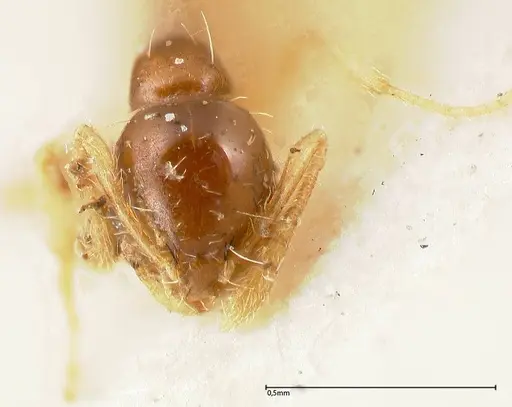
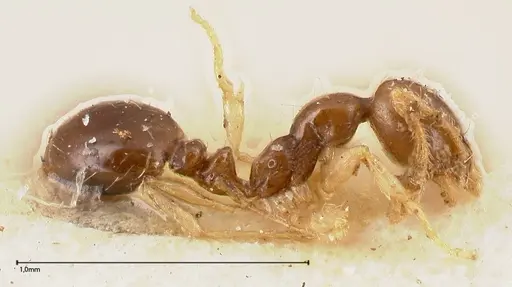
FOCOL0420-2
View on AntWeb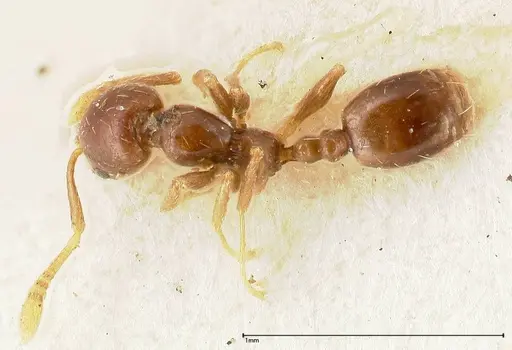
FOCOL0420-3
View on AntWeb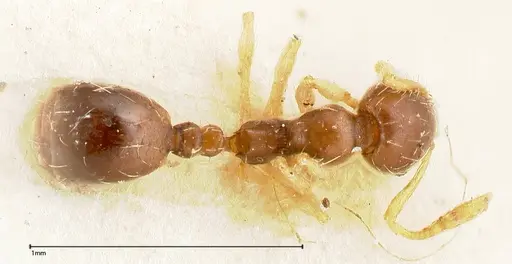
Literature
Loading...Loading products...