

Monomorium spectrum
- Scientific Name
- Monomorium spectrum
- Tribe
- Solenopsidini
- Subfamily
- Myrmicinae
- Author
- Bolton, 1987
- Distribution
- Found in 4 countries
Monomorium spectrum Overview
Monomorium spectrum is an ant species of the genus Monomorium. It is primarily documented in 4 countries , including Cameroon, Gabon, Equatorial Guinea. Detailed taxonomic data and occurrence records can be further explored via authoritative databases such as AntWeb or the Global Biodiversity Information Facility (GBIF).
Monomorium spectrum
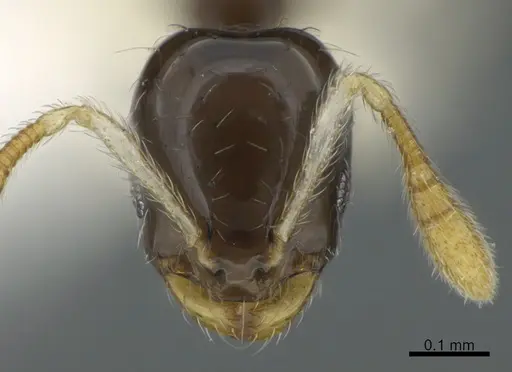
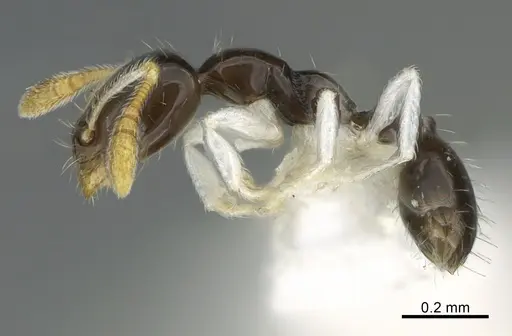
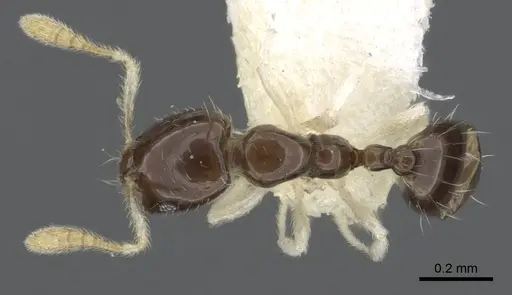
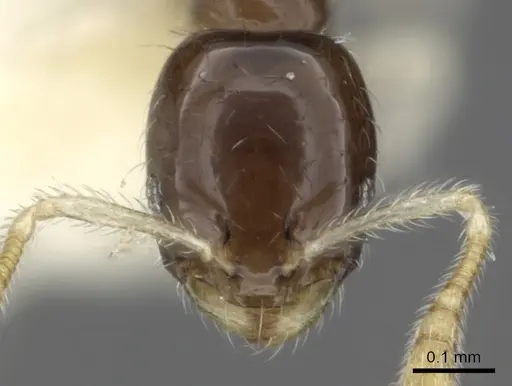
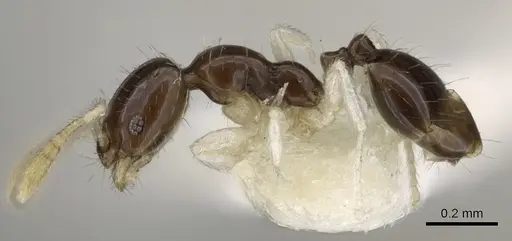
Monomorium spectrum is a tiny ant species native to the Afrotropical region, found in Gabon and Kenya. Workers measure a mere 1.2-1.3mm, making them one of the smaller ant species you'll encounter. The species is instantly recognizable by its striking color contrast: a uniform rich dark brown body paired with extremely pale, almost bone-white legs that stand out dramatically against the dark thorax and abdomen [1]. This species belongs to the Monomorium monorium species group, specifically the boerorum complex, and was described by Bolton in 1987 [1].
What makes M. spectrum particularly interesting is its extreme rarity in both the wild and in antkeeping circles. It has been collected from mesic (damp) forest habitats in Gabon at elevations ranging from 110m to 640m, suggesting it prefers shaded, humid forest floor environments [2]. The combination of its tiny size, distinctive coloring, and limited distribution makes it a truly unique species for advanced antkeepers willing to invest in creating specialized care conditions.
Quick Summary
- Difficulty: Expert
- Origin & Habitat: Gabon and Kenya in Afrotropical region. Found in mesic (damp) forest habitats at elevations of 110-640m in southwestern Gabon [2][1].
- Colony Type: Colony structure is unconfirmed. No data available on queen number or colony organization.
- Size & Growth:
- Queen: Unknown, queen has not been described in scientific literature
- Worker: 1.2-1.3mm [1]
- Colony: Unknown, no colony size data available
- Growth: Unknown
- Development: Unknown, no development data available for this species (Development timeline has not been studied. Related Monomorium species typically develop in 4-8 weeks at warm temperatures, but this is an estimate only.)
- Antkeeping:
- Temperature: Aim for 22-26°C. This recommendation is inferred from mesic forest habitat preferences, they likely prefer moderate, stable temperatures with some warmth. Use a heating cable on one side of the nest to create a gentle gradient.
- Humidity: Keep substrate consistently moist but not waterlogged. Mesic forest habitat suggests they need higher humidity, aim for 60-80% relative humidity. Mist occasionally and provide a water tube, but ensure ventilation to prevent mold.
- Diapause: Unknown, no data on overwintering requirements. Given the tropical distribution, they likely do not require a true hibernation period but may slow down during cooler seasons.
- Nesting: No specific captive nesting data exists. Based on habitat and tiny size, they likely prefer tight, humid chambers. A small test tube setup or Y-tong nest with narrow passages would work well. Keep the nest material moist.
- Behavior: This species is poorly documented in captivity. Based on genus patterns, they are likely generalist foragers that scavenge and hunt small prey. Their tiny size (1.2mm workers) means they are extremely good at escaping, escape prevention must be excellent. Use fine mesh barriers and tight-fitting lids. Aggression levels are unknown but likely low given their size. They probably form small colonies.
- Common Issues: tiny size makes escape likely, use fine mesh and excellent barrier methods, no captive husbandry information exists, this is an experimental species, humidity balance is critical, too wet causes mold, too dry kills them, slow or unknown growth means patience is required, no established feeding protocols, start with small live prey and sugar water
Housing and Enclosure
Because workers are only 1.2-1.3mm, this species requires excellent escape prevention. Use test tubes with tight-fitting cotton plugs or small formicarium setups with chambers scaled to their tiny size. A small Y-tong nest or acrylic formicarium with narrow tunnels works well. The nest area should be humid but not stagnant, use adequate ventilation while maintaining moisture. A water tube connected to the nest helps maintain humidity. For the outworld, keep it simple, a small container with a barrier of fluon or talc around the edges. The key is preventing escapes through any gaps, as these tiny ants can squeeze through remarkably small openings.
Feeding and Diet
No specific feeding data exists for this species, but Monomorium ants are typically generalist feeders. Based on genus patterns, they likely accept small live prey (fruit flies, pinhead crickets, springtails), honeydew or sugar water, and small insect parts. Start by offering sugar water or honey diluted with water, along with small live prey like fruit flies or micro-arthropods. Remove uneaten food promptly to prevent mold. Given their tiny size, prey items should be appropriately scaled, very small insects or pieces thereof. Monitor for acceptance and adjust offerings accordingly.
Temperature and Humidity
Based on their mesic forest habitat in Gabon, aim for temperatures in the 22-26°C range. Use a heating cable on one side of the nest to create a gentle temperature gradient, allowing ants to self-regulate. For humidity, keep the nest substrate moist, the substrate should feel damp to the touch but not have standing water. A humidity range of 60-80% is appropriate. Use a water tube or occasional misting to maintain moisture, but ensure adequate ventilation to prevent mold growth. The combination of warmth and humidity is critical for brood development if the colony reproduces. [2]
Colony Establishment
Since this species has never been documented in the antkeeping hobby, establishing a colony will require experimentation. If you obtain a queen, she should be housed in a small, humid test tube setup. The founding chamber should be dark and undisturbed. Do not expect rapid growth, even if she produces workers, the colony will likely remain small. Monitor for signs of stress (workers dying, inactivity, refusal to eat) and adjust conditions gradually. This is an expert-level species precisely because there is no established husbandry protocol, you are essentially pioneering captive care for this species.
Behavior and Temperament
The behavior of M. spectrum is poorly documented. Based on related species in the genus, they are likely relatively peaceful and not aggressive. Workers probably forage individually or in small groups, scavenging for small prey and honeydew. Their tiny size means they are vulnerable and likely avoid confrontation with larger ants. In captivity, observe their activity patterns, active foraging suggests good conditions, while workers clustering in the nest may indicate stress or unfavorable conditions. They are not known to sting and present no danger to keepers.
Frequently Asked Questions
How long does it take for Monomorium spectrum to produce first workers?
The egg-to-worker development timeline is unknown, this species has not been studied in captivity. Based on related Monomorium species, expect roughly 4-8 weeks at warm temperatures (24-26°C), but this is purely an estimate.
What do Monomorium spectrum ants eat?
No specific feeding data exists. Based on genus patterns, they likely accept small live prey (fruit flies, micro-arthropods), sugar water or honey, and small insect parts. Start with sugar water and small live prey, adjusting based on acceptance.
Are Monomorium spectrum ants good for beginners?
No. This is an expert-level species because there is no established captive husbandry information. The queen has never been described, colony structure is unknown, and no one has documented successful captive breeding. This is a species for advanced keepers who want to pioneer captive care.
Do Monomorium spectrum ants need hibernation?
Unknown. Given their tropical distribution in Gabon and Kenya, they likely do not require a true hibernation period. However, they may slow down during cooler seasons. Monitor colony activity and adjust temperature accordingly.
How big do Monomorium spectrum colonies get?
Colony size is unknown. No scientific papers document colony size for this species. Based on their tiny worker size and related species, colonies are likely small, probably under 100 workers at maturity.
What temperature should I keep Monomorium spectrum at?
Aim for 22-26°C based on their mesic forest habitat. Use a heating cable on one side of the nest to create a gradient. This is an inference from habitat data, not direct experimental evidence.
Can I keep multiple Monomorium spectrum queens together?
Unknown. No data exists on colony structure or queen behavior. Do not attempt combining unrelated queens, there is no information on whether this species accepts pleometrosis (multiple queen founding) or will fight.
Why are my Monomorium spectrum dying?
Without established husbandry protocols, mortality is expected. Common causes likely include: incorrect humidity (too dry or too wet), temperature stress, escape and starvation, or stress from disturbance. This species requires careful balance of conditions that are not yet well understood.
What makes Monomorium spectrum different from other Monomorium?
Their striking color pattern sets them apart, dark brown body with extremely pale, almost white legs creates a dramatic contrast. They are also one of the smallest Monomorium species at only 1.2-1.3mm workers. Additionally, they are extremely rare in both the wild and in captivity.
References

This caresheet is licensed under CC BY-SA 4.0 .
CASENT0887959
View on AntWeb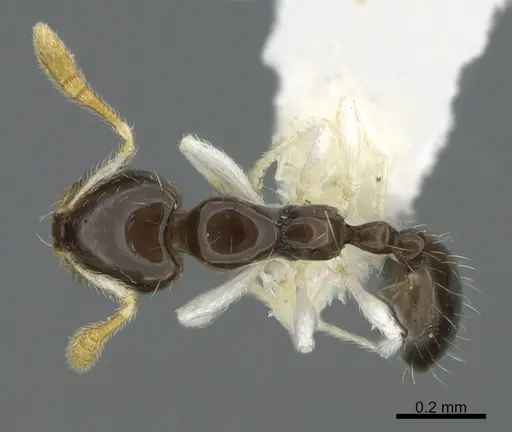
CASENT0902268
View on AntWeb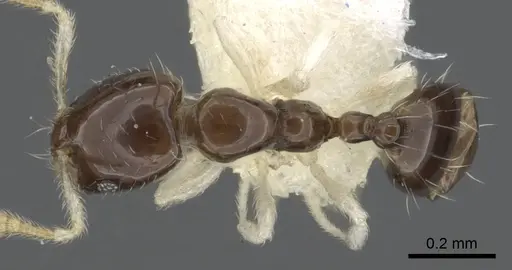
Literature
Loading...Loading products...