

Monomorium sordidum
- Scientific Name
- Monomorium sordidum
- Tribe
- Solenopsidini
- Subfamily
- Myrmicinae
- Author
- Forel, 1902
- Distribution
- Found in 1 countries
Monomorium sordidum Overview
Monomorium sordidum is an ant species of the genus Monomorium. It is primarily documented in 1 countries , including Australia. Detailed taxonomic data and occurrence records can be further explored via authoritative databases such as AntWeb or the Global Biodiversity Information Facility (GBIF).
Monomorium sordidum
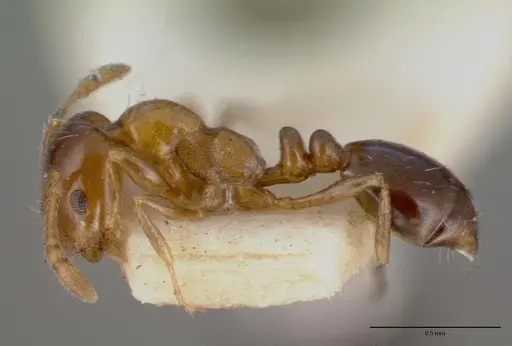
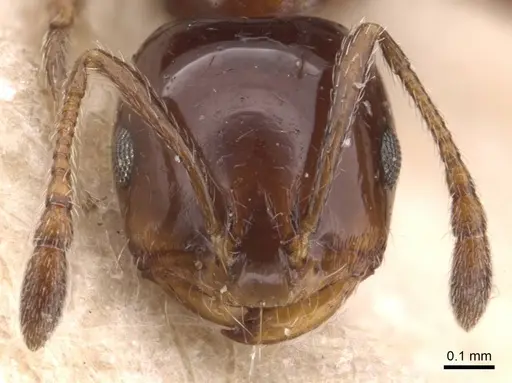
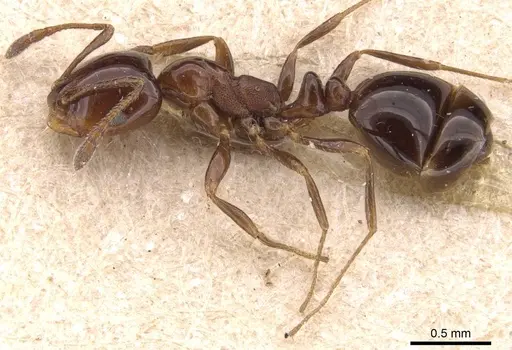
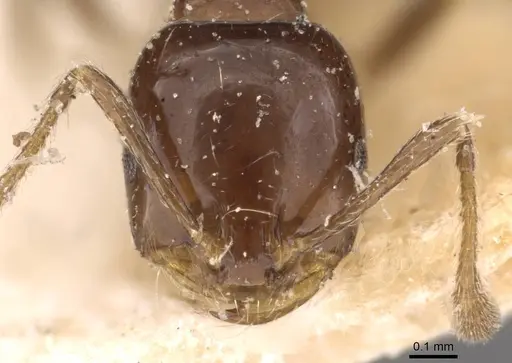
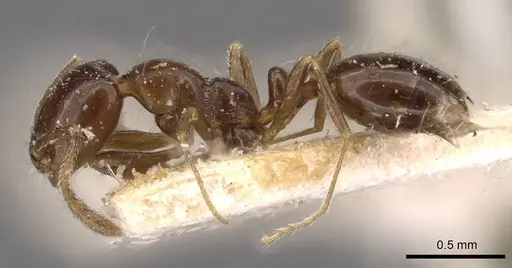
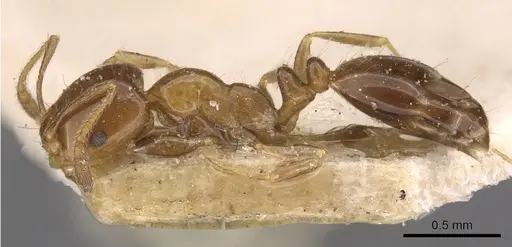
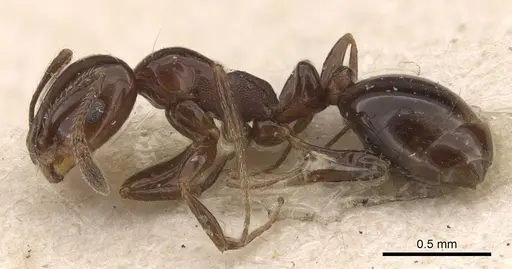
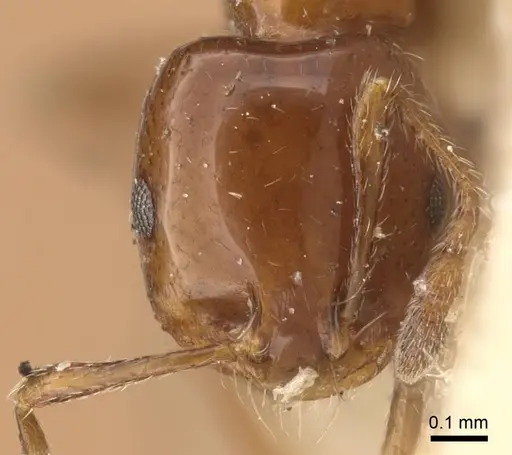
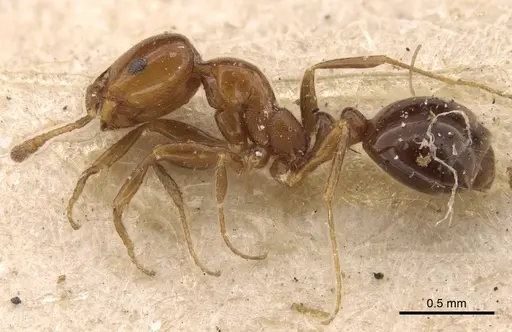
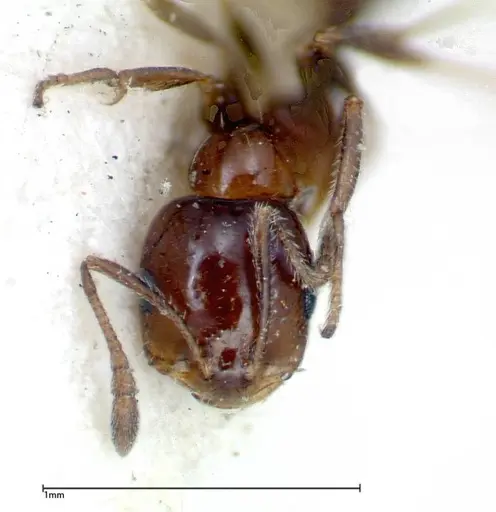
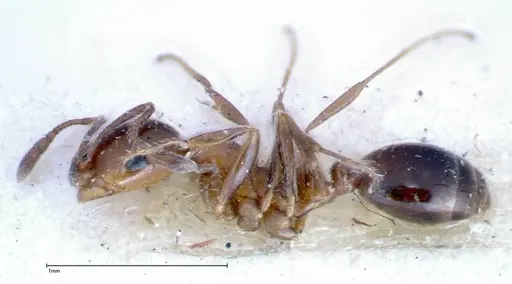
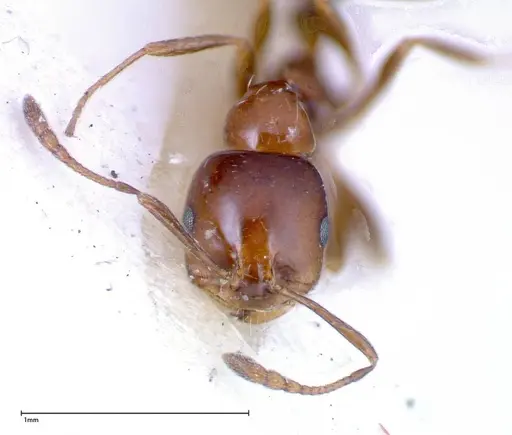
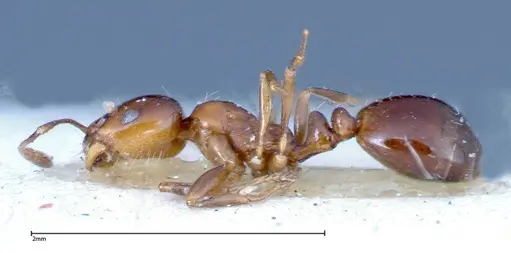
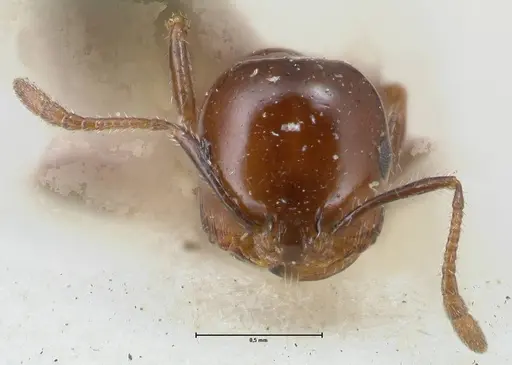
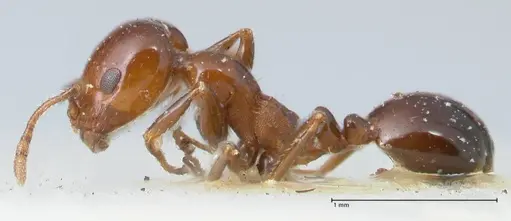
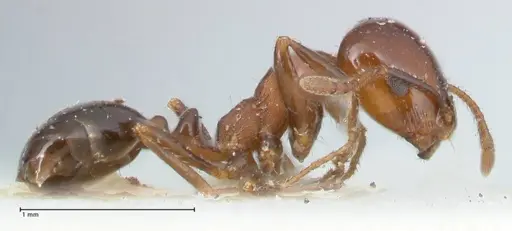
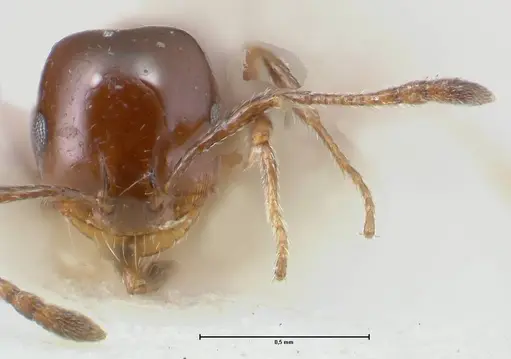
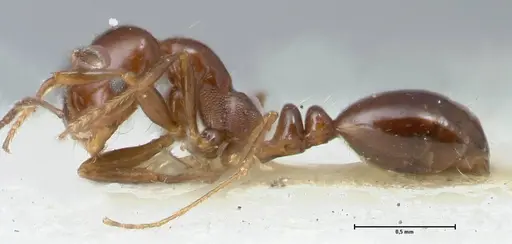
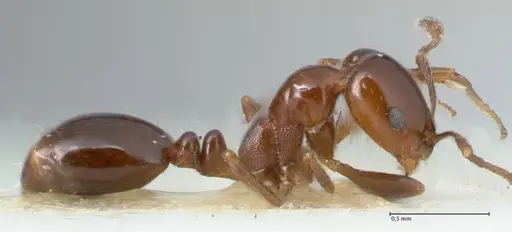
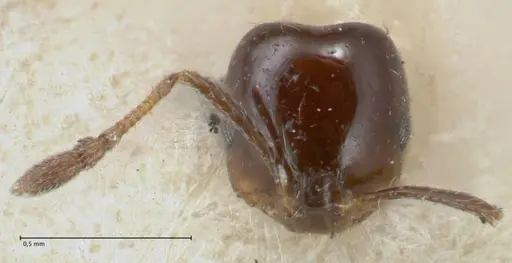
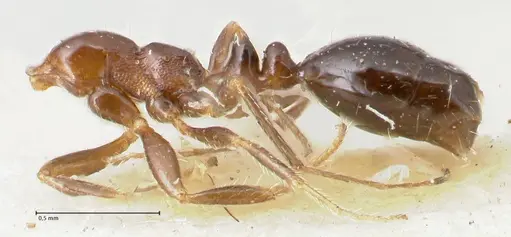
Monomorium sordidum is a small, light-brown ant that is possibly the most abundant ant species across Australia. Workers measure 1.25-1.75mm and have a relatively thin exoskeleton with only faint sculpturing on the propodeum. The species shows some color variation across its range, some populations have a darker head and gaster contrasting with a lighter alitrunk, while others are more uniformly brown. Queens are brachypterous (have short, non-functional wings) and measure 2.72-3.93mm. This ant is part of the M. rothsteini species complex and shares many morphological features with that group, including 12-segmented antennae and reduced mandibular teeth. Despite its abundance in the wild, the biology of this species has never been formally studied, so many aspects of its captive care remain uncertain [1][2][3].
Quick Summary
- Difficulty: Easy
- Origin & Habitat: Australia, found in all habitats from desert to tropical rainforest, from remote wilderness to suburban backyards in capital cities [1]
- Colony Type: Colony structure is unconfirmed, biology has not been studied. Brachypterous (short-winged) queens are common, which may indicate colony reproduction strategies differ from typical ants [1][4]
- Size & Growth:
- Queen: 2.72-3.93mm [1]
- Worker: 1.25-1.75mm [1]
- Colony: Unknown, no colony size data exists in scientific literature
- Growth: Unknown, growth rate has not been studied
- Development: Estimated 6-8 weeks based on typical Monomorium development patterns (Direct development data does not exist for this species. Estimates based on genus-level patterns for small Myrmicinae ants.)
- Antkeeping:
- Temperature: Aim for 22-28°C, this species is found across Australia's diverse climate from tropical to temperate zones, so room temperature within this range should suit them. Provide a gentle thermal gradient if possible
- Humidity: Tolerates wide range from dry desert to humid rainforest, keep nest substrate moderately moist with some variation available. A test tube water reservoir works well
- Diapause: Unknown, Australian distribution spans tropical to temperate regions. Some populations likely experience cooler winter periods. Consider a brief cool period (4-6 weeks at 15-18°C) if colony shows reduced activity in winter
- Nesting: Highly adaptable, in nature they nest in soil, under stones, and in rotting wood across all habitat types. A test tube setup works for founding colonies, Y-tong or plaster nests suit established colonies. They do not require elaborate setups [1]
- Behavior: This is a small, active ant that forages widely, a true generalist that likely collects nectar, honeydew, and small insects. Workers are not particularly aggressive and pose no threat to humans. Their small size (under 2mm) means escape prevention is critical, use fine mesh and tight-fitting barriers. They are fast-moving and will explore their outworld thoroughly. As a generalist, they should accept a wide variety of foods [1]
- Common Issues: small size makes escape likely without fine mesh barriers, no scientific data exists so care is based on genus-level inference, slow founding, claustral queens may take weeks to lay first eggs, brachypterous queens may have different reproduction biology than fully winged queens, wild colonies may carry parasites that affect captive survival
Appearance and Identification
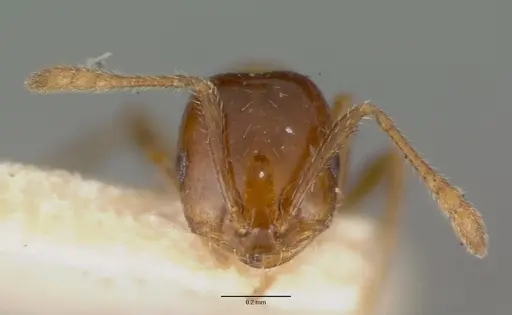
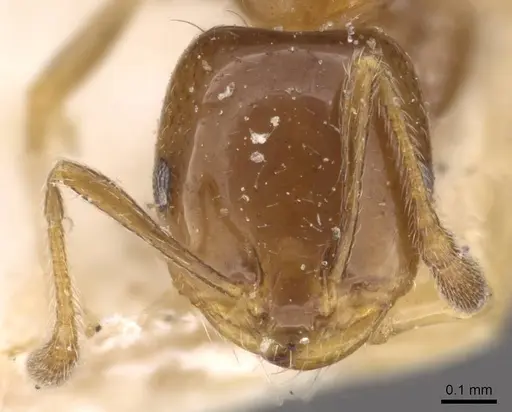
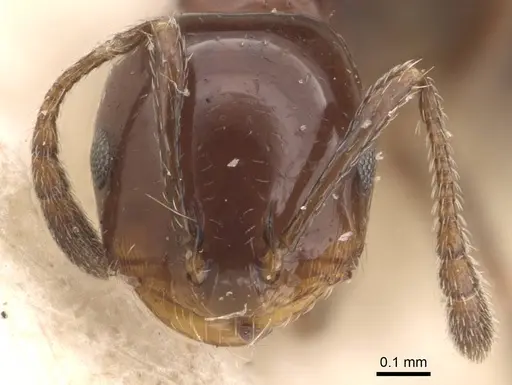
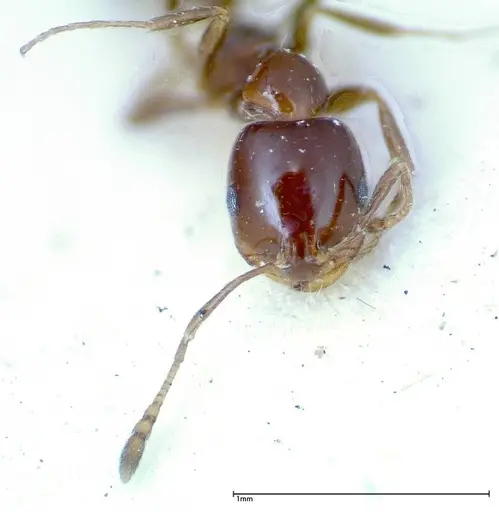
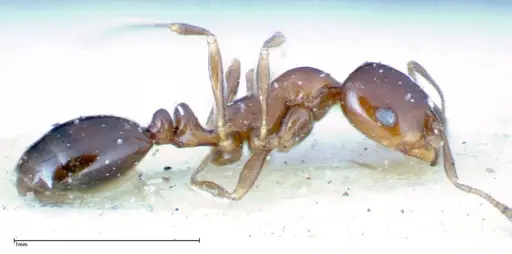
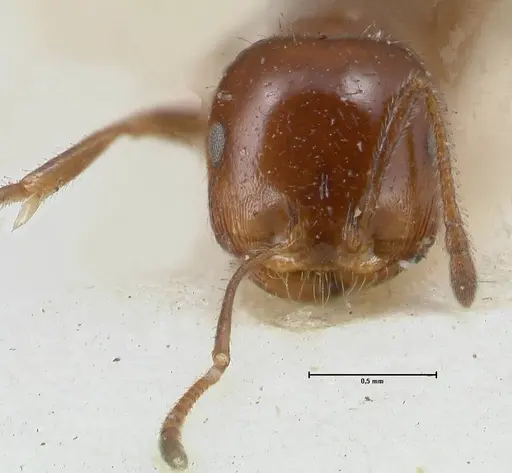
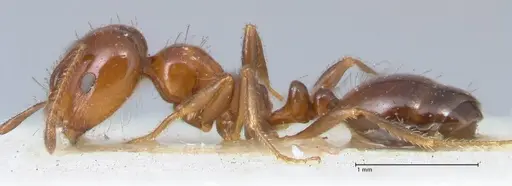
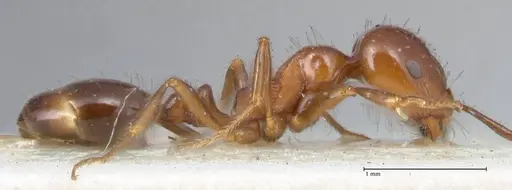
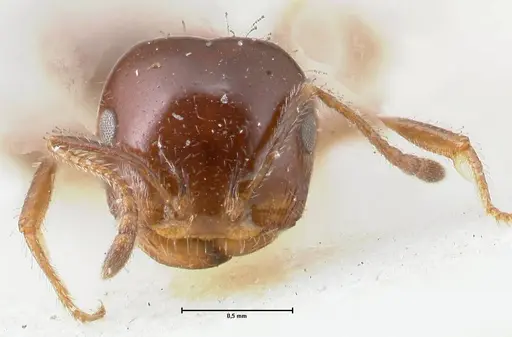
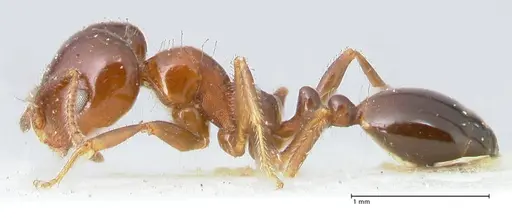
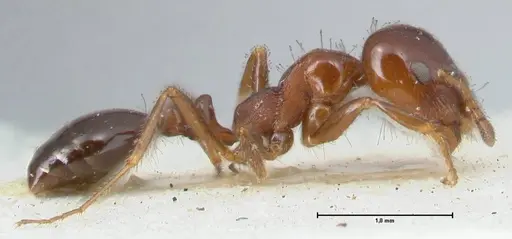
Monomorium sordidum workers are small ants measuring 1.25-1.75mm in total length. They have a lightly sclerotised (thin) exoskeleton and are typically a uniform light brown color. The head and gaster may be slightly darker than the alitrunk in some color morphs. A key identifying feature is the reduced fourth mandibular tooth, it appears as a tiny bump rather than a full tooth, while the other three teeth are prominent. They have 12-segmented antennae with a three-segmented club. Queens are larger at 2.72-3.93mm and are brachypterous, meaning they have short, non-functional wings. This is unusual among ants and may affect how colonies reproduce in captivity [1][2].
Natural History and Distribution
This species is possibly the most abundant ant in Australia, found in every habitat type from arid desert to tropical rainforest. They occur in the remotest wilderness areas and right in suburban backyards of major cities. Despite their abundance, the biology has never been formally studied, researchers avoided this species due to taxonomic confusion with other small Monomorium ants. The species has accumulated several synonyms over the years (Monomorium sordidum, M. micron, M. rothsteini squamigena, M. rothsteini tostum, M. sordidum nigriventris) all of which are now considered the same species. As a generalist, they likely have a varied diet including nectar, honeydew, and small insects [1]
Feeding and Diet
As a presumed generalist with catholic tastes (broad diet), Monomorium sordidum should accept a wide variety of foods. Offer sugar water or honey as an energy source, and protein such as small insects (fruit flies, pinhead crickets, mealworms cut into pieces). Their small size means prey items should be appropriately sized, very small insects or pre-killed pieces work best. They likely forage for honeydew in nature, so sugar sources are important. Feed every 2-3 days and remove uneaten food to prevent mold. Since their exact dietary preferences have not been studied, observe what your colony accepts best and adjust accordingly [1]
Housing and Nest Setup
For founding colonies, a simple test tube setup works well, fill with water, plug with cotton, and place the queen in a dark area. The small size of these ants (workers under 2mm) means they can escape through tiny gaps, so use fine mesh on any ventilation and ensure all connections are tight. Once the colony reaches 20-30 workers, you can move them to a small formicarium or Y-tong nest. They are not picky about nesting materials, plaster, acrylic, or natural setups all work. Provide an outworld for foraging with a sugar water station and protein prey. Keep the nest area humid but not wet, with a water tube for drinking
Temperature and Seasonal Care
Monomorium sordidum occurs across Australia's full climate range, from tropical north to temperate south. This suggests they can tolerate a wide temperature range. Aim for 22-28°C as a starting point, this covers typical room temperature in most homes. A gentle thermal gradient allows ants to choose their preferred temperature. If your colony becomes less active in winter months, consider providing a brief cool period (4-6 weeks at 15-18°C) similar to natural seasonal changes they may experience in southern parts of their range. Do not let temperatures drop below 15°C for extended periods
Behavior and Temperament
These are small, active foragers that explore their environment thoroughly. They are not aggressive toward humans and do not sting significantly, their stingers are too small to penetrate human skin effectively. Workers move quickly and will establish foraging trails to food sources. The species is highly adaptable in the wild, which suggests flexibility in captivity as well. Their small size is their main concern for antkeepers, they can squeeze through gaps that seem impossible, so excellent escape prevention is essential. Use fluon barriers and fine mesh (at least 0.5mm) on all openings [1]
Frequently Asked Questions
How long does it take for Monomorium sordidum to produce first workers?
This is unknown as the species has never been scientifically studied. Based on typical Monomorium genus patterns, expect 6-8 weeks from egg to worker at warm temperatures (around 25°C). Be patient, claustral founding queens may take several weeks to lay their first eggs
What do Monomorium sordidum ants eat?
They are generalists. Offer sugar water or honey for energy, and small protein sources like fruit flies, pinhead crickets, or chopped mealworms. Their small size means prey should be appropriately sized. Remove uneaten food after 24 hours to prevent mold [1]
Can I keep multiple queens together?
Not documented. The colony structure of this species has never been studied, so we do not know if they are single-queen or multi-queen colonies. It is not recommended to combine unrelated foundress queens as this has not been documented for this species
Are Monomorium sordidum good for beginners?
Yes, they are considered easy to keep due to their adaptability. However, their small size requires excellent escape prevention. The main challenge is that their biology has never been studied, so care is based on genus-level inference rather than species-specific research [1]
What temperature do Monomorium sordidum need?
Aim for 22-28°C. They occur across Australia's full climate range, so room temperature within this range should work well. A gentle thermal gradient allows your ants to self-regulate. Avoid temperatures below 15°C for extended periods
How big do Monomorium sordidum colonies get?
Unknown, no colony size data exists in scientific literature. As one of the most abundant ants in Australia, colonies likely reach several hundred workers in the wild. In captivity, expect moderate growth over time
Do Monomorium sordidum need hibernation?
Unknown. Their Australian range spans tropical to temperate regions, so some populations may experience seasonal changes. If your colony slows down in winter, a brief cool period (4-6 weeks at 15-18°C) may be beneficial but is not required
Why are my Monomorium sordidum escaping?
Their small size (workers under 2mm) means they can squeeze through tiny gaps. Use fine mesh (0.5mm or smaller) on all ventilation, apply fluon barriers to smooth surfaces, and check all connections regularly. Inspect test tube setups for gaps around cotton plugs
When should I move my colony to a formicarium?
Move from test tube to a small formicarium or Y-tong nest once the colony reaches 20-30 workers and the test tube shows signs of mold or drying. Ensure the new nest has appropriate humidity and a connected outworld for foraging
References

This caresheet is licensed under CC BY-SA 4.0 .
CASENT0008624
View on AntWeb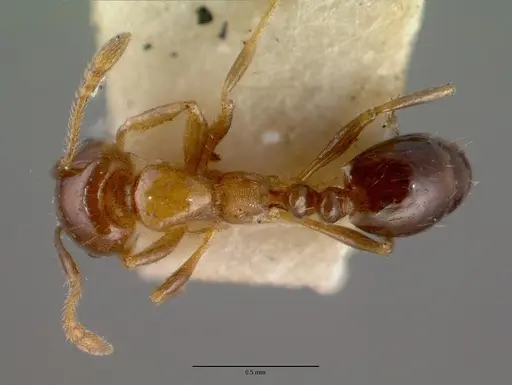
CASENT0905835
View on AntWeb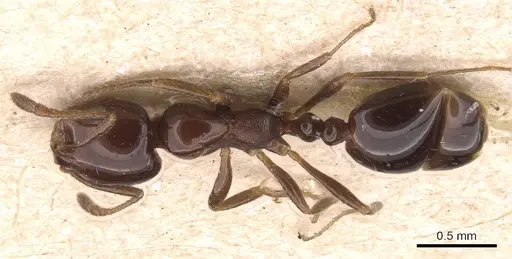
CASENT0908685
View on AntWeb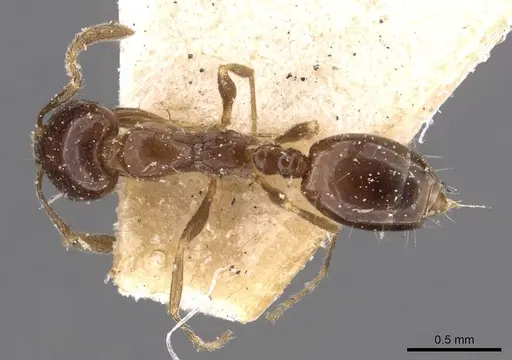
CASENT0908686
View on AntWeb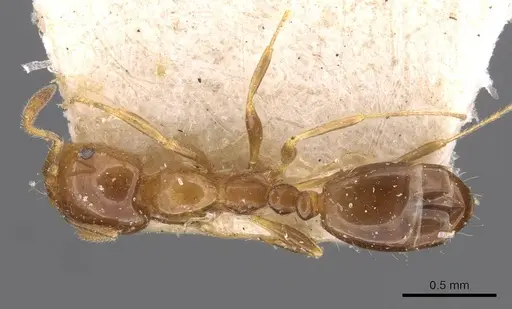
CASENT0908758
View on AntWeb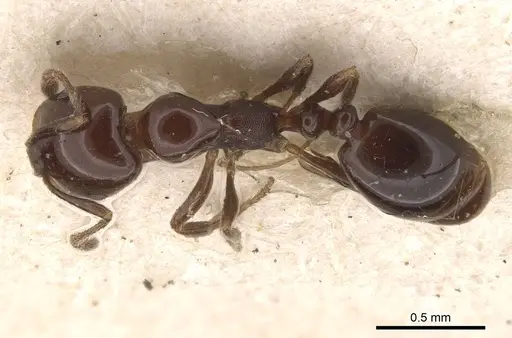
CASENT0916997
View on AntWeb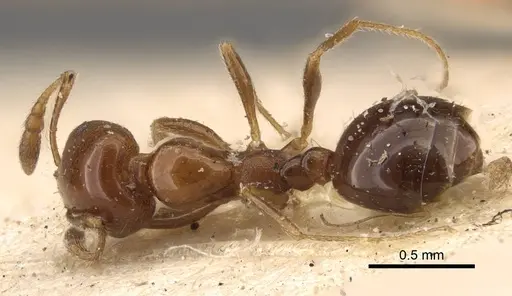
FOCOL0302
View on AntWeb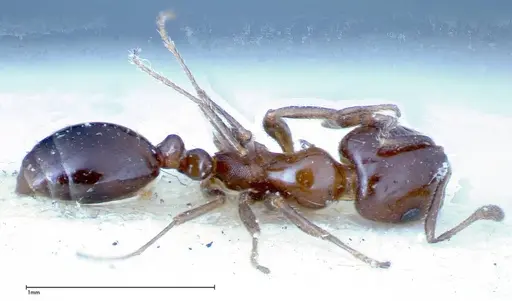
FOCOL0303
View on AntWeb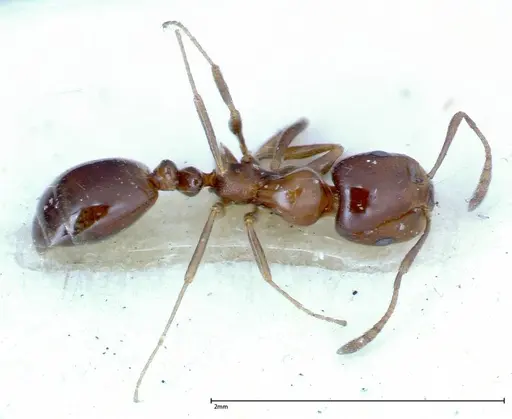
FOCOL0304
View on AntWeb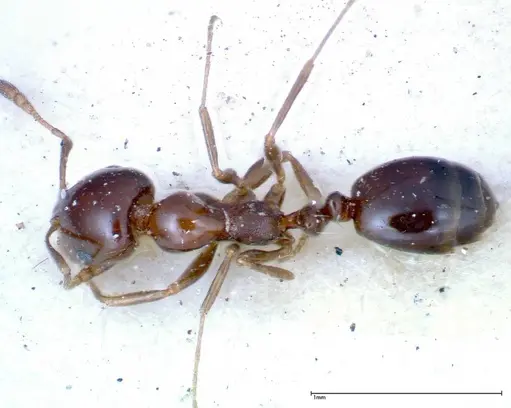
FOCOL1702
View on AntWeb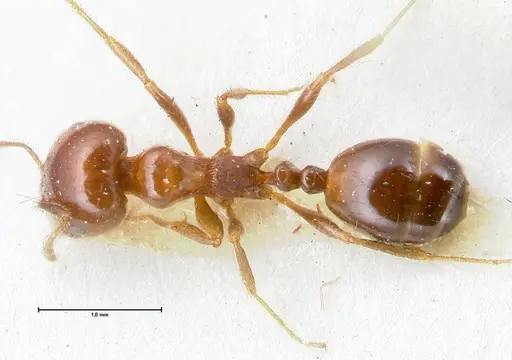
FOCOL1703
View on AntWeb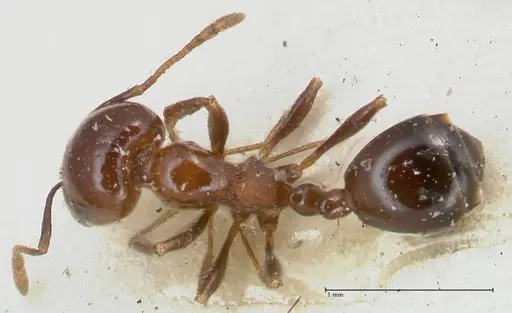
FOCOL1704
View on AntWeb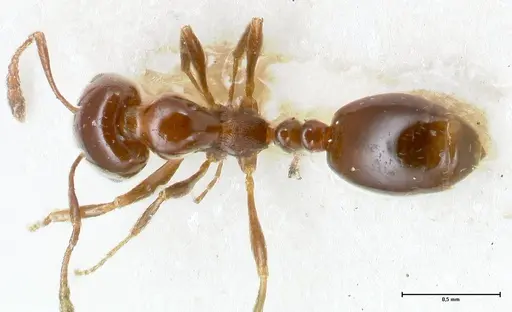
FOCOL1705
View on AntWeb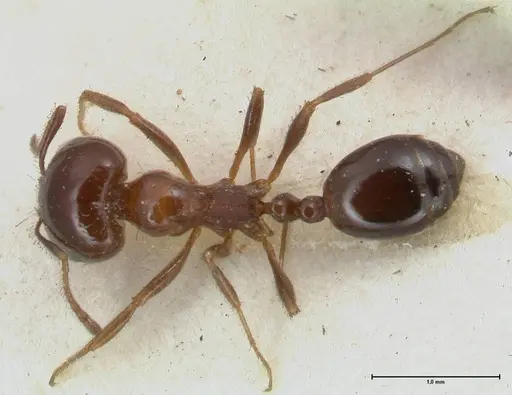
FOCOL1706
View on AntWeb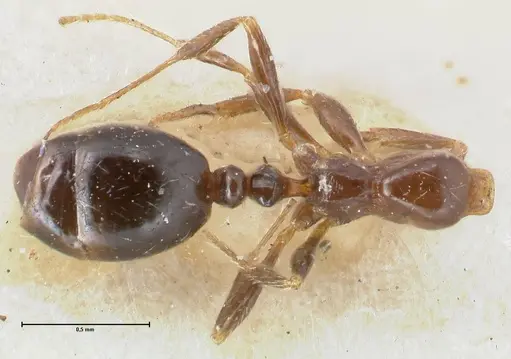
Literature
Loading...Loading products...