

Monomorium silaceum
- Scientific Name
- Monomorium silaceum
- Tribe
- Solenopsidini
- Subfamily
- Myrmicinae
- Author
- Heterick, 2001
- Distribution
- Found in 1 countries
Monomorium silaceum Overview
Monomorium silaceum is an ant species of the genus Monomorium. It is primarily documented in 1 countries , including Australia. Detailed taxonomic data and occurrence records can be further explored via authoritative databases such as AntWeb or the Global Biodiversity Information Facility (GBIF).
Monomorium silaceum
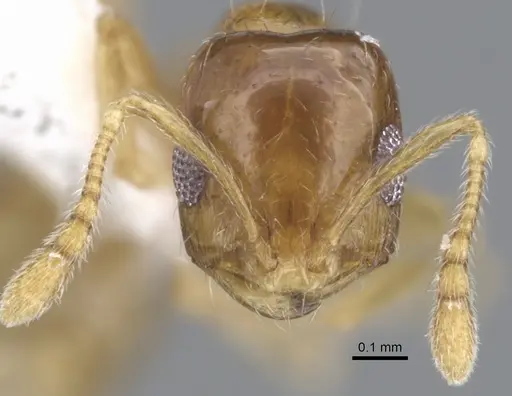
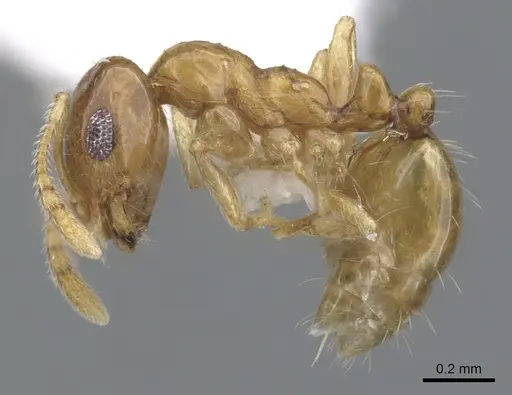
Monomorium silaceum is a small yellow ant species native to Australia, found primarily in the northern half of the mainland. Workers are yellow with a notably broad head capsule and very large eyes, these features help distinguish them from similar species. The name 'silaceum' comes from Latin meaning 'the color of yellow ochre', referring to their distinctive yellow coloration. Workers measure around 1.34-1.62mm in total length, making them a tiny species typical of the genus. This ant is known only from workers collected in the wild, queens and males have not yet been described, which limits what we know about their colony structure and reproduction. Populations are concentrated in Queensland and Western Australia, with some regional variation in coloration and sculpturing between areas.
Quick Summary
- Difficulty: Medium
- Origin & Habitat: Australia (northern half of mainland, Queensland and Western Australia). Found in drier regions, with some populations in the Pilbara and northern areas showing different coloration (brown-headed variants) compared to typical yellow forms [1].
- Colony Type: Unknown, only workers have been collected, so colony structure (single-queen or multi-queen) has not been determined. Related Australian Monomorium species are typically single-queen colonies.
- Size & Growth:
- Queen: Not described, queens have not been documented in scientific literature
- Worker: 1.34-1.62mm total length, head 0.51-0.58mm, width 0.44-0.57mm [1]
- Colony: Unknown, no colony size data available
- Growth: Unknown, no development data exists for this species
- Development: Unconfirmed, no direct observations of colony development exist. Based on typical Monomorium patterns, expect 4-8 weeks at warm temperatures. (Development timeline is unconfirmed since only workers have been collected. Related Australian Monomorium species typically develop from egg to worker in 4-8 weeks at optimal temperatures.)
- Antkeeping:
- Temperature: Keep at warm room temperature, roughly 22-28°C. Australian ants from drier regions typically tolerate a range of temperatures. Provide a gentle heat gradient so ants can choose their preferred spot.
- Humidity: Moderate, these ants come from drier Australian regions. Keep nest substrate moderately moist but allow some drying between waterings. Avoid overly damp conditions.
- Diapause: Unknown for this specific species. Many Australian ants reduce activity in cooler months but may not require true hibernation. Keep at slightly reduced temperatures (15-18°C) for 2-3 months during winter if colony shows reduced activity.
- Nesting: Use a small nest scaled to their tiny size, test tubes with cotton plugs, small Y-tong nests, or plaster nests work well. They likely prefer干燥 conditions with access to moisture. Provide narrow chambers and passages appropriate for their 1.5mm size.
- Behavior: These are tiny, yellow ants with large eyes, likely fast-moving and alert. Related Monomorium species are generally non-aggressive but can be defensive when threatened. Their small size means escape prevention is critical, they can squeeze through very small gaps. Use fine mesh barriers and tight-fitting lids. They likely forage actively and may form exploration trails.
- Common Issues: escape prevention is critical due to their very small size, use fine mesh and seal all gaps, no established care guidelines exist since only workers have been described, be prepared to experiment, unknown if they accept sugar sources, start with protein foods and observe acceptance, drier habitat preferences mean avoid over-humid conditions that could kill them, limited availability, this species is not commonly kept or available in the ant hobby
Species Identification and Appearance
Monomorium silaceum is a distinctive little ant with several identifying features. Workers are yellow (the species name literally means 'yellow ochre' in Latin) and have an unusually broad head capsule compared to other Monomorium species. Their most striking feature is their very large eyes, the eye width is greater than 1.5 times the greatest width of the antennal scape. The propodeum (the section behind the waist) is rather cuboidal and sculptured with a large spiracle. Some populations, particularly in Western Australia's Pilbara region, show variation with brown head capsules and smoother body sculpturing. These ants are tiny, workers measure only 1.34-1.62mm in total length, making them one of the smaller ant species you'll encounter. Only workers have been scientifically described, queens and males remain unknown. [1]
Natural Distribution and Habitat
This species is endemic to Australia, found primarily in the northern half of the mainland. Known populations occur in Queensland (including areas like Cloncurry and Millungera Station) and Western Australia (including Kellerberrin and Mt Whaleback in the Pilbara region). They inhabit drier regions, which influences their care requirements. Some regional variation exists, ants from certain areas of the Pilbara and northeastern Western Australia have brown head capsules and smoother body sculpturing compared to the typical broad-headed, punctate yellow form found elsewhere. This adaptation to drier conditions suggests they prefer nest sites that are not overly humid. [1]
Housing and Nest Setup
Because these ants are tiny (around 1.5mm), housing them requires attention to scale. Test tube setups work well for founding colonies, use small diameter tubes with cotton plugs for the water reservoir. For established colonies, Y-tong style nests or small plaster nests with narrow chambers suit their size. The nest material should allow for some moisture control but should not stay constantly wet. Given their origin in drier Australian regions, provide moderate humidity with periods of partial drying. A small outworld area allows for foraging, use smooth surfaces they cannot climb (like glass or plastic) to contain them. Escape prevention is critical due to their tiny size, fine mesh (at least 0.5mm or smaller) on any ventilation holes is essential.
Feeding and Nutrition
Monomorium ants are typically omnivorous, feeding on small insects, honeydew, and nectar. Start by offering small protein sources like fruit flies, pinhead crickets, or small mealworms. Since these ants are so tiny, their prey items must be appropriately sized, springtails or other micro-arthropods may be more suitable initially. Sugar sources like honey water or sugar water can be offered, but acceptance varies. Observe your colony's preferences and adjust accordingly. Feed small amounts every few days, removing any uneaten prey after 24 hours to prevent mold. Fresh water should always be available.
Temperature and Seasonal Care
Keep these ants at warm room temperature, roughly 22-28°C. Australian ants from drier regions typically tolerate higher temperatures well, but avoid extreme heat. A gentle temperature gradient allows ants to regulate their own exposure, place a heating cable on one side of the nest if room temperature is below 22°C. During winter or cooler months, many Australian ants reduce activity. If your colony shows signs of slowing down (less foraging, clustering), reduce temperatures to 15-18°C for 2-3 months. This winter rest period seems to benefit many Australian species but is not as critical as true hibernation for temperate species. Monitor colony behavior to guide seasonal adjustments.
Challenges and Considerations
Monomorium silaceum presents some unique challenges for antkeepers. First, this species is rarely kept, limited availability and lack of established husbandry guidelines mean you may be pioneering care techniques. Second, only workers have been described scientifically, so we don't know exactly what queens look like or how they found colonies. This also means colony structure (single-queen vs multi-queen) is unknown. Third, their tiny size demands excellent escape prevention, even small gaps that other ants cannot pass through may allow these ants to escape. Finally, their preference for drier conditions means avoiding the overly humid setups that work for tropical species. Start with moderate conditions and adjust based on your colony's health and activity.
Frequently Asked Questions
How do I keep Monomorium silaceum ants?
Keep them in a small nest scaled to their tiny size (around 1.5mm workers). Test tubes or small Y-tong nests work well. Maintain warm temperatures (22-28°C) with moderate humidity, drier than tropical species. Feed small protein sources like fruit flies or springtails, and offer sugar water. Escape prevention is critical due to their small size.
What do Monomorium silaceum eat?
Like most Monomorium, they likely accept small insects and sugar sources. Start with tiny prey items (fruit flies, springtails, small mealworms) and observe if they accept honey water or sugar water. Remove uneaten food after 24 hours to prevent mold.
How big do Monomorium silaceum colonies get?
Colony size is unknown, no wild colonies have been studied. Based on related species, they likely reach several hundred workers. Only workers have been collected in the wild, queens have not been described.
What temperature do Monomorium silaceum need?
Keep them warm at 22-28°C. A gentle heat gradient allows them to regulate their own temperature. They come from drier Australian regions and tolerate warm conditions well.
Are Monomorium silaceum good for beginners?
This species is not ideal for beginners due to limited available information and their tiny size requiring excellent escape prevention. If you're experienced with small Myrmicinae ants and can provide appropriate housing, they can be an interesting species to keep.
Where is Monomorium silaceum found?
This is an Australian endemic species found in the northern half of the mainland, primarily Queensland and Western Australia. They inhabit drier regions.
Why are only workers known for Monomorium silaceum?
Queens and males have simply not been collected or described in scientific literature yet. This is not unusual for poorly-studied Australian ants, many species are known only from workers. Future field collections may reveal the queen and male castes.
Do Monomorium silaceum need hibernation?
True hibernation is not required, but a winter rest period at reduced temperatures (15-18°C) for 2-3 months may benefit them if colony shows reduced activity. Many Australian ants reduce activity in cooler months without entering full diapause.
How long does it take for Monomorium silaceum to develop from egg to worker?
This is unconfirmed, no direct observations exist. Based on typical Monomorium development patterns, expect approximately 4-8 weeks at warm temperatures (around 25°C).
References

This caresheet is licensed under CC BY-SA 4.0 .
CASENT0902323
View on AntWeb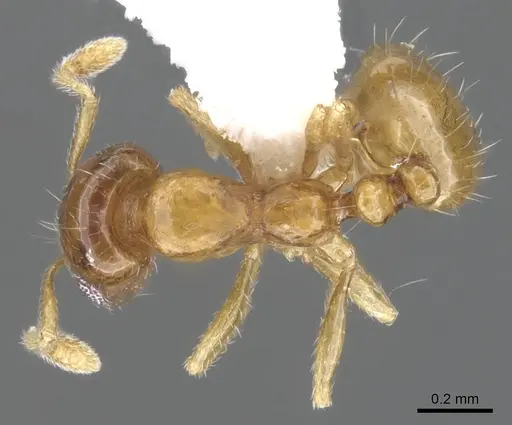
Literature
Loading...Loading products...