

Monomorium schurri
- Scientific Name
- Monomorium schurri
- Tribe
- Solenopsidini
- Subfamily
- Myrmicinae
- Author
- Forel, 1902
- Distribution
- Found in 1 countries
Monomorium schurri Overview
Monomorium schurri is an ant species of the genus Monomorium. It is primarily documented in 1 countries , including India. Detailed taxonomic data and occurrence records can be further explored via authoritative databases such as AntWeb or the Global Biodiversity Information Facility (GBIF).
Monomorium schurri
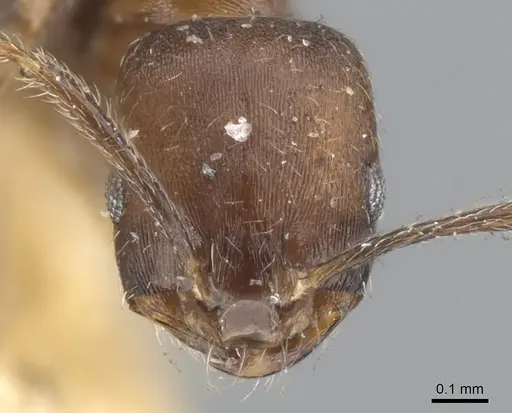
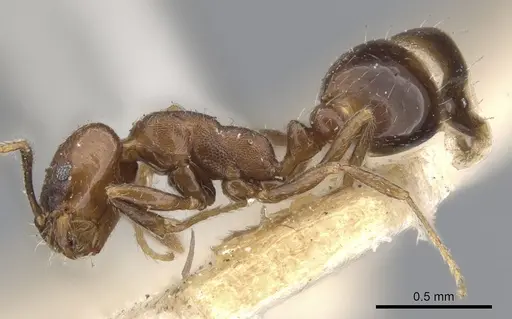
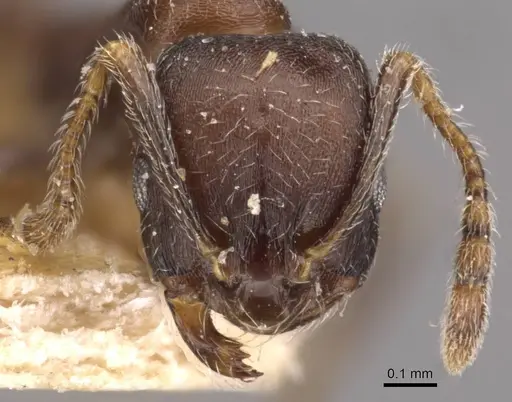
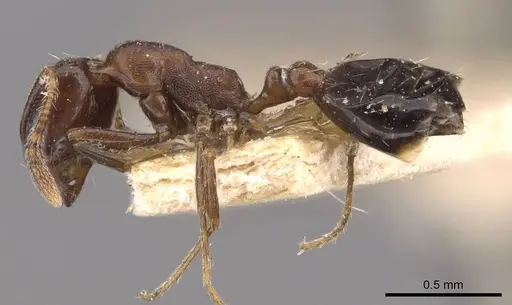
Monomorium schurri is a tiny ant species native to South Asia, found across India, Pakistan, and Myanmar. Workers measure just 2.2-2.5mm and are dark chestnut-brown with distinctive pale yellow markings on their antennae and abdominal segments. Their body has a finely roughened texture while the abdomen appears smooth and shiny. This species is unusual in that it has ergatoid queens, wingless queens that are born without wings and serve as replacement reproductives if the primary queen dies [1]. They inhabit grasslands, agricultural fields, and pine forest areas across their range.
Quick Summary
- Difficulty: Easy
- Origin & Habitat: Native to the Indomalaya region, found in India (Kerala, Madhya Pradesh, Meghalaya, Tamil Nadu, West Bengal), Pakistan (Islamabad, Rawalpindi, Mansehra), and Myanmar. Inhabits grasslands, maize and wheat fields, apple orchards, and pine trees [2][3][4].
- Colony Type: Ergatoid queen system, colonies have wingless queens (ergatoids) that serve as replacement reproductives. This is distinct from polygyny, colonies are typically functionally single-queen with ergatoid backup [1].
- Colony: Monogyne
- Size & Growth:
- Queen: 3.7mm (ergatoid queen) [5]
- Worker: 2.2-2.5mm [6][2]
- Colony: Unknown for this specific species, related Monomorium species typically reach several hundred workers
- Growth: Moderate, estimated based on genus patterns
- Development: 6-8 weeks (estimated based on related Monomorium species) (Development time is estimated as no specific data exists for this species. Expect similar timelines to other small Myrmicinae.)
- Antkeeping:
- Temperature: Keep around 24-28°C. This species comes from warm subtropical regions, so moderate warmth supports activity and brood development. A room-temperature setup (22-26°C) works well for this species.
- Humidity: Moderate humidity around 50-70%. Their natural habitat includes agricultural fields and grasslands that experience seasonal moisture variation. Provide a water tube and allow the nest to dry slightly between rehydration.
- Diapause: Likely a winter diapause period given their temperate to subtropical range. Reduce temperature to around 15-18°C for 2-3 months during winter.
- Nesting: Use test tubes or small acrylic nests. Their tiny size (under 3mm) means they need tight-fitting connections and excellent escape prevention. A Y-tong or small formicarium with narrow chambers works well.
- Behavior: These are small, active ants that forage for nectar and small prey. They are not aggressive and pose no threat to keepers. Their tiny size makes them excellent escape artists, use fine mesh barriers and tight-fitting lids. Workers are dark-bodied with pale yellow antennae and abdominal joints, making them visually distinctive.
- Common Issues: escape prevention is critical due to their very small size, they can squeeze through standard barrier gaps, test tube setups must have tight cotton and secure connections, overfeeding can cause mold issues in small nest setups, wild-caught colonies may harbor parasites that affect captive survival
Housing and Nest Setup
Monomorium schurri is a tiny ant species, so housing must be scaled appropriately. Test tubes work well for founding colonies, use a water tube with a secure cotton barrier. For established colonies, a small acrylic nest or Y-tong with narrow chambers prevents them from feeling exposed in large spaces. Their workers are only 2.2-2.5mm, so even small gaps can lead to escapes. Apply fluon or use fine mesh on all connections. A small outworld area connected to the nest works for feeding. Keep the nest setup simple and avoid excessive decorations that could create escape routes. [6][2]
Feeding and Diet
Like most Monomorium species, these ants are omnivorous and will accept sugar sources and protein. Offer sugar water, honey, or diluted nectar as a constant energy source. For protein, small prey items like fruit flies, pinhead crickets, or mealworm pieces work well. In their natural habitat, they forage in agricultural fields and likely consume honeydew from aphids and small insects. Feed protein 2-3 times per week and keep sugar water available at all times. Remove uneaten prey after 24-48 hours to prevent mold. [2]
Temperature and Seasonal Care
Monomorium schurri originates from warm subtropical regions of India and Pakistan, so they prefer temperatures in the 24-28°C range. Room temperature (22-26°C) is typically suitable. During winter months in their natural range, temperatures drop significantly, so a diapause period is likely beneficial. Reduce temperatures to around 15-18°C for 2-3 months during winter, reducing food offerings during this period. This mimics their natural seasonal cycle and supports colony health long-term. [2][3]
Colony Structure and Ergatoid Queens
This species has a unique colony structure featuring ergatoid queens, wingless females that are born without wings rather than developing wings like typical queens. These ergatoids serve as replacement reproductives if the primary queen dies, ensuring colony continuity. This is different from polygyny (multiple egg-laying queens) because colonies typically have one functional queen with ergatoid backups. When keeping this species, you won't see nuptial flights, instead, new ergatoids may appear within established colonies. The queen measures 3.7mm, notably larger than workers at 2.2-2.5mm [1][5].
Frequently Asked Questions
How long does it take for Monomorium schurri to produce first workers?
The egg-to-worker timeline is not directly documented for this species. Based on related Monomorium species, expect around 6-8 weeks from egg to first worker at optimal temperatures (24-28°C). Growth is moderate, patience is key during the founding phase.
Can I keep multiple Monomorium schurri queens together?
This species has ergatoid (wingless) queens that serve as replacement reproductives, but colonies are functionally single-queen. Combining unrelated foundress queens has not been documented and is not recommended. The ergatoid system handles queen replacement naturally within an established colony.
What size colony does Monomorium schurri reach?
Colony size is not specifically documented, but related Monomorium species typically reach several hundred workers. Given their small worker size, expect moderate colony development over 1-2 years.
What temperature should I keep Monomorium schurri at?
Keep them at 24-28°C. This species comes from warm subtropical regions of India and Pakistan. Room temperature (22-26°C) is acceptable. A simple heat mat on one side of the nest can provide warmth if your room runs cool.
Do Monomorium schurri need hibernation?
Yes, a winter diapause is likely beneficial given their range across India and Pakistan where winters are cooler. Reduce temperature to 15-18°C for 2-3 months during winter and reduce feeding. This mimics their natural seasonal cycle.
Why are my Monomorium schurri escaping?
Their tiny size (under 3mm) makes them excellent escape artists. Use fine mesh barriers, apply fluon to rim edges, and ensure all connections are tight. Even small gaps that larger ants cannot pass will allow these tiny ants to escape.
Are Monomorium schurri good for beginners?
Yes, this species is beginner-friendly. They are small, non-aggressive, and have straightforward care requirements. The main challenge is escape prevention due to their tiny size. Once you have a secure setup, they are rewarding to keep.
References

This caresheet is licensed under CC BY-SA 4.0 .
CASENT0902223
View on AntWeb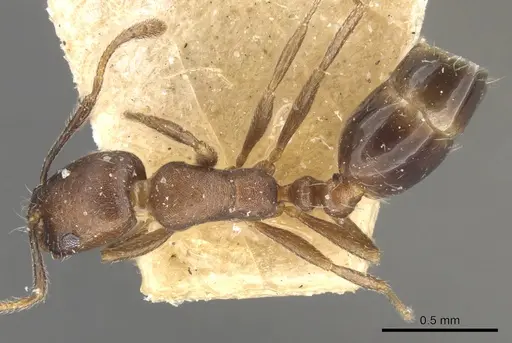
CASENT0908746
View on AntWeb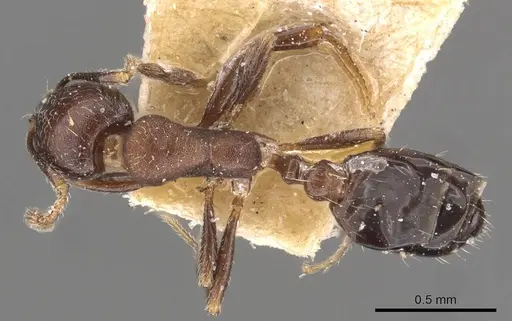
Literature
Loading...Loading products...