

Monomorium rothsteini
- Scientific Name
- Monomorium rothsteini
- Tribe
- Solenopsidini
- Subfamily
- Myrmicinae
- Author
- Forel, 1902
- Distribution
- Found in 1 countries
Monomorium rothsteini Overview
Monomorium rothsteini is an ant species of the genus Monomorium. It is primarily documented in 1 countries , including Australia. Detailed taxonomic data and occurrence records can be further explored via authoritative databases such as AntWeb or the Global Biodiversity Information Facility (GBIF).
Monomorium rothsteini
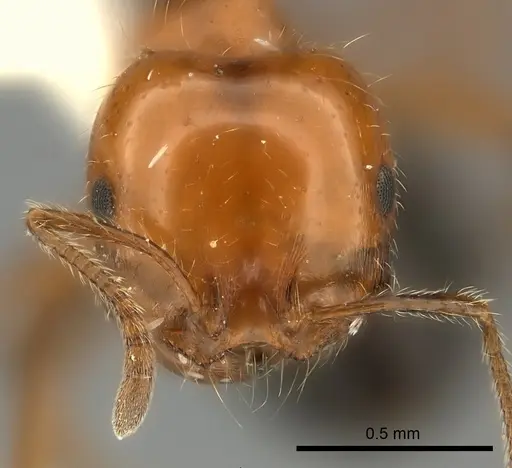
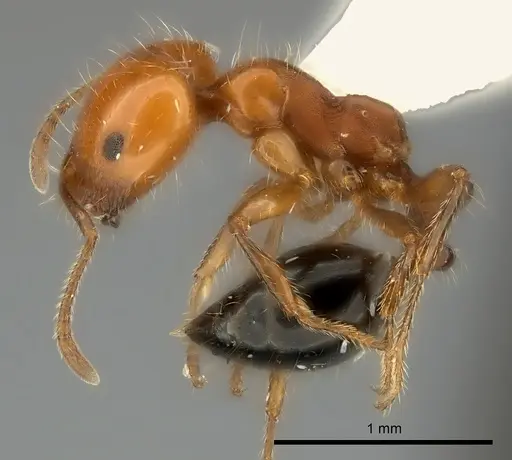
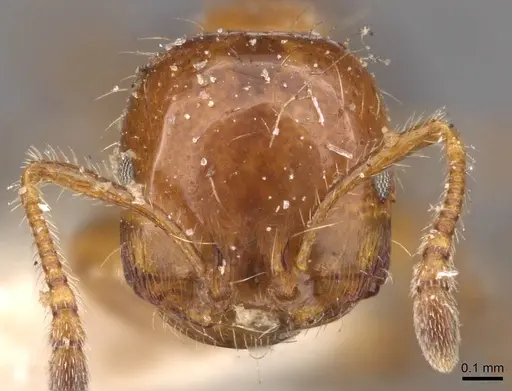
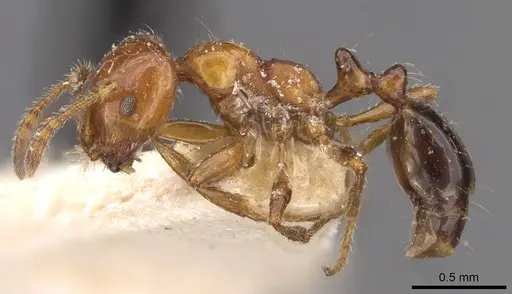
Monomorium rothsteini is a small Australian ant species, with workers measuring approximately 2-3mm in total length, inferred from Monomorium genus patterns. Workers have a distinctive appearance with a medium-sized rectangular head that narrows behind the eyes, and a concave clypeal margin that helps them carry seeds [1]. The head and mesosoma range from dark amber orange to orange-brown, while the gaster is dark brown [2]. Queens are considerably larger at 4-6mm and come in two forms: fully winged (alate) and wingless (brachypterous) [1]. This species shows remarkable color variation, colonies can range from bright orange-red to almost black, even when living near each other [1].
This ant is one of Australia's most abundant seed-harvesting ants, forming massive colonies of up to 50,000 workers [1]. What makes M. rothsteini particularly interesting is its flexible colony founding, they can either establish new colonies independently (like typical ants) or through fission, where a wingless queen leaves with workers to start a new nest nearby [1]. The species is part of a complex that may contain many cryptic species, and recent genetic studies have revealed dozens of distinct lineages across Australia [1].
Quick Summary
- Difficulty: Medium
- Origin & Habitat: Native to Australia, found across most of mainland Australia including coastal and inland regions of central and northern Queensland, central Australian arid zone, temperate woodland habitats in the south, and northern monsoonal regions [1][2].
- Colony Type: Facultatively polygyne, colonies can have single or multiple queens. New colonies form through either independent claustral founding (by winged queens) or colony fission (by wingless queens leaving with workers) [1].
- Size & Growth:
- Queen:{.size-link} 4-6 mm [3]
- Worker:{.size-link} ~2-3 mm, inferred from Monomorium genus
- Colony: Up to 50,000 workers [1]
- Growth: Moderate
- Development: 6-10 weeks (estimated based on typical Monomorium development) (Development time not directly studied for this species. Based on typical Myrmicinae development patterns, expect 6-10 weeks at optimal temperature.)
- Antkeeping:
- Temperature: Keep at 22-28°C. As an Australian species from varied climates (arid to tropical), they tolerate a range but prefer warm conditions. Provide a gentle temperature gradient if possible.
- Humidity: Moderate humidity. These are ground-nesting ants from Australia's diverse habitats, so they adapt to varying moisture levels. Keep nest substrate lightly moist but not waterlogged.
- Diapause: No true hibernation required, inferred from Australian tropical/temperate range. A slight cooling period (15-18°C) during winter months may benefit colony health.
- Nesting: Ground-nesting species that prefers soil nests. In captivity, they do well in test tubes for founding colonies, then transition to naturalistic setups with soil or sand substrate. Provide a deep enough container for seed storage, these ants are known for building large middens of seed husks [1].
- Behavior: Generally peaceful but can be defensive when threatened. They are diurnal foragers that form visible columns of workers traveling to food sources [1]. Workers are small but determined, and may bite if provoked. They are not aggressive toward humans but will defend their nest. Escape risk is moderate, their small size means they can squeeze through small gaps, so ensure your setup is secure. They are primarily seed harvesters but will also collect nectar and occasionally animal matter [1].
- Common Issues: colonies can grow massive (up to 50,000 workers), ensure you have space for long-term growth, seed-harvesting behavior means they need proper substrate depth for nesting and food storage, wingless (brachypterous) queens may be confused with workers, look for the larger size and different thorax structure, small size makes escape prevention important, use fine mesh barriers, color variation between colonies is normal, don't assume a dark queen is a different species
Housing and Nest Setup
Monomorium rothsteini is a ground-nesting species that thrives in setups with proper substrate. For founding colonies, a standard test tube setup works well, fill it with water, plug with cotton, and place the queen in the tube. The queen will seal herself in and raise her first brood in the chamber. Once the colony reaches 20-30 workers, consider moving them to a naturalistic setup with a soil or sand layer at least 2-3cm deep. These ants are known for building conspicuous middens of discarded seed husks near their nest entrances in the wild [1], so providing depth for this behavior will make them feel at home. A formicarium with a foraging area connected to the nest chamber works well. Ensure all connections are secure, these small ants can escape through tiny gaps.
Feeding and Diet
As a predominantly seed-harvesting ant, M. rothsteini's diet should focus on seeds. Offer a variety of small seeds, grass seeds, millet, chia, and similar small seeds work well. They are particularly fond of grass seeds, which make up the bulk of their diet in the wild [1]. Provide a shallow dish or designated area in the foraging zone for seeds. They also accept sugar water or honey occasionally, though seeds are their primary food. About 10% of their diet in the wild consists of animal matter [1], so offer small protein sources like crushed insects or mealworms once or twice weekly. They have been observed foraging on flower nectar in the wild [1], so occasional honey or sugar water is appreciated. Remove uneaten seeds periodically to prevent mold, but expect them to build up a small midden as they process seeds.
Temperature and Seasonal Care
Keep your colony at 22-28°C for optimal growth and activity. This species comes from Australia's diverse climates, ranging from arid central regions to tropical northern areas, so they are adaptable to temperature variations. Room temperature (around 24°C) is typically ideal. If your room is cooler, a heating cable on one side of the nest can create a gradient, place it on top of the nest material to avoid drying it out. Unlike temperate species, M. rothsteini does not require a true hibernation period. However, a slight reduction in temperature during winter months (down to 15-18°C) can help simulate natural seasonal cycles and may benefit colony health. Do not let temperatures drop below 15°C for extended periods. Activity may slow during cooler periods, which is normal. [1]
Colony Growth and Development
Monomorium rothsteini colonies can grow massive, up to 50,000 workers in the wild [1]. This means you should plan for long-term housing needs. Growth rate is moderate, expect 6-10 weeks from egg to first worker under optimal conditions. The colony will start slowly during the claustral founding phase (when the queen is sealed in raising the first brood), then accelerate once nanitic workers emerge. One fascinating aspect of this species is its dual colony founding method: winged (alate) queens found colonies independently by sealing themselves in, while wingless (brachypterous) queens can establish new colonies through fission, leaving the maternal nest with a group of workers to found a new colony less than 20 meters away [1]. In captivity, you may see both queen types if you maintain multiple colonies. Brachypterous queens can change color to match alate queens after about three weeks in laboratory conditions [3].
Behavior and Foraging
These ants are active foragers that form visible columns of workers traveling to food sources [1]. They are primarily diurnal, though they may extend foraging into cooler parts of the day during hot Australian summers. Workers are small but persistent, and will aggressively defend food sources once discovered. Their specialized clypeal margin (concave shape) helps them carry seeds efficiently [1]. In the wild, nest entrances in northern and arid regions are conspicuous due to large middens of discarded seed husks and long foraging columns [1]. In captivity, you may not see such dramatic middens, but you will notice their methodical seed-processing behavior. They are not particularly aggressive toward humans but will bite if threatened. Their small size means they can slip through small gaps, use fine mesh and check all connections regularly.
Queen Types and Colony Structure
One of the most interesting aspects of M. rothsteini is its queen dimorphism, the species produces two distinct queen types [1]. Alate queens are fully winged and capable of independent colony founding through nuptial flights. Brachypterous (wingless) queens cannot fly but can establish colonies through fission, leaving the nest with workers to start a new colony nearby. Both queen types can be found in the same colony, and they are otherwise indistinguishable except for wing development and color [3]. This flexible colony structure means M. rothsteini can adapt to different conditions, claustral founding works when colonies need to spread to new areas, while fission allows rapid colony expansion locally. In captivity, you may receive either type depending on source. Wingless queens are sometimes mistaken for large workers due to their reduced thorax, but they will be noticeably larger than workers.
Frequently Asked Questions
How long does it take for Monomorium rothsteini to raise their first workers?
Expect 6-10 weeks from egg to first worker at optimal temperature (around 24-26°C). This is based on typical Monomorium development patterns, as this specific species hasn't been directly studied for development timing. The queen will remain sealed in her founding chamber until her first nanitic workers emerge.
What do I feed Monomorium rothsteini ants?
These are primarily seed harvesters, offer small seeds like grass seeds, millet, chia, or commercial ant seeds. About 90% of their wild diet is seeds [1]. Supplement with small protein sources (crushed insects, mealworms) 1-2 times weekly, and occasionally offer sugar water or honey. They will also forage on nectar sources in captivity.
Can I keep multiple queens together in one colony?
Yes, M. rothsteini is facultatively polygyne, meaning colonies can have either single or multiple queens [1]. However, if combining unrelated foundress queens, introduce them carefully and monitor for aggression. The natural colony fission process involves related queens and workers, so unrelated queens may initially conflict.
How big do Monomorium rothsteini colonies get?
Colonies can reach up to 50,000 workers in the wild [1]. This is one of the larger Australian Monomorium species. Plan your housing accordingly, they will need increasing space as the colony grows.
What temperature do Monomorium rothsteini need?
Keep them at 22-28°C, with 24-26°C being ideal. As an Australian species from varied climates, they are adaptable but prefer warmth. Room temperature is typically suitable. A slight temperature gradient allows workers to choose their preferred zone.
Do Monomorium rothsteini need hibernation?
No true hibernation is required. Being from Australia's tropical to temperate regions, they don't have a strict diapause requirement. A slight cooling in winter (15-18°C) may be beneficial but is not mandatory. Activity will naturally decrease in cooler months.
Why are my Monomorium rothsteini workers different colors?
This is completely normal, M. rothsteini shows remarkable color variation, with colonies ranging from bright orange-red to almost black, even in close proximity [1]. This variation is genetic, not a sign of illness or poor care. Different color morphs can occur even within the same population.
When should I move my colony to a formicarium?
Move from test tube to a larger setup once the colony reaches 20-30 workers. A naturalistic setup with soil or sand substrate works best since they are ground-nesting ants that like to build seed middens [1]. Ensure the formicarium has a deep enough chamber for the colony to expand.
Are Monomorium rothsteini good for beginners?
They are rated as medium difficulty. They are hardy and adaptable, but their small size and need for seed-based food make them slightly more challenging than larger, more common species. They are rewarding for keepers interested in seed-harvesting behavior and colony dynamics.
What's the difference between winged and wingless queens?
Winged (alate) queens can fly and establish new colonies independently through nuptial flights. Wingless (brachypterous) queens establish colonies through fission, leaving with workers to start a new nest nearby [1]. Both types can be found in the same colony and are otherwise similar in appearance. The wingless form can actually change color to match the winged form after about three weeks in captivity [3].
How do I prevent escapes with Monomorium rothsteini?
Use fine mesh barriers (at least 0.5mm mesh) and ensure all connections between nest and foraging areas are tight. These small ants can squeeze through tiny gaps. Apply fluon or similar barriers to the rim of your formicarium. Check regularly for any small openings.
Report an Issue
The current care sheet is based fully on literature. See inconsistencies, or something that's incorrect? Please , it will be resolved after review from an admin. Contributing to the blogs tab also helps providing information, to make us be able to further improve the caresheets. Thank you for your support!
References

This caresheet is licensed under CC BY-SA 4.0 .
CASENT0217889
View on AntWeb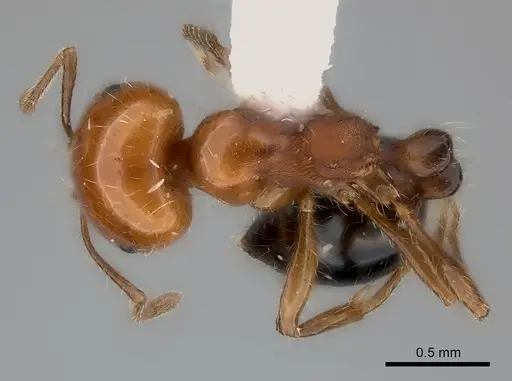
CASENT0908683
View on AntWeb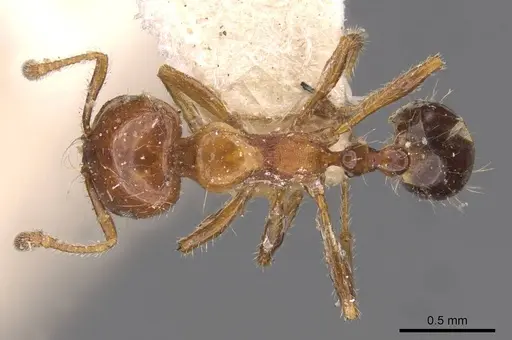
Literature
Loading...Loading products...