

Monomorium rhopalocerum
- Scientific Name
- Monomorium rhopalocerum
- Tribe
- Solenopsidini
- Subfamily
- Myrmicinae
- Author
- Emery, 1895
- Common Name
- Tiny Yellow Timid Ant
- Distribution
- Found in 1 countries
Monomorium rhopalocerum Overview
Monomorium rhopalocerum (commonly known as the Tiny Yellow Timid Ant) is an ant species of the genus Monomorium. It is primarily documented in 1 countries , including South Africa. Detailed taxonomic data and occurrence records can be further explored via authoritative databases such as AntWeb or the Global Biodiversity Information Facility (GBIF).
Monomorium rhopalocerum - "Tiny Yellow Timid Ant"
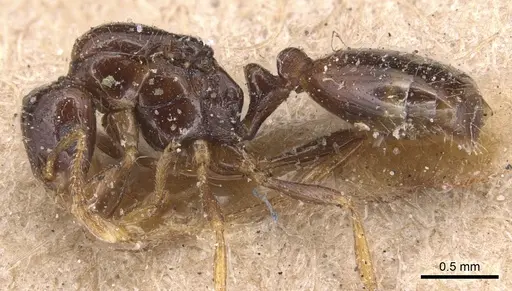
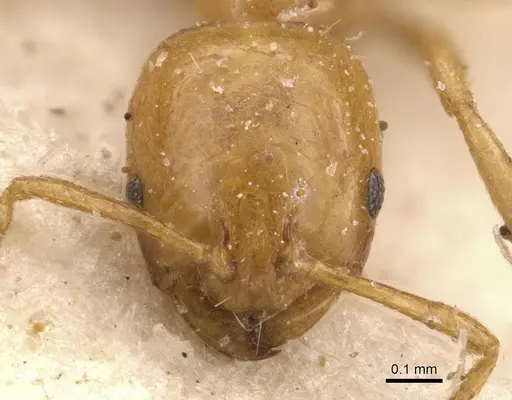
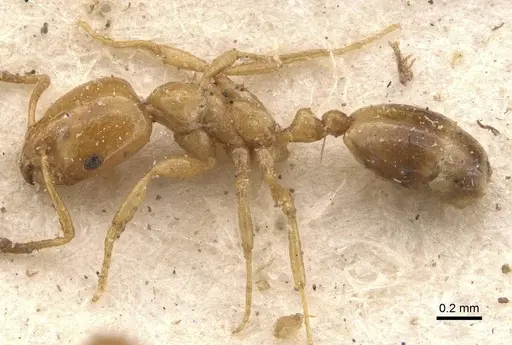
Monomorium rhopalocerum is a tiny yellow ant native to South Africa, specifically the Cape Town area. Workers measure just 2.0-2.2mm in length, making them one of the smaller ant species kept in captivity. They belong to the Monomorium monorium species group and are closely related to several other African Monomorium species. Their body is a dull yellow color, sometimes with a brownish tint on the gaster (abdomen). The eyes are relatively small, and the head is broader than their close relatives like M. symmotu and M. exchao. This species is part of a complex that includes M. binatu, M. symmotu, and M. tablense, all of which share similar morphology.
This is one of the least studied ant species in the hobby, with almost no documented biological information beyond basic morphology. One collection was made from a garden setting, which suggests they may nest in soil or under stones in disturbed areas. Their small size and docile nature make them an interesting species for advanced antkeepers willing to experiment with care conditions.
Quick Summary
- Difficulty: Expert
- Origin & Habitat: South Africa, specifically the Cape Town region in the Western Cape Province. They have been recorded in vineyard areas and cave entrances, suggesting adaptation to varied microhabitats [1][2].
- Colony Type: Unknown, colony structure has not been documented. Most Monomorium species are monogyne (single queen), but this specific species has not been studied.
- Size & Growth:
- Queen: Not documented in primary literature, estimated 4-5mm based on related Monomorium species
- Worker: 2.0-2.2mm
- Colony: Unknown, no colony data available
- Growth: Unknown, no development data exists
- Development: Estimated 6-8 weeks based on typical Monomorium genus patterns at warm temperatures (No direct development data exists for this species. Estimates based on related species in the genus.)
- Antkeeping:
- Temperature: Estimated 22-26°C based on South African climate and related species. Provide a gentle gradient so ants can self-regulate.
- Humidity: Likely prefers dry to moderate conditions typical of Cape region. Start with 50-60% humidity and observe colony behavior.
- Diapause: Unknown, South African temperate climate suggests some winter dormancy may be beneficial
- Nesting: Likely nests in soil or under stones in natural habitat. A test tube setup or Y-tong nest with sandy substrate would be appropriate. Their small size requires tight-fitting barriers.
- Behavior: Not documented in scientific literature. Based on related species, they are likely docile and non-aggressive. Their tiny size (2mm workers) makes them excellent escape artists, fine mesh barriers are essential. They probably forage individually for small prey and honeydew.
- Common Issues: Almost no biological data exists, keepers must experiment with care conditions, Tiny size makes escape prevention critical, use fine mesh and tight-fitting lids, Growth rate is unknown and likely slow, patience required, Colony size remains a mystery, no data on maximum population, Temperature and humidity preferences are inferred, not confirmed, No documented founding behavior, claustral founding is assumed but unconfirmed
Appearance and Identification
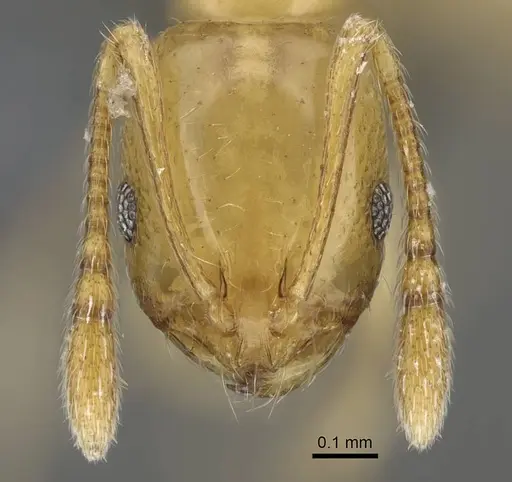
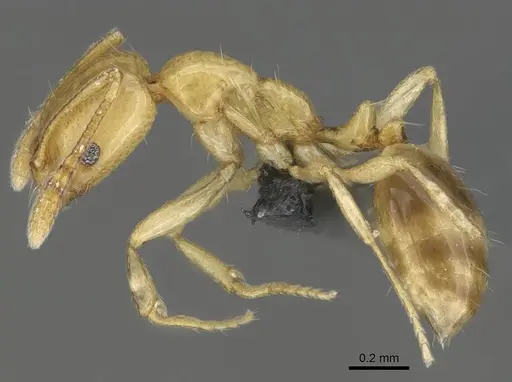
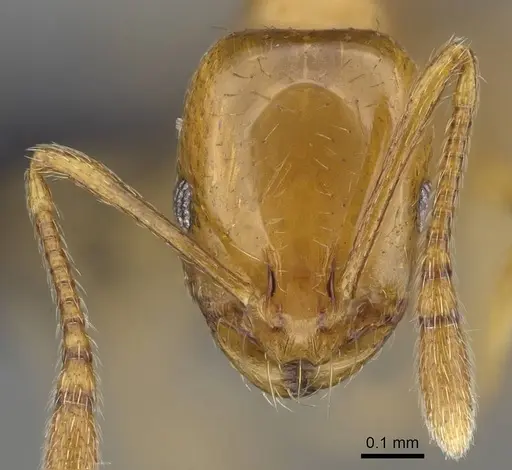
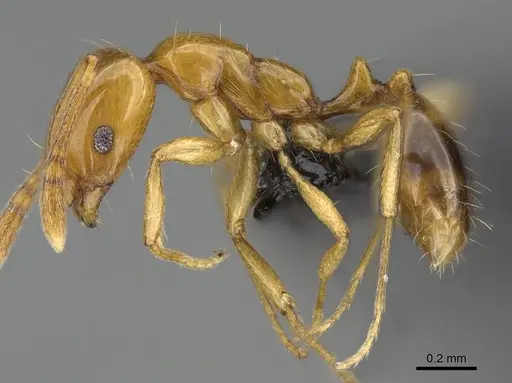
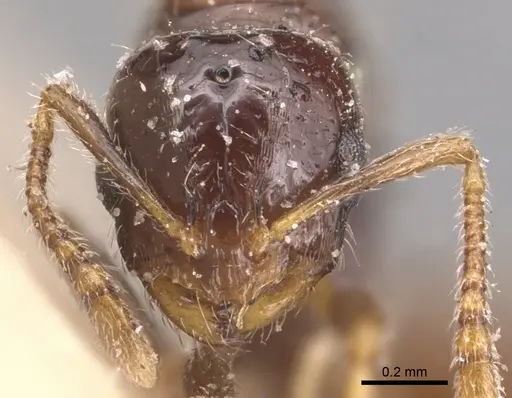
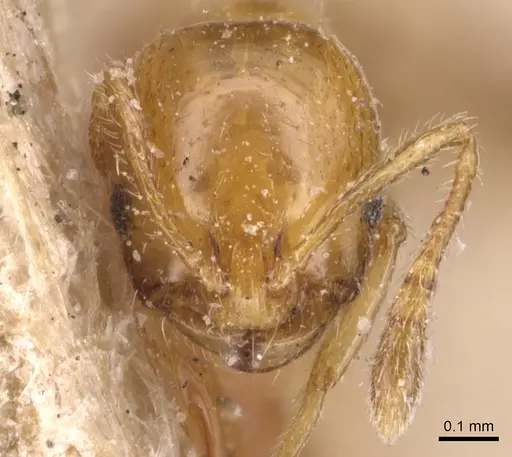
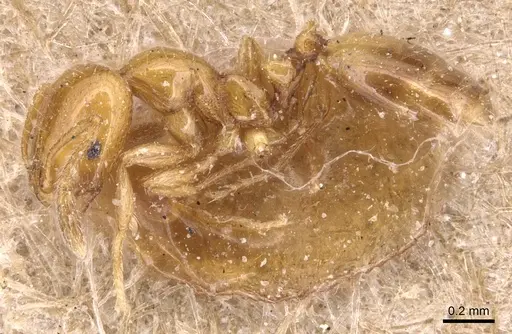
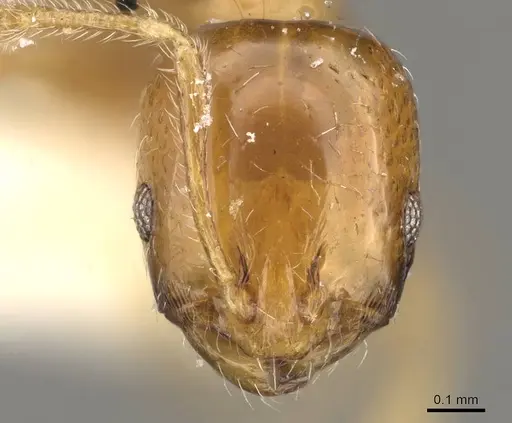
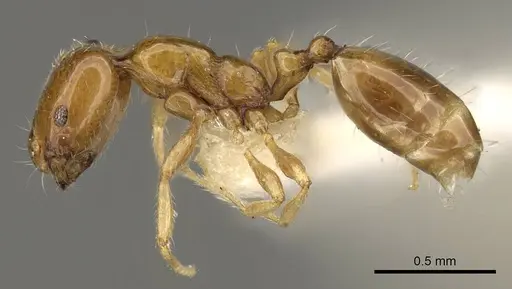
Monomorium rhopalocerum workers are tiny at just 2.0-2.2mm total length. They have a dull yellow body color, sometimes with a brownish tint on the gaster (the final body segment). The head is relatively broad compared to their close relatives, with a cephalic index (CI) of 79-83. Their eyes are small, measuring only 0.18-0.21 times the head width, with 6-7 ommatidia in the longest row. The antennal scapes (the segment extending from the antenna) are relatively short, failing to reach the occipital margin when laid straight back. The propodeum (the segment behind the mesonotum) slopes evenly into the declivity. All dorsal surfaces have standing hairs, with 4-5 pairs on the promesonotum. Queens have been documented but not measured in detail, they are larger than workers as typical for ants.
Distribution and Habitat
This species is known only from South Africa, specifically the Western Cape Province around Cape Town. The type locality is Cape Town, where the original specimens were collected in 1893. More recent records include specimens from Shimoni cave entrance (collected November 1911) and vineyard surveys in the Western Cape [1][2]. This distribution suggests they are adapted to the Mediterranean climate of the Cape region, with mild, wet winters and warm, dry summers. The cave entrance record indicates they can tolerate somewhat shaded microhabitats, while vineyard records show they can survive in agricultural areas.
Nest Preferences and Housing
No direct observations of natural nesting behavior exist for this species. Based on related Monomorium species and the single garden collection record, they likely nest in soil or under stones in natural habitats. For captive care, a test tube setup works well for founding colonies. The tiny worker size (2mm) means you must use excellent escape prevention, standard test tube cotton barriers may need reinforcement with fine mesh. A Y-tong (acrylic) nest with narrow chambers and sandy substrate would suit their small size. Provide a gradient so workers can choose their preferred humidity zone. The chamber dimensions should be small and tight-fitting, as large open spaces can stress small colonies.
Feeding and Diet
No dietary studies exist for this species. As a member of the Myrmicinae subfamily, they likely have a typical omnivorous diet similar to other small Monomorium species: small insects, honeydew, and nectar. Given their tiny size, prey items should be appropriately small, fruit flies, pinhead crickets, or small mealworms are suitable. Sugar water or honey water should be offered, though acceptance may vary. Start with small amounts of protein (live or frozen prey) and sugar sources, and observe what the colony takes. Remove uneaten food promptly to prevent mold. Feed small amounts 2-3 times per week for established colonies, adjusting based on consumption.
Temperature and Seasonal Care
No thermal tolerance data exists for this species. Based on their South African origin (Cape Town region), they likely tolerate temperatures from roughly 15°C to 30°C, with optimal development around 22-26°C. Provide a temperature gradient using a heating cable on one side of the nest, allowing workers to self-regulate. The Western Cape has mild winters, so some form of winter cooling (diapause) may be beneficial, though the exact requirements are unknown. Consider providing a cooler period (15-18°C) during winter months, roughly November-February, to simulate their natural seasonal cycle. Monitor colony activity, if workers become sluggish, the temperature may be too low.
Colony Development and Growth
No development timeline data exists for this species. Based on typical Monomorium genus patterns, expect 6-10 weeks from egg to first worker (nanitic) at optimal temperatures (around 24-26°C). The first workers will likely be smaller than normal workers (nanitics), which is typical for claustrally founding species. Colony growth will likely be slow initially, as the queen raises her first brood alone. Once established, growth rate depends on temperature and feeding. Maximum colony size is unknown but is likely under 500 workers based on similar small Monomorium species. Be patient, small colonies of tiny ants develop slowly, and overfeeding can cause mold problems.
Frequently Asked Questions
How long does it take for Monomorium rhopalocerum to produce first workers?
No specific data exists, but based on related Monomorium species, expect 6-10 weeks at optimal temperatures (around 24-26°C). The first workers (nanitics) will be smaller than normal workers.
What do Monomorium rhopalocerum ants eat?
Their diet is unconfirmed, but they likely accept small insects, honeydew, and sugar sources like other small Monomorium species. Offer small prey items (fruit flies, small mealworms) and sugar water or honey water.
How big do Monomorium rhopalocerum colonies get?
Maximum colony size is unknown. Based on related species, they likely reach a few hundred workers at most. They are small colonies compared to species like Camponotus or Formica.
What temperature should I keep Monomorium rhopalocerum at?
No specific data exists. Based on their South African origin, aim for 22-26°C with a gradient. Room temperature in most homes (20-24°C) may be suitable. A slight heat source on one side of the nest can provide options.
Do Monomorium rhopalocerum need hibernation?
Diapause requirements are unknown. The Cape Town climate is temperate with mild winters, so a cool period (15-18°C) for 2-3 months during winter may be beneficial, but this is unconfirmed.
Can I keep multiple Monomorium rhopalocerum queens together?
Colony structure is unconfirmed. Most Monomorium species are monogyne (single queen), but polygyny has not been studied in this species. Do not combine unrelated foundress queens, this has not been documented and queens typically fight.
Are Monomorium rhopalocerum good for beginners?
No. This species has almost no documented biological information, making it suitable only for expert antkeepers willing to experiment with care conditions. Their tiny size also requires specialized equipment.
What size nest do Monomorium rhopalocerum need?
Use small, tight-fitting chambers scaled to their tiny 2mm workers. Test tubes work well for founding colonies. Avoid large, open spaces that can stress small colonies. Fine mesh is essential for escape prevention.
Why is my Monomorium rhopalocerum colony dying?
Without any species-specific data, diagnose by process of elimination: check escape prevention (they are tiny), ensure moderate humidity without flooding, verify temperatures are within 20-30°C range, and ensure food is appropriate size. Consider that this species may have specific unknown requirements.
References

This caresheet is licensed under CC BY-SA 4.0 .
CASENT0787949
View on AntWeb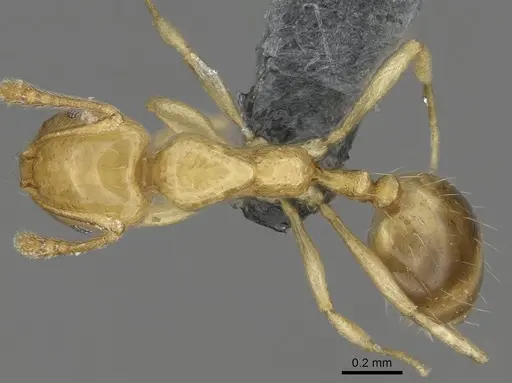
CASENT0822189
View on AntWeb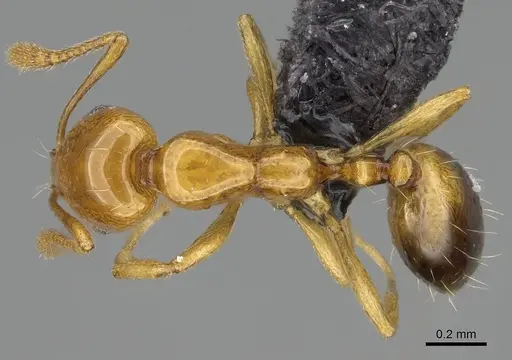
CASENT0904591
View on AntWeb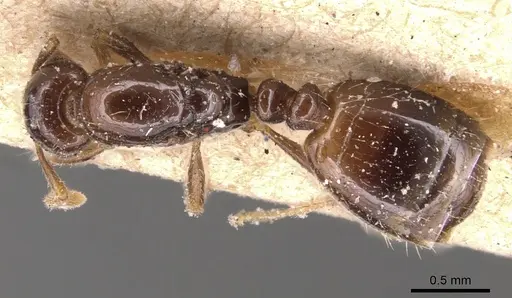
CASENT0904594
View on AntWeb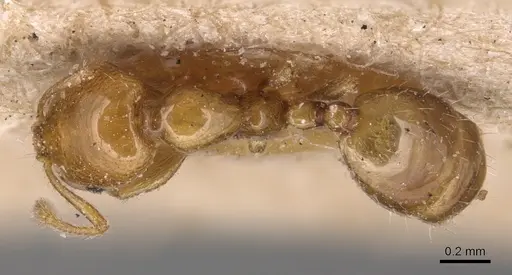
CASENT0908700
View on AntWeb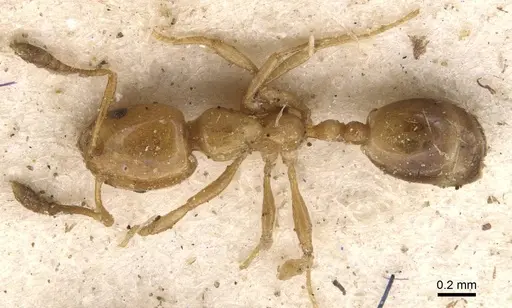
CASENT0914329
View on AntWeb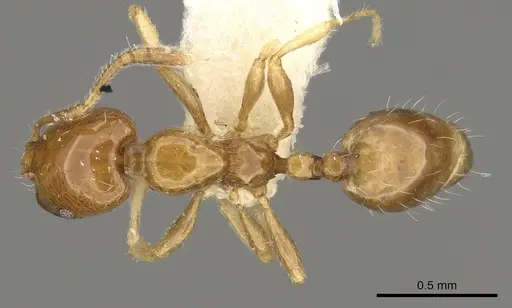
Literature
Loading...Loading products...