

Monomorium notulum
- Scientific Name
- Monomorium notulum
- Tribe
- Solenopsidini
- Subfamily
- Myrmicinae
- Author
- Forel, 1910
- Distribution
- Found in 3 countries
Monomorium notulum Overview
Monomorium notulum is an ant species of the genus Monomorium. It is primarily documented in 3 countries , including Namibia, South Africa, Zimbabwe. Detailed taxonomic data and occurrence records can be further explored via authoritative databases such as AntWeb or the Global Biodiversity Information Facility (GBIF).
Monomorium notulum
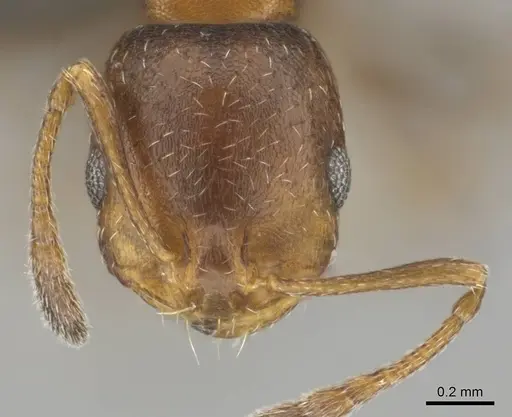
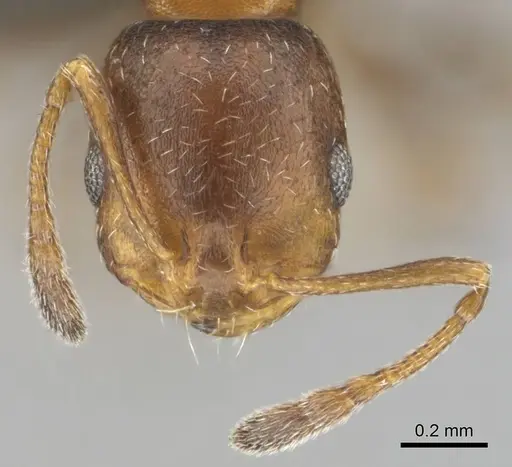
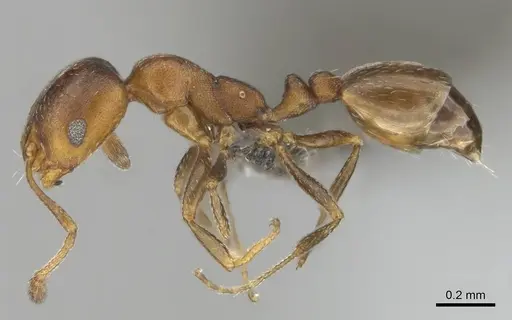
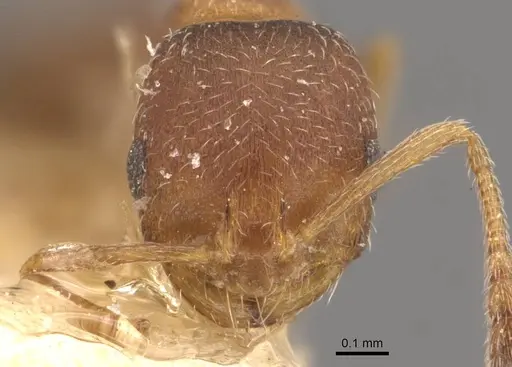
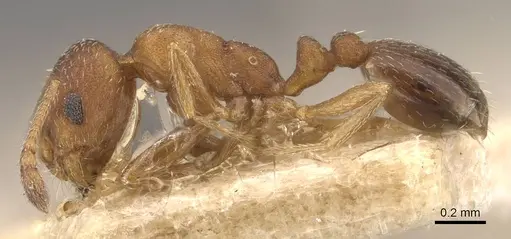
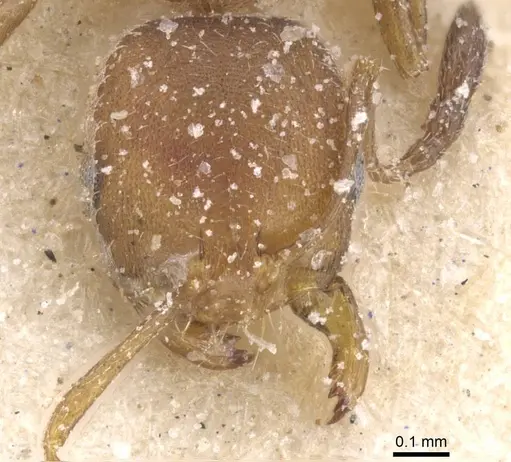
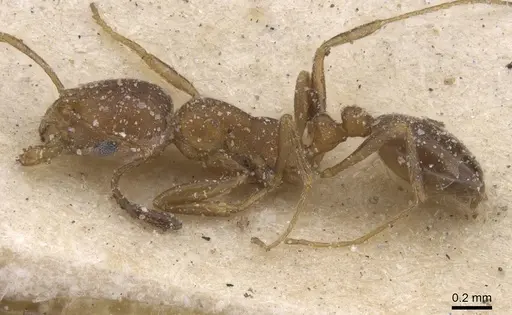
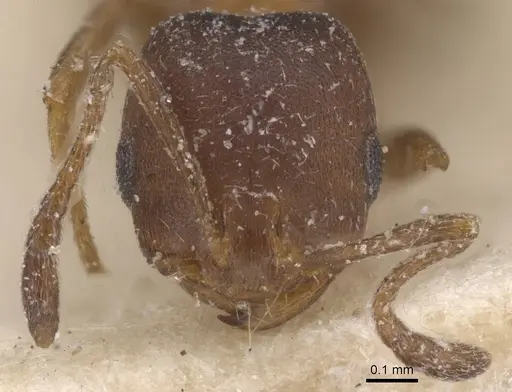
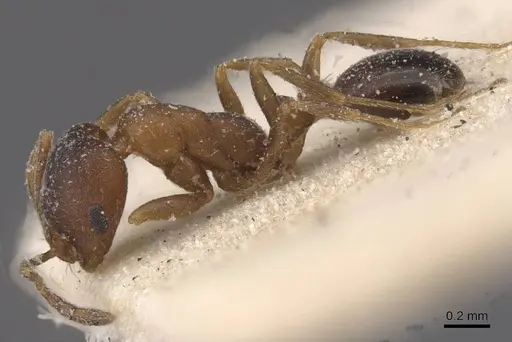
Monomorium notulum is a tiny ant species native to southern Africa, found in Angola, Namibia, South Africa, and Zimbabwe. Workers measure just 2.0-2.4mm and are brown in color, typically with a darker gaster than the alitrunk. They belong to the Monomorium setuliferum species group and are closely related to M. ebangaense and M. setuliferum, distinguished by their dense surface sculpture and very reduced dorsal pilosity. These ants inhabit open grasslands and semi-open woodland areas, with distinctive eyes that are positioned forward on the head and drawn out into a lobe or blunt point anteroventrally [1].
This species shows interesting ecological patterns in its native habitat. Research from Namibia shows they dominate ground-level food sources in saltpan environments, monopolizing 100% of baits in these areas. They are also indicator species for annually burnt savanna plots, suggesting they thrive in open, fire-maintained habitats rather than dense vegetation [2][3].
Quick Summary
- Difficulty: Easy
- Origin & Habitat: Southern Africa (Angola, Namibia, South Africa, Zimbabwe), inhabits open grasslands and semi-open woodland areas [1]
- Colony Type: Colony structure is unconfirmed, no direct observations of queen number or colony organization in this species
- Size & Growth:
- Queen: Unknown, not described in available literature
- Worker: 2.0-2.4mm [1]
- Colony: Unknown, no colony size data available
- Growth: Unknown, no development timing data available
- Development: Estimated 4-6 weeks based on typical Myrmicinae patterns at warm temperatures (No direct development data exists for this species. Estimates based on related Monomorium species and genus-level patterns.)
- Antkeeping:
- Temperature: Keep at 22-26°C, they are adapted to warm African savanna conditions and likely prefer temperatures in the mid-to-warm range
- Humidity: Prefers drier conditions, their natural habitat includes saltpans and fire-maintained savanna, suggesting tolerance for lower humidity than typical forest ants
- Diapause: Unknown, no data on overwintering requirements. Southern African origin suggests they may tolerate cooler winter temperatures but likely remain active year-round
- Nesting: Natural nesting preferences are unconfirmed. Given their ground-foraging behavior and open habitat, they likely nest in soil or under stones. Test tubes and Y-tong nests work well for this tiny species
- Behavior: These are small, ground-foraging ants that show strong dominance at food sources in their native habitat. They are not aggressive and pose no threat to keepers. Their tiny size (under 2.5mm) means escape prevention is critical, they can squeeze through standard test tube openings. Handle with care and use fine mesh barriers. Workers are active foragers that will readily explore and exploit food sources.
- Common Issues: tiny size makes escape likely without fine mesh barriers, colony structure unknown so combining queens is not recommended, no development data makes timing predictions uncertain, humidity preferences are unclear, start with moderate levels and observe, wild-caught colonies may have parasites that affect captive survival
Housing and Nest Setup
Monomorium notulum is a tiny ant, so standard test tube setups work well but require attention to escape prevention. Use test tubes with cotton plugs that are firmly packed, and consider adding a thin layer of escape prevention gel or fine mesh over any openings. Because workers are only 2.0-2.4mm, they can squeeze through gaps that would hold back larger ants. A small outworld connected to the test tube allows for feeding. For established colonies, a small Y-tong or acrylic nest with narrow chambers scaled to their tiny size works better than larger formicarium setups. Keep the nest area relatively dry, these ants come from open savanna and saltpan habitats where conditions are not humid. [1]
Feeding and Diet
In their native habitat, these ants monopolize food baits, indicating they are opportunistic foragers that will exploit various food sources. In captivity, offer standard ant foods including sugar water or honey as an energy source, and protein sources like small insects (fruit flies, pinhead crickets, or small mealworms). Given their tiny size, prey items should be appropriately scaled, very small insects or pre-killed and broken-down pieces. They are likely generalists like most Monomorium species. Feed sugar sources constantly and protein 2-3 times per week, adjusting based on colony consumption. [2]
Temperature Requirements
Being native to southern Africa (South Africa, Namibia, Zimbabwe, Angola), Monomorium notulum is adapted to warm conditions. Keep the colony at 22-26°C for optimal activity and development. A heating cable on one side of the nest can create a temperature gradient, allowing ants to self-regulate. Avoid temperatures below 18°C for extended periods. Room temperature in most homes should fall within or near this range during summer months. Monitor colony behavior, if workers become sluggish, consider warming the nest slightly. [1]
Behavior and Temperament
These are small, non-aggressive ants that pose no danger to keepers. They are ground-foraging species that actively explore their environment in search of food. Research shows they can dominate food sources in their native habitat, quickly monopolizing baits. Workers are relatively fast-moving for their size. They do not have a painful sting, their small size means they cannot effectively penetrate human skin. The main concern for keepers is their tiny size making them excellent escape artists. Always use excellent escape prevention, including fine mesh barriers and tightly sealed connections between nest components. [2]
Ecological Preferences
Monomorium notulum shows interesting ecological patterns in the wild. They are indicator species for annually burnt savanna plots, thriving in open fire-maintained habitats rather than dense vegetation. They are also found in saltpan habitats, suggesting tolerance for drier, more open conditions than typical forest ants. This species decreases in abundance at higher elevations above 1200m, indicating they prefer lowland to mid-elevation habitats. In captivity, this suggests they do well in setups that mimic open, relatively dry conditions rather than humid, enclosed environments. [3][2]
Colony Establishment
Since colony structure and founding behavior are unconfirmed for this species, establishing a colony requires careful approach. If you obtain a wild-caught colony, ensure it is legal to collect in your area. Transfer founding queens to test tube setups with clean water reservoirs. Monitor for signs of stress and provide appropriate food once workers emerge. Because we lack specific data on their colony structure, it is best to assume single-queen colonies and not attempt to combine unrelated queens. Patience is key, without development data, expect 4-8 weeks from egg to first worker based on typical Myrmicinae patterns.
Frequently Asked Questions
How long does it take for Monomorium notulum to produce first workers?
Exact timing is unknown as this species has not been studied in captivity. Based on related Monomorium species and typical Myrmicinae development, expect approximately 4-6 weeks from egg to worker at warm temperatures (24-26°C).
What size nest do Monomorium notulum ants need?
Because workers are tiny (2.0-2.4mm), use nests with small, tight chambers. Standard test tubes work well for founding colonies. For established colonies, Y-tong nests or small acrylic setups with narrow passages scaled to their size work better than large formicariums.
What do Monomorium notulum ants eat?
They are generalist feeders like most Monomorium species. Offer sugar water or honey for energy and small insects (fruit flies, tiny mealworms) for protein. Scale prey to their tiny size.
Are Monomorium notulum good for beginners?
They are considered easy to keep due to their simple care requirements. The main challenge is their tiny size requiring excellent escape prevention. They are not aggressive and tolerate typical room conditions well.
Do Monomorium notulum need hibernation?
Diapause requirements are unknown for this species. Being from southern Africa, they likely do not require a true hibernation. However, they may tolerate cooler winter temperatures. If your colony slows down in winter, reduce feeding and keep them in a cool corner rather than actively heating.
How big do Monomorium notulum colonies get?
Maximum colony size is unknown. No published colony size data exists for this species. Based on their small worker size and related species, colonies likely reach several hundred workers at most.
Can I keep multiple Monomorium notulum queens together?
Colony structure is unconfirmed, we do not know if they are single-queen or multi-queen colonies. It is not recommended to combine unrelated queens since this has not been documented and could result in aggression.
Why are my Monomorium notulum escaping?
Their tiny size (under 2.5mm) makes them excellent escape artists. Use fine mesh barriers, tightly fitting lids, and consider applying escape prevention gel around openings. Check all connections between nest components.
What temperature is best for Monomorium notulum?
Keep them warm at 22-26°C. They are adapted to African savanna conditions and prefer temperatures in the mid-to-warm range. Avoid temperatures below 18°C for extended periods.
References

This caresheet is licensed under CC BY-SA 4.0 .
CASENT0100875
View on AntWeb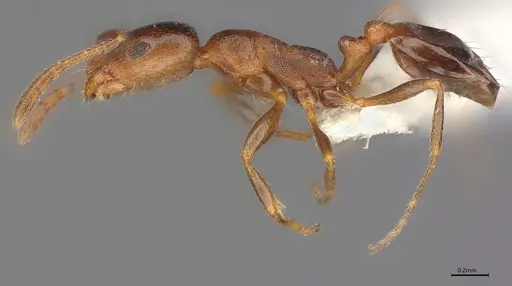
CASENT0235925
View on AntWeb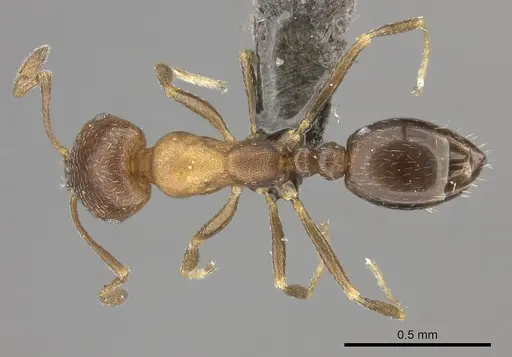
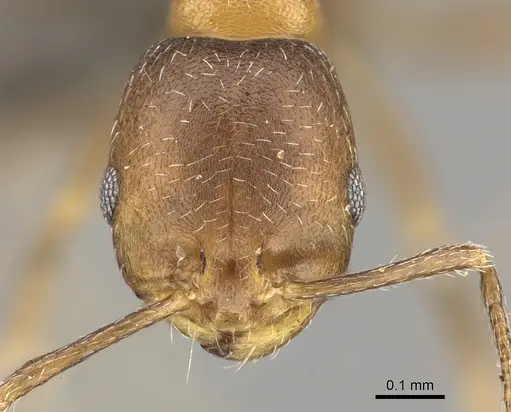
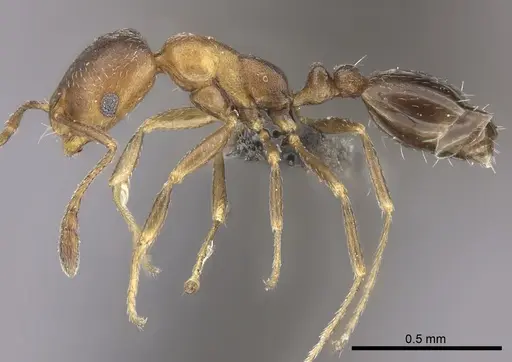
CASENT0252650
View on AntWeb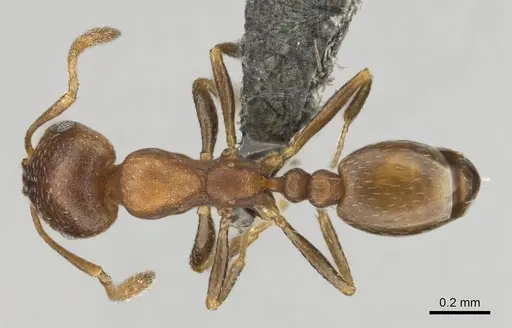
CASENT0902184
View on AntWeb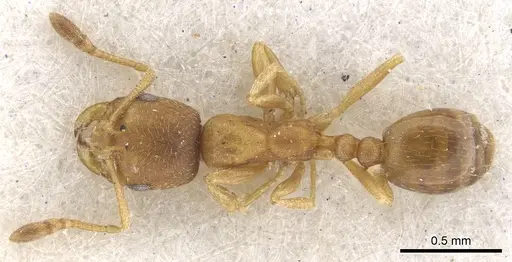
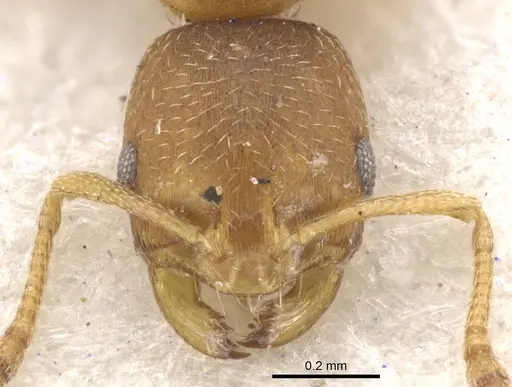
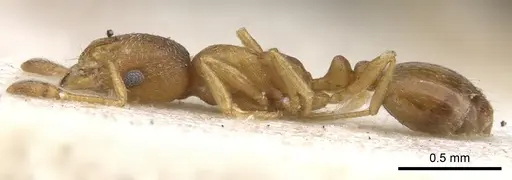
CASENT0908720
View on AntWeb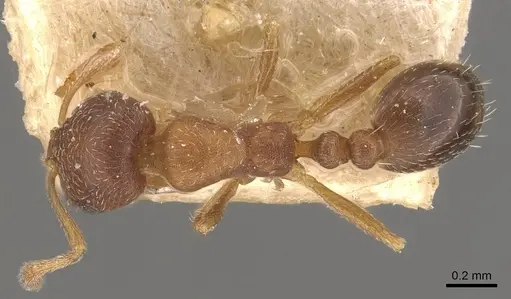
CASENT0913821
View on AntWeb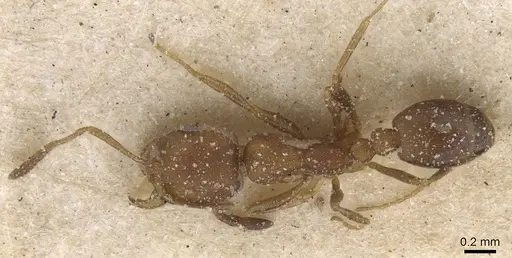
CASENT0913822
View on AntWeb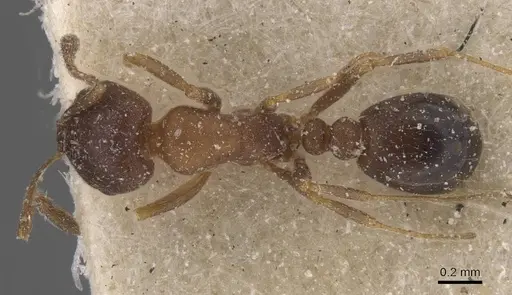
Literature
Loading...Loading products...