

Monomorium micrommaton
- Scientific Name
- Monomorium micrommaton
- Tribe
- Solenopsidini
- Subfamily
- Myrmicinae
- Author
- Heterick, 2006
- Distribution
- Found in 2 countries
Monomorium micrommaton Overview
Monomorium micrommaton is an ant species of the genus Monomorium. It is primarily documented in 2 countries , including Madagascar, Mayotte. Detailed taxonomic data and occurrence records can be further explored via authoritative databases such as AntWeb or the Global Biodiversity Information Facility (GBIF).
Monomorium micrommaton
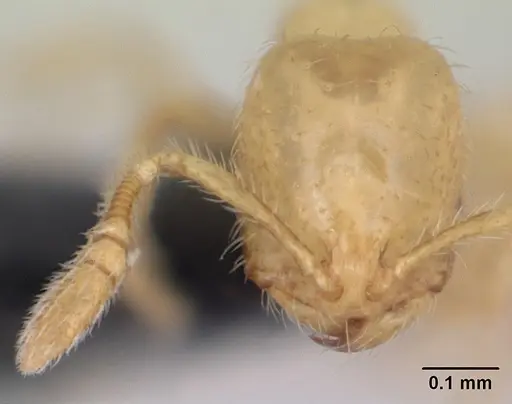
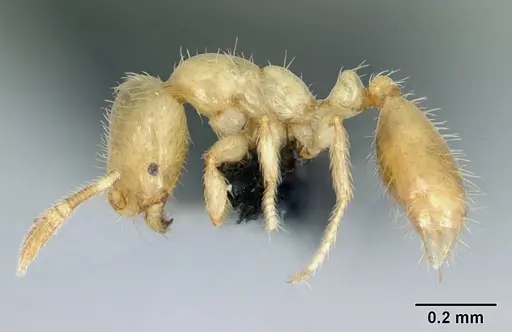
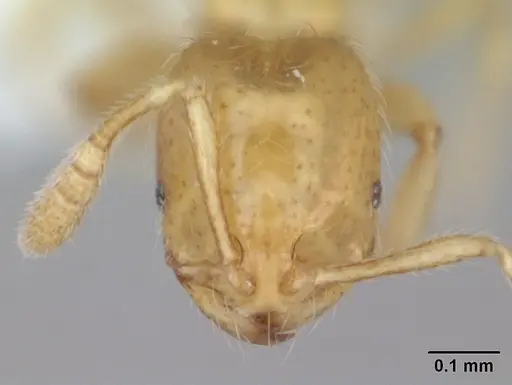
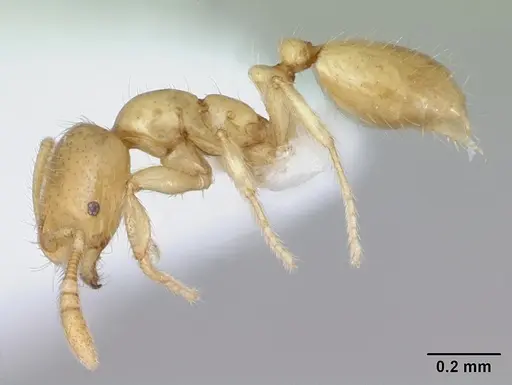
Monomorium micrommaton is a tiny yellow ant endemic to the rainforests of eastern Madagascar. Workers measure just 0.92-1.11mm and queens reach 2.87-2.98mm, making them one of the smaller ant species in the hobby [1]. The most striking feature is their extremely reduced eyes, often with only 8 or fewer visible eye facets, and their pale, depigmented yellow coloration, both adaptations to a cryptic, subterranean lifestyle [2]. They belong to the Monomorium monomorphium species group, specifically the flavimembra complex, and are closely related to the yellow form of M. termitobium but are restricted to dark, hidden microhabitats [1].
This species is a true rainforest dweller, found only in the eastern coastal provinces of Antsiranana, Fianarantsoa, and Toamasina in Madagascar, where they nest in sifted leaf litter, mould, and rotting wood [2][1]. Their highly specialized morphology suggests they rarely, if ever, come to the surface, making them one of the more challenging Monomorium species to maintain in captivity. The combination of tiny size, pale coloration, and reduced eyes makes them unmistakable among Malagasy ants.
Quick Summary
- Difficulty: Hard
- Origin & Habitat: Eastern Madagascar rainforests (Antsiranana, Fianarantsoa, Toamasina provinces), found in sifted leaf litter, mould, and rotting wood at elevations around 895m [2][1]
- Colony Type: Colony structure is unconfirmed, likely single-queen based on typical Monomorium patterns, but no direct observations documented
- Size & Growth:
- Queen: 2.87-2.98mm [1]
- Worker: 0.92-1.11mm [1]
- Colony: Unknown, likely small colonies typical of cryptic forest floor species
- Growth: Unknown, likely moderate based on small worker size
- Development: Unconfirmed, estimated 6-8 weeks based on typical Monomorium development at tropical temperatures (No direct development data exists for this species. Estimates based on genus-level patterns for small tropical Myrmicinae.)
- Antkeeping:
- Temperature: Keep warm at 24-28°C, this matches their natural rainforest habitat in eastern Madagascar. A gentle gradient allows them to self-regulate.
- Humidity: High humidity required (70-85%), they naturally live in damp leaf litter and rotting wood. Keep substrate consistently moist but not waterlogged.
- Diapause: Unknown, being a tropical rainforest species, they likely do not require a true diapause, but may experience reduced activity during cooler/drier seasons in Madagascar.
- Nesting: Provide a moist, dark nesting environment. Y-tong nests or plaster nests with small chambers work well. They prefer tight, enclosed spaces scaled to their tiny size. Avoid bright lighting, their reduced eyes indicate light sensitivity.
- Behavior: Extremely cryptic and shy. Workers are tiny and likely avoid light, preferring to stay hidden within the nest or under cover. No documented aggressive behavior, but their small size makes them vulnerable. Escape prevention is critical due to their minute size, they can squeeze through standard barrier gaps. Foraging likely occurs in darkness within the substrate.
- Common Issues: escape prevention is critical due to their minute size, standard barriers may not contain them, high humidity requirements can lead to mold problems if ventilation is poor, they avoid light intensely, excessive illumination may stress colonies, slow colony growth can lead to keeper impatience and overfeeding, wild-caught colonies may have parasites or fail to adapt to captive conditions
Housing and Nest Preferences
Monomorium micrommaton requires a dark, humid nesting environment that mimics their natural habitat in Malagasy rainforest leaf litter. Their extremely reduced eyes indicate strong light sensitivity, they will likely remain hidden if exposed to bright conditions. Y-tong (acrylic) nests or plaster nests with small, tight chambers work well. The chambers should be appropriately scaled to their tiny worker size (under 1.1mm), with narrow passages that make them feel secure.
Keep the nest area consistently moist but not waterlogged. These ants naturally live in damp leaf litter and rotting wood, so the substrate or nest material should retain humidity well. A water reservoir connected to the nest helps maintain moisture. Place the setup in a dark area or use a red film over the observation window, these ants clearly prefer darkness. The outworld should also be kept humid, and any foraging areas should be covered to reduce light exposure. [2][1]
Feeding and Diet
The natural diet of M. micrommaton is not documented, but being a small Myrmicinae in the Solenopsidini tribe, they likely feed on small arthropods, honeydew, and general omnivore fare. Based on typical Monomorium feeding patterns, offer small protein sources like fruit flies, pinhead crickets, or tiny insects. Sugar water or honey can be offered, but acceptance is uncertain given their cryptic lifestyle.
Feed small amounts of protein 2-3 times per week, removing any uneaten prey within 24 hours to prevent mold. Sugar water can be provided on a cotton ball or small container, but check frequently for freshness. Due to their tiny size, food items should be appropriately sized, even small fruit flies may need to be pre-killed and broken into pieces. Observe colony activity patterns, as they may only forage in darkness. [2]
Temperature and Humidity
As a rainforest species from eastern Madagascar, M. micrommaton requires warm, humid conditions. Maintain temperatures in the range of 24-28°C, which matches their natural habitat. A heating cable on one side of the nest creates a gentle gradient, allowing the ants to self-regulate their temperature preference. Avoid temperatures below 22°C or above 30°C.
Humidity is critical, aim for 70-85% relative humidity. The nest substrate should feel consistently damp to the touch. Use a water reservoir or moist substrate to maintain humidity levels. However, balance this with adequate ventilation to prevent mold growth, which can quickly overwhelm small colonies. A thin layer of condensation on the nest walls is ideal, but avoid standing water. [2][1]
Colony Establishment and Growth
No documented information exists on the founding behavior of M. micrommaton. Based on typical Monomorium patterns, the queen likely seals herself in a small chamber (claustral founding) and raises the first brood alone on stored fat reserves. The first workers (nanitics) will be smaller than mature workers.
Colony growth is expected to be slow given their tiny size and cryptic nature. Maximum colony size is unknown but likely remains modest, perhaps 50-200 workers, which is typical for litter-dwelling ant species. Patience is essential. Do not disturb the founding chamber during the claustral period, as disturbing the queen can cause colony failure. Wait several weeks after the first workers emerge before offering any external food. [1]
Behavior and Temperament
This is one of the most cryptic ant species you could keep. Their extremely reduced eyes (often with 8 or fewer ommatidia) and pale coloration are morphological adaptations to life in darkness, they simply do not come out into the light. In captivity, expect minimal visible activity unless you observe under dim red light.
Workers are tiny and completely harmless to humans, they have no sting potent enough to penetrate human skin. They are not aggressive and will flee rather than confront threats. The main husbandry challenges are their light sensitivity, humidity requirements, and escape risk due to their minute size. They are not suitable for antkeepers who want to observe active, visible colonies, these are truly hidden dwellers. [2][1]
Frequently Asked Questions
Can I keep Monomorium micrommaton in a test tube?
Test tubes can work for founding colonies, but you must maintain high humidity and keep the setup in complete darkness. However, their need for a dark, humid environment makes a Y-tong or plaster nest with moisture control more practical for long-term housing. If using test tubes, wrap them in dark material and ensure the water section doesn't flood.
How long does it take for Monomorium micrommaton to produce first workers?
The exact timeline is unconfirmed for this species. Based on typical Monomorium development patterns at tropical temperatures (around 26°C), expect 6-8 weeks from egg to first worker. The claustral founding period may take 4-6 weeks before eggs appear, then another 2-4 weeks for development. Patience is essential, do not disturb the queen during founding.
Are Monomorium micrommaton good for beginners?
No. This species is rated as difficult and is not recommended for beginners. Their extreme light sensitivity, high humidity requirements, tiny size (escape risk), and cryptic behavior make them challenging even for experienced antkeepers. They require specialized setups and significant patience.
What do Monomorium micrommaton eat?
Based on typical Monomorium diet, they likely accept small protein sources like fruit flies, tiny insects, and small crickets. Sugar sources like honey water may be accepted but are not guaranteed given their cryptic lifestyle. Offer small prey items 2-3 times per week and remove uneaten food promptly.
Do Monomorium micrommaton need hibernation?
No, being a tropical rainforest species from Madagascar, they do not require a hibernation period. However, they may experience reduced activity during cooler periods. Maintain stable warm temperatures (24-28°C) year-round for optimal colony development.
Why are my Monomorium micrommaton always hiding?
This is normal behavior. Their extremely reduced eyes are an adaptation to dark environments, they are cryptically adapted to avoid light entirely. Keep their setup in darkness or use red light for observation. If you see them out and active under normal lighting, something is wrong with their habitat.
How big do Monomorium micrommaton colonies get?
The maximum colony size is unknown but is likely modest, probably under 200 workers. This is typical for small, cryptic leaf-litter ant species. Their tiny size and subterranean lifestyle likely limit colony growth compared to larger, more visible ant species.
Can I keep multiple Monomorium micrommaton queens together?
The colony structure is unconfirmed for this species. Combining unrelated queens is not recommended since it has not been documented. Based on typical Monomorium patterns, they likely form single-queen colonies. If you obtain a wild colony, it likely contains one queen.
When should I move Monomorium micrommaton to a formicarium?
Move them when the colony reaches around 20-30 workers and the test tube or founding setup becomes cramped. However, ensure the formicarium provides the dark, humid conditions they require. A Y-tong nest with a moist plaster base works well for transition. Avoid moving colonies unnecessarily, they prefer stability.
References

This caresheet is licensed under CC BY-SA 4.0 .
CASENT0044969
View on AntWeb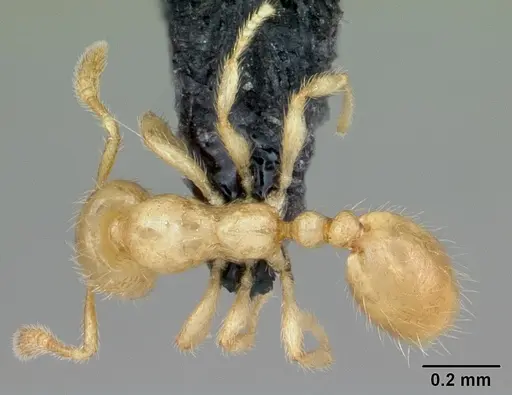
CASENT0173599
View on AntWeb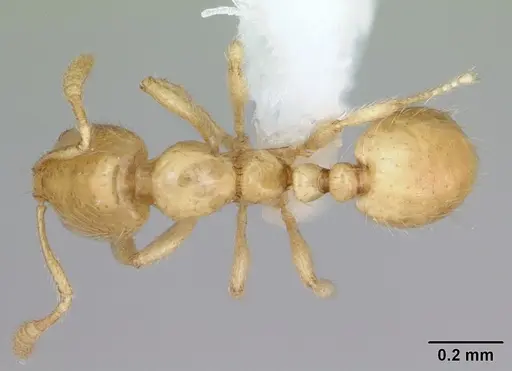
Literature
Loading...Loading products...