

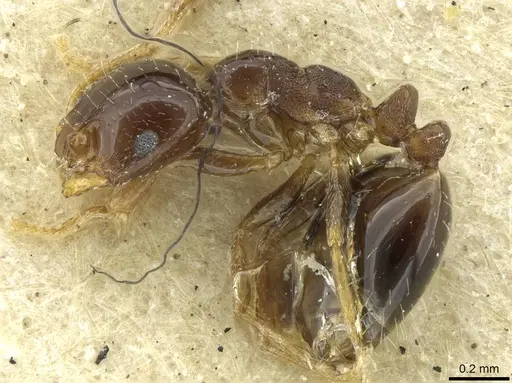
Monomorium malatu
- Scientific Name
- Monomorium malatu
- Tribe
- Solenopsidini
- Subfamily
- Myrmicinae
- Author
- Bolton, 1987
- Distribution
- Found in 4 countries
Monomorium malatu Overview
Monomorium malatu is an ant species of the genus Monomorium. It is primarily documented in 4 countries , including Congo, Democratic Republic of the, Rwanda. Detailed taxonomic data and occurrence records can be further explored via authoritative databases such as AntWeb or the Global Biodiversity Information Facility (GBIF).
Monomorium malatu
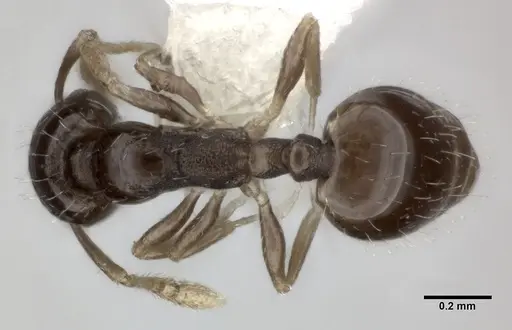
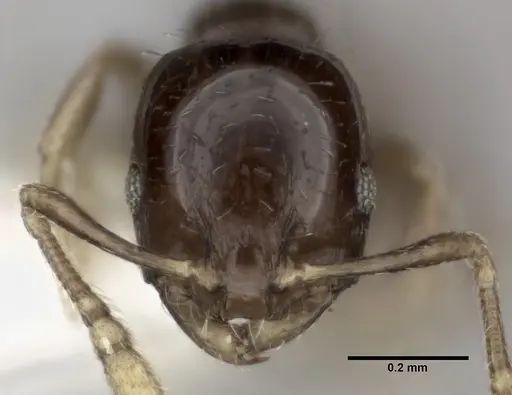
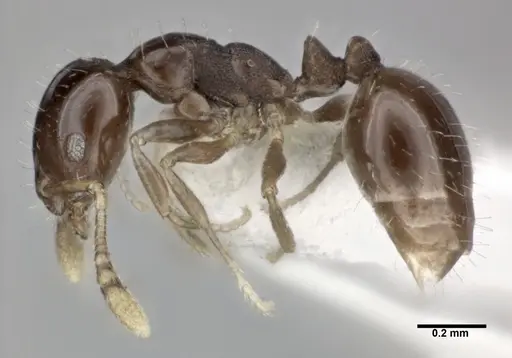
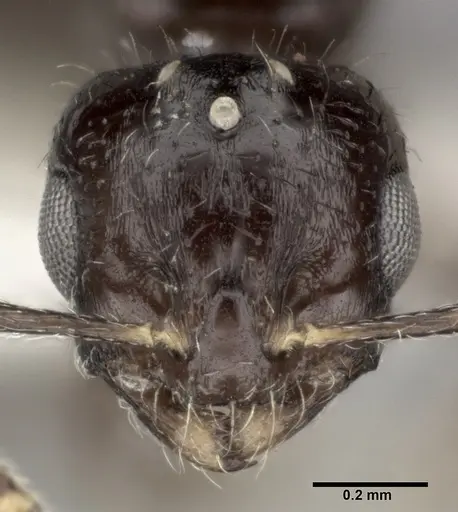
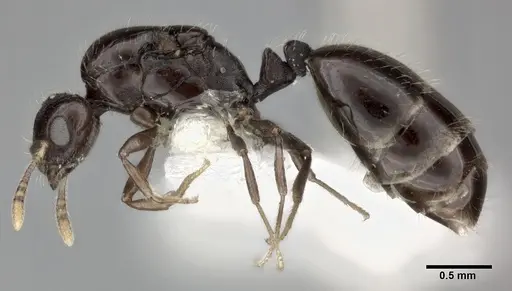
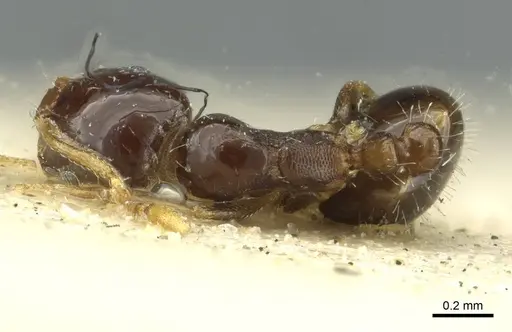
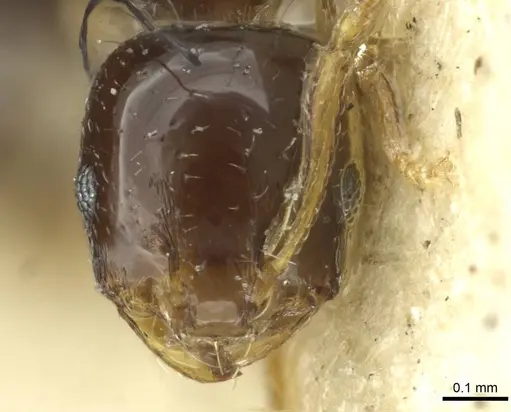
Monomorium malatu is a small ant species native to Central Africa, specifically documented in the Democratic Republic of Congo and Rwanda [1][2]. Workers are typical of the genus, small, measuring around 2-3mm, with a generally dark brown to black coloration. The genus Monomorium includes over 300 species worldwide, many of which are small, generalist-feeding ants that thrive in tropical and subtropical regions. This species was recorded in Akagera National Park in eastern Rwanda, a savanna and grassland ecosystem, suggesting it prefers open habitats with warm temperatures [2].
Quick Summary
- Difficulty: Medium
- Origin & Habitat: Central Africa, Democratic Republic of Congo (BC Province) and eastern Rwanda (Akagera National Park). Found in savanna and grassland ecosystems [1][2].
- Colony Type: Colony structure is unconfirmed. Many Monomorium species are monogyne (single queen), but some can be polygynous. Further research needed to confirm the typical colony structure for this specific species.
- Size & Growth:
- Queen: Estimated 5-7mm based on typical Monomorium genus morphology
- Worker: Estimated 2-3mm based on genus typical size
- Colony: Unknown for this specific species. Monomorium colonies typically range from dozens to several hundred workers.
- Growth: Moderate, inferred from related species
- Development: Estimated 6-8 weeks at optimal tropical temperatures based on related Monomorium species (Development time is estimated based on typical Monomorium genus patterns. Specific data for M. malatu is not available.)
- Antkeeping:
- Temperature: Keep at 24-28°C. As a tropical African species, they require warm conditions. A heating cable on one side of the nest can create a suitable gradient
- Humidity: Moderate humidity around 50-70%. Keep the nest substrate slightly moist but not waterlogged. Allow some drier areas for the ants to regulate their own moisture
- Diapause: Unknown, tropical African ants may not require a true diapause, but some form of seasonal slow-down may occur during cooler periods
- Nesting: In the wild, Monomorium species typically nest in soil or under stones in open habitats. In captivity, a test tube setup works well for founding colonies. For established colonies, a Y-tong or plaster nest with small chambers scaled to their tiny size is appropriate
- Behavior: Behavior is not specifically documented for this species. Based on genus typical behavior, they are likely generalist foragers that accept both sugar and protein sources. Workers are small but may show moderate activity levels. Escape prevention is important due to their tiny size, use fine mesh barriers and tight-fitting lids. Stinging capability is unknown but likely minimal given their small size, as with most tiny Monomorium species.
- Common Issues: tiny size makes escape likely without proper barriers, use fine mesh and check for gaps regularly, limited natural history data means care recommendations are based on genus patterns rather than species-specific research, tropical warmth requirements mean colonies may struggle in cool rooms, monitor temperatures closely, slow colony growth can test keeper patience, give them time to establish, wild-caught colonies may carry parasites or pathogens that can cause captive failures
Natural History and Distribution
Monomorium malatu is documented in two Central African locations: the BC Province in the Democratic Republic of Congo and Akagera National Park in eastern Rwanda [1][2]. The Akagera National Park collection represents the first record of this species in Rwanda [2]. The park features savanna and grassland ecosystems, suggesting this species prefers open, warm habitats rather than dense forest. The DRC location in BC Province (likely Bas-Congo) also supports a tropical climate with distinct wet and dry seasons. This species appears to be a rarely encountered ant in the region, with limited documentation in the scientific literature.
Housing and Nesting
For keeping Monomorium malatu in captivity, start with a standard test tube setup for the founding queen. Use a small test tube with a water reservoir at one end, plugged with cotton, this provides humidity without flooding the chamber. Once the colony reaches 20-30 workers, you can transition to a small formicarium. Given their tiny size, chambers and passages should be appropriately scaled, avoid large, open spaces that can make the ants feel exposed. A Y-tong (acrylic) nest or plaster nest works well. Ensure excellent escape prevention, these small ants can squeeze through surprisingly tiny gaps. Use fine mesh on any ventilation holes.
Feeding and Diet
Based on typical Monomorium genus behavior, this species is likely omnivorous and will accept both sugar and protein sources. Offer sugar water, honey, or diluted maple syrup as a constant sugar source. For protein, small insects like fruit flies, pinhead crickets, or mealworm pieces work well. Feed protein 2-3 times per week, adjusting based on colony size and consumption. Remove uneaten food promptly to prevent mold. Given their small size, portion sizes should be tiny, a few drops of sugar water and prey items smaller than the ants themselves.
Temperature and Seasonal Care
As a tropical African species, Monomorium malatu requires warm temperatures to thrive. Keep the nest area at 24-28°C. A heating cable placed on top of the nest (never underneath where it can dry out the substrate) can help maintain warmth, especially in cooler rooms. Monitor with a thermometer placed near the nest. Regarding diapause or winter rest: tropical ants often don't require a true hibernation, but you may observe reduced activity during cooler months. If your room temperature drops significantly in winter, consider providing gentle warmth. Avoid sudden temperature swings, stable conditions are better than fluctuating ones.
Frequently Asked Questions
How long does it take for Monomorium malatu to produce first workers?
The exact timeline is not documented, but based on related Monomorium species, expect first workers (nanitics) around 6-8 weeks after the queen lays eggs, assuming optimal temperatures around 26°C. Growth will be slow initially, be patient with founding colonies.
What temperature do Monomorium malatu ants need?
Keep them warm at 24-28°C. As a tropical African species from Rwanda and DRC, they need consistent warmth. A small heating cable or heat mat on one side of the nest can help maintain these temperatures.
Can I keep multiple queens together?
The colony structure for this species is not documented. Many Monomorium species are monogyne (single queen), but some are polygynous. Without specific data, it is not recommended to combine unrelated foundress queens, they may fight. If you obtain multiple queens, house them separately until you observe stable colony development.
How big do Monomorium malatu colonies get?
Colony size is not documented for this species. Based on typical Monomorium genus patterns, colonies likely reach several hundred workers at maximum. Growth is moderate, expect several months to a year to establish a decent-sized colony.
What do I feed Monomorium malatu?
They are likely omnivorous. Offer sugar water, honey, or diluted syrup as a constant carbohydrate source. For protein, provide small insects like fruit flies, tiny crickets, or mealworm pieces. Feed protein 2-3 times per week and remove uneaten food promptly.
Is Monomorium malatu a good species for beginners?
This species is rated as Medium difficulty. While not the most challenging, the limited natural history data means you may need to adapt care based on colony behavior. Their small size and warmth requirements demand attention to escape prevention and temperature control. If you're experienced with other Monomorium or small ant species, this can be a rewarding species to keep.
Do Monomorium malatu need hibernation?
As a tropical African species, they likely do not require a true hibernation. However, they may experience reduced activity during cooler periods. If room temperatures drop significantly in winter, they may become less active. Maintain warm conditions year-round for optimal colony development.
Why are my Monomorium malatu dying?
Common causes include: temperature too cold (below 24°C), humidity too dry or too wet, escape-related losses due to their tiny size, mold from uneaten food, or stress from disturbance. Review each of these factors and make gradual adjustments. Limited data on this species means some trial and error may be needed.
When should I move from test tube to formicarium?
Move to a small formicarium once the colony has 20-30 workers and the test tube is becoming crowded. Ensure the new nest has appropriately sized chambers for their small body size. Continue providing a test tube water source until the colony is well-established in the formicarium.
References

This caresheet is licensed under CC BY-SA 4.0 .
Literature
Loading...Loading products...