

Monomorium luisae
- Scientific Name
- Monomorium luisae
- Tribe
- Solenopsidini
- Subfamily
- Myrmicinae
- Author
- Forel, 1904
- Distribution
- Found in 1 countries
Monomorium luisae Overview
Monomorium luisae is an ant species of the genus Monomorium. It is primarily documented in 1 countries , including India. Detailed taxonomic data and occurrence records can be further explored via authoritative databases such as AntWeb or the Global Biodiversity Information Facility (GBIF).
Monomorium luisae
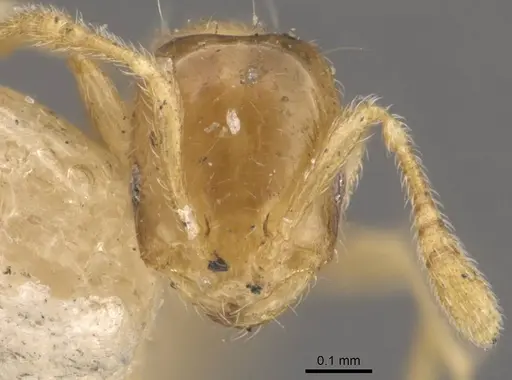
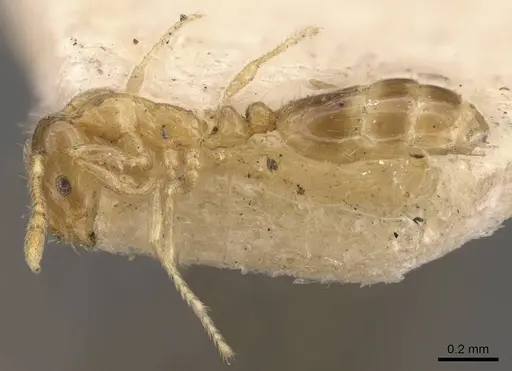
Monomorium luisae is a tiny myrmicine ant species native to the Himalayan regions of India and Pakistan, particularly Kashmir. Workers are small and typically yellowish to light brown, characteristic of the genus Monomorium. The species was first described by Forel in 1904 from the Kashmir valley. This is a high-altitude species found at elevations around 2000 meters above sea level, which means they naturally inhabit cooler, mountainous environments. As a small ant in the Solenopsidini tribe, they are active foragers that likely nest in soil or under stones in their natural habitat.
Quick Summary
- Difficulty: Medium
- Origin & Habitat: Himalayan regions of India and Pakistan, specifically Kashmir and Jammu & Kashmir states. Found at elevations around 2000 meters above sea level [1][2][3]. They inhabit mountainous terrain with cooler temperatures.
- Colony Type: Colony structure is unconfirmed. Most Monomorium species are monogyne (single queen), though some can be polygyne. The presence of ergatoid (wingless) replacement queens has not been documented for this species.
- Colony: Monogyne
- Founding: Claustral
- Size & Growth:
- Queen: Estimated 5-7mm based on genus patterns for similar Monomorium species
- Worker: Estimated 2-3mm based on genus patterns
- Colony: Likely several hundred workers based on typical Monomorium colony sizes
- Growth: Moderate, inferred from typical genus development
- Development: Estimated 6-8 weeks at optimal temperature based on related Monomorium species (Development time is estimated from genus-level data as species-specific measurements are unavailable)
- Antkeeping:
- Temperature: Keep at 18-24°C, with a slight gradient. Their high-altitude Himalayan origin means they prefer cooler conditions than many tropical ants. Room temperature in most homes should work well. A heating cable on one side of the nest can create a gradient if your space runs cool.
- Humidity: Moderate humidity around 50-60%. Keep the nest substrate slightly moist but allow some drying between waterings. Avoid overly damp conditions that can cause mold.
- Diapause: Yes, a winter rest period is recommended given their Himalayan origin. Reduce temperature to 10-15°C for 2-3 months during winter. Do not feed during this period but ensure some moisture is available.
- Nesting: They do well in test tubes for founding colonies. Once established (50+ workers), a Y-tong or acrylic nest with narrow chambers works well. They prefer tight spaces scaled to their tiny size. Naturalistic setups with soil and stones also work.
- Behavior: These are small, active ants that are generally peaceful but can be defensive if their nest is threatened. They are foragers that likely hunt small prey and collect honeydew. Workers are quick-moving and may escape if given the chance, their small size means escape prevention must be excellent. They do not have a painful sting, though the tiny stingers may be present.
- Common Issues: escape prevention is critical due to their very small size, use fine mesh and tight-fitting lids, colonies grow slowly which can frustrate beginners, patience is key, overheating is a risk, they prefer cooler temperatures than many tropical species, wild-caught colonies may have parasites that can devastate captive populations, test tube flooding can drown colonies, use appropriate water reservoir size
Housing and Nest Setup
For founding colonies, a standard test tube setup works well. Fill the tube about one-third with water, plug with cotton, and place the queen in the tube. The queen will seal herself in a chamber and lay eggs. Once you have 30-50 workers, consider moving to a small formicarium. Y-tong nests or acrylic nests with narrow chambers work well for these tiny ants. The chambers should be tight-fitting to their body size, too much open space stresses them. A small outworld connected to the nest allows for feeding. Use a test tube for water in the outworld to prevent drowning.
Feeding and Diet
Monomorium luisae likely accepts small protein sources like fruit flies, pinhead crickets, and other tiny insects. They probably also collect honeydew and sugar water, common for the genus. Offer a drop of sugar water or honey once or twice a week, and protein prey every few days. Remove uneaten prey after 24 hours to prevent mold. Since they are small, the prey items should be appropriately sized, nothing larger than their head. Live prey is preferred but they will accept pre-killed items.
Temperature and Seasonal Care
This is a cool-adapted species from high altitudes. Keep temperatures in the 18-24°C range, they do not need warmth like tropical ants. In fact, overheating above 28°C can be harmful. A room-temperature environment is often ideal. During winter (October to March), simulate hibernation by reducing temperatures to 10-15°C. This diapause period is important for colony health and may trigger spring breeding. Do not feed during hibernation but ensure the nest does not dry out completely. Return to normal temperatures gradually in spring.
Colony Development and Growth
Colony growth is moderate. The queen will lay eggs after sealing herself in during claustral founding. First workers (nanitics) typically appear in 6-8 weeks based on genus patterns, though this is unconfirmed for this specific species. Nanitics are smaller than mature workers and may take several months to develop into full-sized workers. A healthy colony may reach several hundred workers over 1-2 years. Growth is slower than many tropical species, this is normal for a cool-adapted ant. Patience is essential during the founding phase.
Behavior and Temperament
These are active, foraging ants that search for food across their territory. They are not particularly aggressive but will defend their nest if threatened. Workers are fast-moving due to their small size. They do not have a painful sting, though very small stingers may be present. The main concern for keepers is their ability to escape through tiny gaps. Always use excellent escape prevention, fine mesh on all openings, fluon barriers on smooth surfaces, and tight-fitting lids. They are best observed through a magnifying glass given their tiny size.
Frequently Asked Questions
How long does it take for Monomorium luisae to produce first workers?
Based on typical Monomorium development, expect first workers in about 6-8 weeks after the queen lays eggs. This is an estimate since species-specific development data is not available. The queen seals herself in during founding and lives off her stored fat until the first workers emerge.
What temperature do Monomorium luisae ants need?
Keep them at 18-24°C. This species comes from high-altitude Himalayan regions and prefers cooler temperatures than many tropical ants. Room temperature is usually ideal. Avoid temperatures above 28°C as this can harm the colony.
Do Monomorium luisae ants need hibernation?
Yes, a winter diapause is recommended given their Himalayan origin. Reduce temperatures to 10-15°C for 2-3 months during winter (typically October-March). Do not feed during this period but ensure some moisture is available. This rest period supports colony health.
What do Monomorium luisae ants eat?
They likely accept small insects like fruit flies, pinhead crickets, and other tiny arthropods. They also probably collect honeydew and sugar water. Offer protein prey a few times per week and sugar water or honey once or twice weekly. Remove uneaten food after 24 hours.
Are Monomorium luisae good for beginners?
This is a medium-difficulty species. They are small and require excellent escape prevention, which can be challenging. Their slower growth and hibernation requirements also require patience. However, their moderate temperature needs are easy to meet in most homes. Experienced antkeepers should have success with this species.
How big do Monomorium luisae colonies get?
Based on typical Monomorium species, colonies likely reach several hundred workers over 1-2 years. Exact colony size is unconfirmed for this species. Growth is moderate and slower than many tropical ants.
Can I keep multiple Monomorium luisae queens together?
The colony structure is unconfirmed for this species. Most Monomorium are monogyne (single queen), though some can be polygyne. It is not recommended to combine unrelated foundress queens as they may fight. Wait until you have an established colony before attempting any colony structure experiments.
When should I move Monomorium luisae to a formicarium?
Keep them in a test tube for the founding stage. Once the colony reaches 30-50 workers and the test tube is showing signs of degradation (mold, condensation issues), consider moving to a small formicarium. A Y-tong or acrylic nest with narrow chambers works well for their tiny size.
Why are my Monomorium luisae dying?
Common causes include: overheating (keep below 28°C), escape through tiny gaps, test tube flooding, mold from overwatering, parasites from wild-caught colonies, or stress from too much open space. Check your setup against these common issues. Their slow growth can also lead keepers to overfeed, which causes mold problems.
References

This caresheet is licensed under CC BY-SA 4.0 .
CASENT0908701
View on AntWeb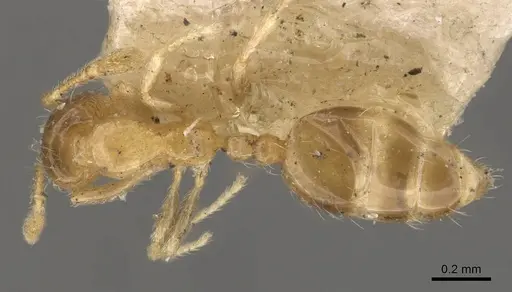
Literature
Loading...Loading products...