

Monomorium indicum
- Scientific Name
- Monomorium indicum
- Tribe
- Solenopsidini
- Subfamily
- Myrmicinae
- Author
- Forel, 1902
- Common Name
- Ant
- Distribution
- Found in 3 countries
Monomorium indicum Overview
Monomorium indicum (commonly known as the Ant) is an ant species of the genus Monomorium. It is primarily documented in 3 countries , including Afghanistan, India, Pakistan. Detailed taxonomic data and occurrence records can be further explored via authoritative databases such as AntWeb or the Global Biodiversity Information Facility (GBIF).
Monomorium indicum - "Ant"
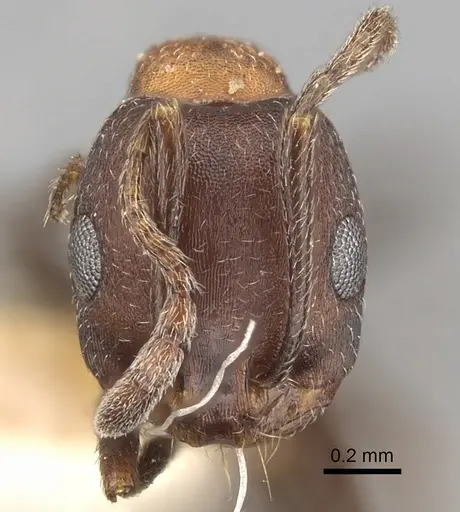
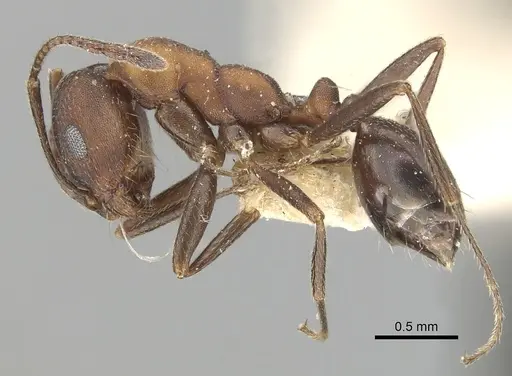
Monomorium indicum is a small to medium-sized ant native to South and Southeast Asia, ranging from India and Pakistan through Afghanistan and the UAE. Workers measure 2.5-3.5mm with a distinctive color pattern: the head, thorax, and pedicel are reddish-brown while the abdomen is dark brown to black. Queens are significantly larger at 7-8mm. This species is highly adaptable, found in forests, grasslands, agricultural areas, and even inside human dwellings. It nests in soil near water sources and in trees, with small colony sizes typical of the genus. The species is considered an opportunist and has been recorded as invasive in some regions, including detection at the New Zealand border [1].
Quick Summary
- Difficulty: Easy
- Origin & Habitat: Native to South and Southeast Asia (India, Pakistan, Afghanistan, Myanmar, UAE). Found across diverse habitats including forests, grasslands, agricultural areas, and human settlements. Nests in soil near water sources and in trees at elevations up to 2500m [2][3].
- Colony Type: Likely monogyne (single queen colonies) based on typical Monomorium patterns. Colonies are relatively small.
- Colony: Monogyne
- Founding: Claustral
- Size & Growth:
- Queen: 7-8 mm [4]
- Worker: 2.5-3.5 mm [4]
- Colony: Likely small to moderate (under 500 workers) based on genus patterns
- Growth: Moderate
- Development: 6-8 weeks (estimated based on typical Monomorium development) (Development time estimated from genus-level data. Queens are claustral, they seal themselves in and raise the first brood alone using stored fat reserves.)
- Antkeeping:
- Temperature: Keep at 22-26°C. This species tolerates a range of conditions from warm tropical to temperate, having been found from sea level up to 2500m elevation [2]. Room temperature within this range is typically suitable.
- Humidity: Moderate humidity around 50-70%. Provide a water tube for drinking moisture. The species naturally occurs near water sources in the wild, so avoid completely dry conditions.
- Diapause: Likely no true diapause required. Present year-round in its tropical to subtropical range, though activity may reduce in cooler months [5]. A slight reduction in feeding during winter months may occur.
- Nesting: Use test tubes for founding colonies. Established colonies do well in small acrylic nests or Y-tong style setups. Provide moist substrate as they naturally nest in soil near water sources. A small water tube connected to the nest helps maintain humidity.
- Behavior: This is an active, opportunistic forager. Workers are predatory and will hunt small insects, and they also tend aphids for honeydew, a common behavior documented in their native range [3]. They are not particularly aggressive but will defend their colony. Workers are small (2.5-3.5mm) so escape prevention is important, they can slip through small gaps. They are attracted to sweet foods and protein sources. In the wild, they nest in soil with small openings marked by sandy granules [6] and forage both on the ground and on plant stems.
- Common Issues: small size means escapes are likely without fine mesh barriers, colonies may decline if protein food is not regularly offered, wild-caught colonies may have parasites that affect survival, overfeeding can lead to mold in nest setups, calcium in substrate may negatively affect this species, use minimal calcium-rich materials [6]
Housing and Setup
Monomorium indicum is a small ant that does well in standard test tube setups for founding colonies. Use a test tube with a water reservoir plugged with cotton, this provides humidity and drinking water. Once the colony reaches 20-30 workers, you can move them to a small formicarium or Y-tong style nest. Because workers are only 2.5-3.5mm, ensure your setup has no gaps larger than 1mm. Apply fluon or use fine mesh barriers to prevent escapes. The species naturally nests in soil near water sources, so include a moist area in the nest. A small outworld for foraging allows you to offer food away from the nest, helping keep the nest clean. [3][6]
Feeding and Diet
In the wild, Monomorium indicum is predatory and also tends aphids for honeydew [3]. Feed your colony a varied diet: small insects like fruit flies, pinhead crickets, or mealworms for protein, and sugar water or honey for carbohydrates. They will also accept honeydew directly if you keep them near aphid-infested plants. Feed protein 2-3 times per week, and keep a constant sugar source available. Remove uneaten food after 24 hours to prevent mold. Young colonies may need only tiny prey items, wingless fruit flies work well for small colonies.
Temperature and Seasonal Care
Keep your colony at 22-26°C. This species tolerates a wide temperature range having been found from lowland areas up to 2500m elevation in the Himalayas [2]. Room temperature is usually suitable. In their native range across India, Pakistan, and Afghanistan, they are active year-round though may reduce activity in cooler months [5]. No formal hibernation is required, but you might notice reduced feeding and activity during winter if your home cools down. Simply maintain normal care, they will resume full activity when temperatures rise again.
Colony Development
Queens are 7-8mm and claustral, they seal themselves in a chamber and raise the first brood alone without foraging. The first workers (nanitics) will be smaller than normal workers. Development from egg to worker likely takes 6-8 weeks at warm temperatures, based on typical Monomorium patterns. Colony growth is moderate, expect several months to reach 50 workers, then growth may accelerate. Maximum colony size is not well documented but likely stays under 500 workers given the small worker size and typical genus patterns. Colonies are probably monogyne with a single queen.
Behavior and Temperament
Monomorium indicum is an active, opportunistic species. Workers forage both on the ground and up plant stems, searching for insects and honeydew. They are not particularly aggressive but will defend the nest if threatened. The species is considered weedy and adaptable, able to colonize disturbed areas including agricultural land and human dwellings [7]. In the wild, they have been found nesting in houses and shops [8]. Workers are attracted to sweet baits and will readily take honey water. Their small size makes them quick colonizers but also means they can escape through tiny gaps, excellent escape prevention is essential.
Frequently Asked Questions
How long does it take for Monomorium indicum to have first workers?
Expect first workers (nanitics) in about 6-8 weeks after the queen lays eggs, at optimal warm temperatures around 24-26°C. This is an estimate based on typical Monomorium development patterns, as specific timing for this species has not been documented.
Can I keep Monomorium indicum in a test tube?
Yes, test tubes work well for founding colonies. Use a standard test tube with a water reservoir and cotton plug. Keep it horizontal so the queen can retreat to the humid end if needed. Once the colony grows beyond 30-50 workers, consider moving to a small formicarium.
What do Monomorium indicum ants eat?
They need a mixed diet of protein and sugar. Offer small insects like fruit flies, pinhead crickets, or chopped mealworms. Also provide sugar water, honey, or honeydew. They are predatory and will actively hunt small prey.
Are Monomorium indicum good for beginners?
Yes, this is a good beginner species. They are small, adaptable, and not aggressive. They tolerate a range of temperatures and don't require special hibernation care. The main challenge is their small size requiring good escape prevention.
How big do Monomorium indicum colonies get?
Colony size is not well documented but likely stays moderate, probably under 500 workers based on typical Monomorium patterns. They are not among the largest ant species.
Do Monomorium indicum need hibernation?
No formal hibernation is required. This species is native to tropical and subtropical regions where temperatures remain warm year-round. They may show reduced activity in cooler months but will stay active with normal care in a heated home.
Why are my Monomorium indicum escaping?
Their small size (2.5-3.5mm) means they can slip through tiny gaps. Use fine mesh on all openings, apply fluon to smooth surfaces, and check for any gaps larger than 1mm. Excellent escape prevention is essential for this species.
What temperature is best for Monomorium indicum?
Keep them at 22-26°C. Room temperature in most homes falls within this range. They tolerate a wide range having been found from sea level to 2500m elevation, but avoid extremes below 18°C or above 30°C.
References

This caresheet is licensed under CC BY-SA 4.0 .
CASENT0172664
View on AntWeb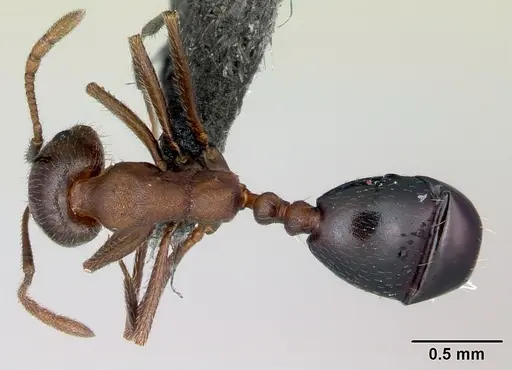
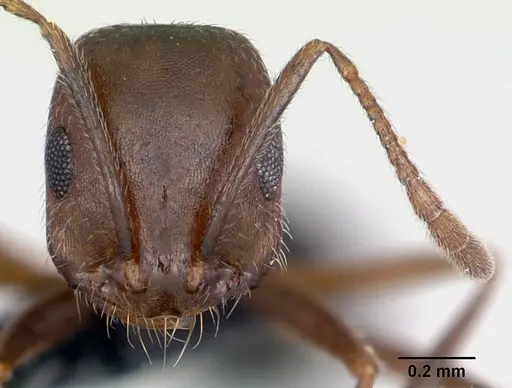
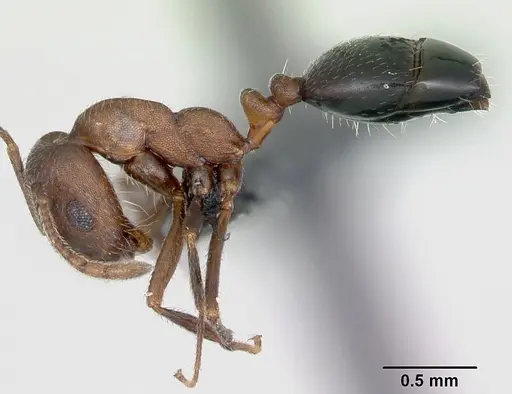
CASENT0249869
View on AntWeb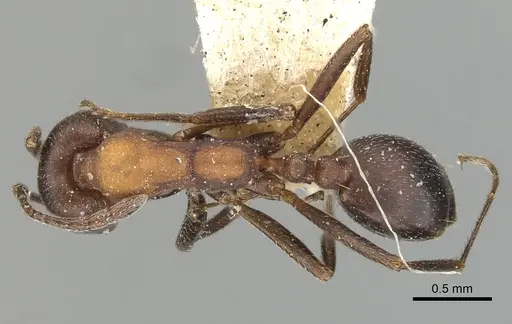
Literature
Loading...Loading products...