

Monomorium butteli
- Scientific Name
- Monomorium butteli
- Tribe
- Solenopsidini
- Subfamily
- Myrmicinae
- Author
- Forel, 1913
- Distribution
- Found in 2 countries
Monomorium butteli Overview
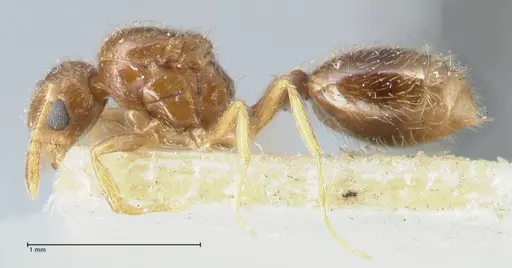
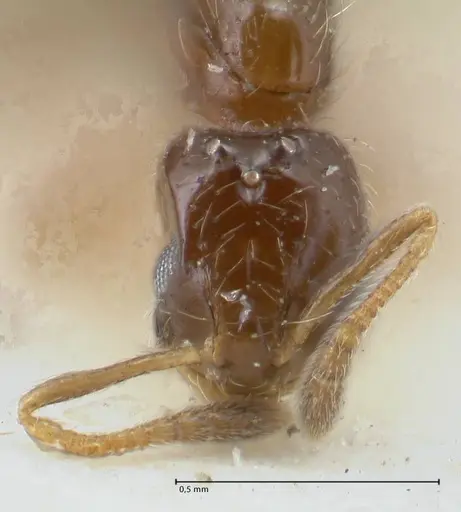
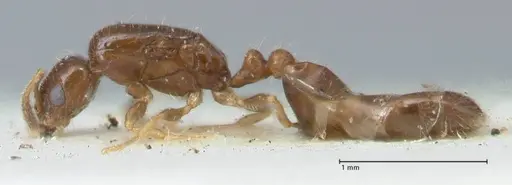
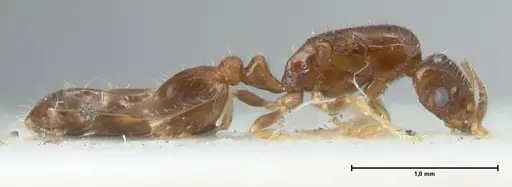
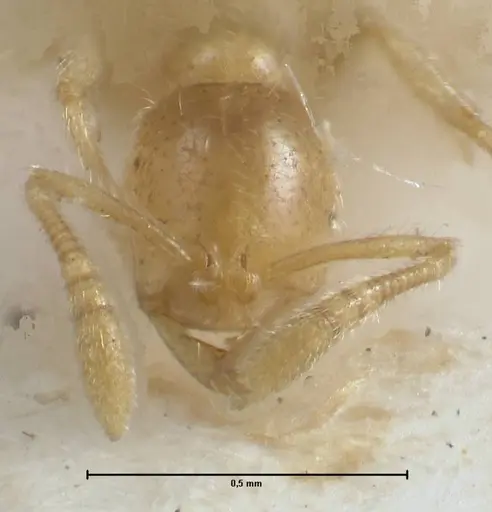
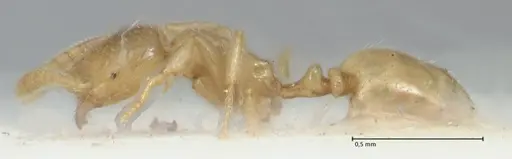
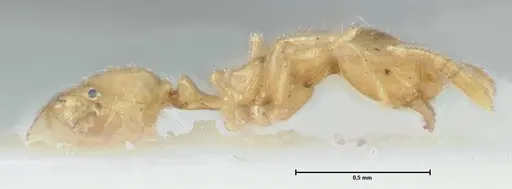
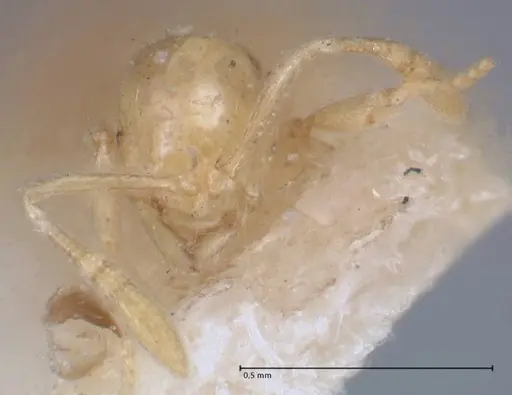
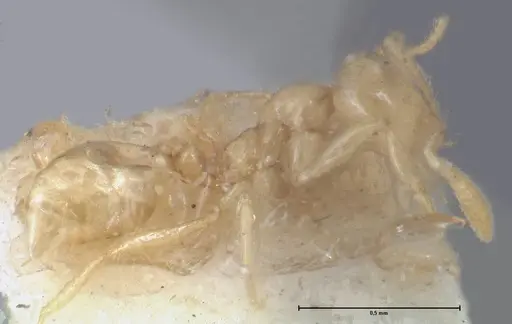
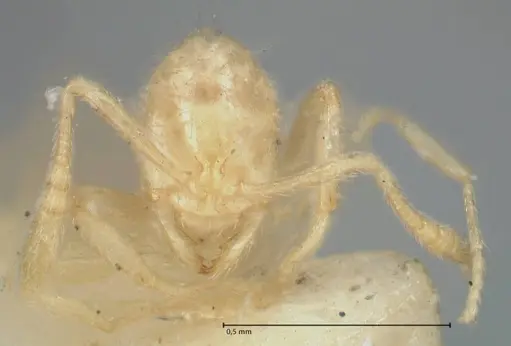
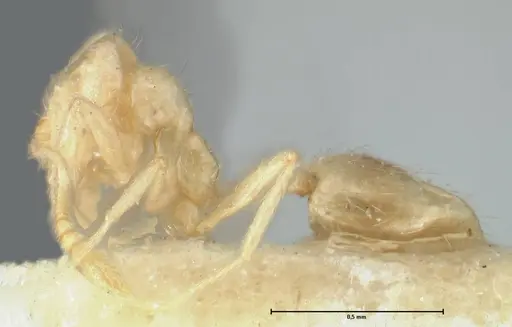
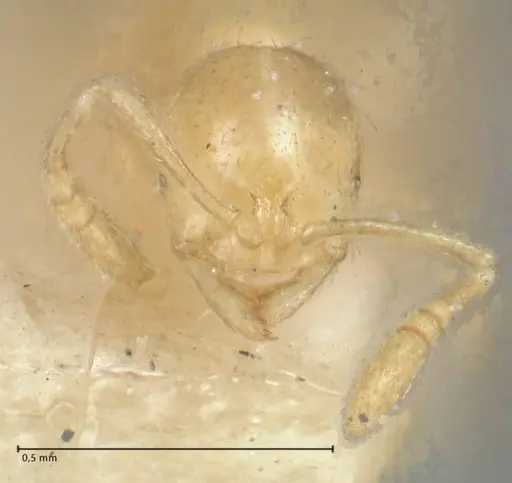
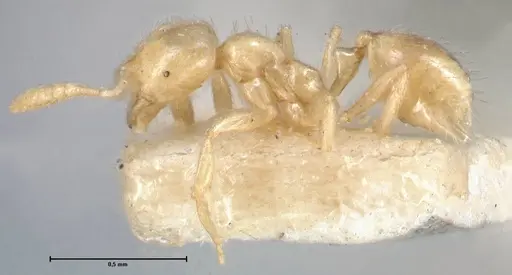
Monomorium butteli is an ant species of the genus Monomorium. It is primarily documented in 2 countries , including Indonesia, Singapore. Detailed taxonomic data and occurrence records can be further explored via authoritative databases such as AntWeb or the Global Biodiversity Information Facility (GBIF).
Monomorium butteli
Monomorium butteli is a small ant species native to the Indomalaya region, specifically found in Indonesia (Sumatra) and surrounding areas [1]. Workers are tiny ants that have been documented nesting under flower pots in human-modified environments, suggesting they adapt well to urban settings [2][3]. The genus Monomorium belongs to the subfamily Myrmicinae and includes many small, reddish to dark brown ants commonly found in tropical regions. This species remains poorly studied in the scientific literature, with most available information coming from early collection records rather than detailed biological studies.
Quick Summary
- Difficulty: Medium
- Origin & Habitat: Indonesia (Sumatra) and Singapore region, found in tropical environments and human-modified areas like under flower pots [2][3][1]
- Colony Type: Unconfirmed colony structure, likely single-queen colonies based on typical Monomorium patterns
- Colony: Monogyne
- Founding: Claustral
- Size & Growth:
- Queen: Estimated 5-7mm based on genus patterns
- Worker: Estimated 2-3mm based on genus patterns
- Colony: Unknown for this specific species, likely several hundred workers based on related Monomorium species
- Growth: Moderate, estimated based on genus patterns
- Development: Estimated 6-8 weeks at tropical temperatures (25-28°C) based on related species (Development time is estimated from genus-level data since species-specific studies are unavailable)
- Antkeeping:
- Temperature: Keep at 24-28°C, being a tropical species from Sumatra, they prefer warm conditions. A heating cable on one side of the nest can create a suitable gradient.
- Humidity: Maintain moderate to high humidity (60-80%). Keep the nest substrate consistently moist but not waterlogged. These ants have been found in damp situations under flower pots.
- Diapause: No, as a tropical species, they do not require hibernation. Maintain consistent temperatures year-round.
- Nesting: In nature they nest in soil and under objects like flower pots. In captivity, a test tube setup or Y-tong nest with moist substrate works well. Their small size means they need tight-fitting barriers.
- Behavior: These are small, generally non-aggressive ants that forage quietly. They are not known to be particularly defensive or to sting significantly. Their tiny size means they can easily escape through small gaps, excellent escape prevention is essential. They likely forage for small insects and honeydew like other Monomorium species.
- Common Issues: escape prevention is critical due to their very small size, use fine mesh and tight-fitting lids, humidity control is important, too dry and colonies will fail, too wet can cause mold issues, slow growth compared to larger ant species may frustrate beginners, wild-caught colonies may have parasites or diseases that kill them in captivity, limited information means some care aspects require experimentation
Housing and Nest Setup
Monomorium butteli is a tiny ant species, so housing must account for their small size. A test tube setup works well for founding colonies, use a small test tube with a cotton ball separating the water reservoir from the ants. The tube should be kept horizontal or slightly tilted so workers can access water. For established colonies, a Y-tong (acrylic) nest with narrow chambers or a small naturalistic setup works well. Because of their tiny size, escape prevention is critical, use fine mesh (at least 0.5mm or smaller) on any openings and ensure all lids fit tightly. These ants have been found under flower pots in the wild, suggesting they prefer enclosed, humid spaces with some soil substrate. [2][3]
Feeding and Diet
Like most Monomorium species, these ants are omnivorous and will accept a variety of foods. Offer sugar water or honey as a constant energy source, they are small so use a very small container or cotton ball to prevent drowning. For protein, offer small live prey like fruit flies, pinhead crickets, or small mealworms. Since they are small, prey items should be appropriately sized, no larger than the ants themselves. You can also offer small amounts of seeds if they show interest, though this is less common for the genus. Feed protein every 2-3 days and keep sugar water available at all times. Remove uneaten food promptly to prevent mold.
Temperature and Humidity
Being from tropical Sumatra, Monomorium butteli requires warm and humid conditions. Maintain temperatures between 24-28°C (75-82°F) for optimal colony health and development. A slight temperature gradient is beneficial, place a heating cable on one side of the nest set to around 28°C while leaving the other side at room temperature (around 24°C). This allows ants to regulate their own temperature. Humidity should be kept at 60-80%, the nest substrate should feel damp but not be waterlogged. Mist the outworld occasionally but avoid letting water pool in the nest area. Since they are tropical, no hibernation or diapause is needed, maintain consistent conditions year-round. [1]
Colony Development and Growth
Colony growth is expected to be moderate rather than rapid. A newly mated queen will lay eggs after sealing herself in a claustral chamber (this is estimated based on genus patterns, not directly documented for this species). The first workers, called nanitics, will be smaller than normal workers and will emerge after approximately 6-8 weeks at optimal temperatures. After the nanitics arrive, the colony will gradually grow as the queen continues laying eggs. Full colony development to several hundred workers likely takes 1-2 years under good conditions. Be patient, small tropical ants often grow more slowly than larger temperate species. Avoid disturbing the queen during the founding stage as this can cause her to eat her eggs or abandon the nest.
Behavior and Temperament
Monomorium butteli is generally a calm, non-aggressive species. Workers are small and go about their foraging quietly without the dramatic territorial behaviors seen in some larger ants. They are not known to sting significantly, their small size means any sting would be negligible to humans. However, their tiny size makes them excellent escape artists. Always check that your setup is escape-proof, even a small gap in a lid or a loose connection between nest parts can allow them to escape. They are primarily ground-nesting and will create tunnels in moist substrate. In the wild, they have been found nesting under flower pots, suggesting they prefer enclosed, sheltered locations. [2][3]
Frequently Asked Questions
How long does it take for Monomorium butteli to have first workers?
Expect first workers (nanitics) to emerge in approximately 6-8 weeks after the queen lays eggs, assuming temperatures are maintained at 24-28°C. This is an estimate based on related Monomorium species since specific development data for this species is not available.
Can I keep Monomorium butteli in a test tube?
Yes, test tubes work well for founding colonies. Use a small-diameter test tube with a water reservoir separated by a cotton ball. Keep it horizontal so the colony can move between the wet and dry areas. Ensure the cotton is packed tightly to prevent the queen from escaping.
What temperature do Monomorium butteli ants need?
Keep them warm at 24-28°C (75-82°F). Being from tropical Sumatra, they do not tolerate cool temperatures well. A heating cable on part of the nest can help maintain these temperatures, but always provide a cooler area so ants can escape if they get too warm.
How big do Monomorium butteli colonies get?
Colony size is not well documented for this species, but based on related Monomorium species, colonies likely reach several hundred workers over 1-2 years. They are not among the largest ant species.
Do Monomorium butteli need hibernation?
No, they do not need hibernation. Being a tropical species from Sumatra, they require consistent warm temperatures year-round. Do not expose them to temperatures below 20°C for extended periods.
What do Monomorium butteli eat?
They are omnivorous like most Monomorium species. Offer sugar water or honey constantly, and protein sources like small insects (fruit flies, pinhead crickets, small mealworms) every 2-3 days. Remove uneaten food promptly to prevent mold.
Why are my Monomorium butteli escaping?
Their tiny size makes them excellent escape artists. Check all openings for gaps, even tiny spaces that larger ants cannot pass through. Use fine mesh (0.5mm or smaller) on any ventilation holes and ensure all lids fit tightly. Examine connections between nest parts and outworld tubing carefully.
Are Monomorium butteli good for beginners?
They are moderate difficulty, their small size and specific humidity needs require more attention than larger, more resilient species. However, they are not aggressive and don't require hibernation, which simplifies year-round care. Beginners should be prepared for their escape-prone nature and need for consistent warmth.
When should I move my colony to a formicarium?
Wait until the colony has at least 20-30 workers before moving to a larger nest. Moving too early can stress the colony. A Y-tong or acrylic nest with narrow chambers works well for their small size. Always ensure the new setup has matching humidity levels to prevent stress.
References

This caresheet is licensed under CC BY-SA 4.0 .
CASENT0908693
View on AntWeb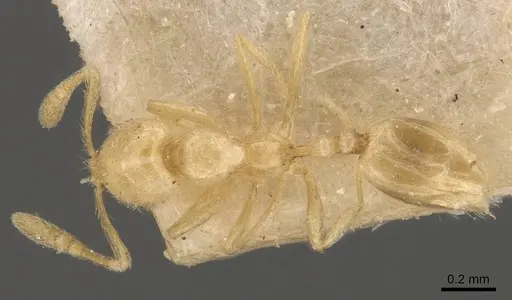
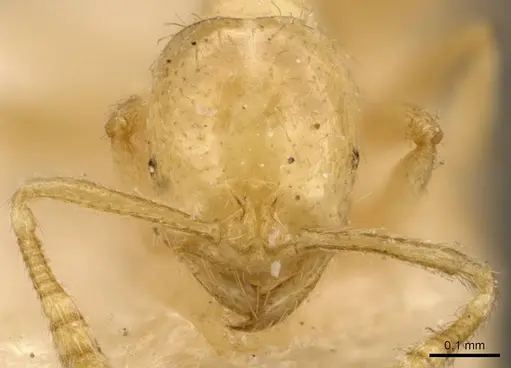
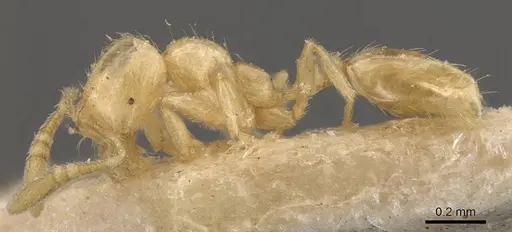
CASENT0908694
View on AntWeb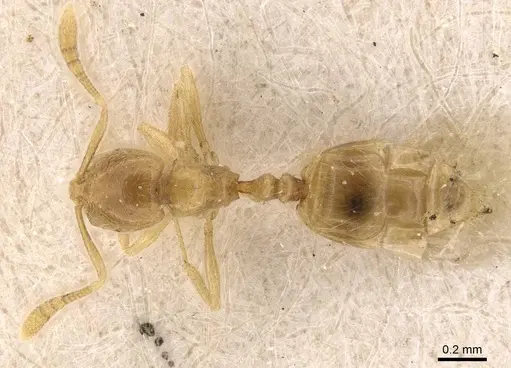
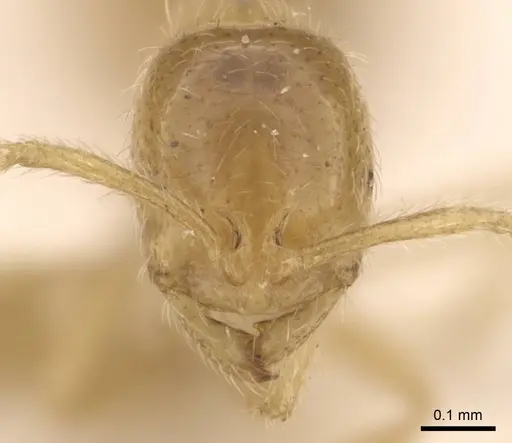
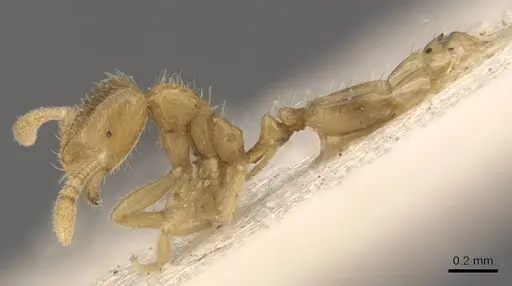
FOCOL1692
View on AntWeb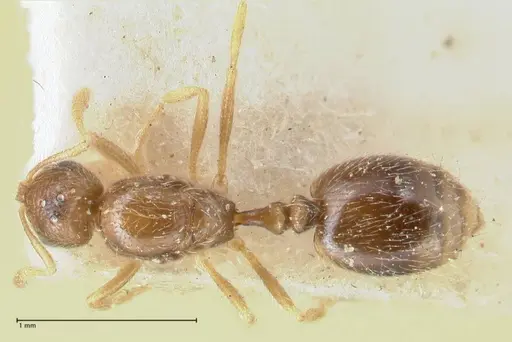
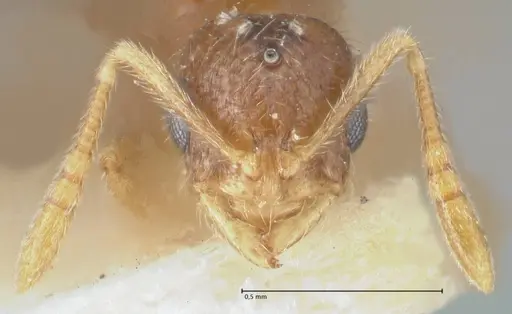
FOCOL1693
View on AntWeb
FOCOL1694
View on AntWeb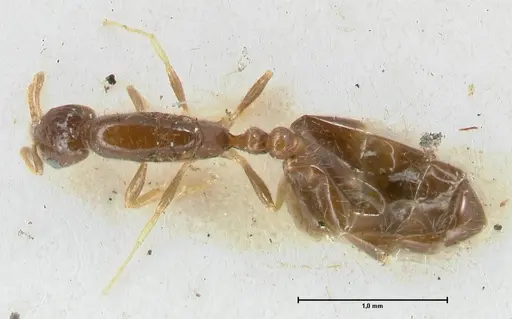
FOCOL1695
View on AntWeb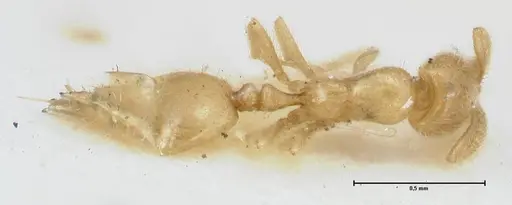
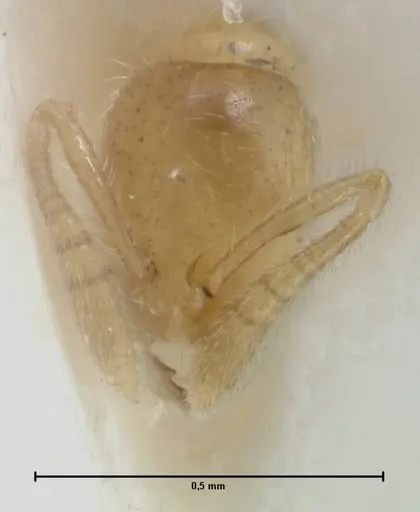
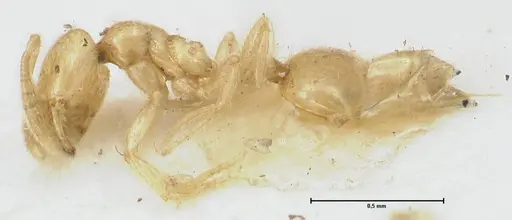
FOCOL1696
View on AntWeb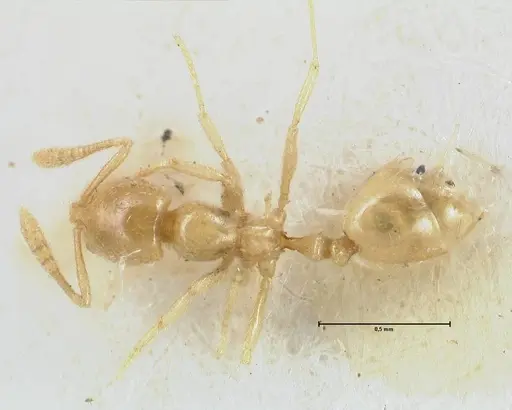
FOCOL1697
View on AntWeb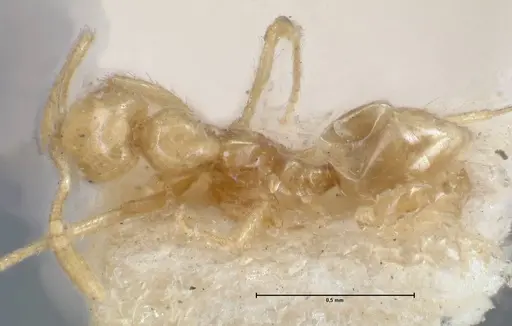
FOCOL1698
View on AntWeb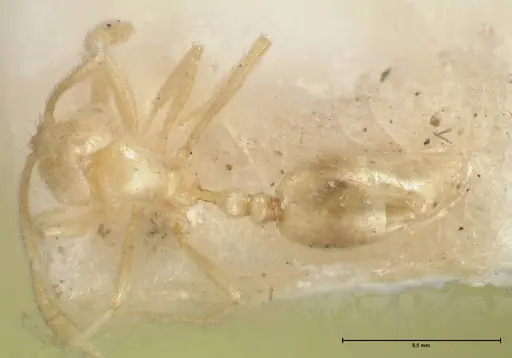
FOCOL1699
View on AntWeb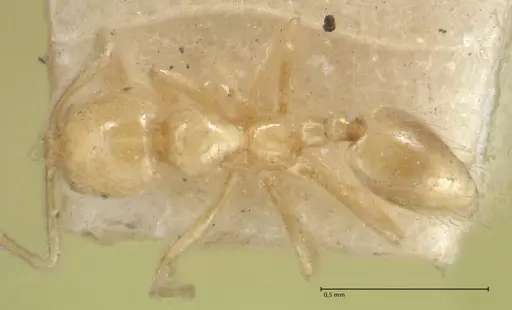
Literature
Loading...Loading products...