

Monomorium atomum
- Scientific Name
- Monomorium atomum
- Tribe
- Solenopsidini
- Subfamily
- Myrmicinae
- Author
- Forel, 1902
- Distribution
- Found in 3 countries
Monomorium atomum Overview
Monomorium atomum is an ant species of the genus Monomorium. It is primarily documented in 3 countries , including India, Singapore, Viet Nam. Detailed taxonomic data and occurrence records can be further explored via authoritative databases such as AntWeb or the Global Biodiversity Information Facility (GBIF).
Monomorium atomum
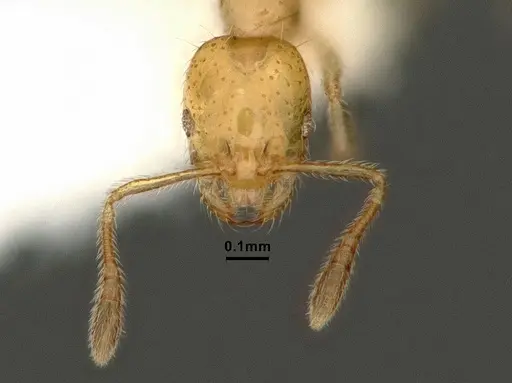
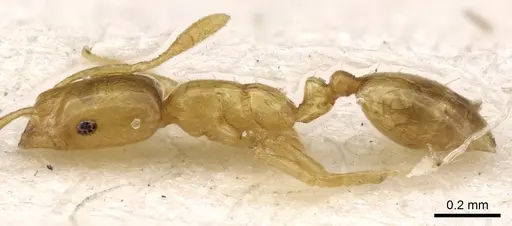
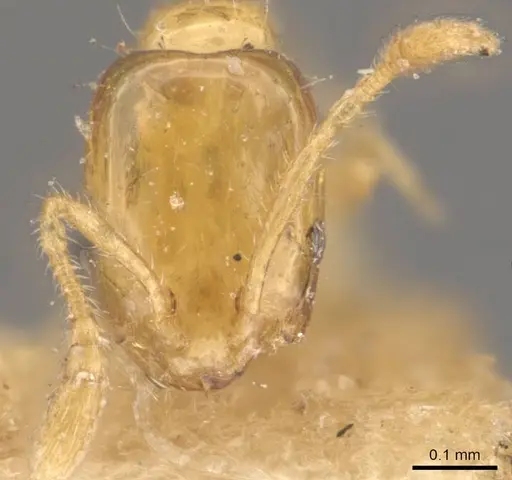
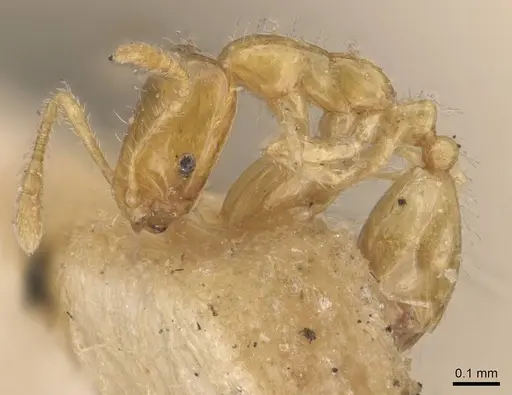
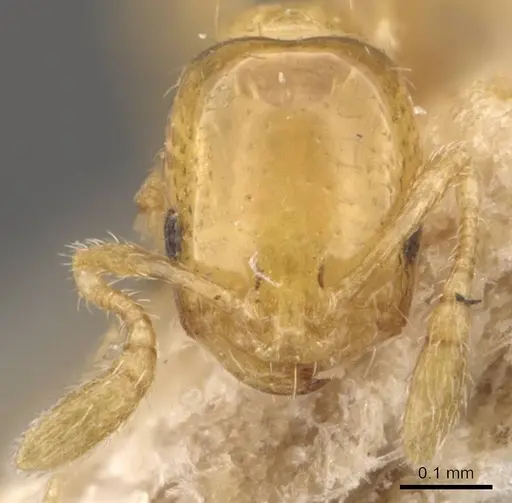
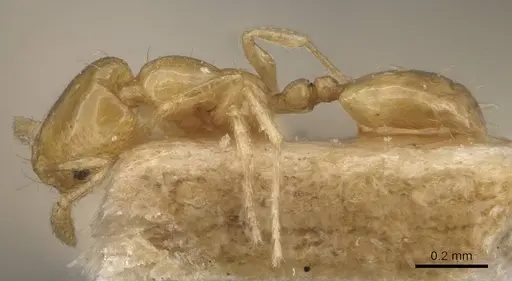
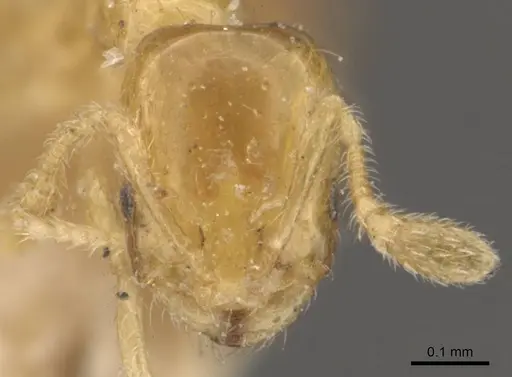
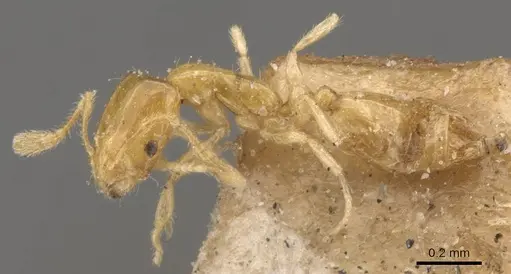
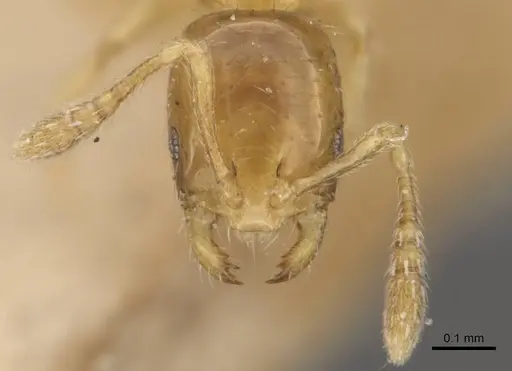
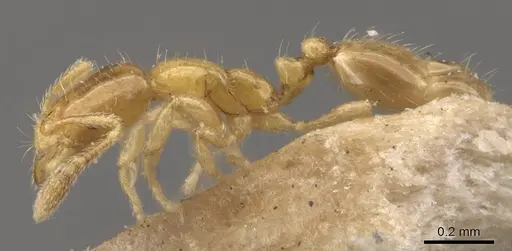
Monomorium atomum is a tiny yellow ant species native to South Asia and the Arabian Peninsula. Workers measure just 1.2-1.3mm, making them one of the smaller ant species you'll encounter [1]. They have a smooth, shining body with a distinctly longer-than-broad head and very small eyes containing only 4-5 ommatidia [1]. This species was originally described from India and has since been recorded across the Indian subcontinent, Yemen, and parts of the Middle East [2][3].
This is a rarely studied species with limited documented information. In the wild, they've been found in humid leaf litter under date palm trees in Yemen, in soil rich in decayed animal matter [1]. They appear to be ground-nesting and are considered rare in their range [4]. The lack of detailed biological studies means much of their captive care must be inferred from related species in the Monomorium genus.
Quick Summary
- Difficulty: Medium
- Origin & Habitat: Native to South Asia (India, Bangladesh) and the Arabian Peninsula (Yemen, Socotra Archipelago). Found at altitudes up to 2000m in India [5]. Inhabits humid leaf litter and soil, often in disturbed areas with organic-rich substrates [1].
- Colony Type: Colony structure is unconfirmed, no documented studies on queen number or colony organization exist for this species.
- Size & Growth:
- Queen: ~1.5 mm (estimated from description) [6]
- Worker: 1.2-1.3 mm [1]
- Colony: Unknown, no colony size data available
- Growth: Unknown, no development studies exist
- Development: 6-10 weeks (estimated based on typical Monomorium patterns) (No direct development data exists for this species. Estimates based on related Monomorium species which typically develop in 6-10 weeks at warm temperatures.)
- Antkeeping:
- Temperature: Keep at 24-28°C. Based on their tropical/subtropical range and habitat in humid leaf litter, they likely prefer warm, stable conditions. A gentle heat gradient allows them to regulate.
- Humidity: High humidity preferred, they naturally inhabit humid leaf litter. Keep nest substrate consistently moist but not waterlogged. Provide a humid outworld area.
- Diapause: Unknown, no studies on overwintering requirements. Their range includes areas with mild winters, so a cool period (15-18°C for 2-3 months) may be beneficial but is not confirmed.
- Nesting: Use a small test tube setup or Y-tong nest with appropriately scaled chambers. Their tiny size requires tight-fitting connections and excellent escape prevention. A small formicarium with moist substrate works well.
- Behavior: These are tiny, docile ants that are unlikely to bite or sting humans due to their minute size. They are generalist foragers, likely collecting honeydew and small prey. Their small size makes them excellent escape artists, fine mesh barriers are essential. They are not aggressive and will likely avoid confrontation.
- Common Issues: tiny size means escapes are likely without fine mesh barriers, limited natural history data makes care recommendations uncertain, wild-caught colonies may be difficult to locate due to their rarity, slow growth typical of very small species may frustrate beginners, high humidity requirements can lead to mold if ventilation is poor
Housing and Setup
Because of their extremely small size (1.2-1.3mm workers), Monomorium atomum requires careful housing setup. Use test tubes with cotton stops for founding colonies, the small diameter helps maintain humidity and prevents workers from getting lost. For established colonies, a Y-tong nest or small acrylic formicarium with appropriately scaled chambers works well. The chambers should be small and tight-fitting, these tiny ants can slip through gaps that would hold back larger species. Escape prevention is critical: use fine mesh (at least 0.5mm or finer) on all openings and consider barrier methods like fluon on tube rims. A small outworld connected via narrow tubing gives them space to forage without being overwhelmed by large open spaces. [1][6]
Feeding and Diet
Monomorium species are generalist feeders that accept both sugar sources and protein. In captivity, offer sugar water or honey water in a shallow container (like a cotton ball in a small vial) at all times. For protein, provide tiny prey items like fruit flies, pinhead crickets, or small mealworm pieces. Given their minute size, prey should be appropriately scaled, springtails or fruit fly fragments work well. They may also tend aphids if present in the setup. Feed small amounts every 2-3 days and remove uneaten prey to prevent mold. The humid leaf litter habitat suggests they may also consume decaying organic matter in the wild.
Temperature and Humidity
Based on their range across tropical to subtropical regions of South Asia and the Arabian Peninsula, Monomorium atomum likely prefers warm conditions. Maintain temperatures between 24-28°C for optimal colony activity and growth. A heating cable on one side of the nest creates a temperature gradient they can choose from. For humidity, replicate their natural humid leaf litter habitat by keeping the nest substrate consistently moist but not saturated. A humidity range of 70-85% is appropriate. Use a water tube connected to the nest for moisture and mist the outworld occasionally. Good ventilation is important to prevent mold while maintaining humidity. [1][5]
Colony Development
No specific development data exists for Monomorium atomum. Based on typical Monomorium genus patterns, expect claustral founding where the queen seals herself in a small chamber and lives off stored fat reserves until the first workers (nanitics) emerge. The first workers will be very small and may take 6-10 weeks to develop at optimal temperatures. Growth will likely be slow compared to larger ant species, this is typical of tiny ant species. Be patient with founding colonies and avoid disturbing the queen during the founding phase. Once established, colony growth should gradually accelerate as worker numbers increase.
Seasonal Care
The seasonal requirements of Monomorium atomum are not documented in scientific literature. Their range includes areas with distinct seasons but relatively mild winters (minimum temperatures rarely below freezing in their documented range). A conservative approach is to provide a cool period in winter months (roughly 15-18°C for 2-3 months) which may simulate natural conditions and promote colony health. Reduce feeding during this period and allow the colony to slow down naturally. However, if your colony remains active at room temperature year-round, they may not require a formal hibernation. Monitor colony behavior, if workers become less active and cluster together, a cooler period may be beneficial. [2][3]
Handling and Temperament
Monomorium atomum is a docile, non-aggressive species. Workers are too small to effectively bite humans, and their stingers (if present) are far too minute to penetrate human skin. They are not considered dangerous in any way. However, their small size makes them excellent climbers and they can be quick to escape if given the opportunity. When working with the colony, work slowly and carefully to avoid accidentally crushing workers. These ants are best observed rather than handled directly. They will likely establish quiet, unobtrusive colonies that are fascinating to watch as they forage and tend brood. [1]
Frequently Asked Questions
How long does it take for Monomorium atomum to produce first workers?
The exact development time is unknown for this species. Based on typical Monomorium patterns, expect 6-10 weeks from egg to first worker at optimal temperatures (24-28°C). Be patient during founding, disturbing the queen can cause her to eat the brood or abandon the nest.
What do Monomorium atomum ants eat?
They are generalist feeders. Offer sugar water or honey constantly, and protein (small insects like fruit flies, pinhead crickets, or mealworm pieces) 2-3 times per week. Their tiny size means prey should be appropriately scaled, very small pieces work better than large items.
Are Monomorium atomum ants dangerous?
No, they are completely harmless to humans. Workers are only 1.2-1.3mm and cannot bite or sting effectively. They are docile and non-aggressive. The main concern is their tiny size making them excellent escape artists.
What size colony do Monomorium atomum reach?
Colony size is not documented for this species. Based on related Monomorium species, they likely reach dozens to a few hundred workers over time. Their small size and slow development suggest colonies remain relatively modest compared to larger ant species.
Do Monomorium atomum need hibernation?
Hibernation requirements are unconfirmed. Their range includes areas with mild winters. A cool period (15-18°C for 2-3 months) in winter may be beneficial but is not strictly required. Monitor your colony, if they naturally slow down in winter, provide a cooler area. If they remain active year-round at room temperature, they may not need a formal diapause.
Can I keep Monomorium atomum in a test tube?
Yes, test tubes work well for founding colonies. The small diameter helps maintain humidity and keeps the queen and brood in a confined space. Use a water tube with cotton stop for humidity. As the colony grows, you may need to move them to a small formicarium with appropriately scaled chambers.
Why are my Monomorium atomum escaping?
Their tiny size (1.2-1.3mm) makes them exceptional escape artists. They can slip through the smallest gaps. Use fine mesh (0.5mm or finer) on all openings, apply fluon or similar barriers to tube rims, and ensure all connections are tight-fitting. Check all joints regularly.
Are Monomorium atomum good for beginners?
They are moderate difficulty. Their tiny size requires careful attention to escape prevention and housing setup. The lack of documented care information means you may need to experiment with conditions. They are docile and fascinating to watch, but require more attention to humidity and housing than larger, more common species.
What temperature should I keep Monomorium atomum at?
Keep nest temperatures around 24-28°C based on their tropical/subtropical range. A heating cable on one side of the nest creates a gradient they can choose from. Room temperature (20-24°C) may be acceptable but warmer conditions likely promote better growth and activity.
Where is Monomorium atomum found in the wild?
They are found across South Asia (India, Bangladesh) and the Arabian Peninsula (Yemen, Socotra Archipelago). In India, they've been recorded in multiple states including Rajasthan, Karnataka, Maharashtra, Assam, and West Bengal. They live in humid leaf litter and soil, often in areas with organic-rich substrates [2][1][5].
References

This caresheet is licensed under CC BY-SA 4.0 .
CASENT0746615
View on AntWeb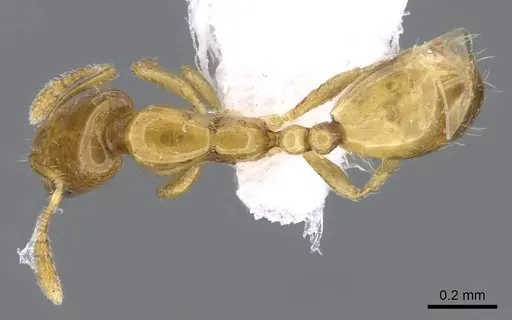
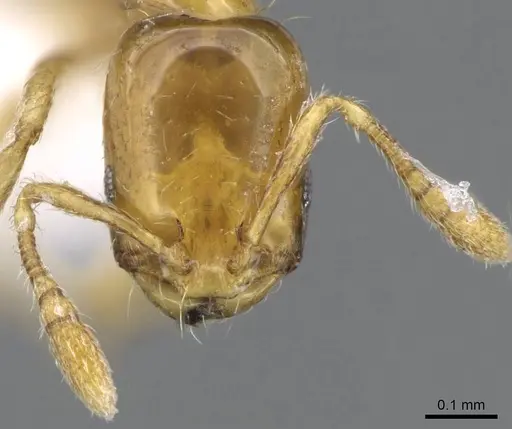
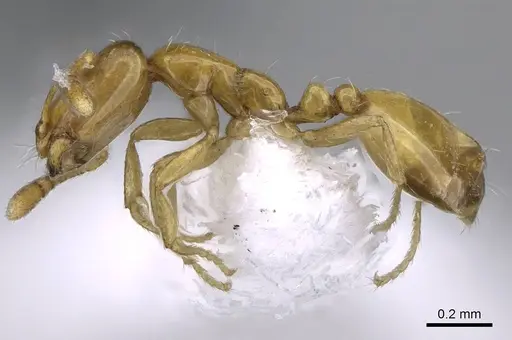
CASENT0884329
View on AntWeb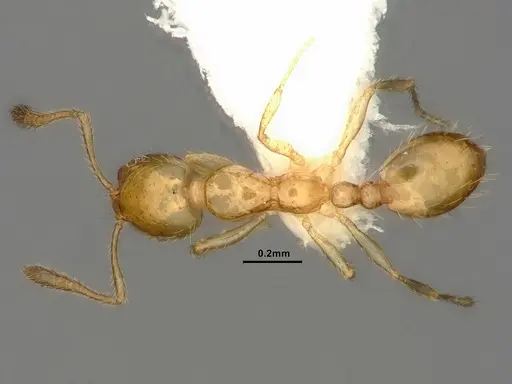
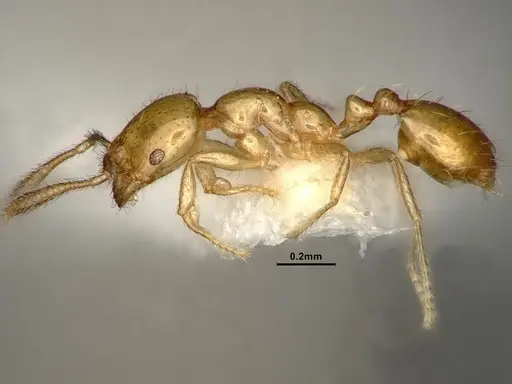
CASENT0902276
View on AntWeb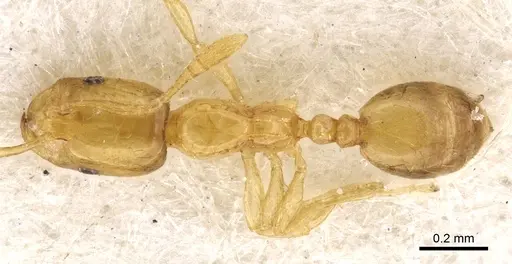
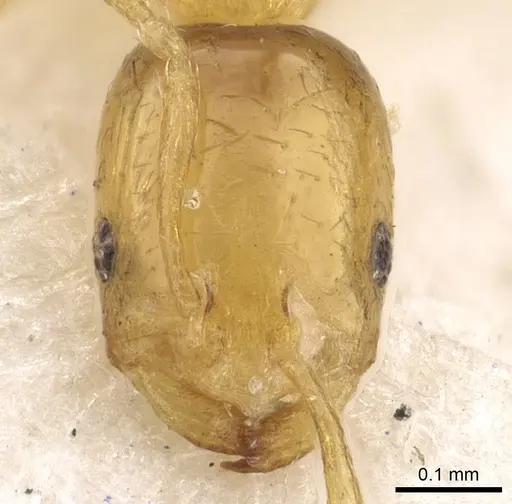
CASENT0908763
View on AntWeb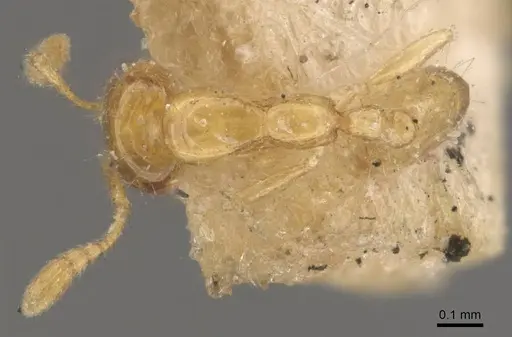
CASENT0908764
View on AntWeb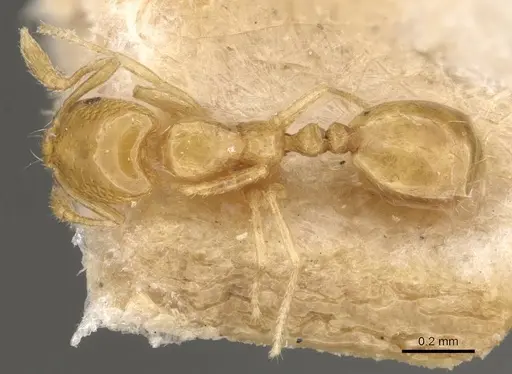
CASENT0908765
View on AntWeb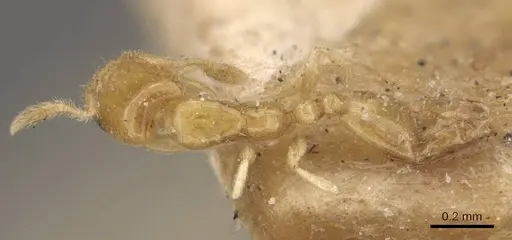
CASENT0908766
View on AntWeb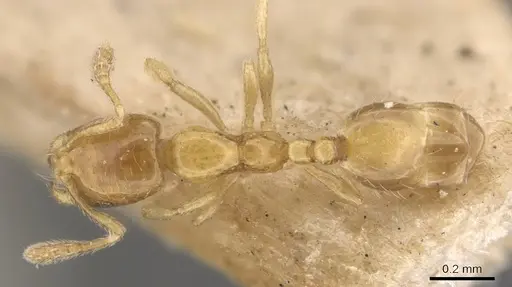
Literature
Loading...Loading products...